Artwork
Triptychon, Maria mit Kind, Antonius Eremita, Maria Magdalena
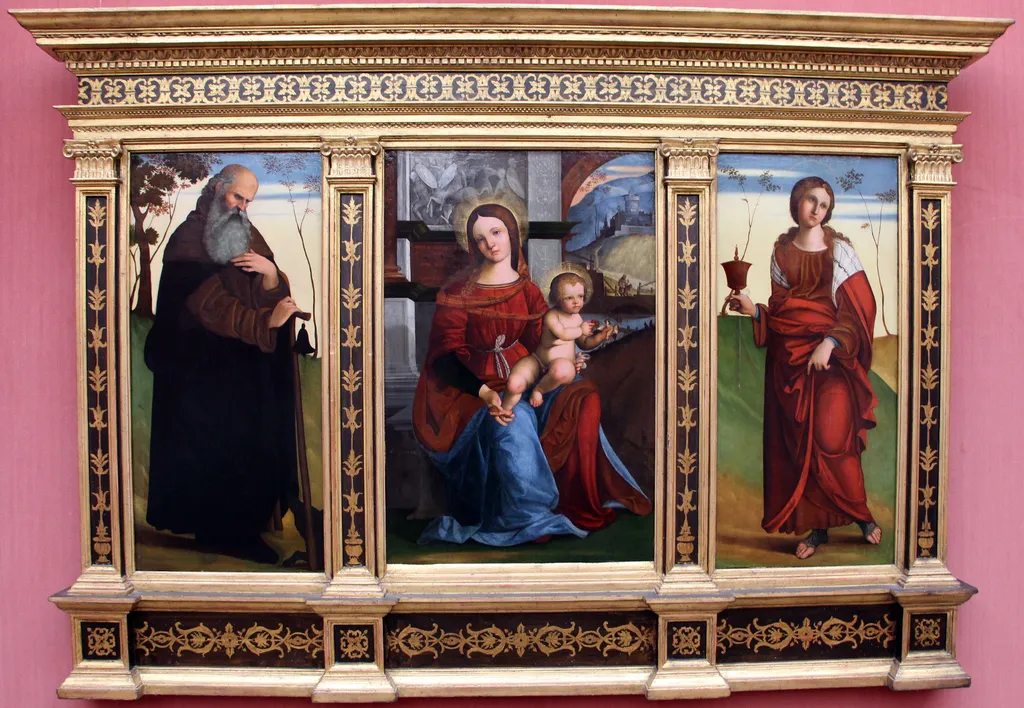
Triptychon, Maria mit Kind, Antonius Eremita, Maria Magdalena is an unspecified painting by the Early Renaissance artist Ludovico Mazzolino. It dates from 1509 and is held in the collection of the Gemäldegalerie Berlin.
About this work
Overview
The painting Triptychon, Maria mit Kind, Antonius Eremita, Maria Magdalena is a tripartite work created by Ludovico Mazzolino in 1509. It is an example of early Renaissance art, characteristic of the period's stylistic and thematic concerns.
Subject & Meaning
The triptych depicts three distinct scenes: Saint Anthony the Hermit, the Virgin and Child, and Mary Magdalene. The figures are set against varied landscapes, with the Virgin and Child positioned centrally, flanked by the two saints.
Technique & Style
Mazzolino's use of color and composition achieves a sense of depth and harmony. The artist's attention to detail is evident in the rendering of the figures' robes and facial expressions, showcasing his skill in capturing texture and emotion.
History & Provenance
The painting is now held in the Gemäldegalerie Berlin, a testament to its enduring significance. Created in the early 16th century, it reflects the artistic developments of the time, influenced by the cultural and artistic currents of Ferrara and Bologna.
Artist & collection
Artist
Ludovico Mazzolino (1480 – c. 1528) - also known as Mazzolini da Ferrara, Lodovico Ferraresa, and Il Ferrarese - was an Italian Renaissance painter active in Ferrara and Bologna.

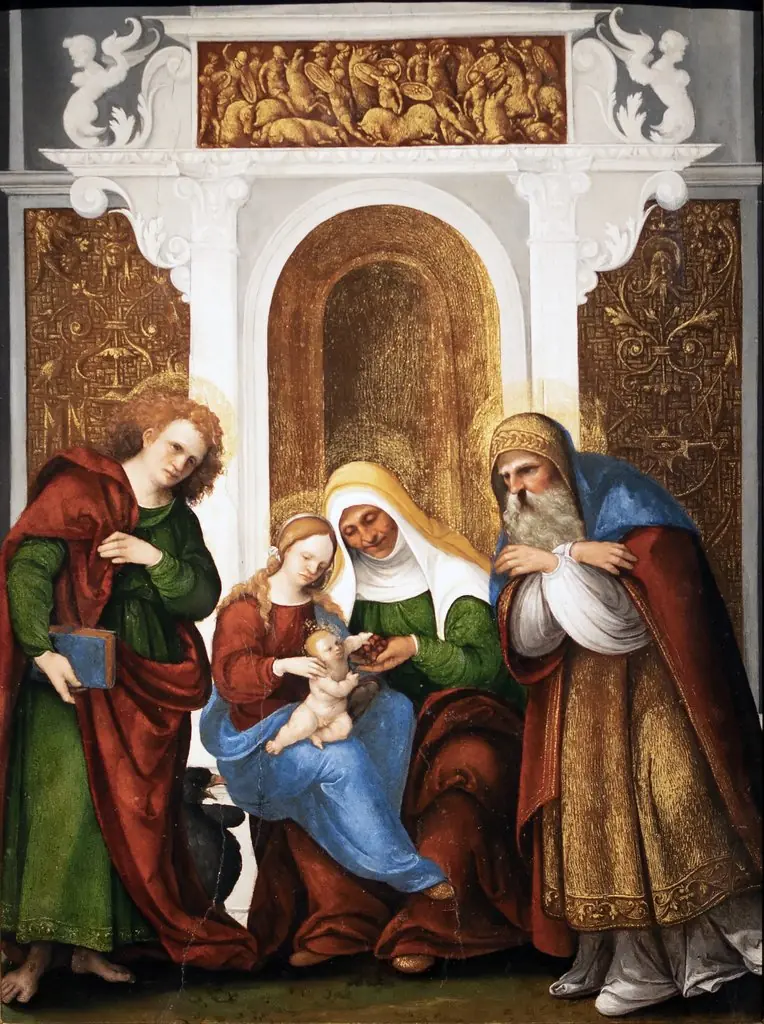
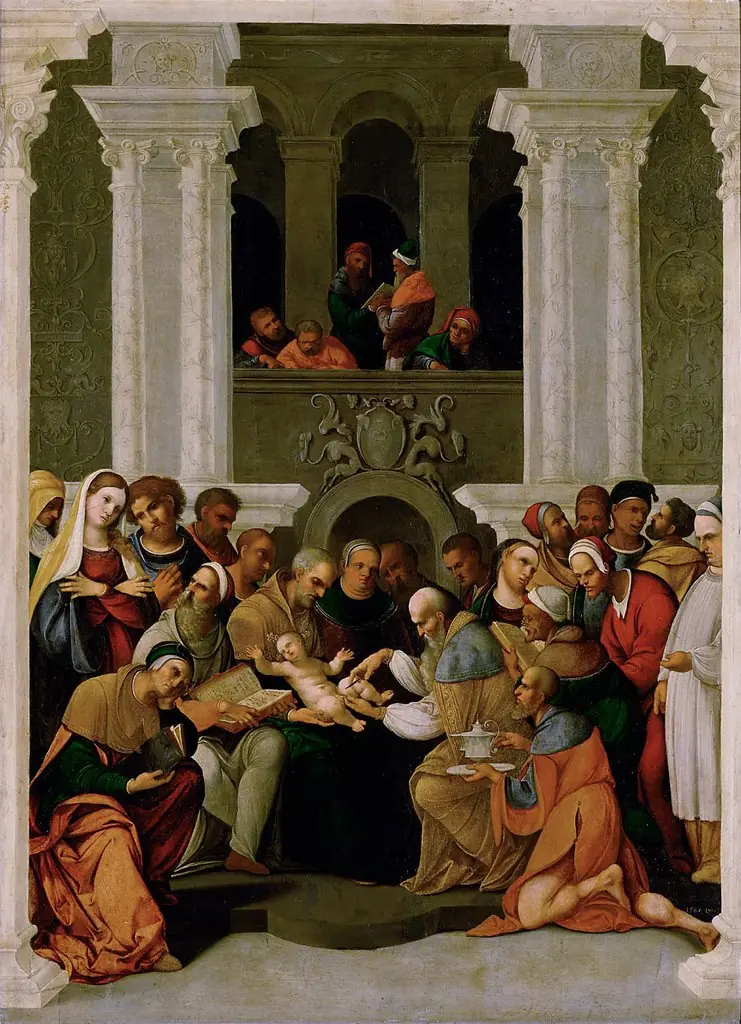
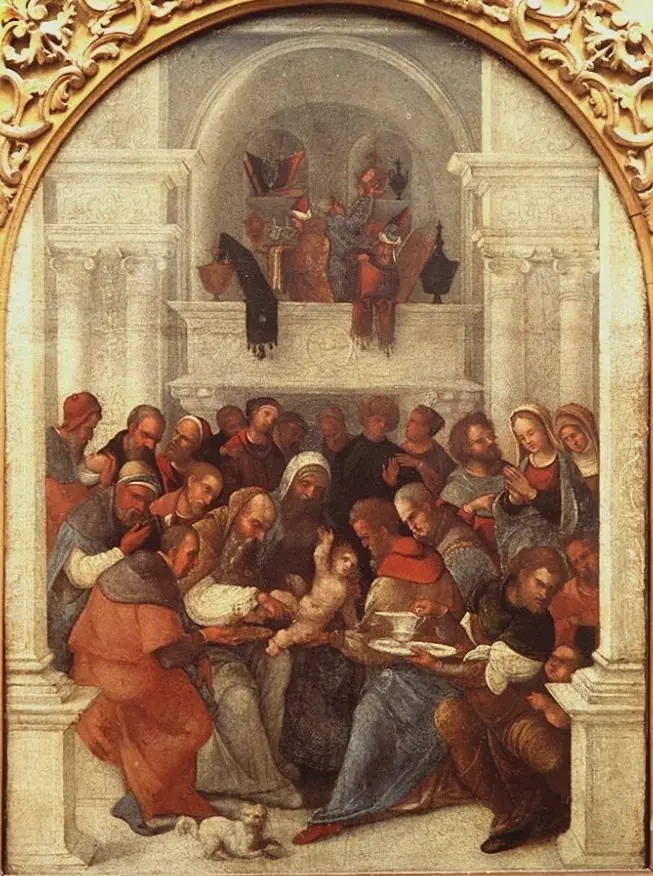
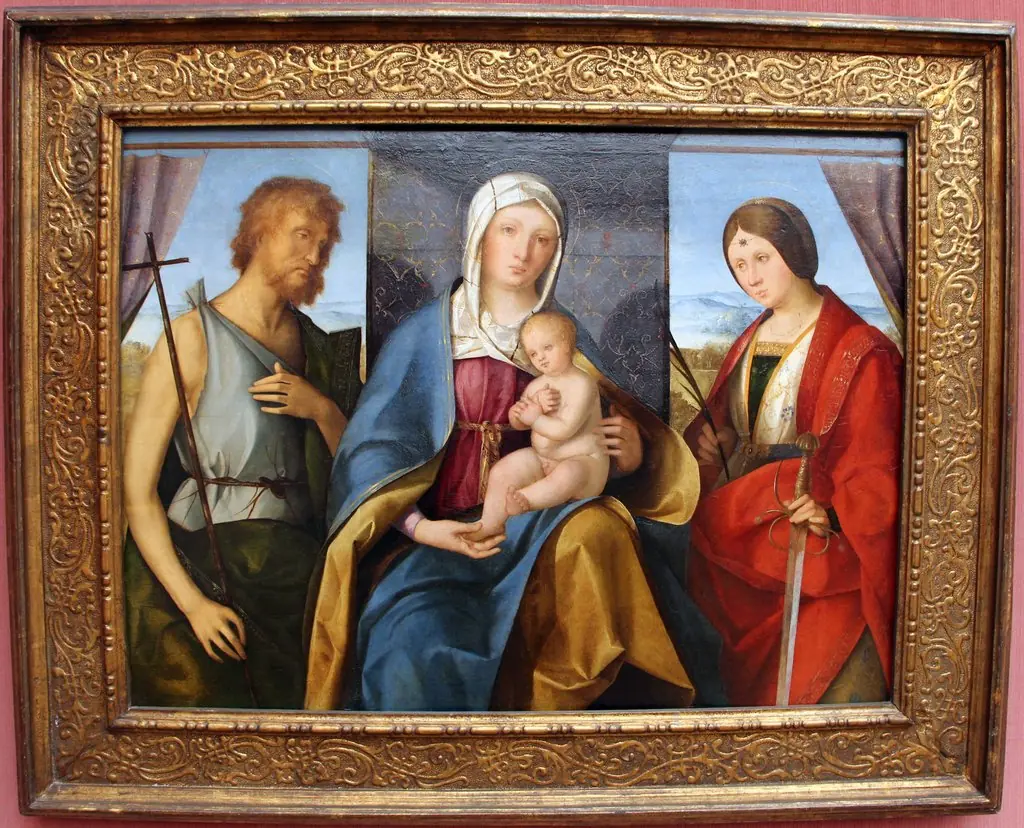 Thronende Maria mit d. Kind und den Heiligen Johannes dem Täufer und Katharina von Alexandrien
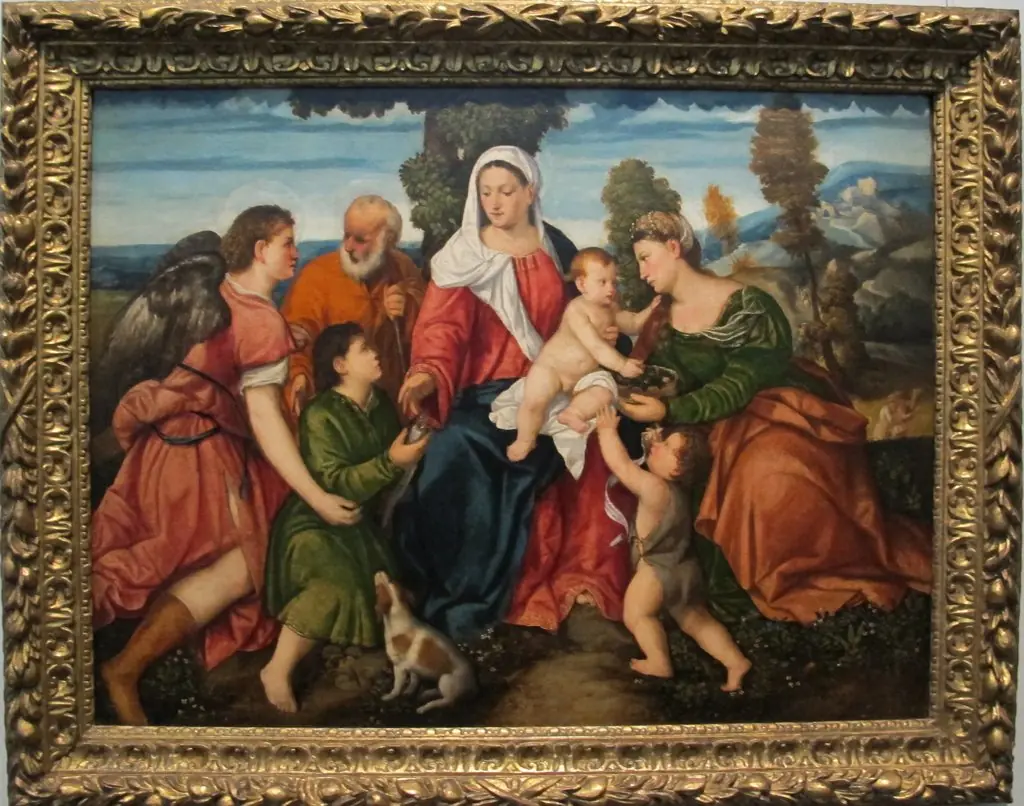 The Holy Family with Tobias and the Angel, Sts. Dorothy, and Infant John the Baptist
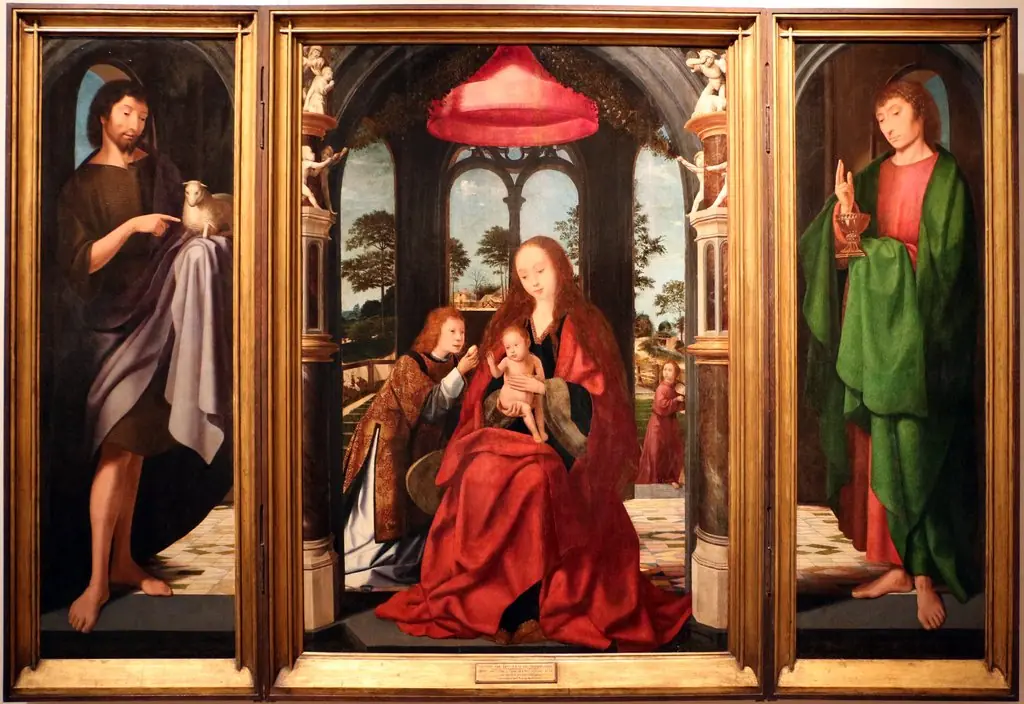 Triptych of the Virgin with the Child and Angels, St. John the Baptist and St. John the Evangelist
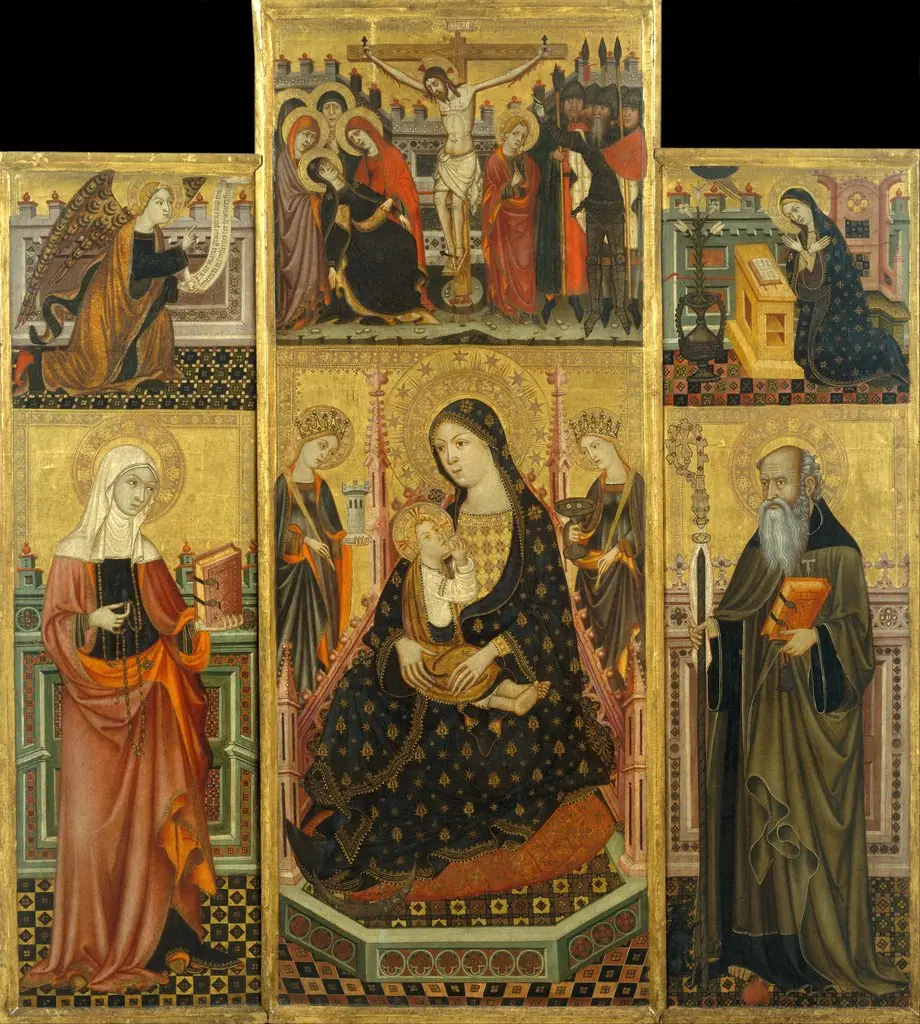 Altarpiece of the Virgin Suckling the Child, Saint Clare and Saint Anthony the Abbott
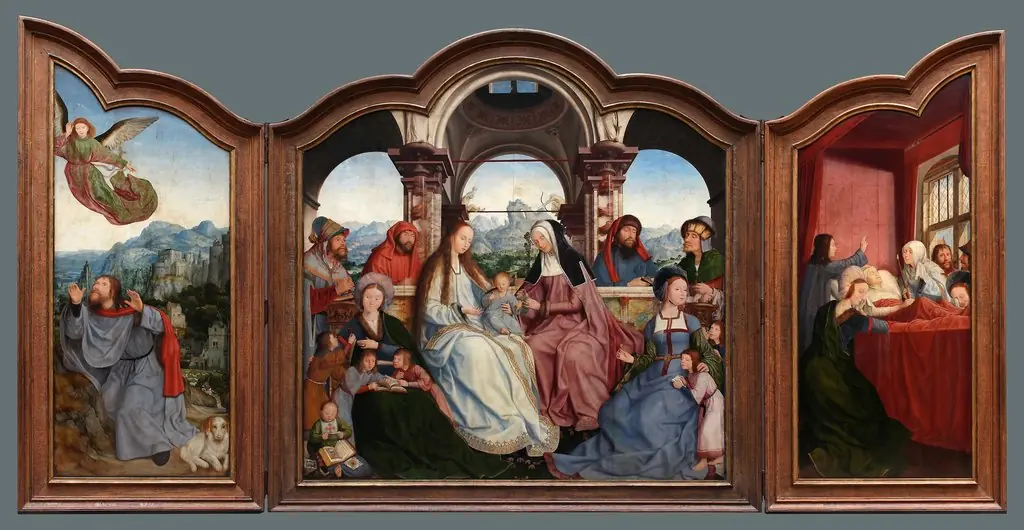 St Anne Altarpiece
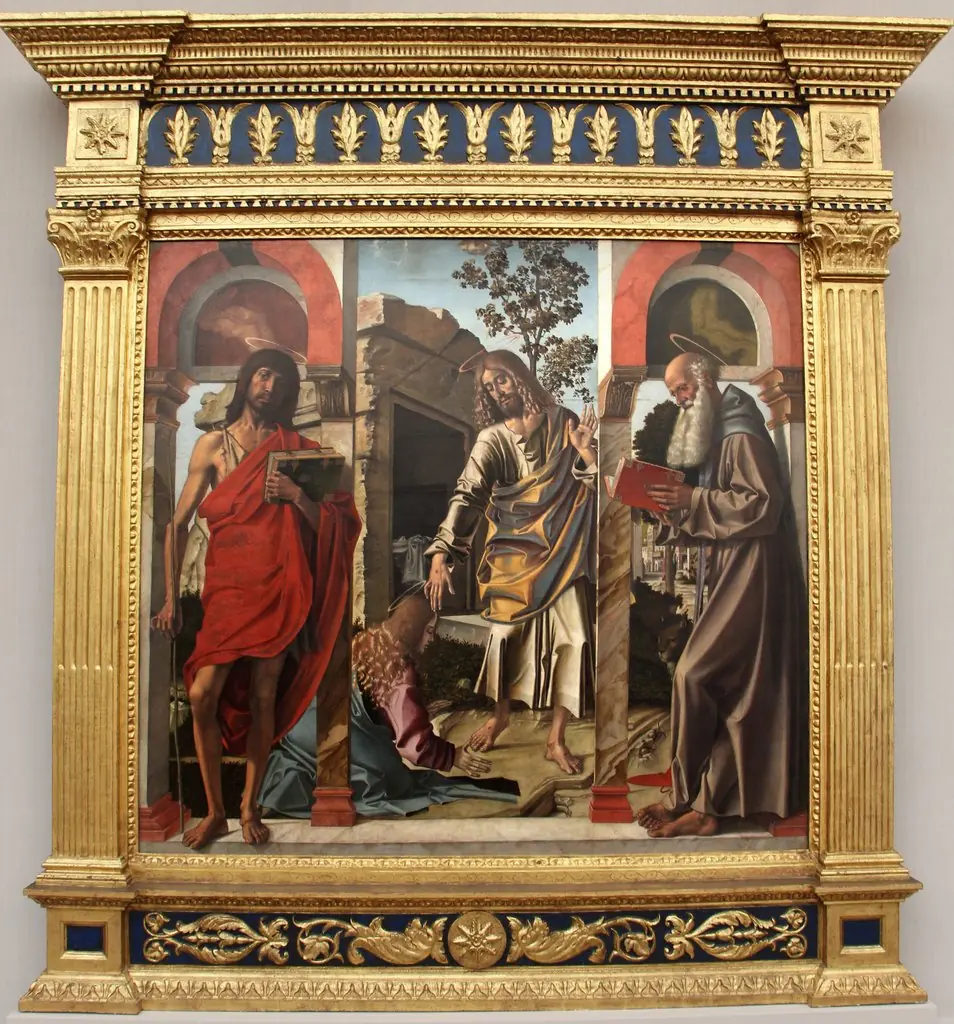 Noli me tangere between Saints John the Baptist and Jeronimo
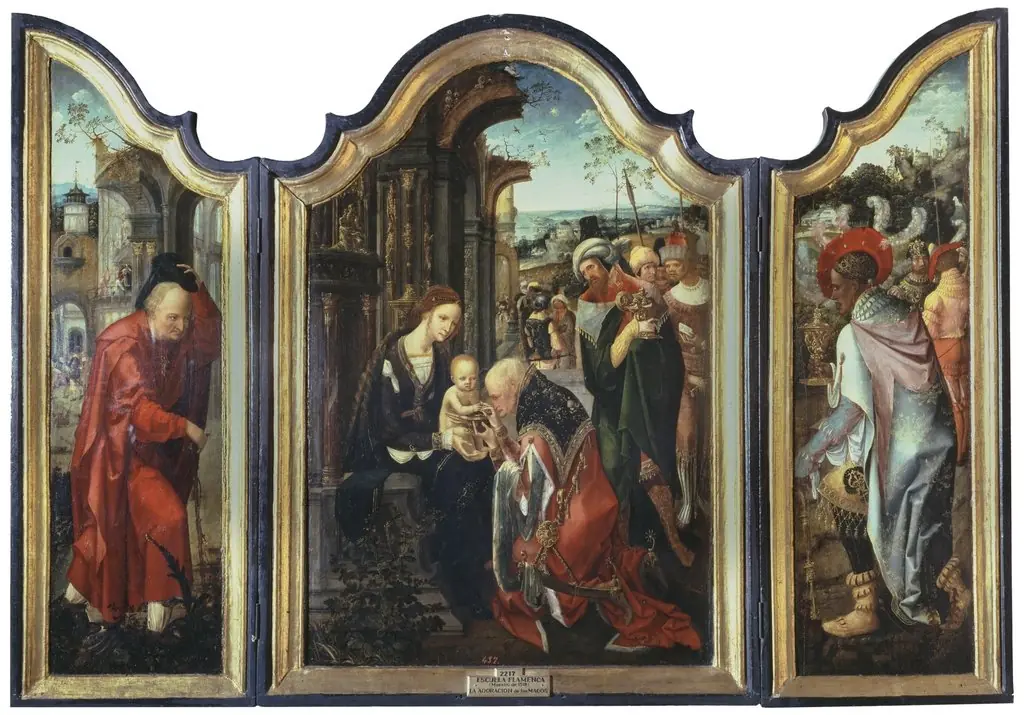 Adoration of the Magi
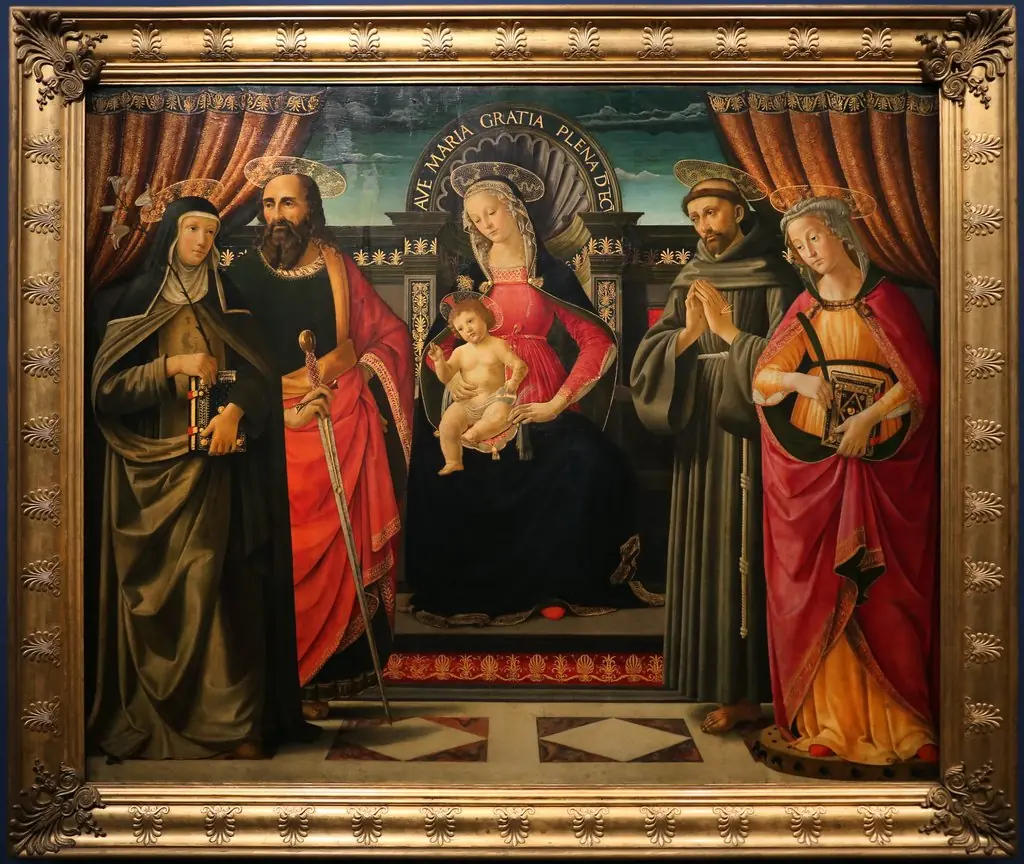 The Virgin with Blessing Child Enthroned and Saints
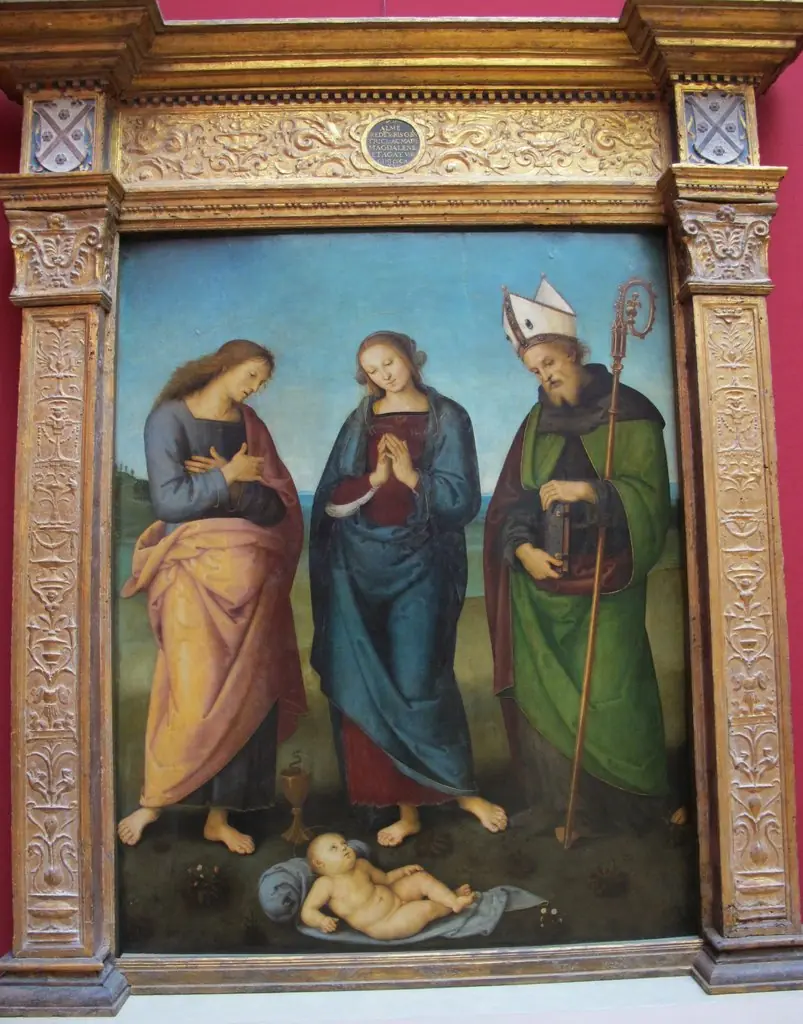 adorazione del bambino
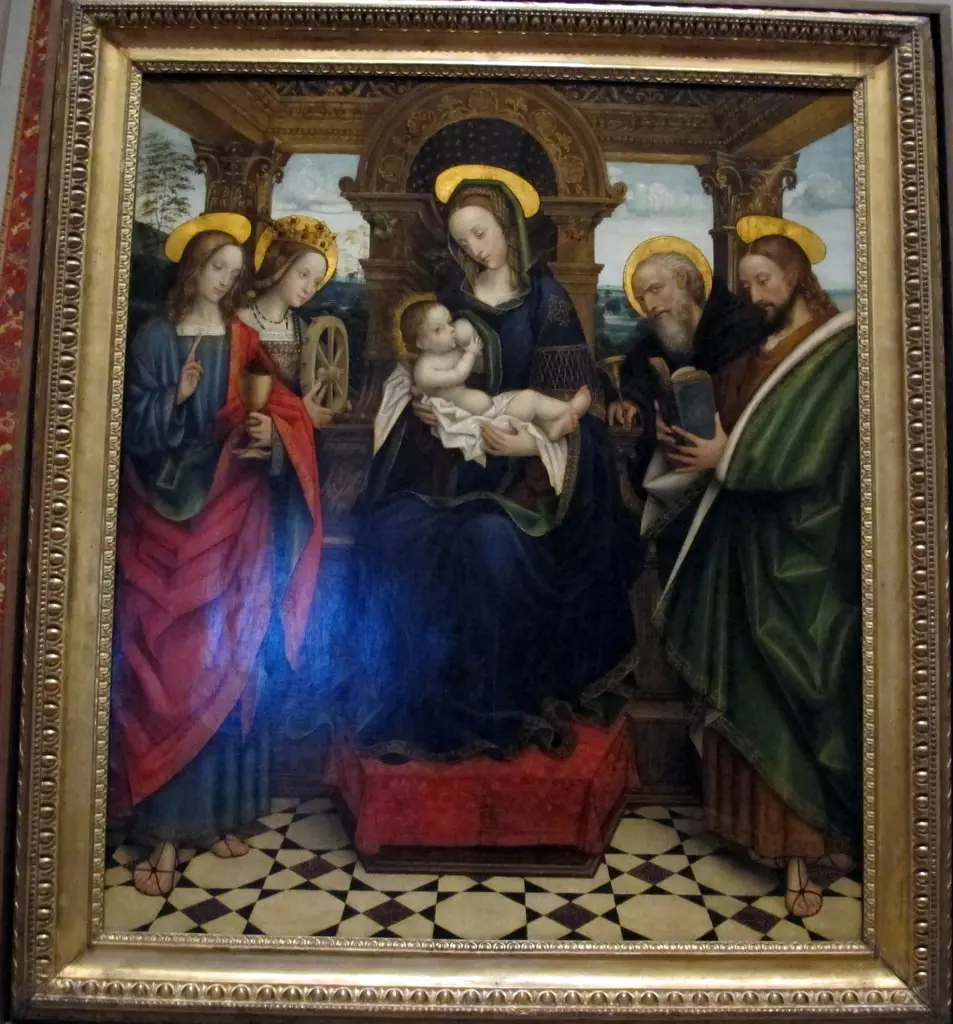 Enthroned Virgin and Child, with Saints John the Evangelist, Catherine of Alexandria, and Anthony Abbot, and a Saint Reading a Book
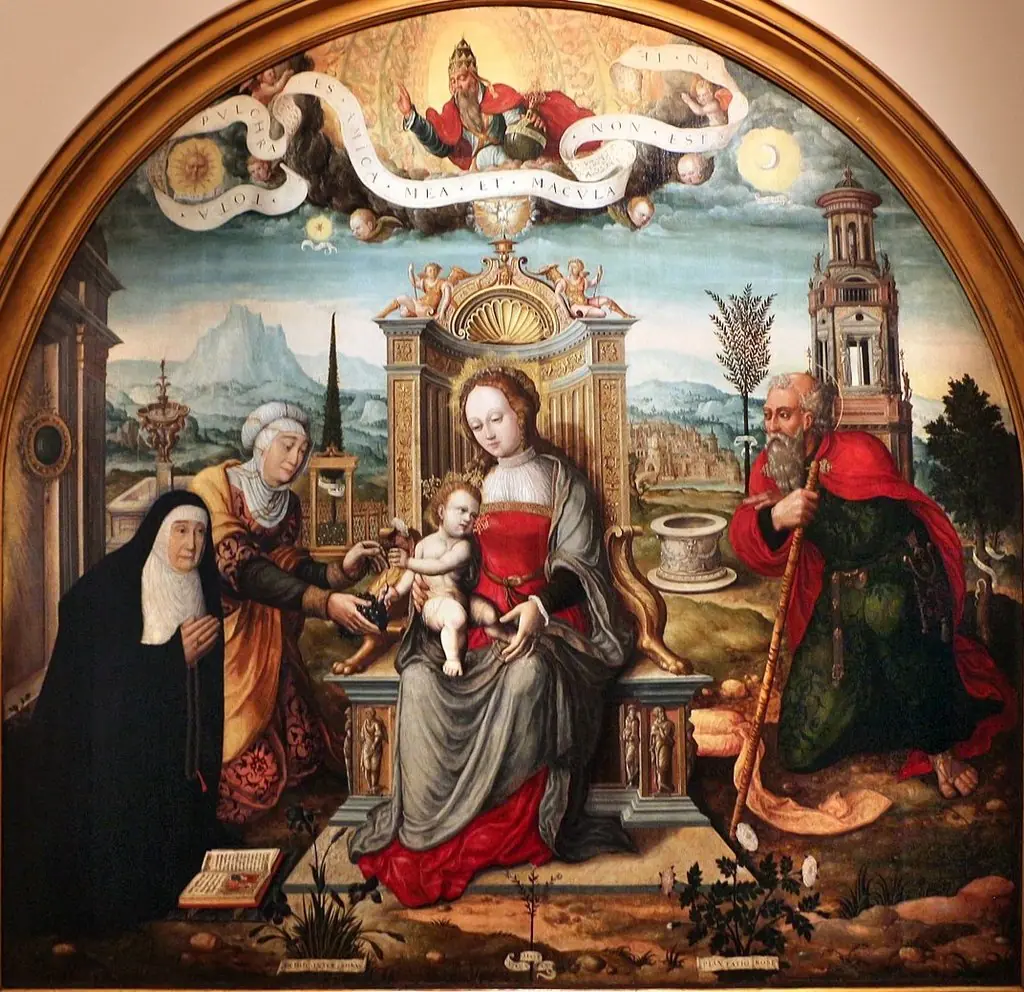 A Virgem Maria e o Menino Jesus com Santa Ana, São Joaquim e Doadora
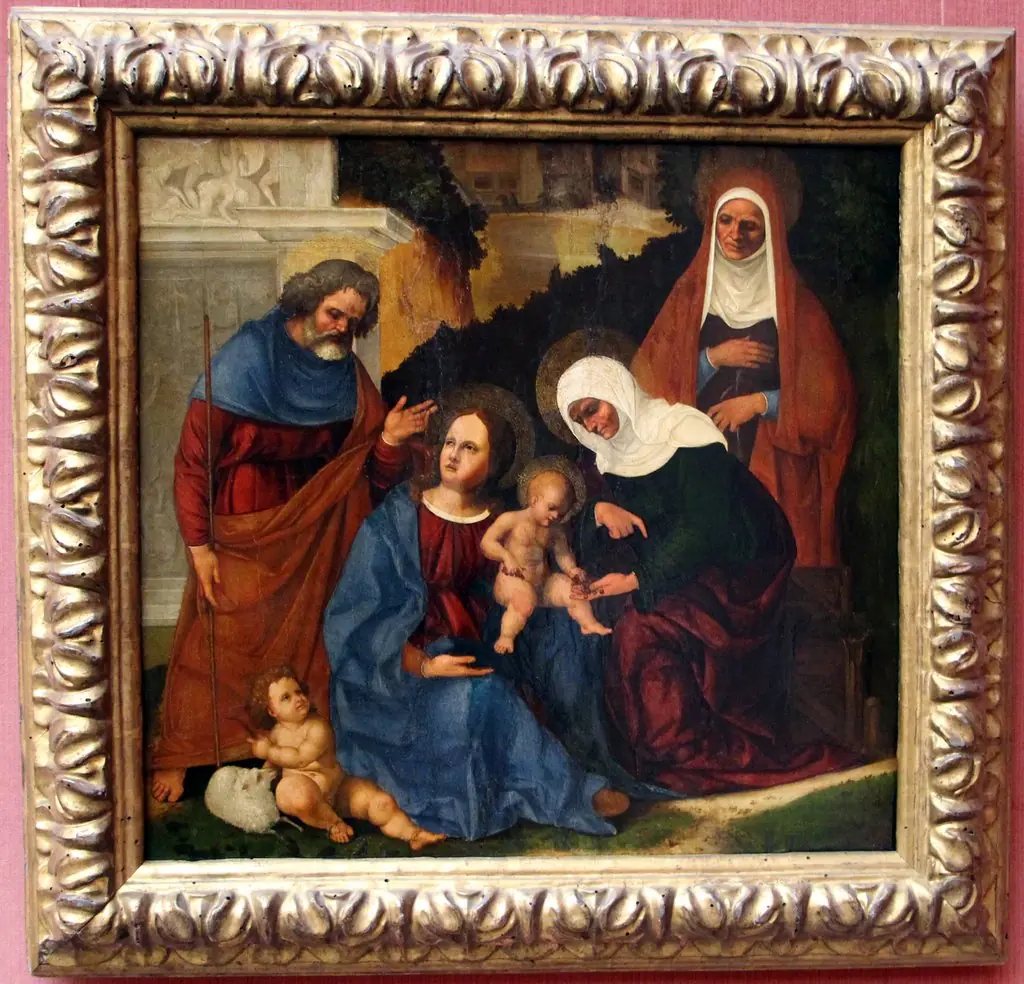 Die Heilige Familie mit Elisabeth, Anna und dem Johannesknaben