Artwork
Altarpiece of the Passion of Christ
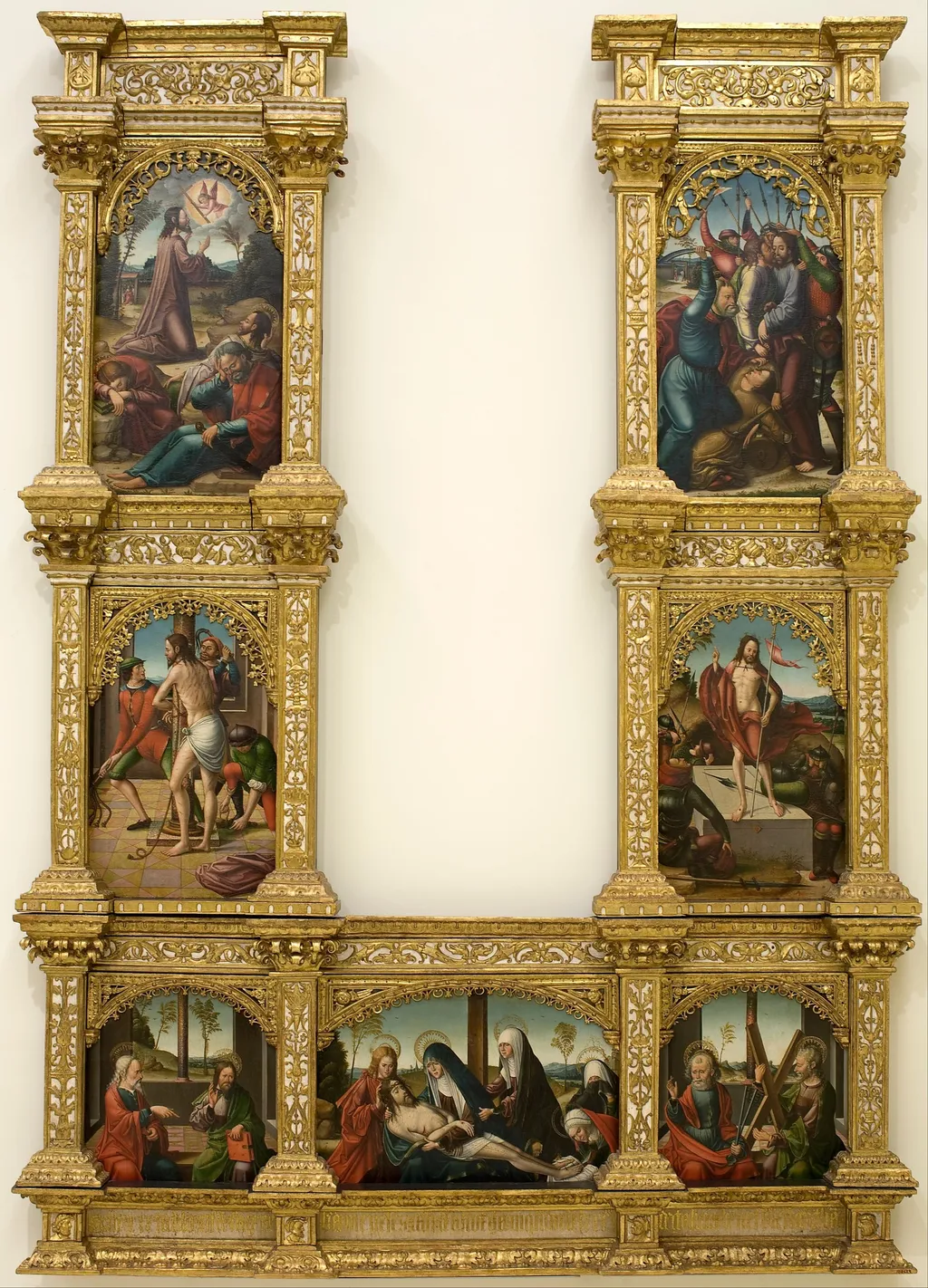
Altarpiece of the Passion of Christ is an unspecified painting by Master of Astorga. It dates from 1530 and is held in the collection of the Museu Nacional d'Art de Catalunya.
About this work
Overview
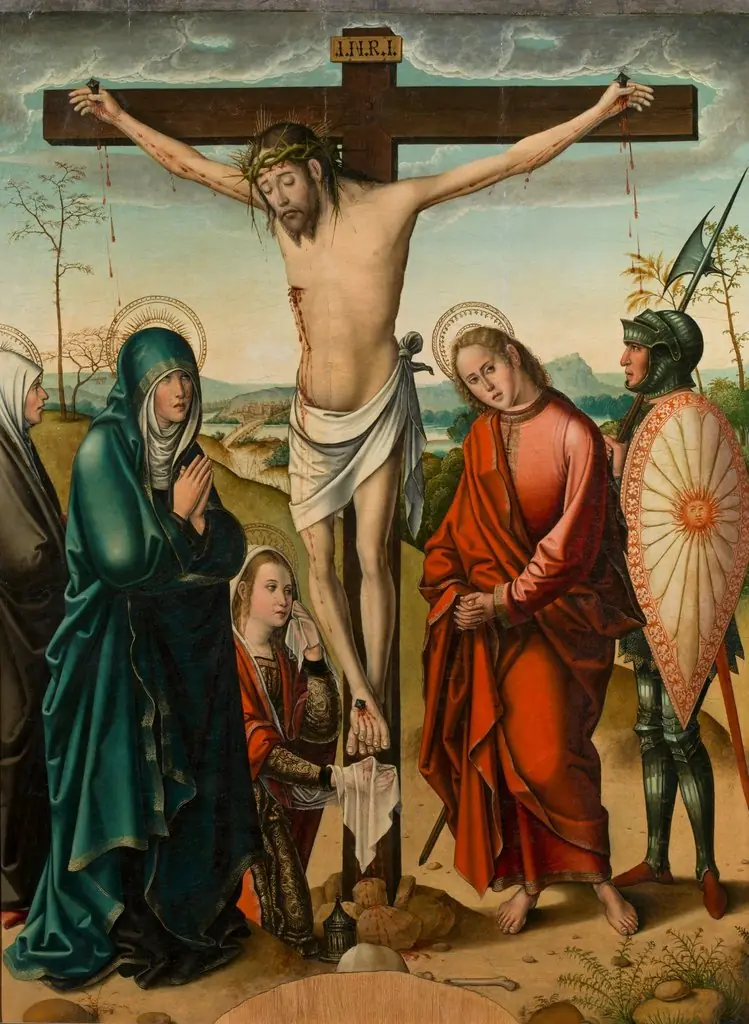
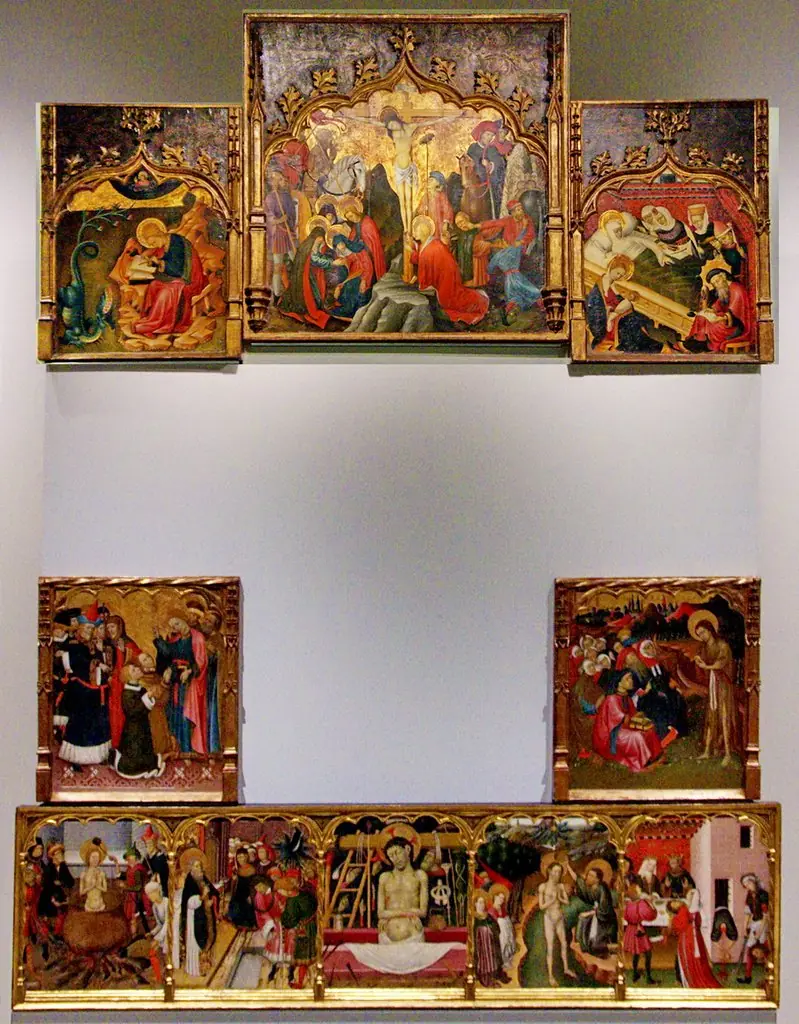
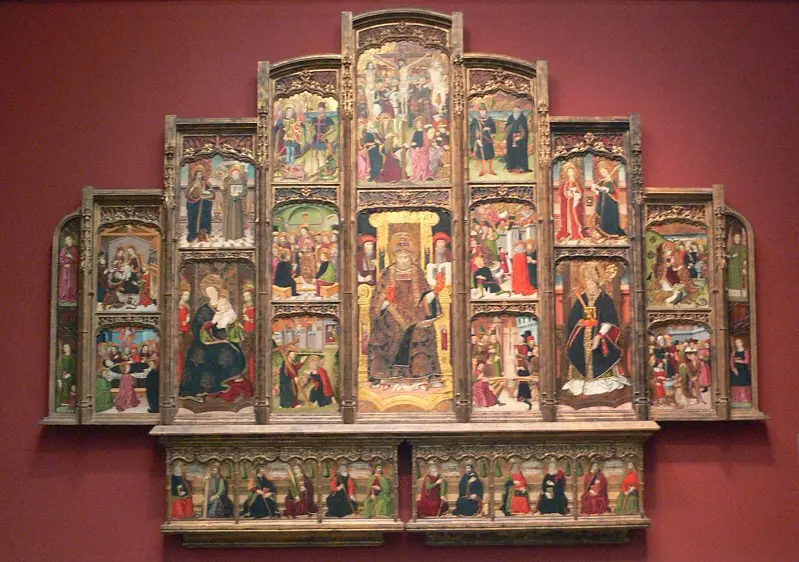
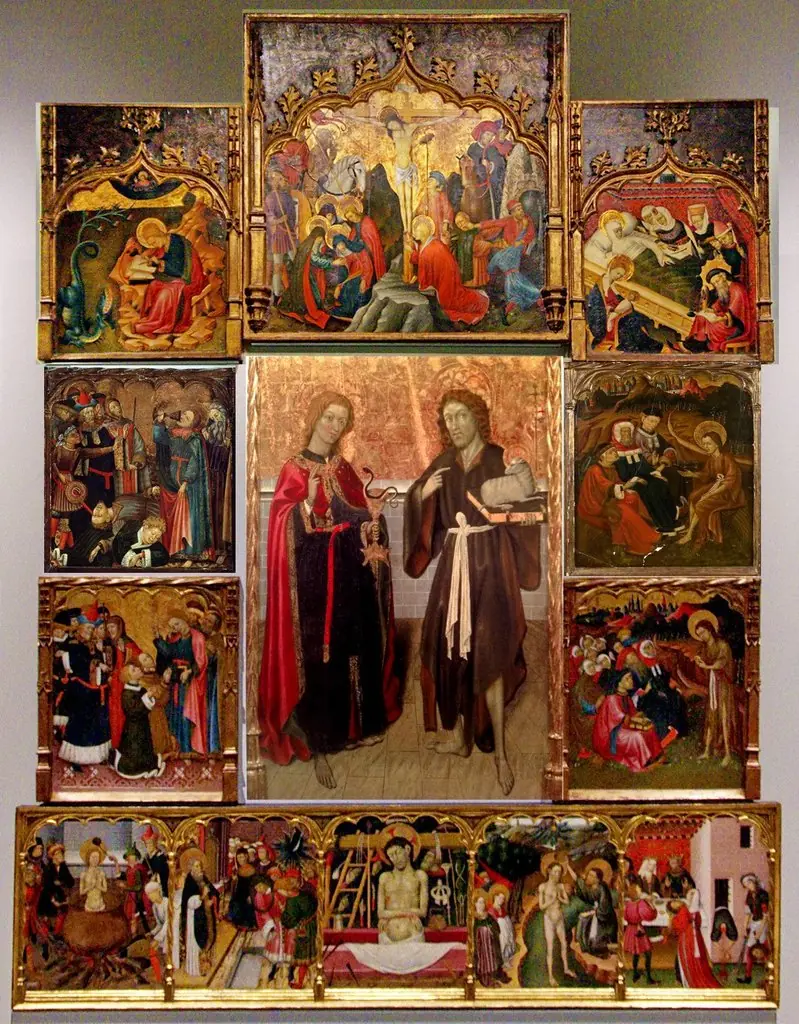
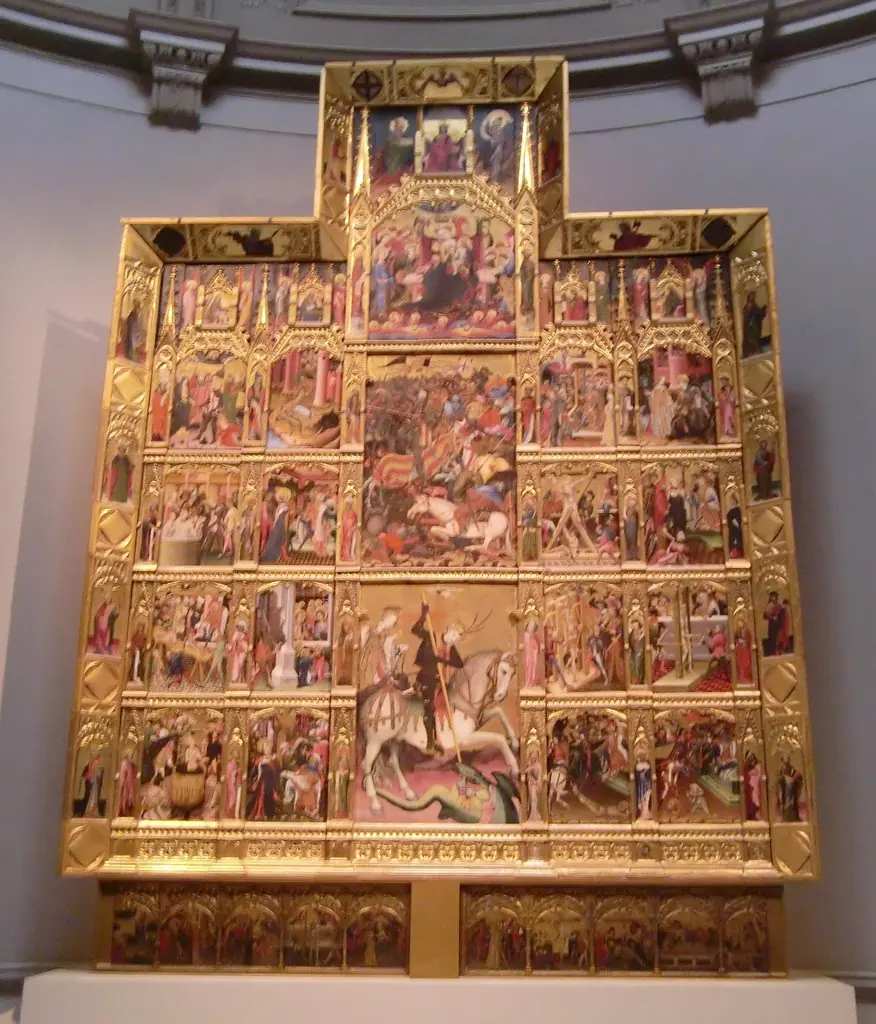
Created around 1530, the Altarpiece of the Passion of Christ is a multi‑panel religious work attributed to the anonymous Master of Astorga. The piece is conserved in the Museu Nacional d'Art de Catalunya and serves as a devotional object illustrating the events leading to Christ’s crucifixion.
Subject & Meaning
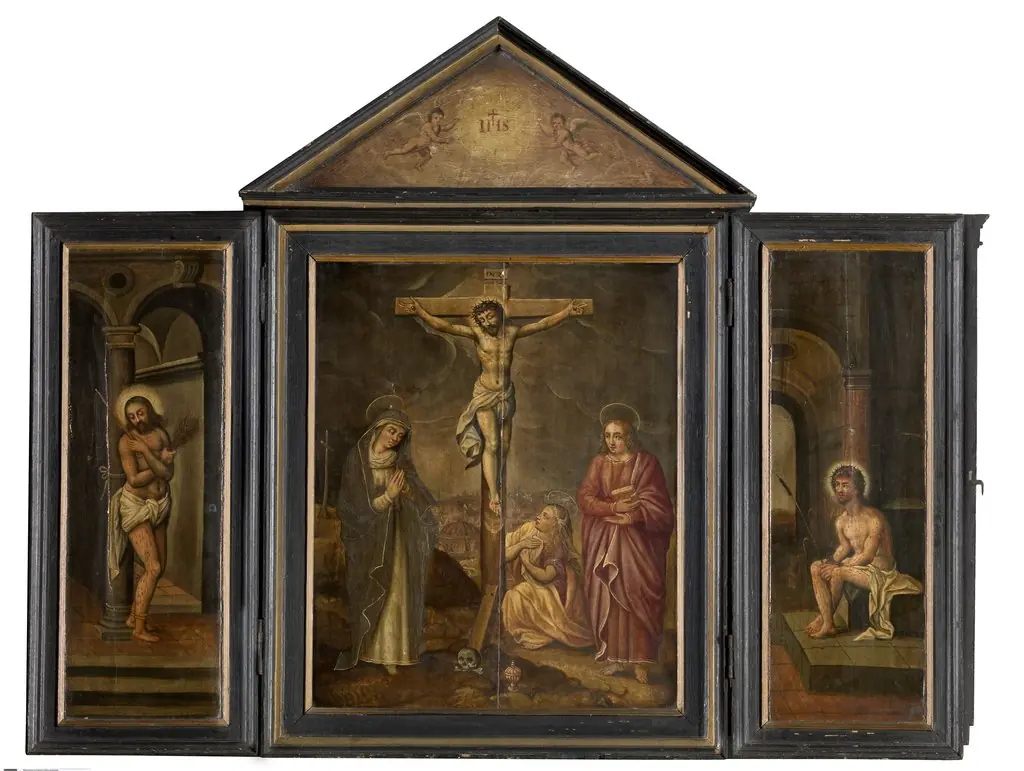
The altarpiece is organized into eight scenes that follow the narrative of the Passion, from the Last Supper through the Crucifixion. Each panel presents a distinct episode, such as the gathering of mourners around a fallen figure and the nailing of a man to the cross, inviting contemplation of Christ’s suffering and sacrifice.
Technique & Style
Executed in a realistic manner, the work displays careful attention to anatomy, drapery, and architectural details. Gold ornamental frames surround each panel, emphasizing the sacred content while the painter’s handling of light and texture enhances the emotional intensity of the figures.
History & Provenance
The altarpiece was produced in the early sixteenth century in the region associated with Astorga, Spain, though the artist’s identity remains unknown. It entered the collection of the Museu Nacional d'Art de Catalunya in the twentieth century, where it has been displayed as part of the museum’s medieval and Renaissance holdings.
Context
During the period of its creation, polyptychs and multi‑panel altarpieces were common in Iberian churches, serving both liturgical and instructional purposes. The Master of Astorga’s work reflects contemporary devotional trends that emphasized vivid, narrative depictions of Christ’s final days to engage the faithful.
Artist & collection
Artist
This anonymous 16th-century Spanish painter created vivid, gold-backed religious scenes.