Artwork
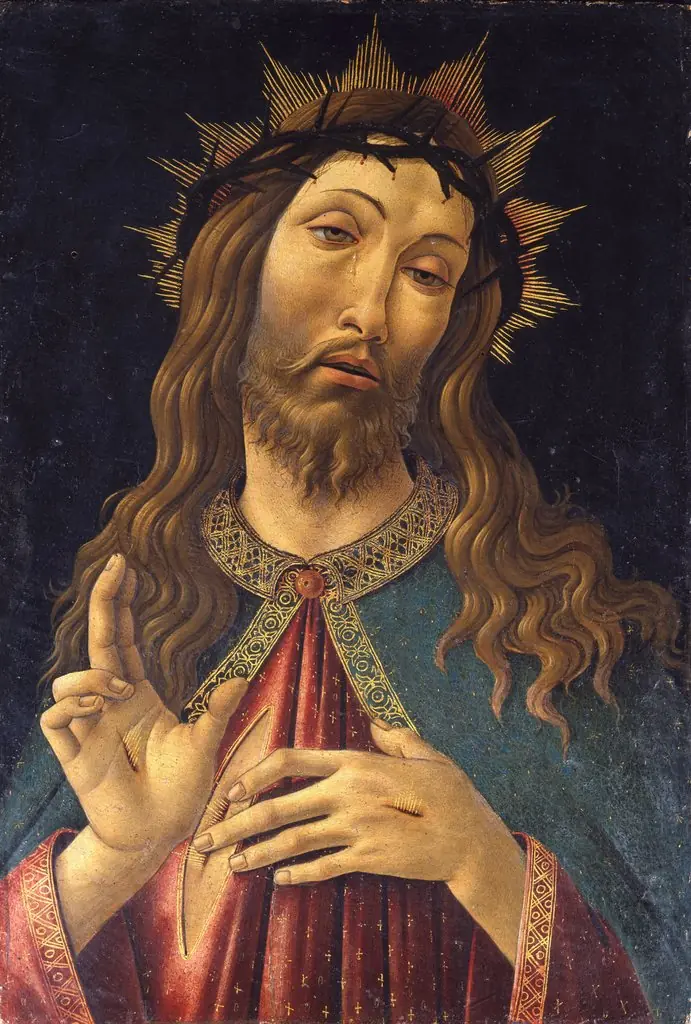
The Resurrected Christ
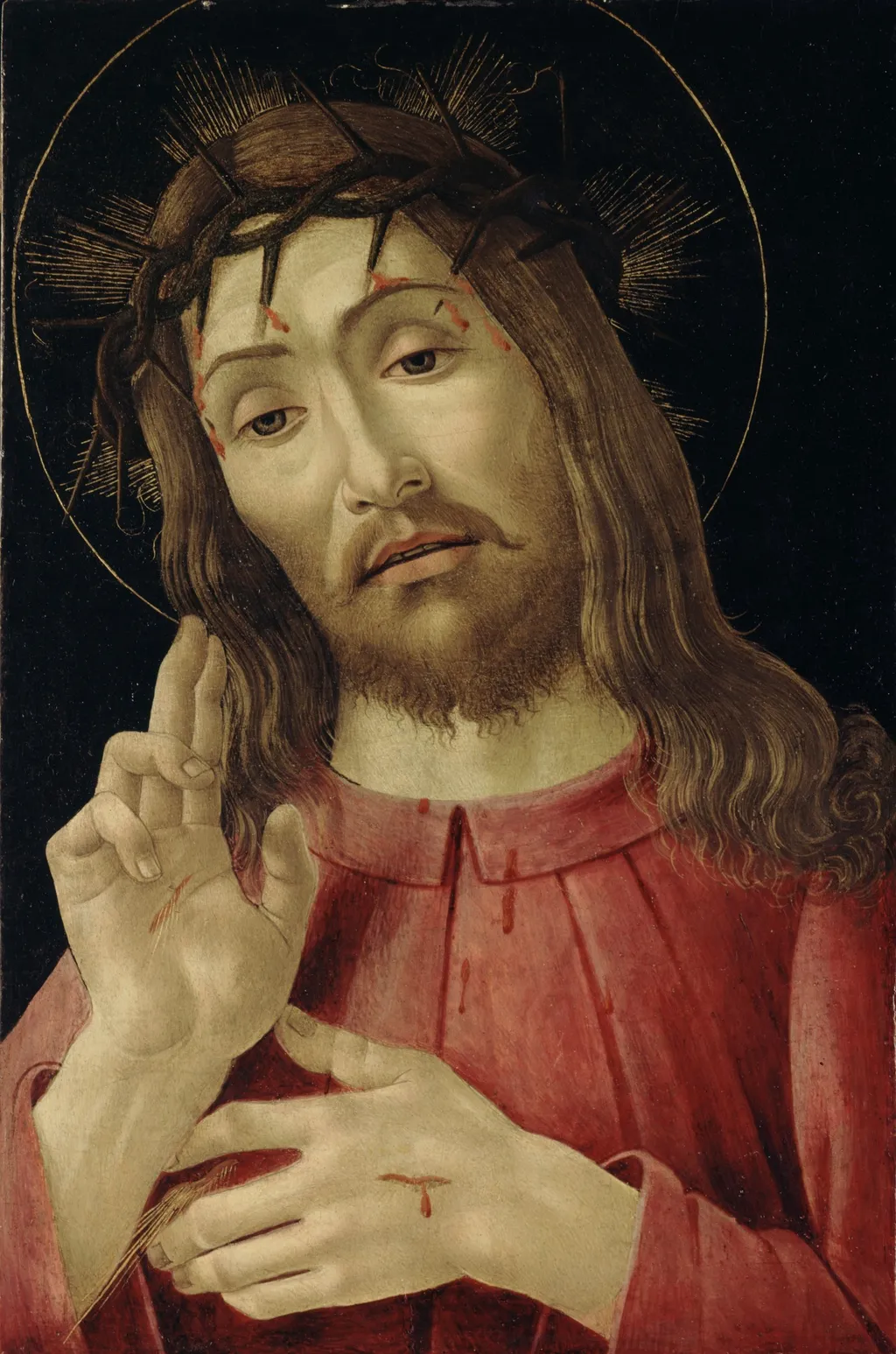
The Resurrected Christ is a tempera painting by the Early Renaissance artist Sandro Botticelli. It dates from 1490 and is held in the collection of the Detroit Institute of Arts.
About this work
Overview
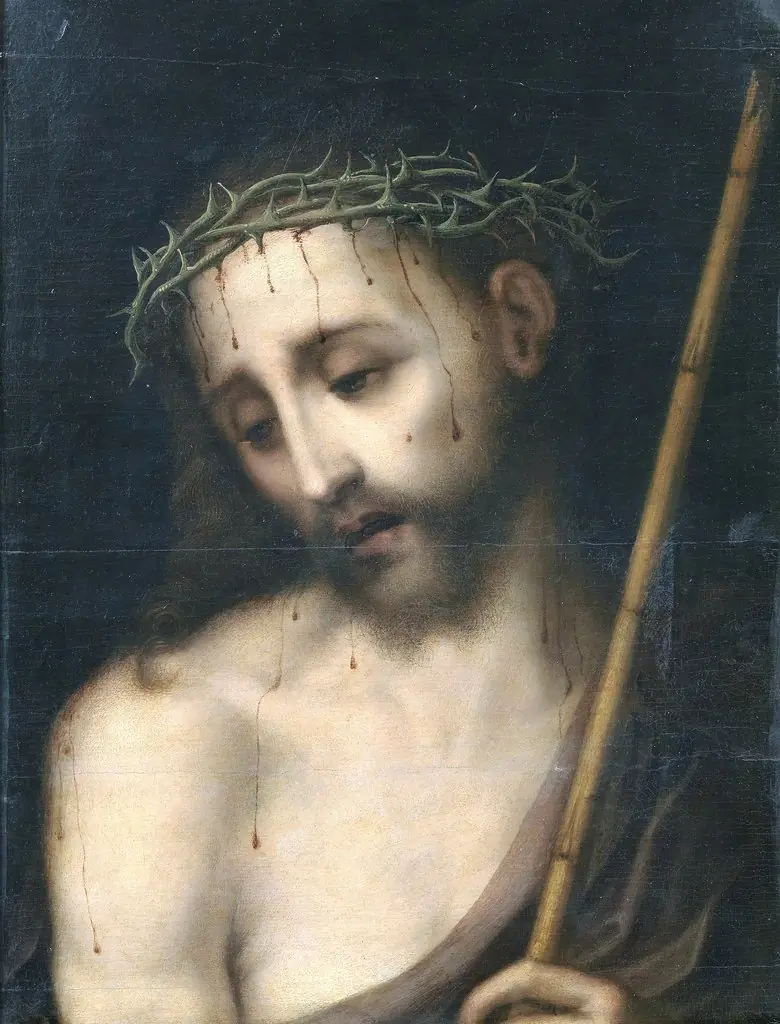
Created around 1490, this tempera work by Sandro Botticelli portrays the resurrected Christ. The figure stands against a stark, dark backdrop, his form illuminated by muted tones that draw attention to his suffering and triumph. The painting is part of the collection at the Detroit Institute of Arts, where it is displayed as an example of late‑15th‑century religious art.
Subject & Meaning
The central figure is a bearded, long‑haired Christ wearing a crown of thorns, his expression weary yet resolute. Blood streams from his wrists, and his red robe bears stains, all visual cues that reference the Passion and the miracle of resurrection. The composition invites contemplation of sacrifice, redemption, and the divine victory over death.
Technique & Style
Executed in egg tempera, the painting employs fine, layered brushstrokes that produce a smooth, luminous surface. Botticelli’s palette is restrained, using soft, earthy hues that enhance the figure’s flesh tones and the deep shadows of the background. The meticulous handling of light and texture underscores the physical pain depicted while maintaining a serene overall tone.
History & Provenance
The work has been in the Detroit Institute of Arts since its acquisition in the early 20th century, though its earlier ownership records are limited. Its attribution to Botticelli rests on stylistic analysis and documentation linking the piece to his late Florentine period, when he frequently explored devotional subjects in tempera.
Artist & collection

Artist
Sandro Botticelli was a Florentine painter who loved the drama of stories—myths, saints, and ancient tales.

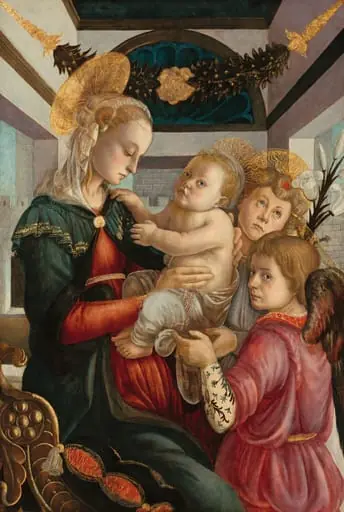
 Man of Sorrows
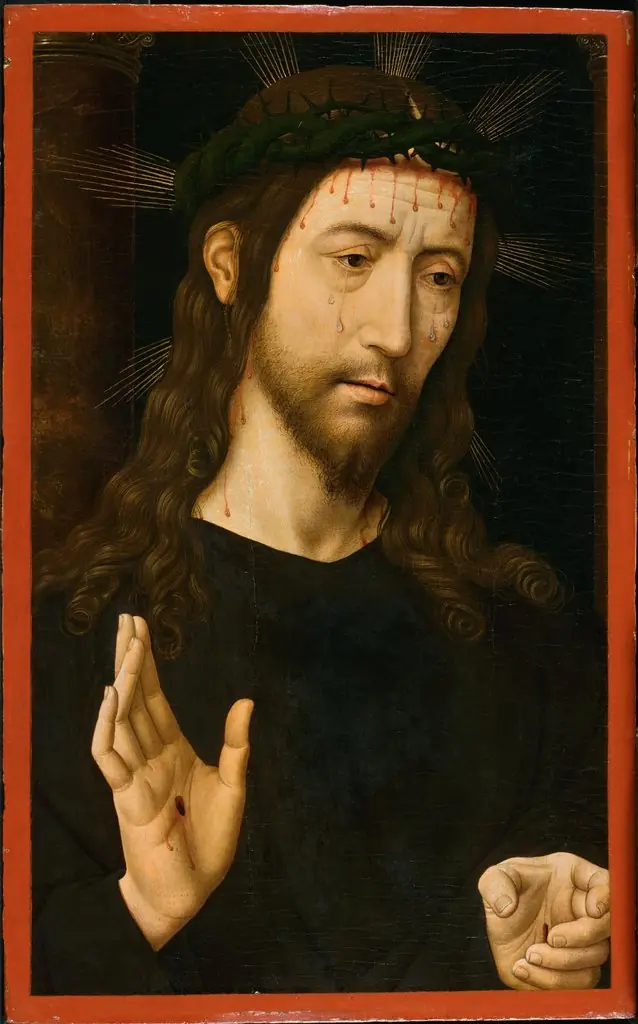 The Man of Sorrows (Christ Crowned with Thorns)
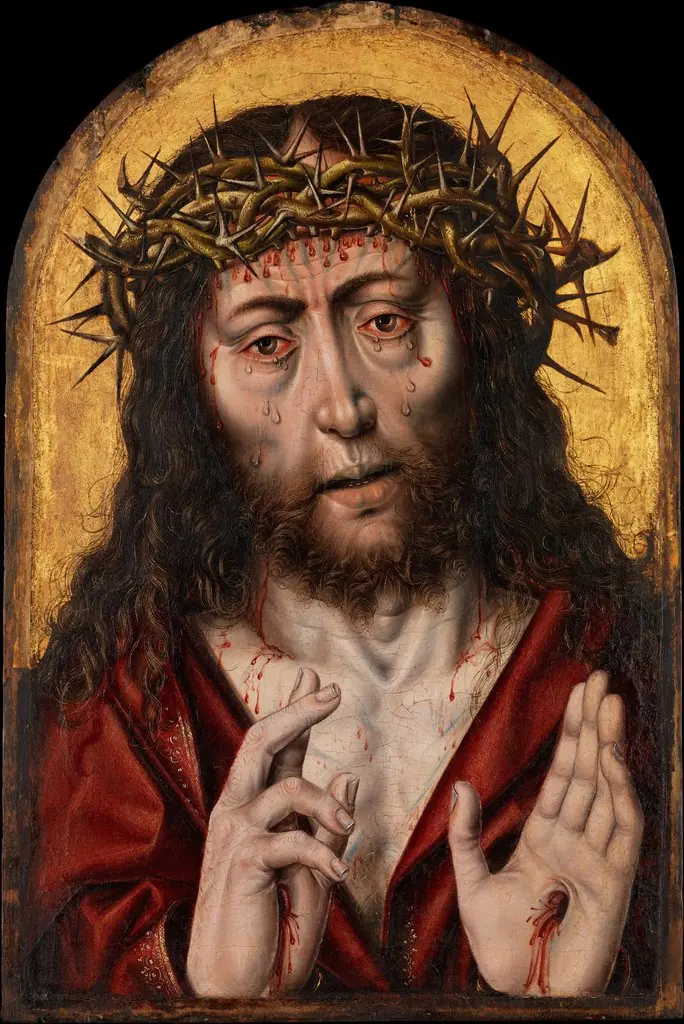 The Man of Sorrows
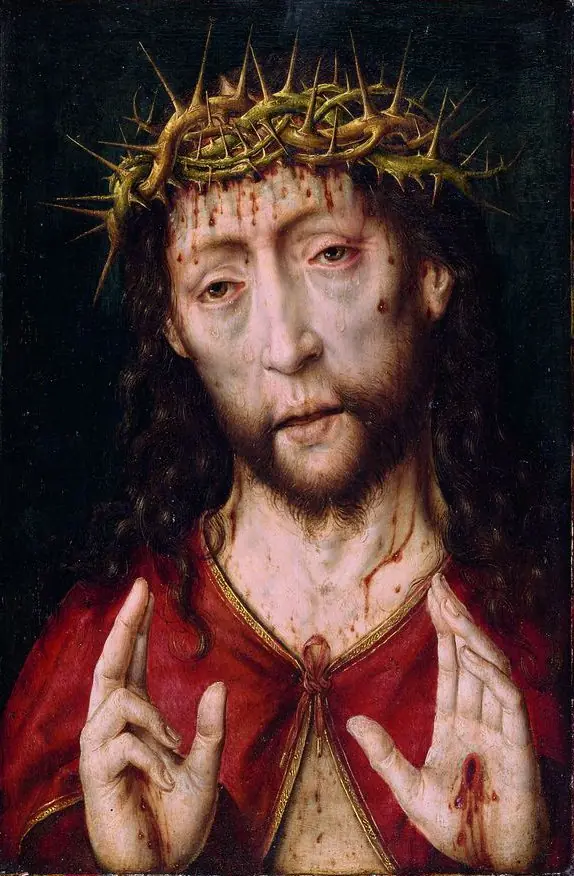 Christ Crowned with Thorns
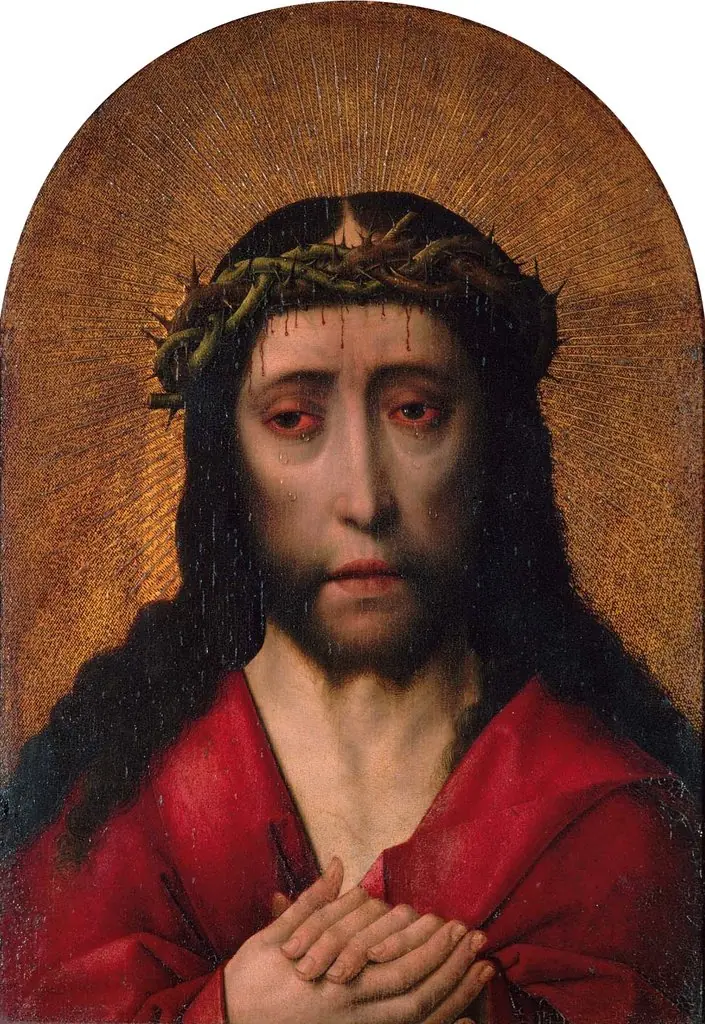 Christ Crowned with Thorns
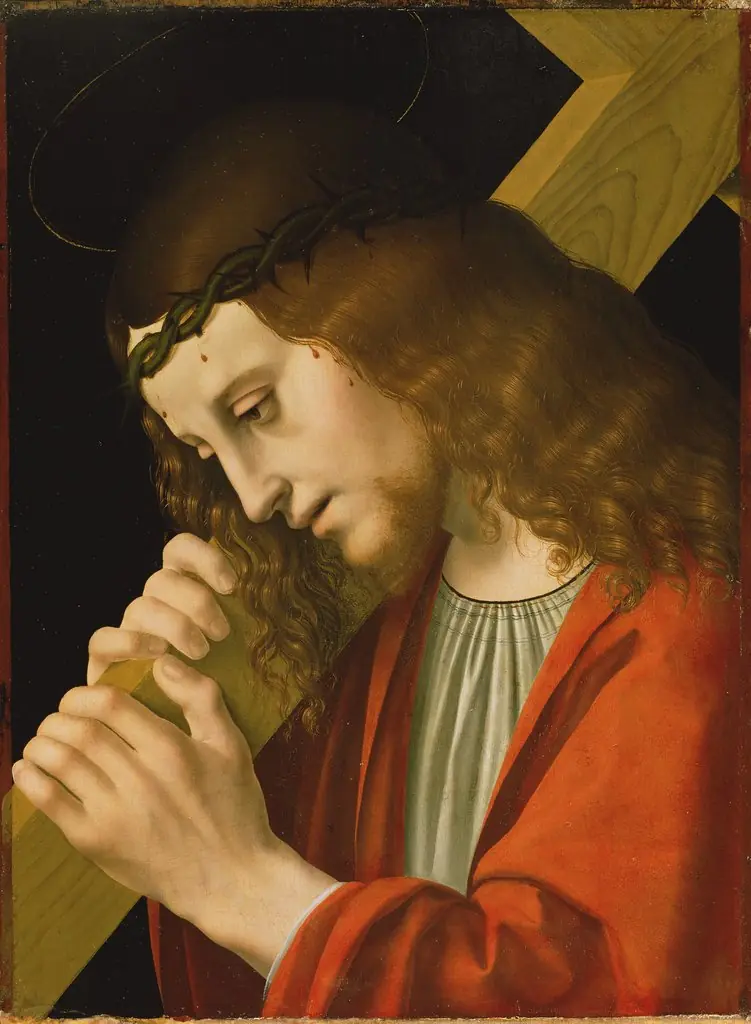 Christ Carrying the Cross
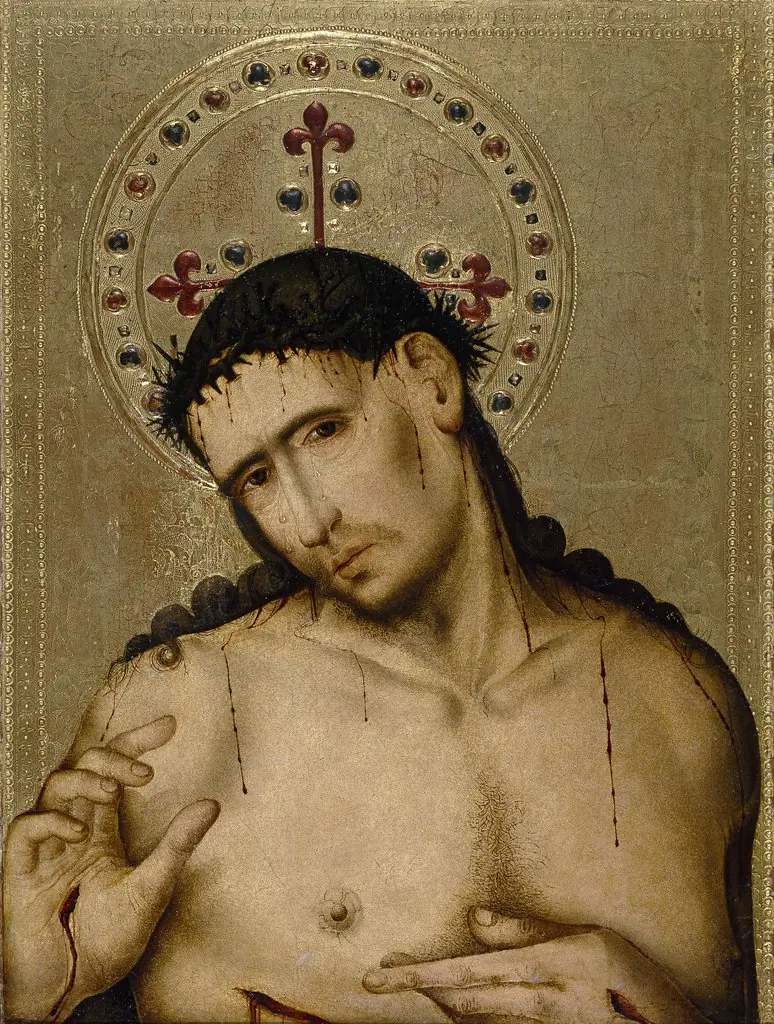 The Man of Sorrows
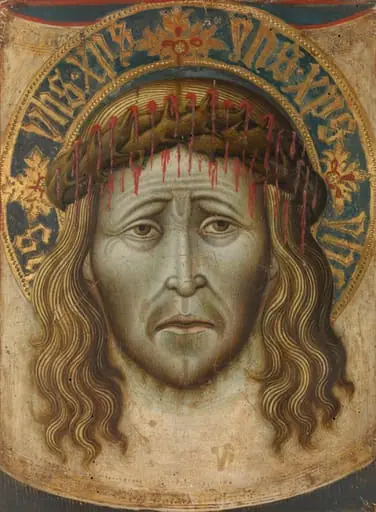 De zweetdoek van de heilige Veronica
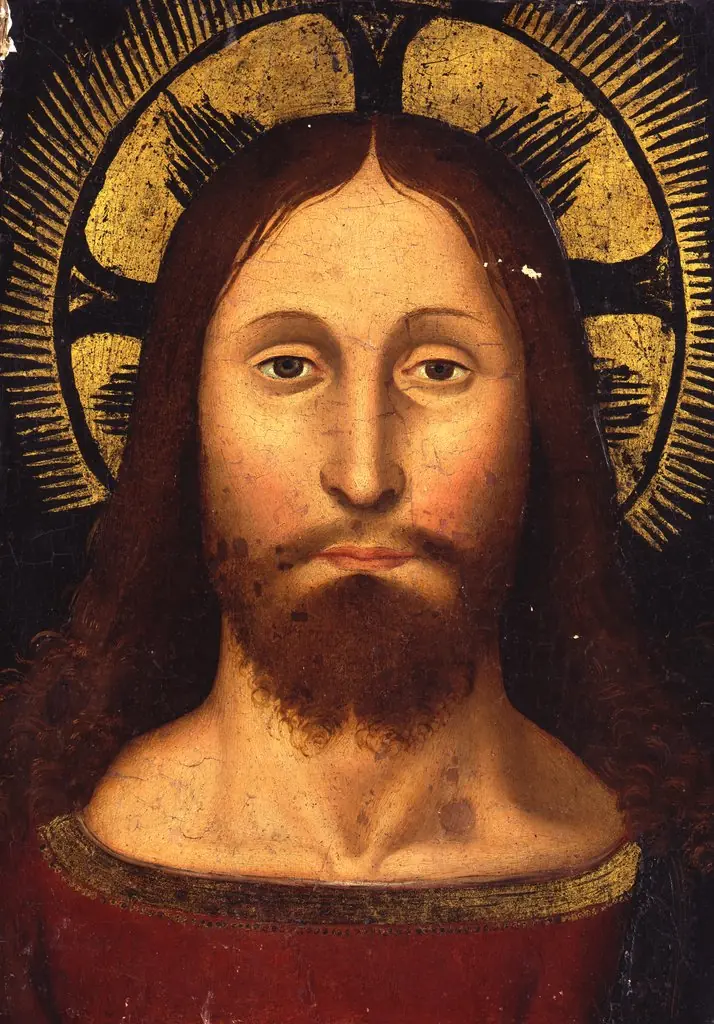 The Sacred Face of Christ (Vera Icon)
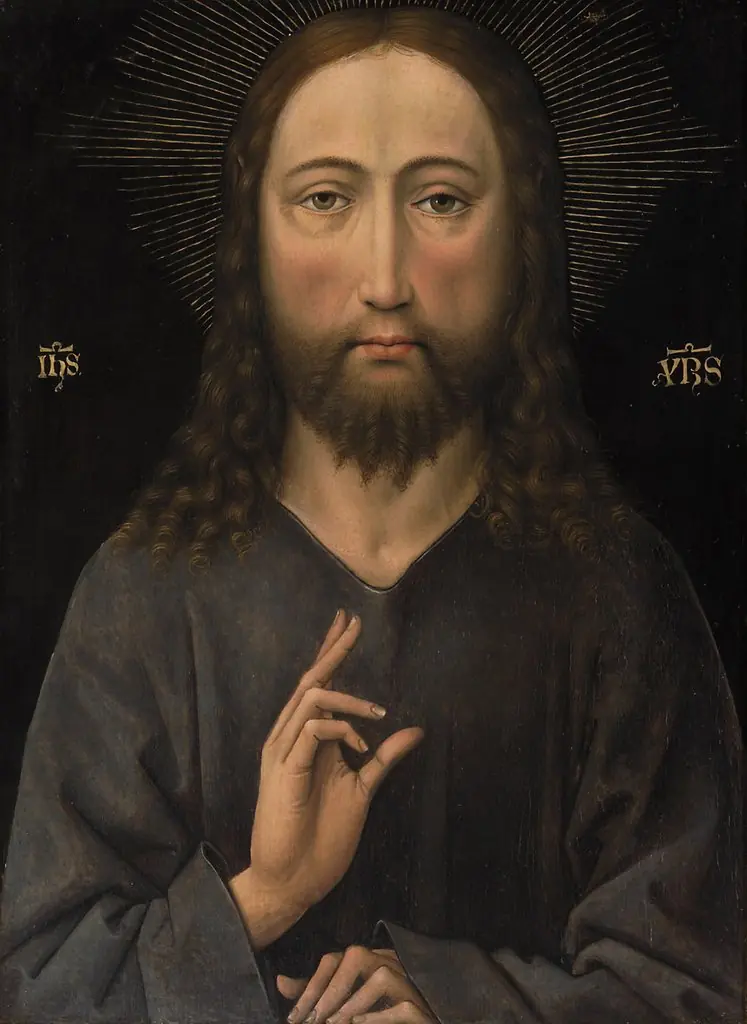 Blessing Christ
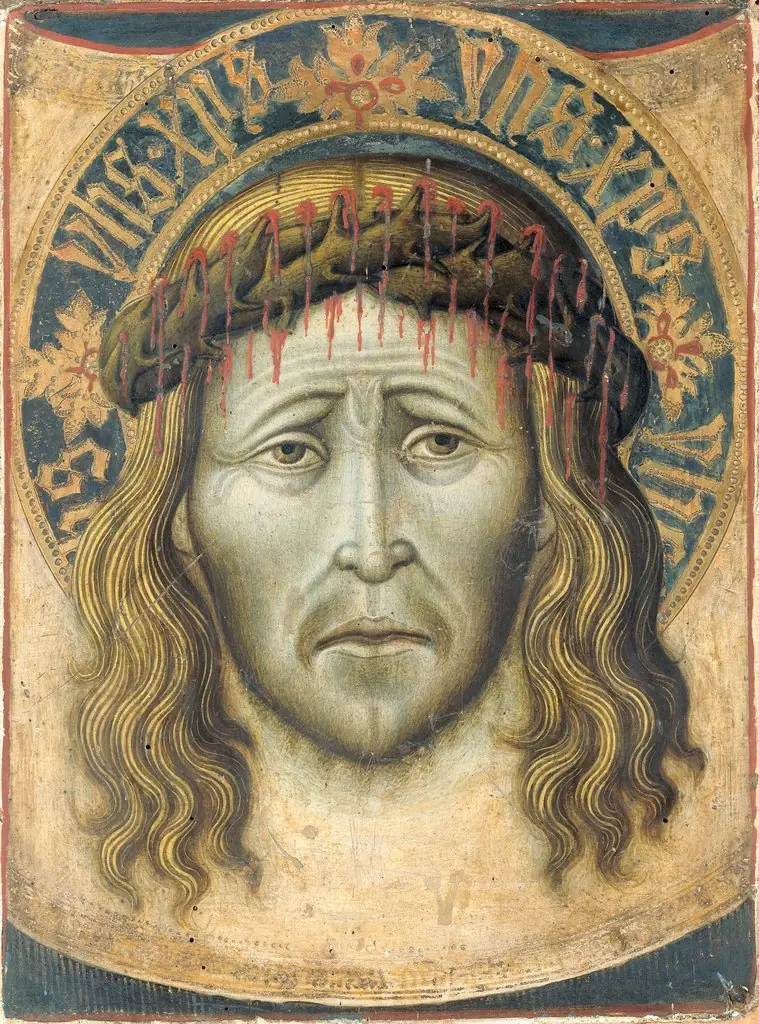 The Sudarium of Saint Veronica
 Ecce Homo