Artwork
Ecce Homo
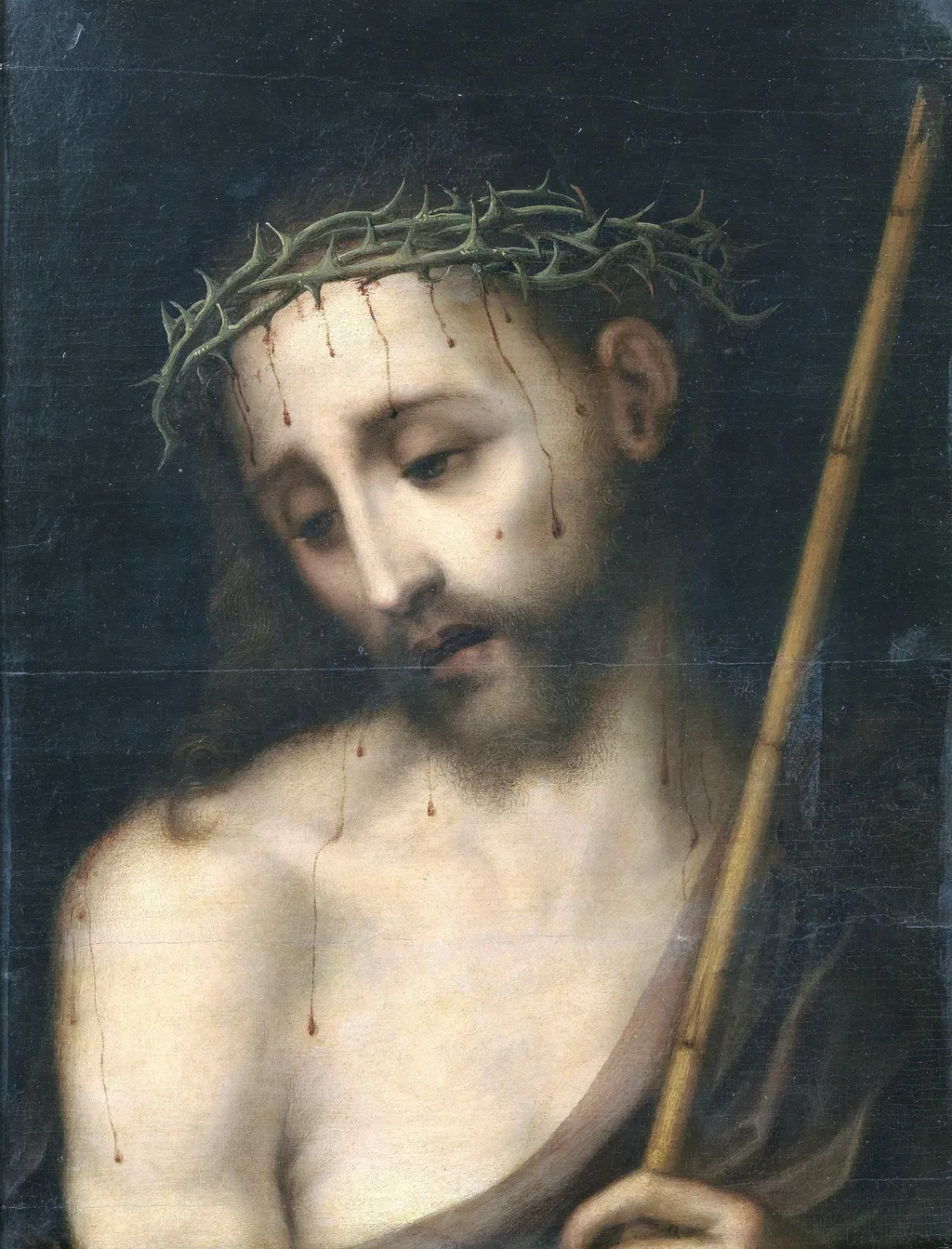
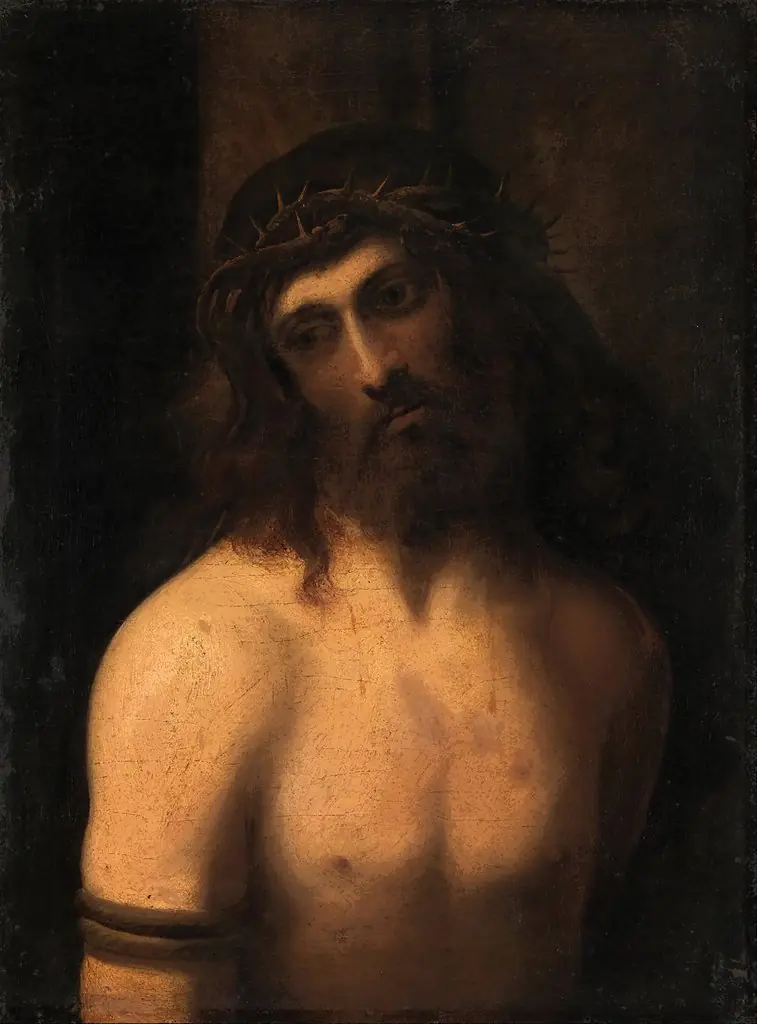
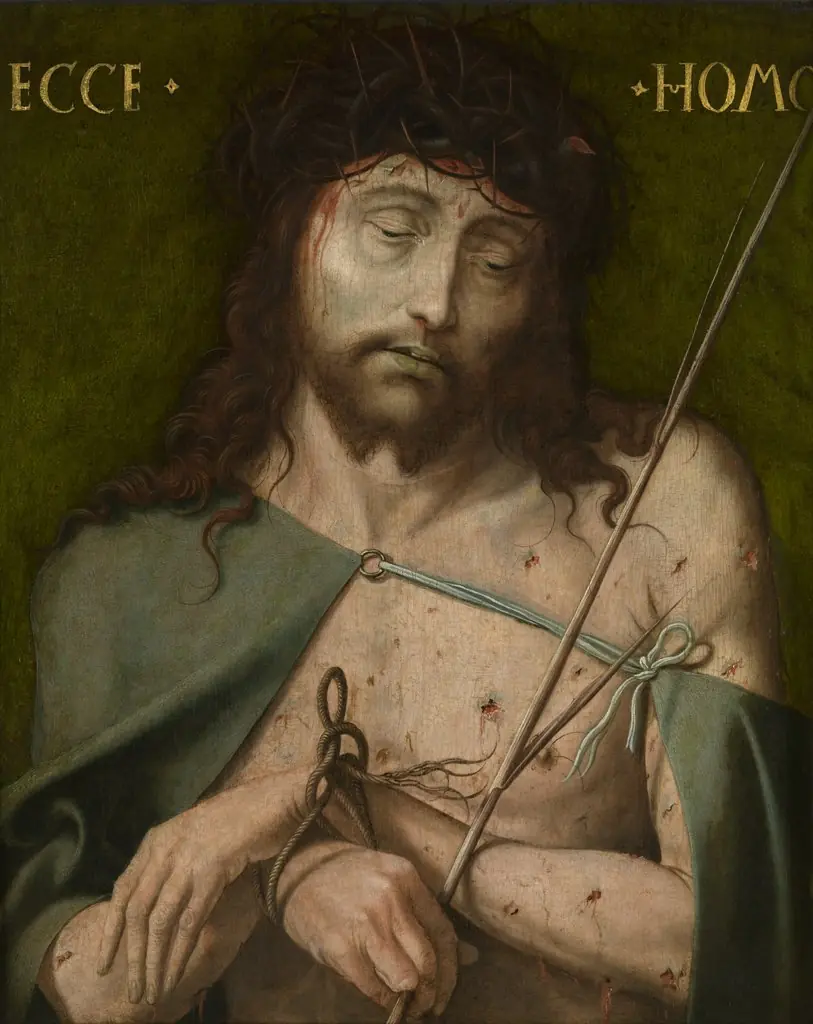
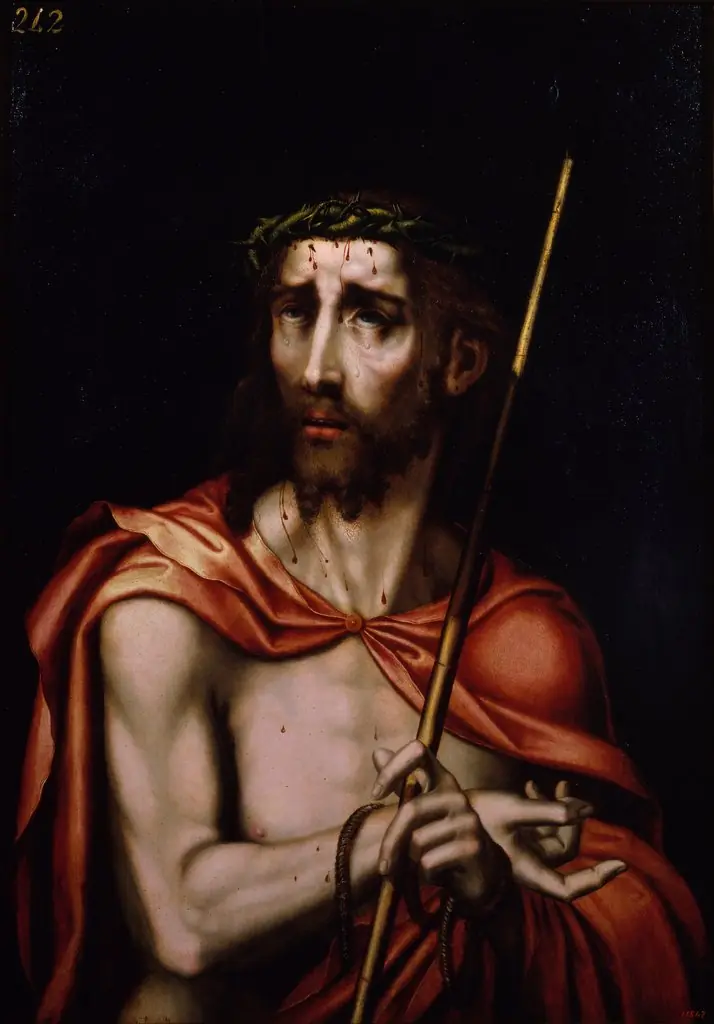
Ecce Homo is an oil painting by the Early Renaissance artist Luis de Morales. It dates from 1501 and is held in the collection of the Museo del Prado.
About this work
Overview
It belongs to the early Renaissance period, reflecting the artist’s engagement with contemporary Italian influences while retaining a distinct devotional tone.
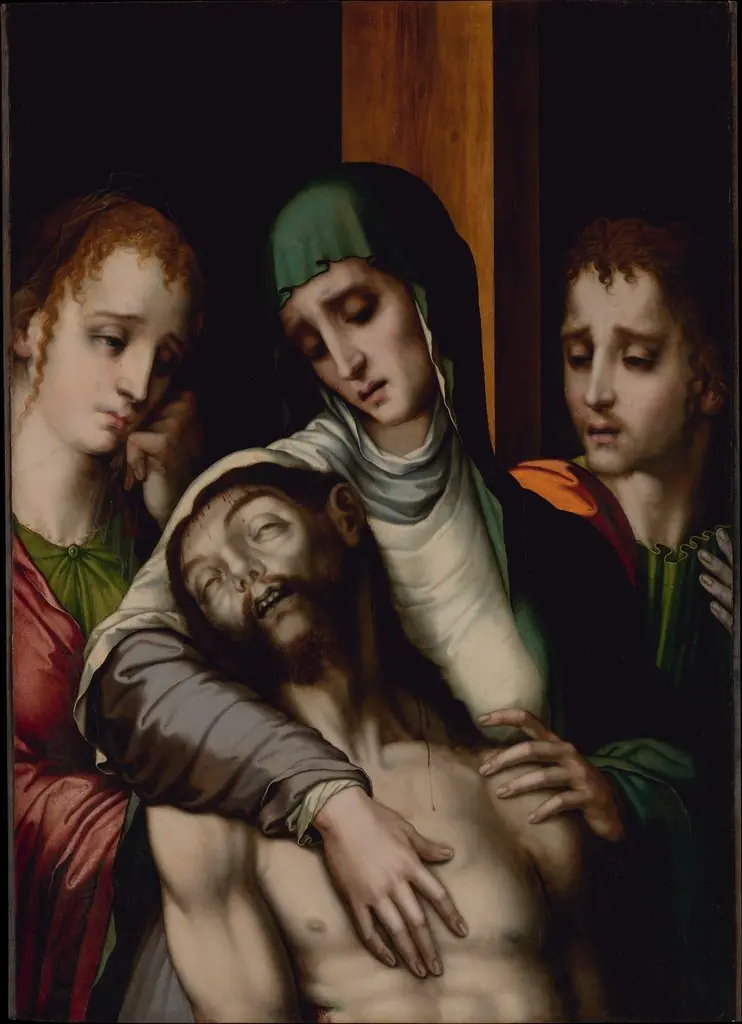
Luis de Morales, a Spanish painter of the early 1500s known by the nickname “El Divino,” executed the oil painting *Ecce Homo* in 1501. The work portrays the biblical figure of Christ during his Passion and is presently housed in the Museo del Prado. It belongs to the early Renaissance period, reflecting the artist’s engagement with contemporary Italian influences while retaining a distinct devotional tone.
Subject & Meaning
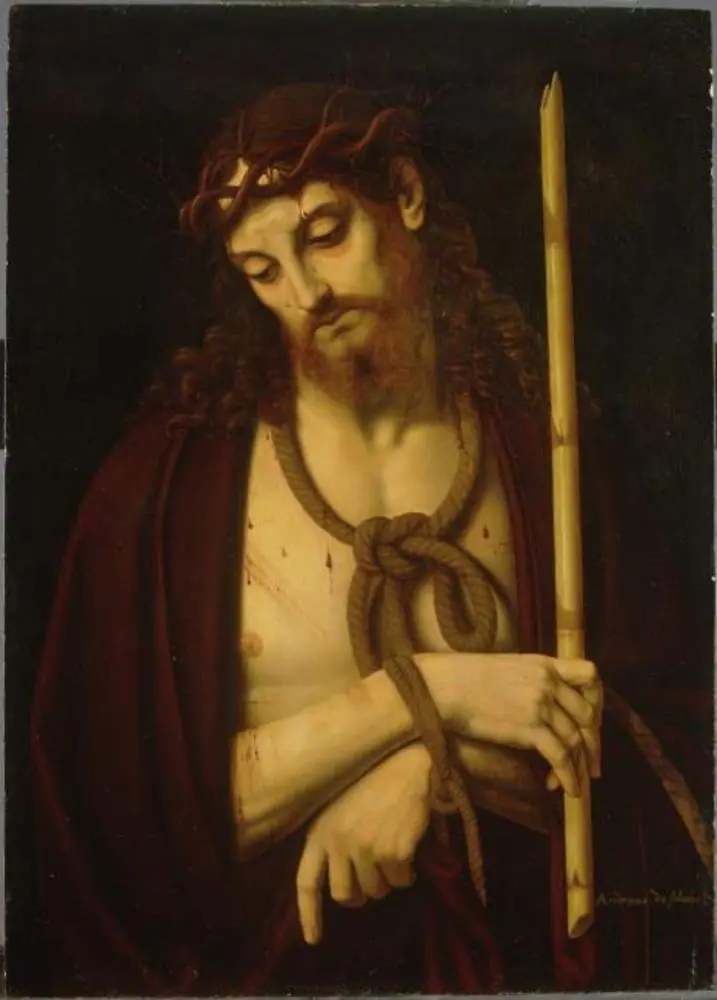
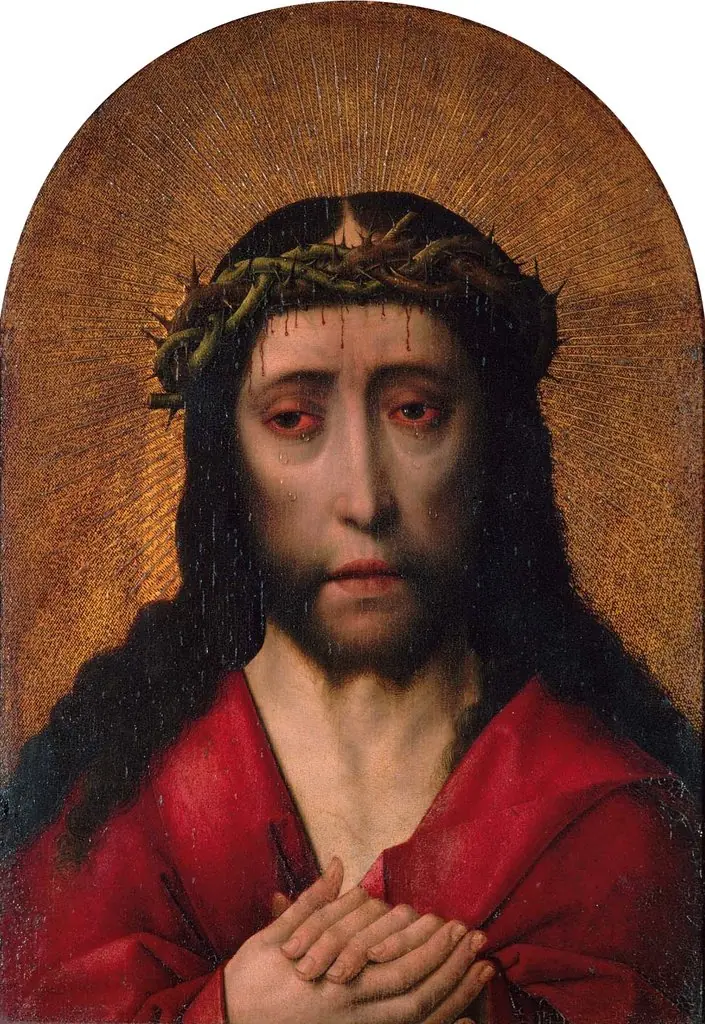
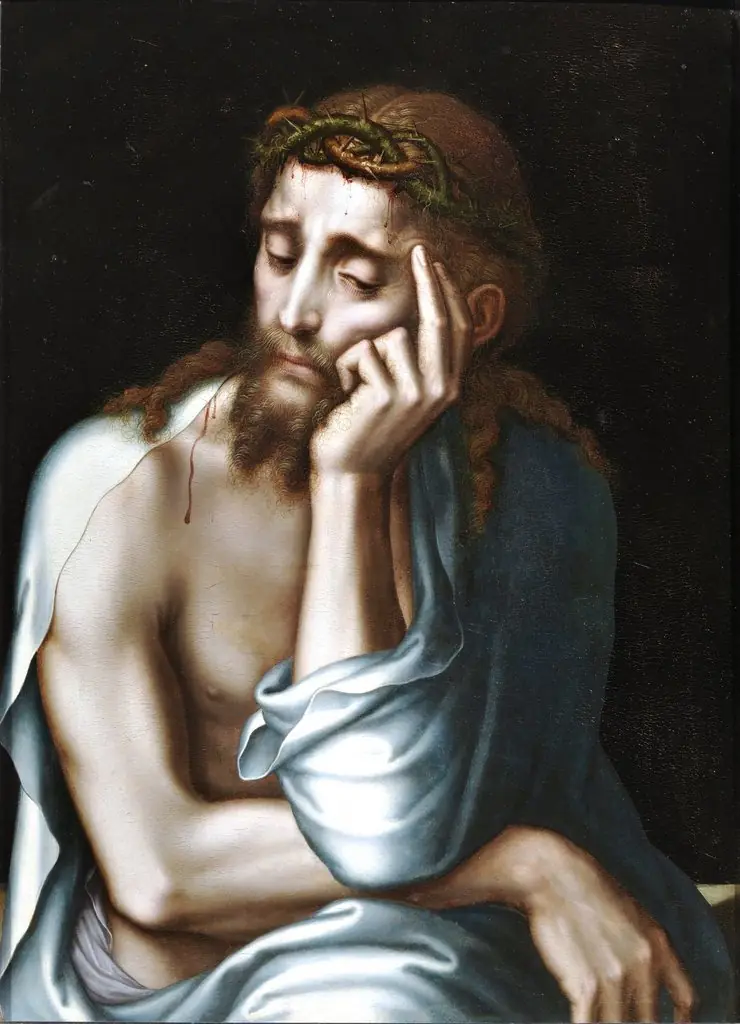
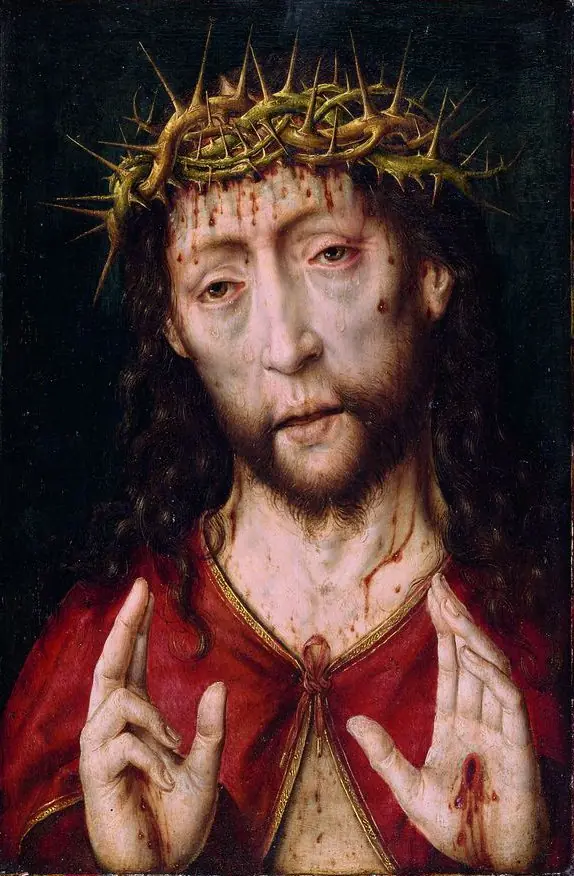
The composition centers on a solitary figure of Jesus crowned with thorns, the sharp spikes leaving vivid red streaks across his forehead. His gaze is lowered, his expression solemn, and a wooden staff is grasped in one hand. Blood flows from the crown onto his bare chest, emphasizing the physical suffering and spiritual resignation associated with the moment when Pontius Pilate presented him to the crowd.
Technique & Style
Morales renders the thorns with meticulous texture, allowing the play of light to highlight the contours of the flesh. A stark chiaroscuro—dark background against a illuminated body—creates a dramatic contrast that isolates the saintly figure. The oil medium enables subtle gradations of tone, enhancing the realism of skin and fabric while conveying a contemplative atmosphere.
History & Provenance
Created in 1501, the painting entered the royal collections of Spain before being transferred to the national museum in Madrid, where it remains part of the Prado’s permanent holdings. Its attribution to Morales has been consistently affirmed by scholars, who note the work’s alignment with his known oeuvre and its documentation in early inventories.
Context
Morales’s approach reflects the impact of Italian masters such as Raphael and the Lombard circle of Leonardo da Vinci, whose compositional balance and anatomical precision informed his practice. At the same time, his Spanish background infused the piece with a heightened sense of piety, a quality that earned him contemporary acclaim for the realism and spirituality of his religious subjects.
Own this work as a print
Artist & collection
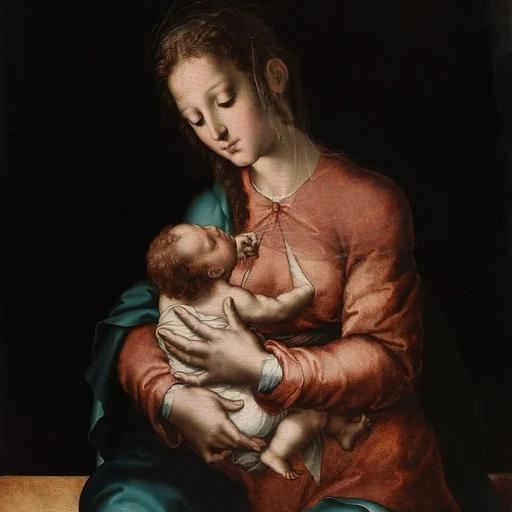
Artist
Luis de Morales (1509 – 9 May 1586) was a Spanish painter active during the Spanish Renaissance in the 16th century.