Artwork
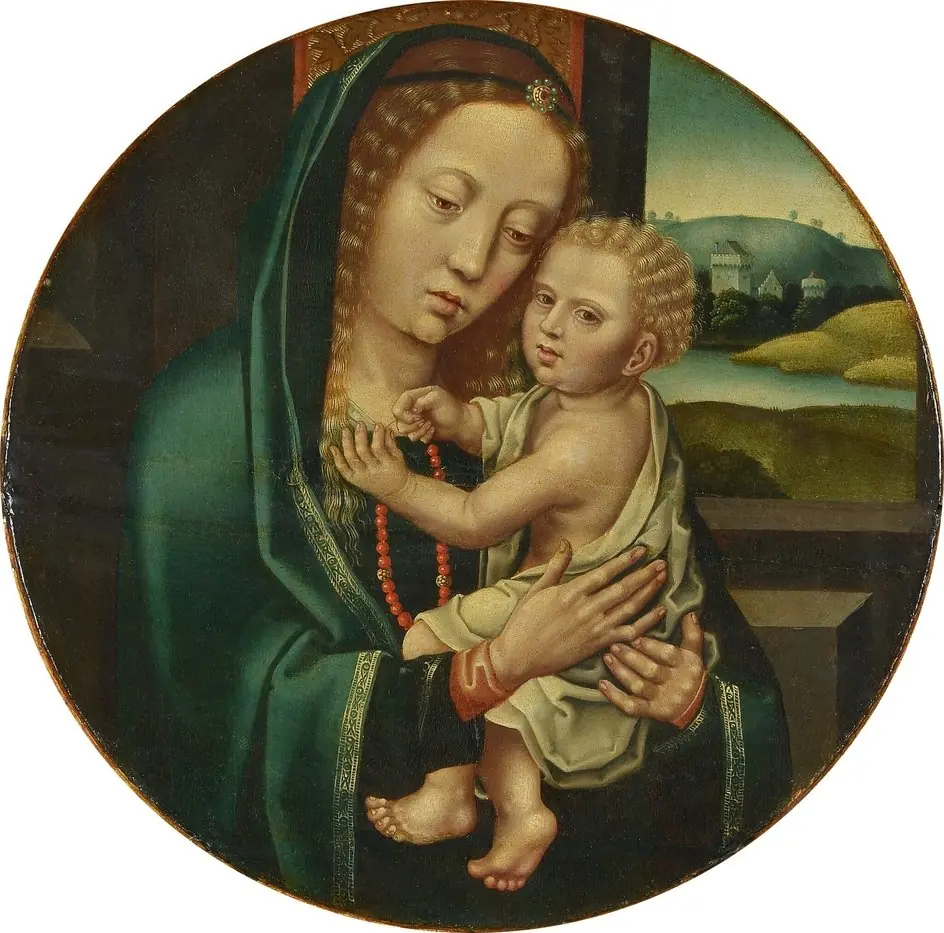
Virgin and Child
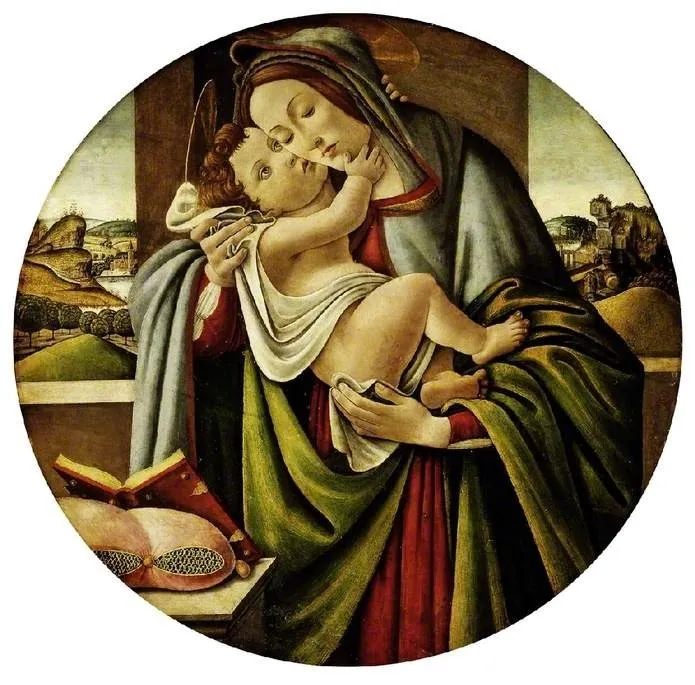
Virgin and Child is an oil painting by Sandro Botticelli. It dates from 1487 and is held in the collection of the Fitzwilliam Museum.
About this work
Overview
Created around 1487, this oil painting by Sandro Botticelli portrays the Virgin Mary holding the infant Jesus. The work is part of the collection of the Fitzwilliam Museum in Cambridge and exemplifies the artist’s late‑career religious output, focusing on intimate, devotional subjects rather than grand narrative scenes.
Subject & Meaning
The composition presents Mary in a modest blue robe with a green under‑garment, her head modestly covered, while the child leans toward her face, emphasizing tenderness and maternal connection. The inclusion of an open book and red slippers on the floor hints at themes of learning and humility within the Christian tradition.
Technique & Style
Executed in oil on panel, the painting employs a bright, flattened palette that avoids the deep chiaroscuro typical of later Renaissance works. Forms are rendered with clear outlines and limited modeling, giving the figures a serene, almost sculptural quality that reflects Botticelli’s linear emphasis.
History & Provenance
The work entered the Fitzwilliam Museum’s holdings in the early twentieth century, though its earlier ownership remains undocumented. Its attribution to Botticelli rests on stylistic analysis and comparison with other late‑period religious pieces by the Florentine master.
Context
During the 1480s Botticelli shifted from mythological subjects to more intimate devotional images, responding to the growing demand for private religious art in Florence. This painting aligns with that trend, offering a personal, contemplative view of the Virgin and Child suitable for private contemplation rather than public altar display.
Artist & collection

Artist
Sandro Botticelli was a Florentine painter who loved the drama of stories—myths, saints, and ancient tales.

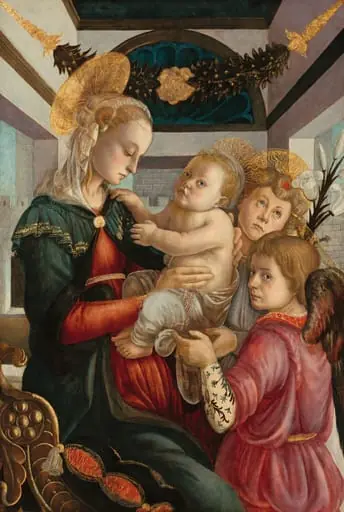
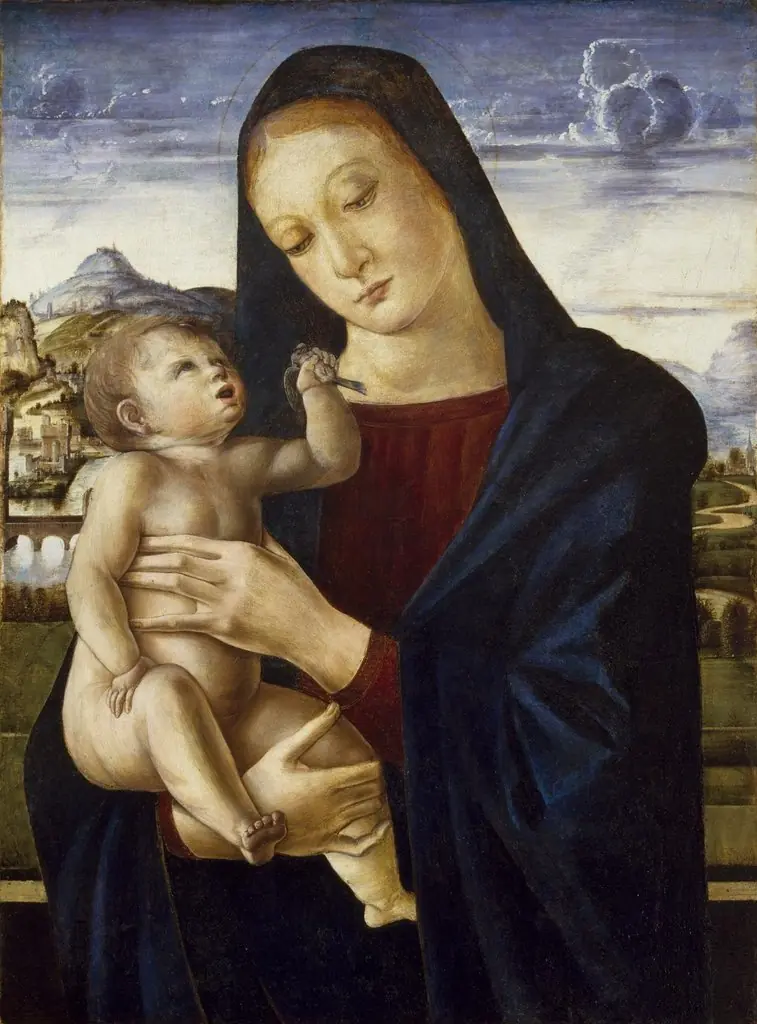 Virgin and Child
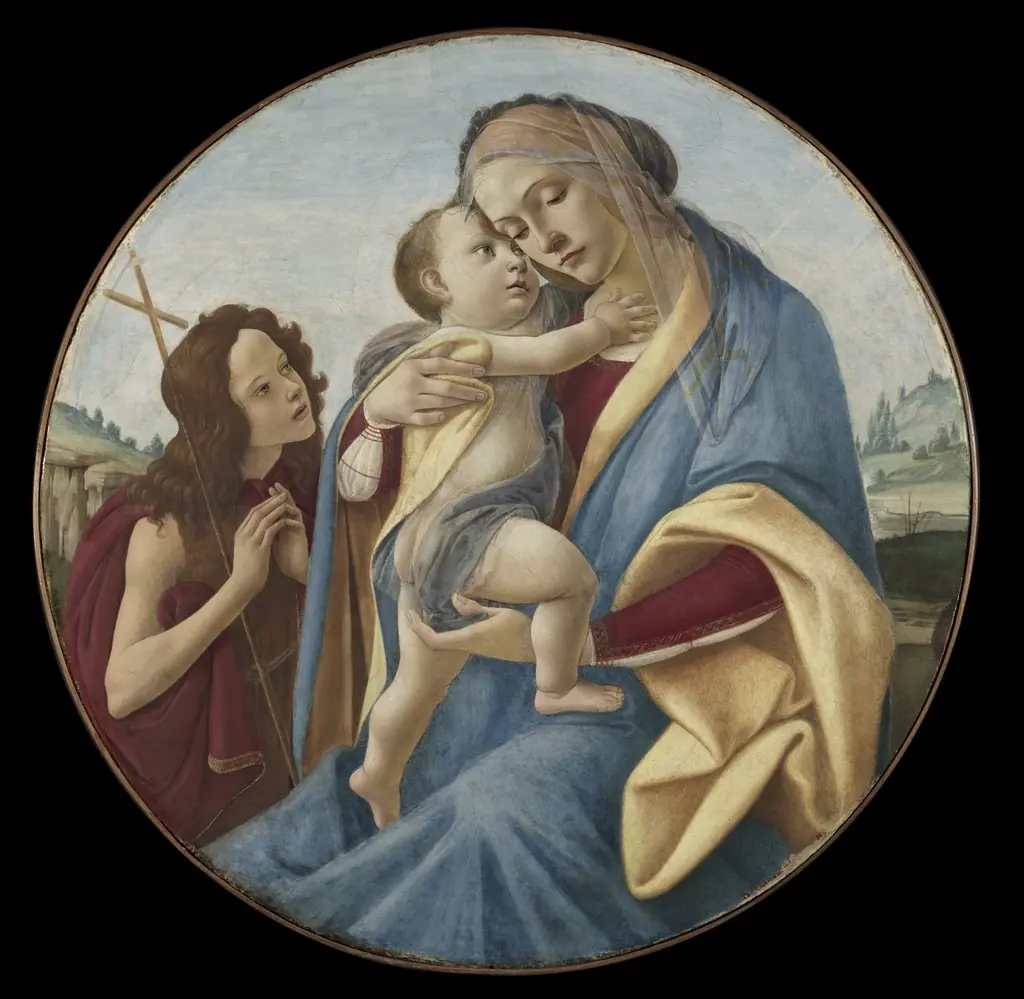
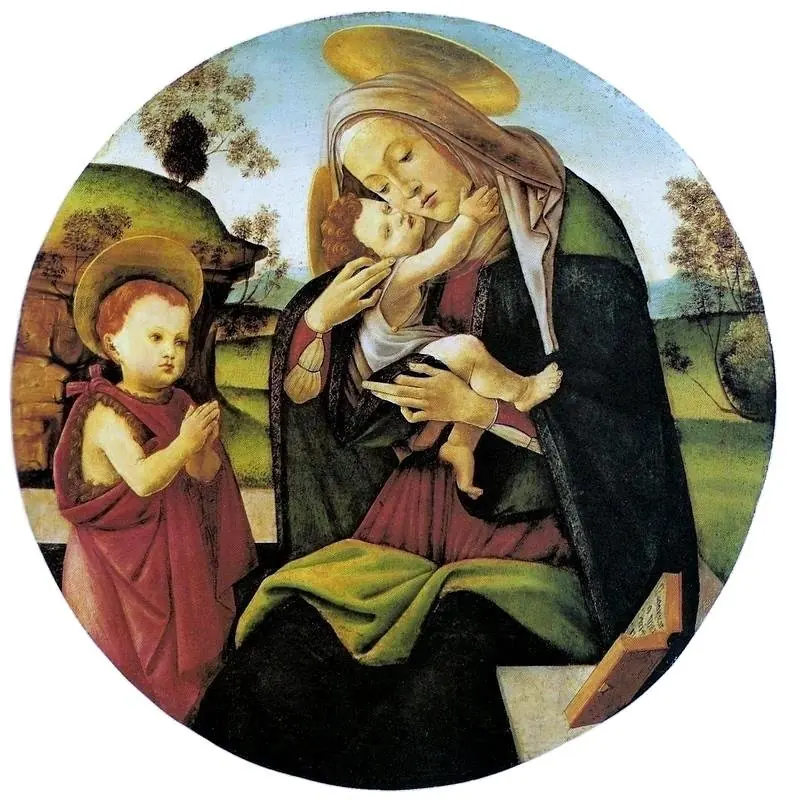 Virgin and Child with the Infant John the Baptist
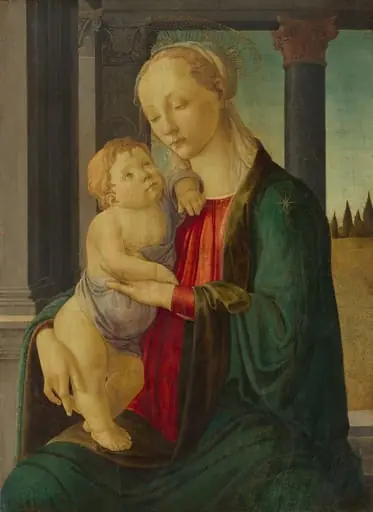
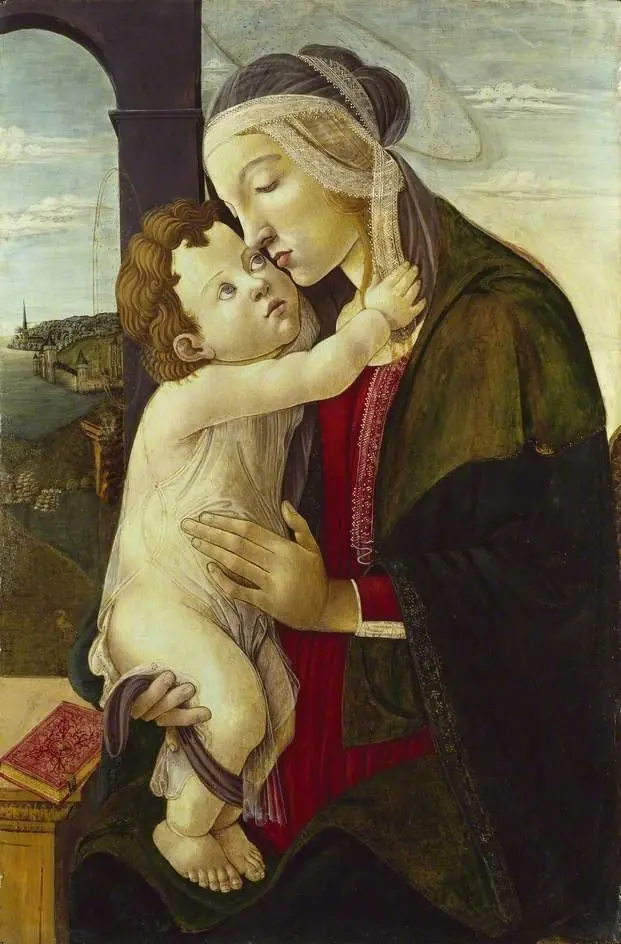 The Virgin and Child
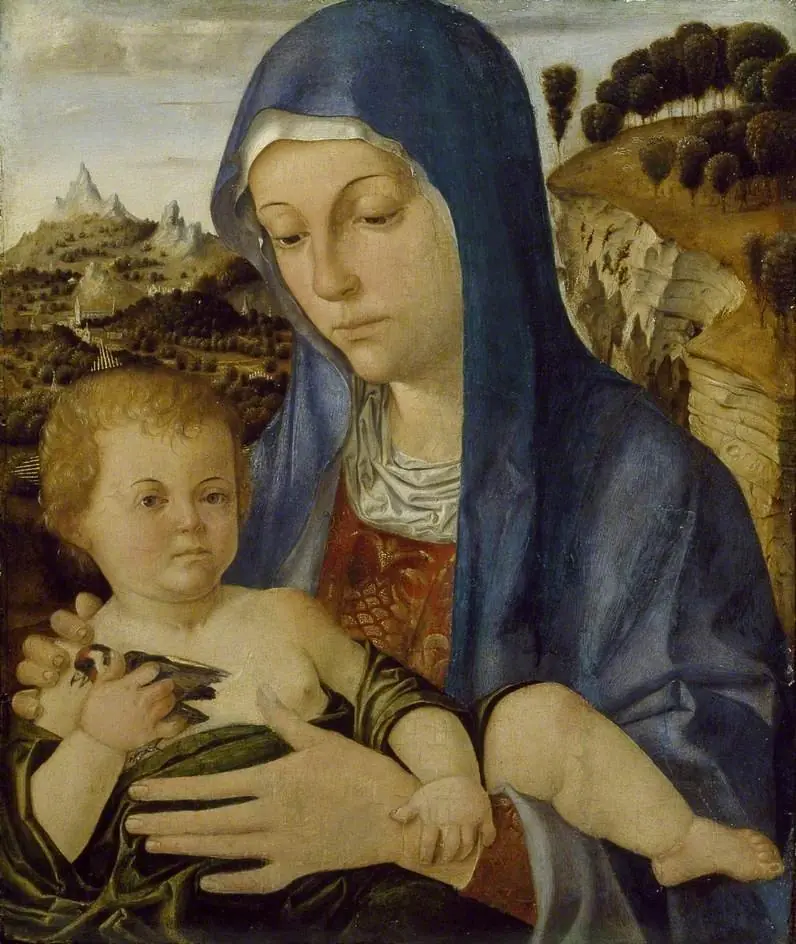 The Virgin and Child
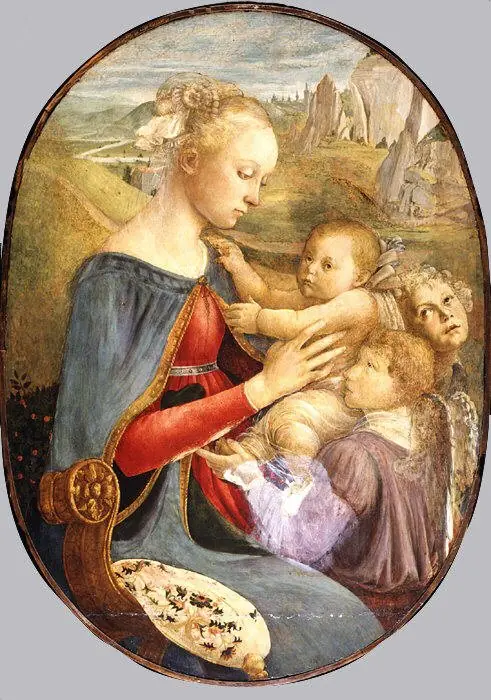
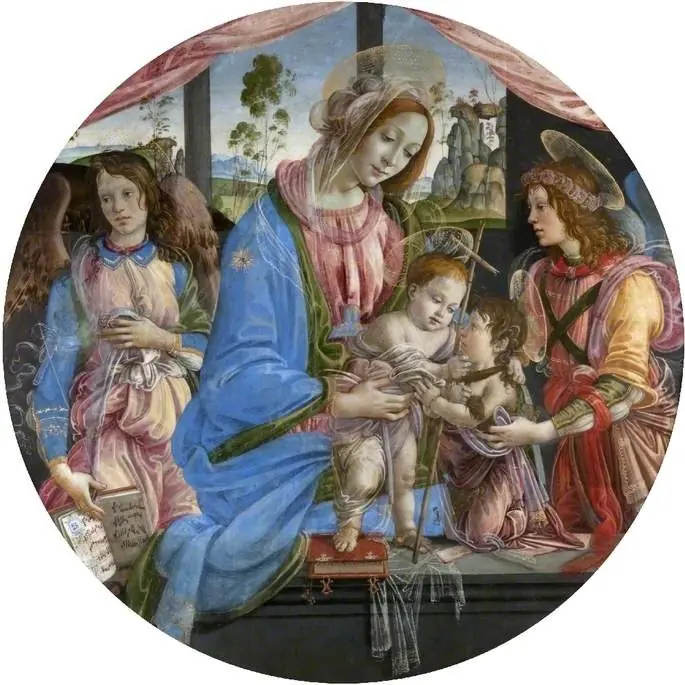 Virgin and Child with the Child Baptist and Two Angels
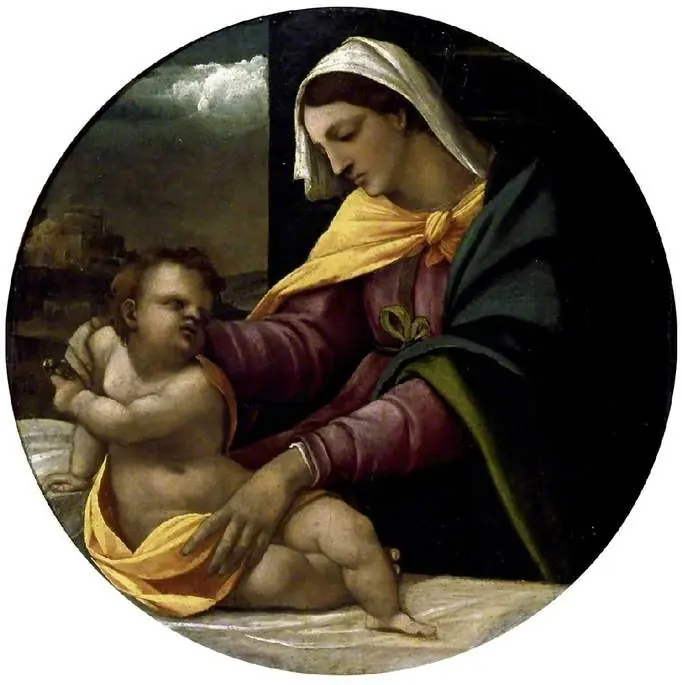 Madonna and Child
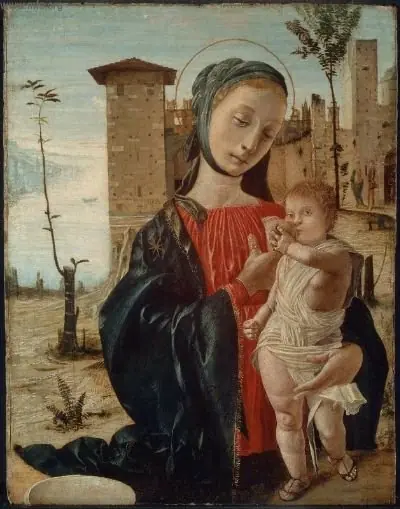 Madonna lactans
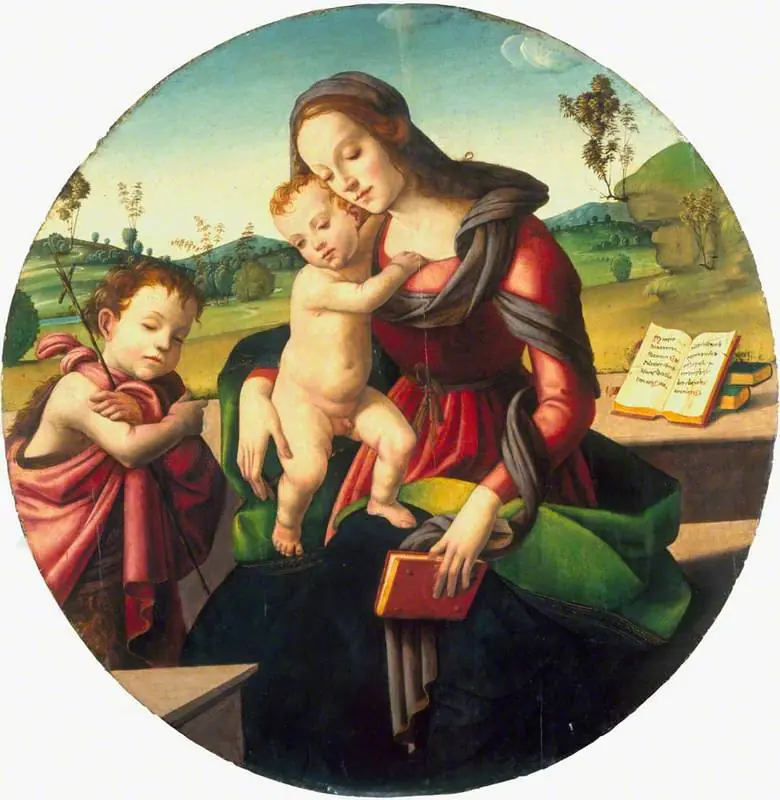 The Virgin and Child with the Infant Saint John the Baptist
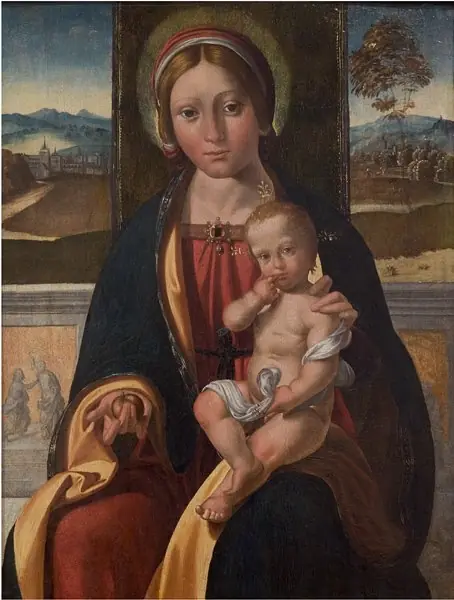 The Virgin and Child
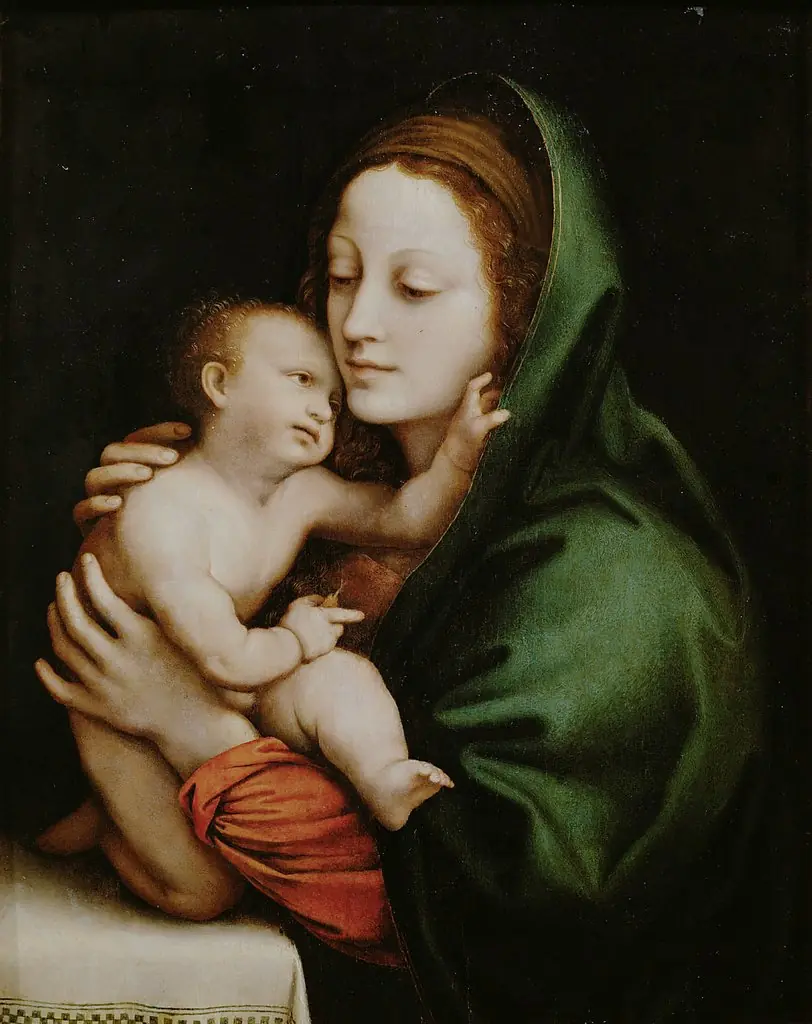 Maria mit Kind
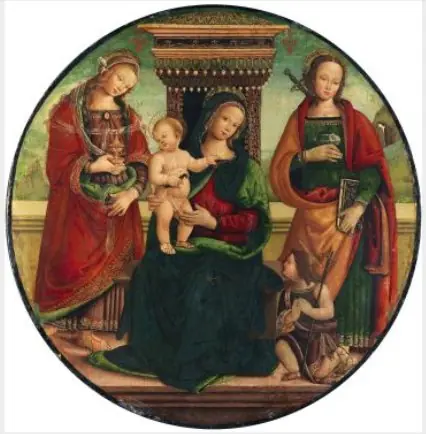 The Virgin and Child with Saints
 The Virgin and Child