Artwork
Virgin and Child with the Child Baptist and Two Angels
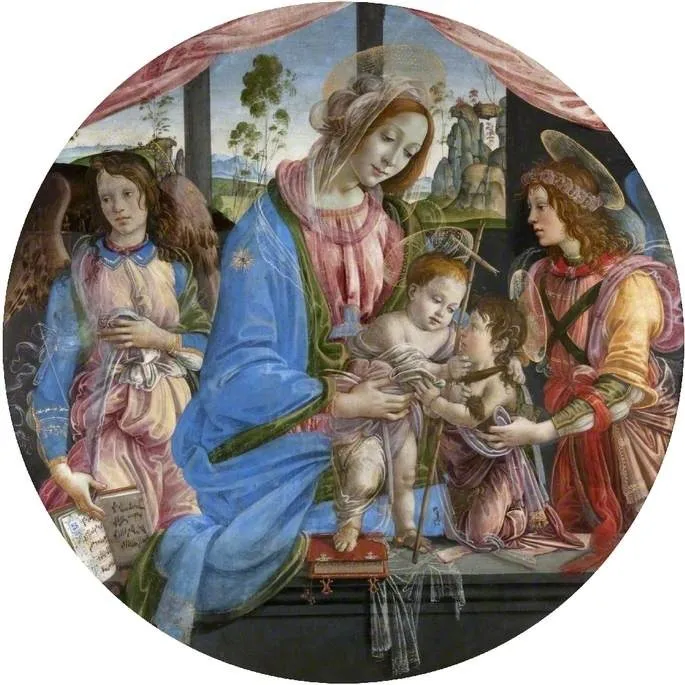
Virgin and Child with the Child Baptist and Two Angels is a tempera painting by the Early Renaissance artist Raffaellino del Garbo. It is held in the collection of the Kelvingrove Art Gallery and Museum.
About this work
Overview
Raffaellino del Garbo’s tempera panel, dated 1497, presents a devotional grouping centered on the Virgin and Child. The work is part of the collection at Glasgow’s Kelvingrove Art Gallery and Museum, where it is displayed among other Renaissance pieces. Its modest dimensions and intimate composition reflect the private devotional function typical of late‑fourteenth‑century Italian painting.
Subject & Meaning
At the heart of the scene the Virgin Mary cradles the infant Jesus, both rendered with gentle gestures that convey tenderness.
At the heart of the scene the Virgin Mary cradles the infant Jesus, both rendered with gentle gestures that convey tenderness. To her right, a youthful John the Baptist stands, foreshadowing his future role as the Christ’s forerunner, while an angel on the left holds an open book, a conventional symbol of divine revelation. The arrangement underscores the theological link between the two children and the heavenly messenger.
Technique & Style
Executed in egg tempera, the painting achieves a luminous surface through layered, semi‑transparent washes that give the figures a soft, warm glow. Del Garbo’s palette balances cool blues and greens of Mary’s robe with the warmer flesh tones of the children, creating a harmonious chromatic scheme. Fine brushwork delineates delicate details—such as the folds of fabric and foliage in the distant landscape—while maintaining the overall smooth finish characteristic of the period.
History & Provenance
Created at the close of the fifteenth century, the panel entered the Kelvingrove collection in the early twentieth century through a private acquisition, though earlier ownership records are scarce. Its survival in tempera, a medium prone to cracking, indicates careful conservation. The work now serves as a representative example of Raffaellino del Garbo’s output and of Florentine devotional art of the late Quattrocento.
Artist & collection


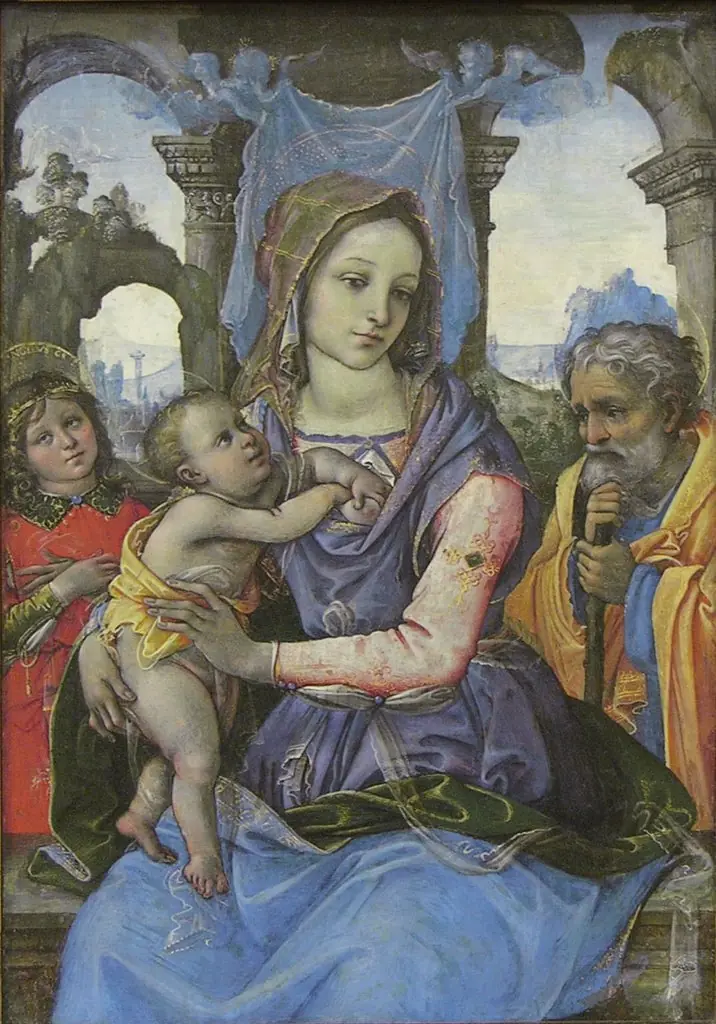 Madonna and Child with Saint Joseph and an Angel
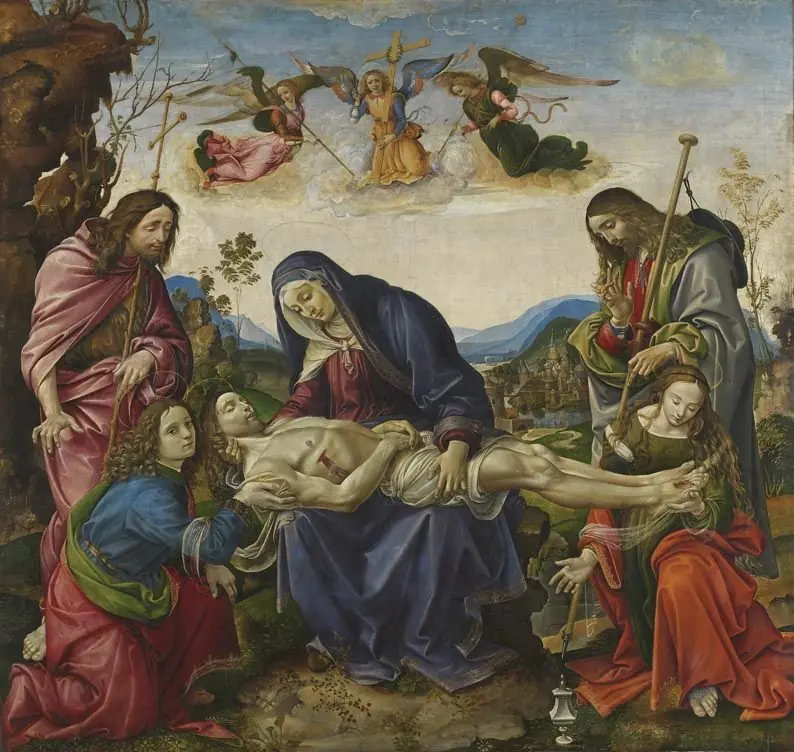 The mourning over the dead Christ
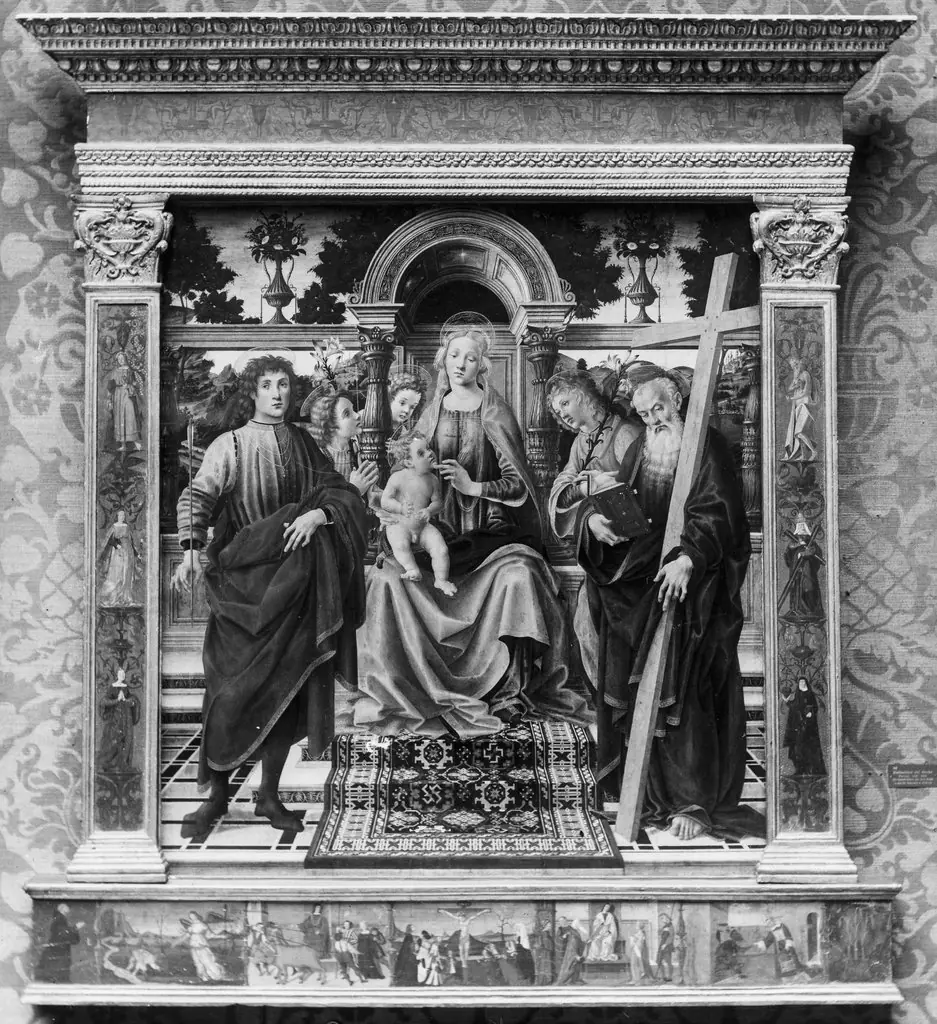 Mary enthroned with the child, two angels and two saints
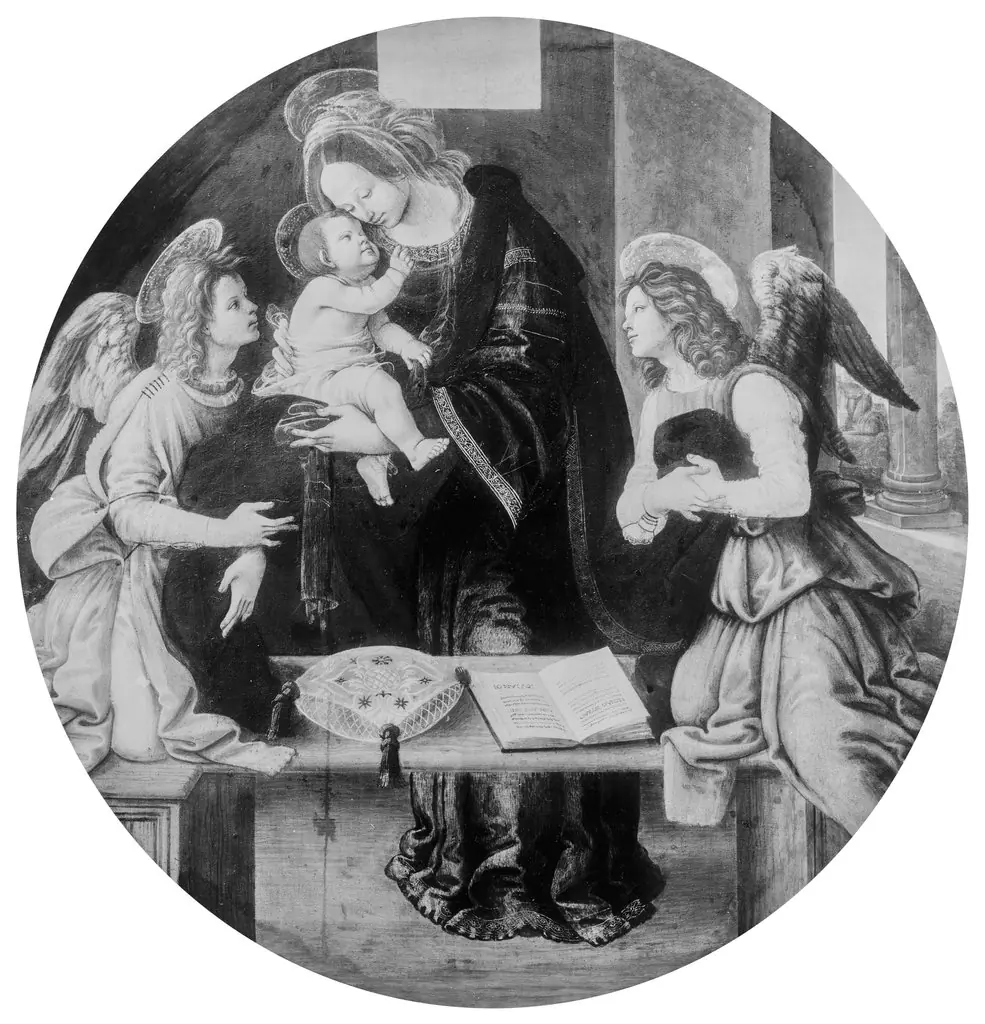 Mary with the child and two angels
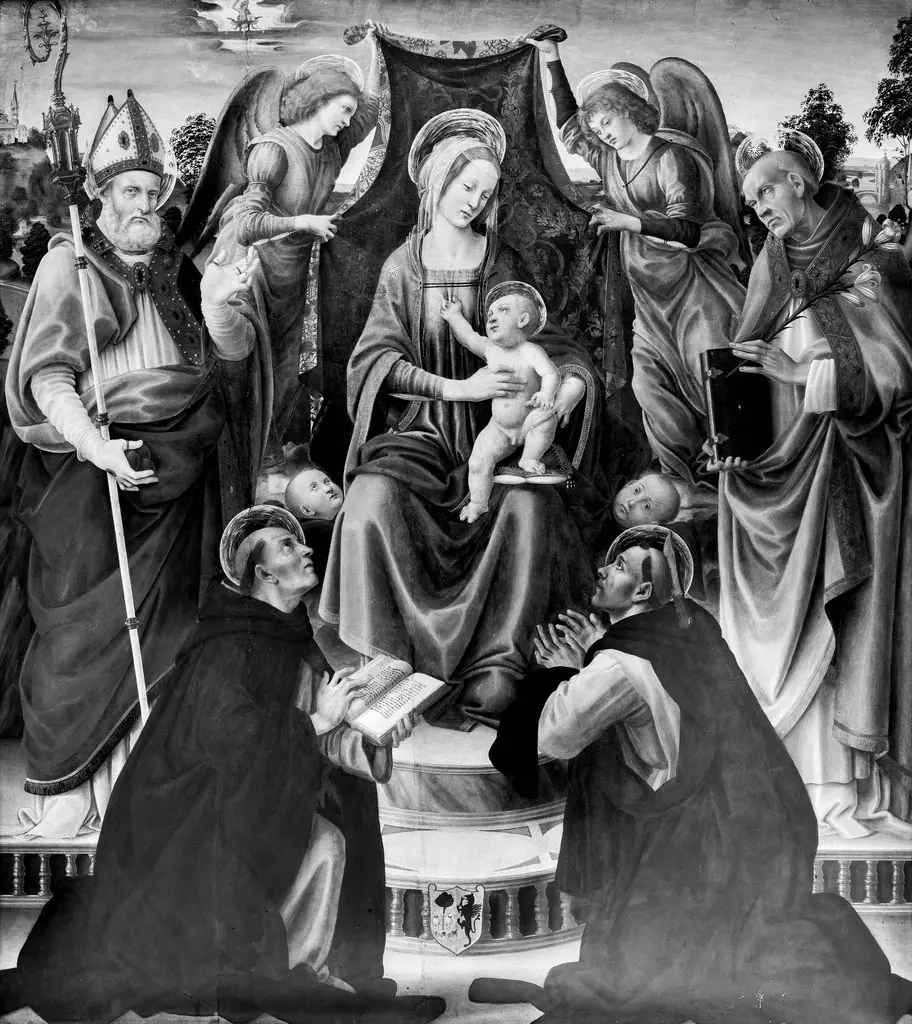 Mary enthroned with the child and four saints
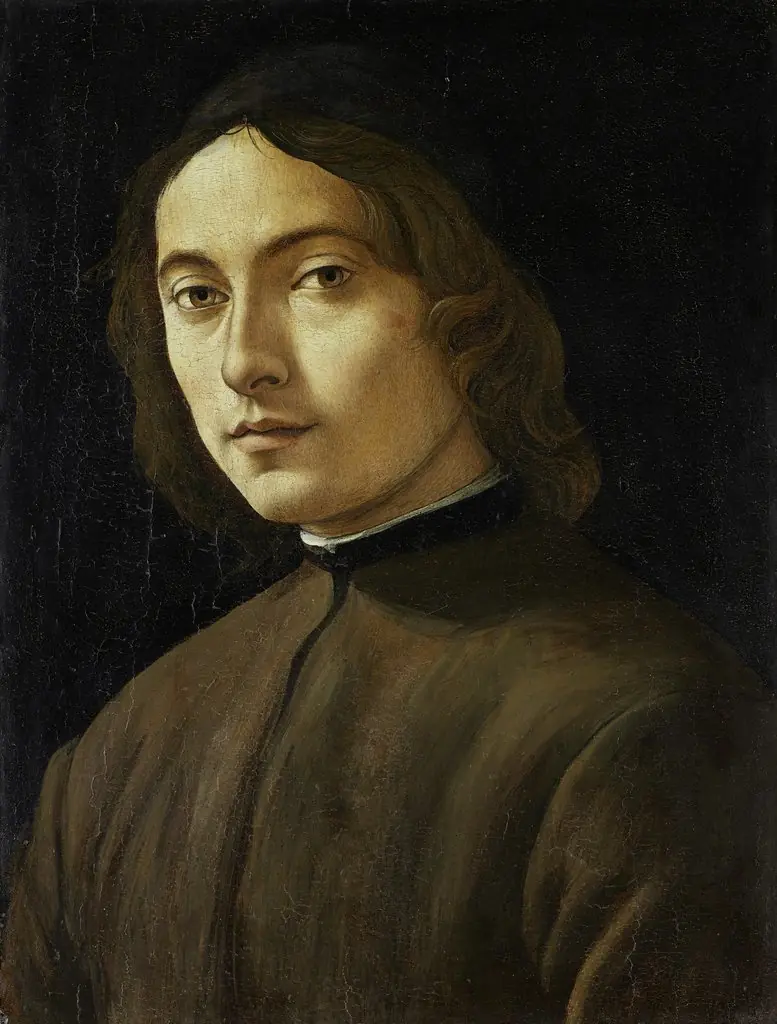 Portrait of a Young Man
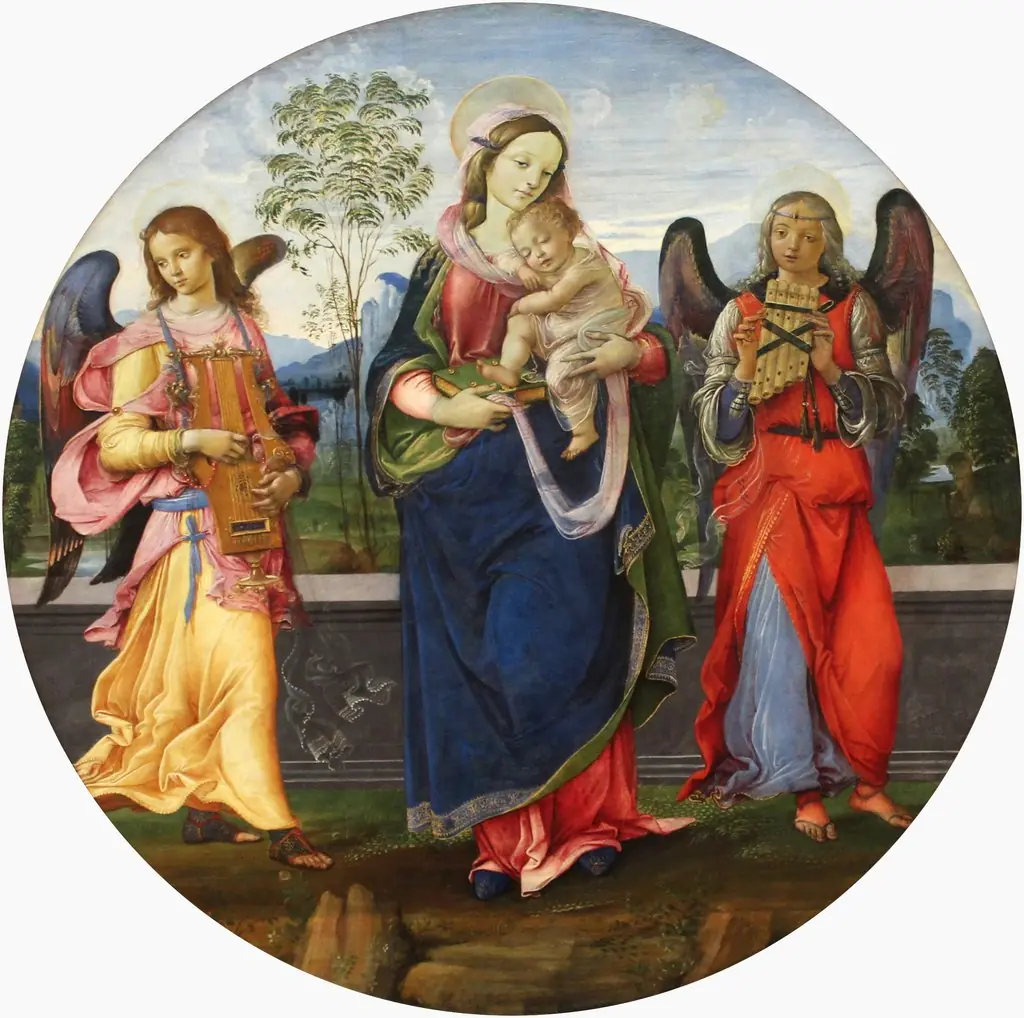 Madonna and Child with two angels playing music
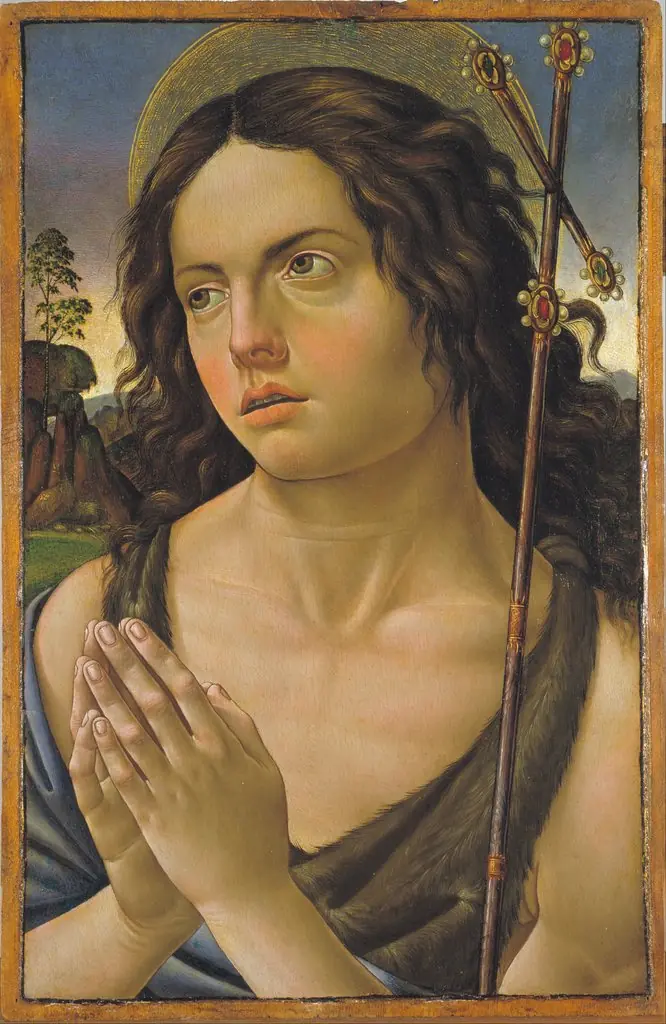 Saint John the Baptist
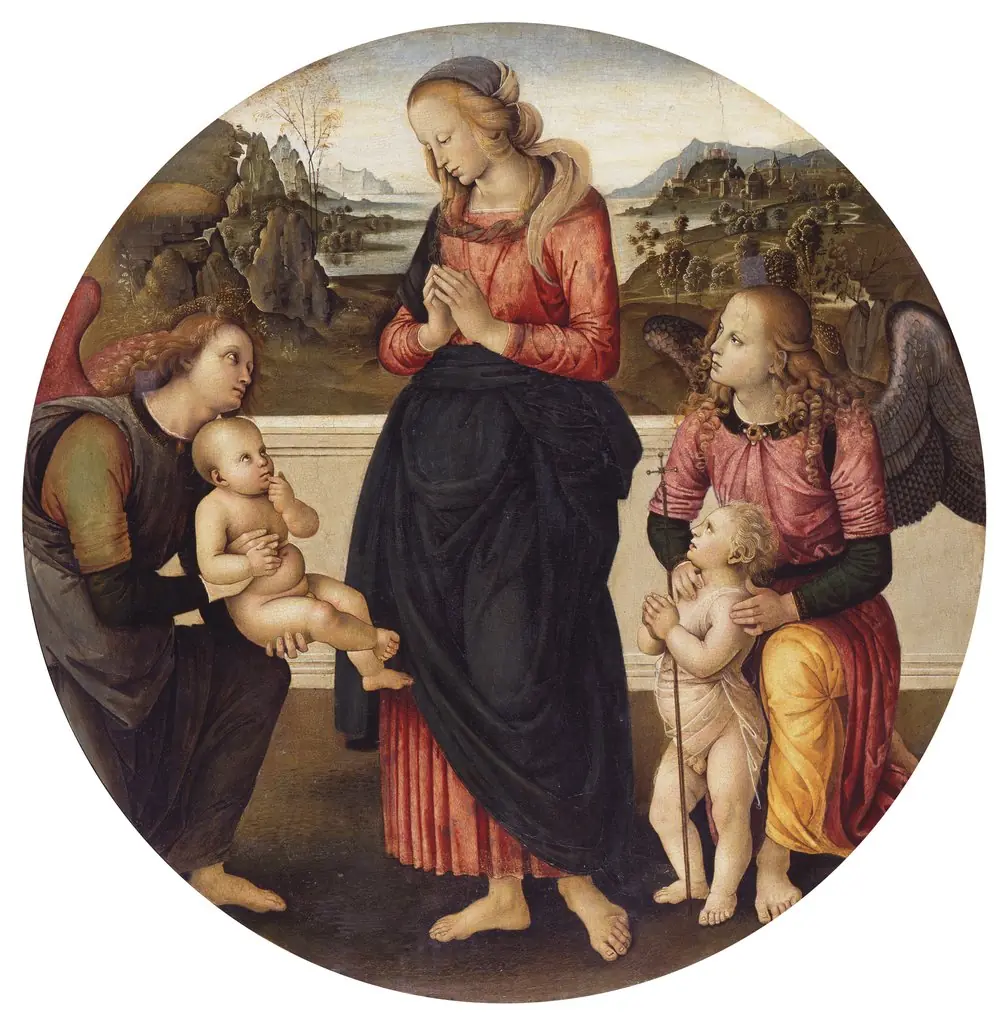 The Virgin Adoring the Child with John the Baptist as a Child and two Angels
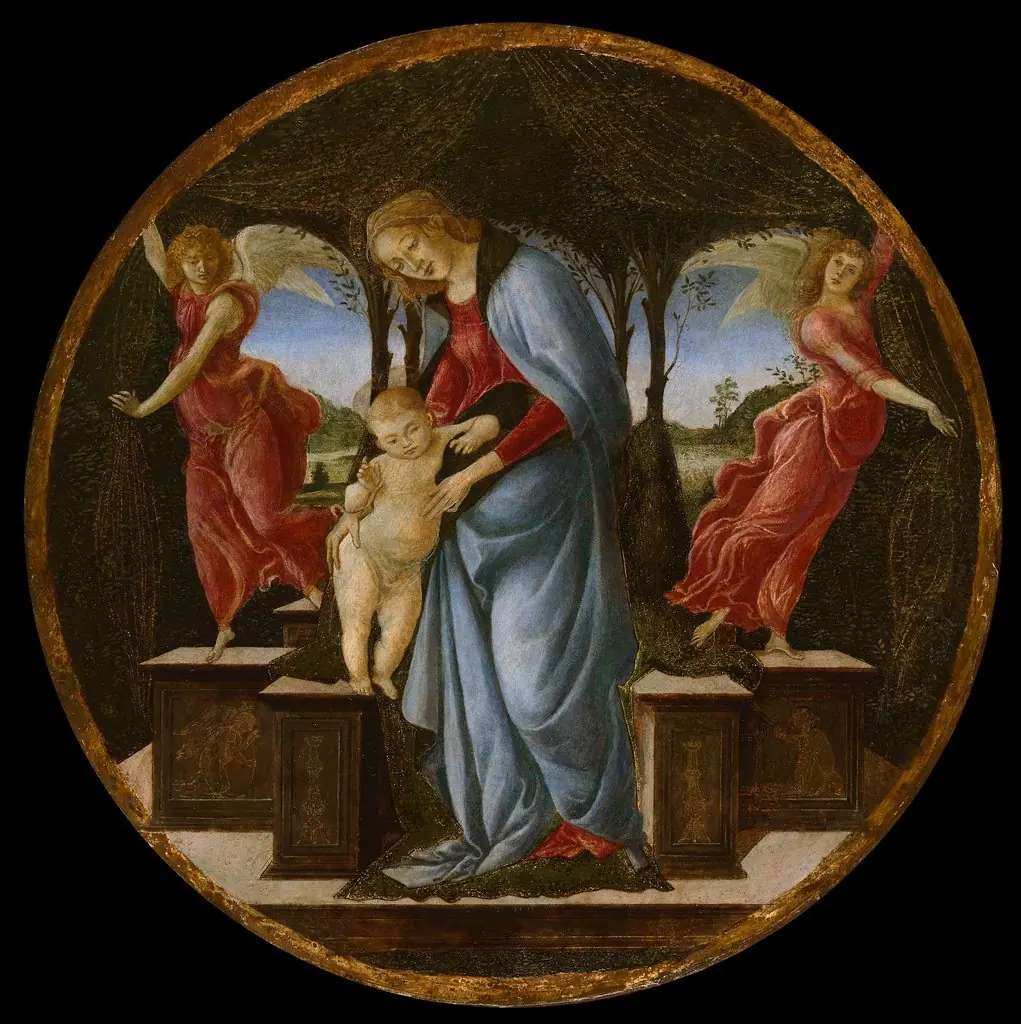 Virgin and Child with Two Angels
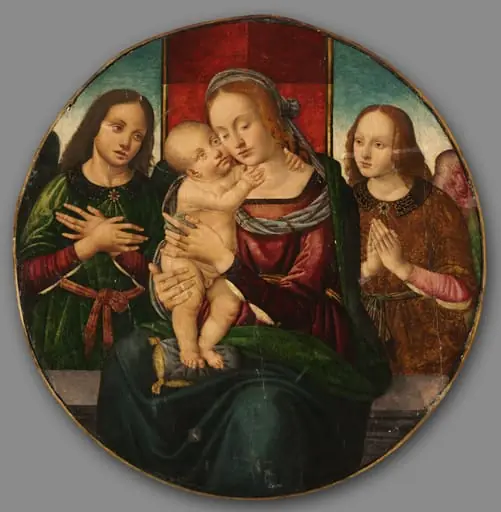 Virgin and Child with Angels
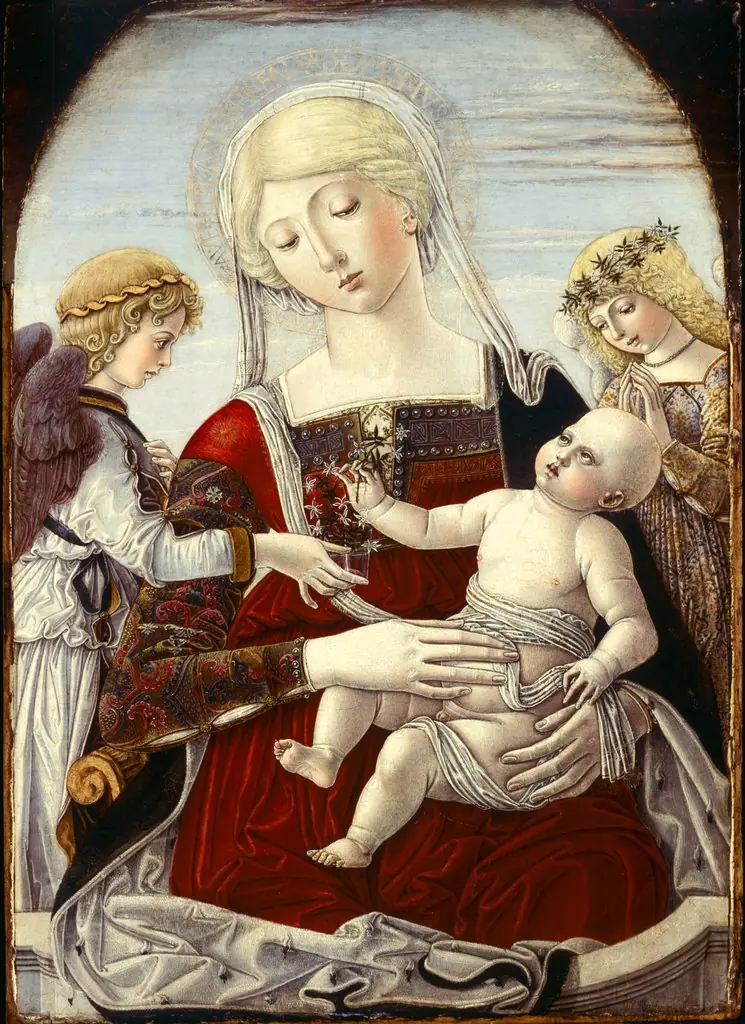 Virgin and Child with Angels
 The Virgin and Child with Saint John the Baptist and an Angel
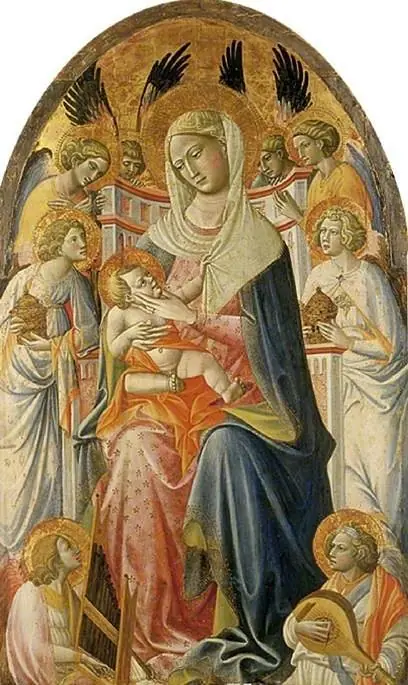 Virgin and Child with angels
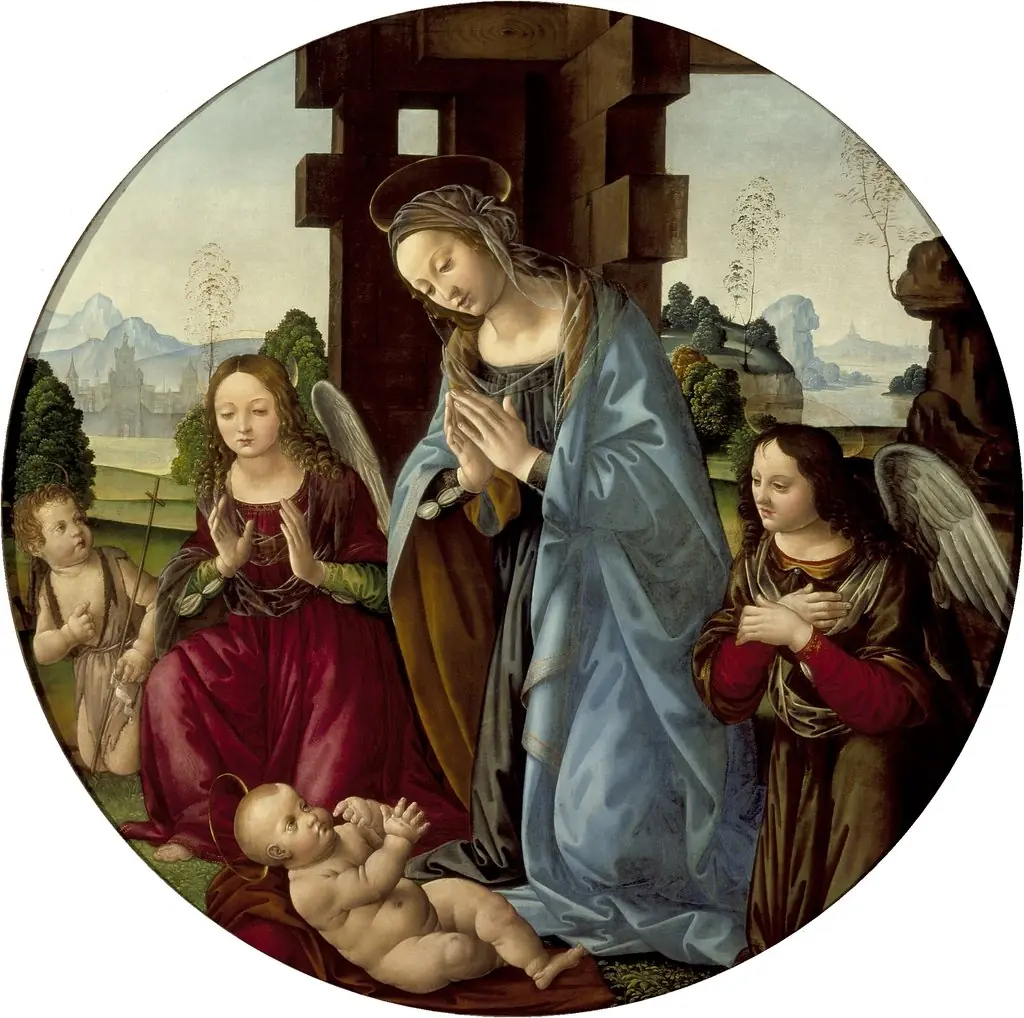 Virgin Adoring the Christ Child with St. John the Baptist and Two Angels