Artwork
H Beard Print Collection
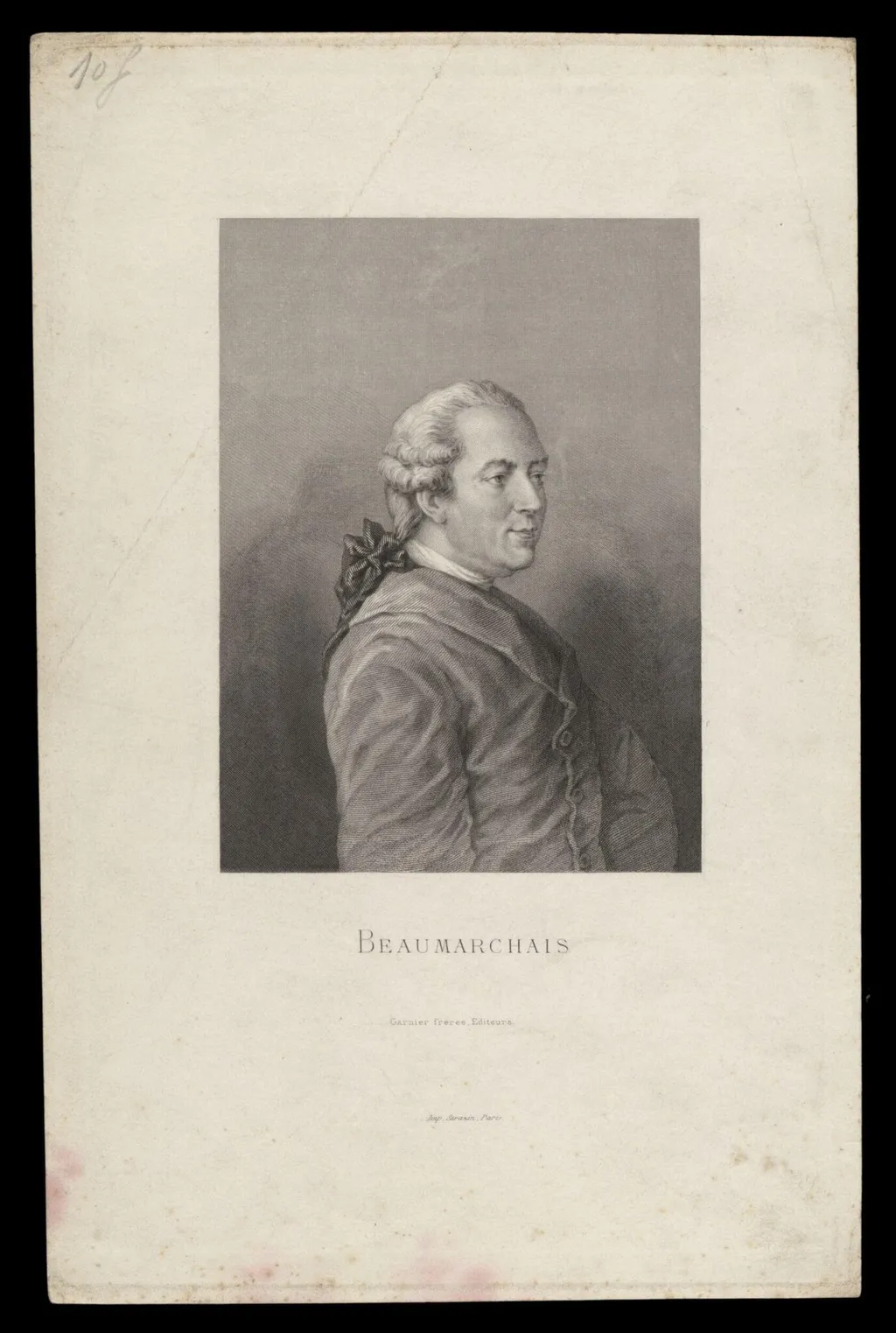
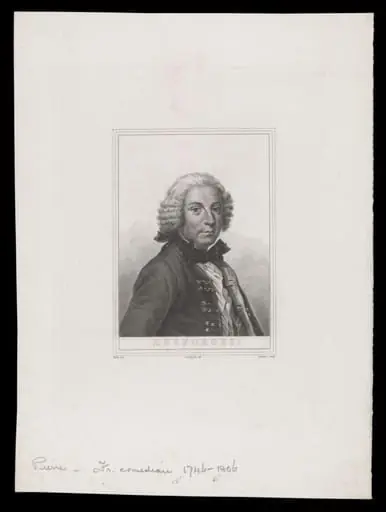
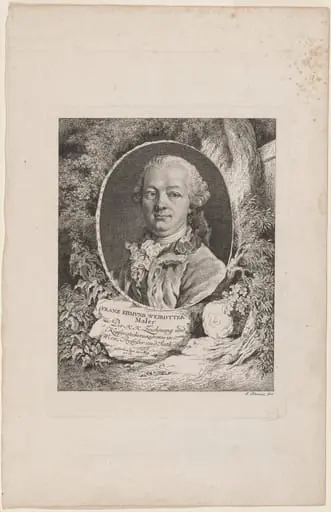
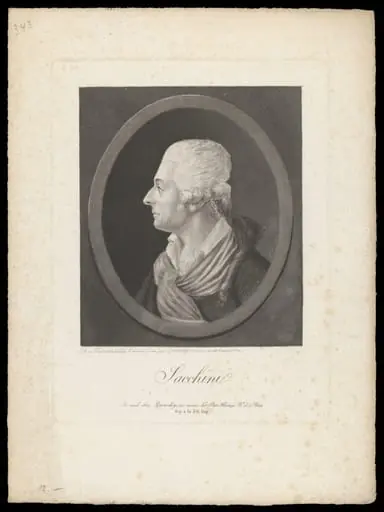
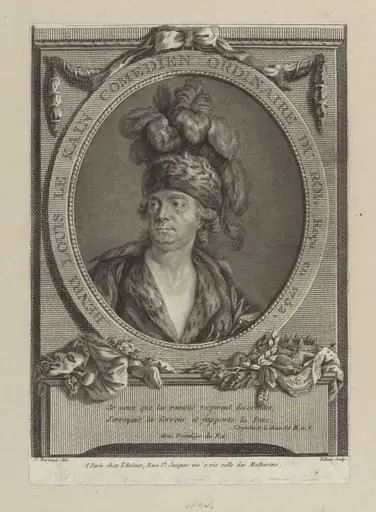
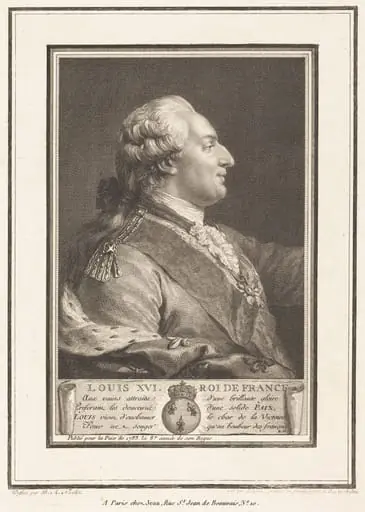
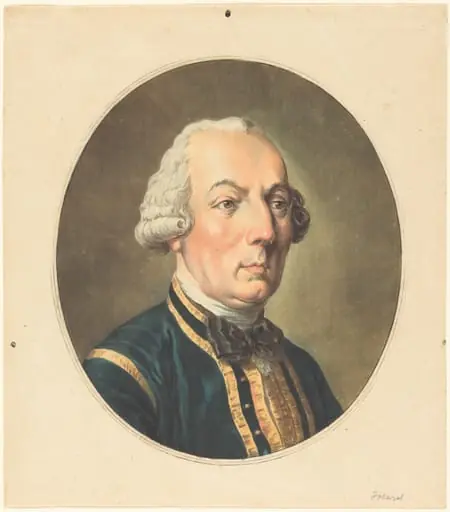
H Beard Print Collection is a print by Sarazin. It dates from 1850 and is held in the collection of the Victoria and Albert Museum. The work is a printed portrait depicting the French playwright and diplomat Pierre‑Augustin Caron de Beaumarchais.
About this work
This print is a portrait of Pierre-Augustin Caron de Beaumarchais.
It was printed in Paris by Sarazin, which suggests a connection to French culture. The fact that it's a print from the late 19th century implies it was made using techniques available at that time.
You can learn more about this type of printmaking by looking at the work of artist: Sarazin.
Overview
The work is a printed portrait depicting the French playwright and diplomat Pierre‑Augustin Caron de Beaumarchais. Executed in the medium of print, the image presents the sitter in a formal pose typical of 18th‑century portraiture, yet rendered through the reproducible techniques of the later nineteenth century.
Subject & Meaning
Pierre‑Augustin Caron de Beaumarchais, best known for authoring the Figaro plays, is the sole figure in the composition. The portrait emphasizes his intellectual stature, with a composed expression and attire that allude to his role in the cultural and political life of pre‑revolutionary France.
Technique & Style
The image was produced by a Parisian printer named Sar‑a‑zin, indicating the use of contemporary print processes such as lithography or intaglio that were common in the late 1800s. The tonal range and line work reflect a balance between the precision of engraving and the softer shading achievable in lithographic reproduction.
History & Provenance
Printed in Paris, the portrait likely circulated among collectors interested in literary and historical figures. The involvement of the Sarazin workshop situates the piece within a network of French printmakers who specialized in portraiture for the burgeoning market of reproduced images in the nineteenth century.
Context
Beaumarchais’ prominence as a dramatist, financier, and revolutionary sympathizer made his likeness a popular subject for visual commemoration. The portrait aligns with a broader trend of celebrating Enlightenment personalities through printed media, allowing wider public access to their images beyond original painted portraits.
Artist & collection