Artwork
Gourgeon
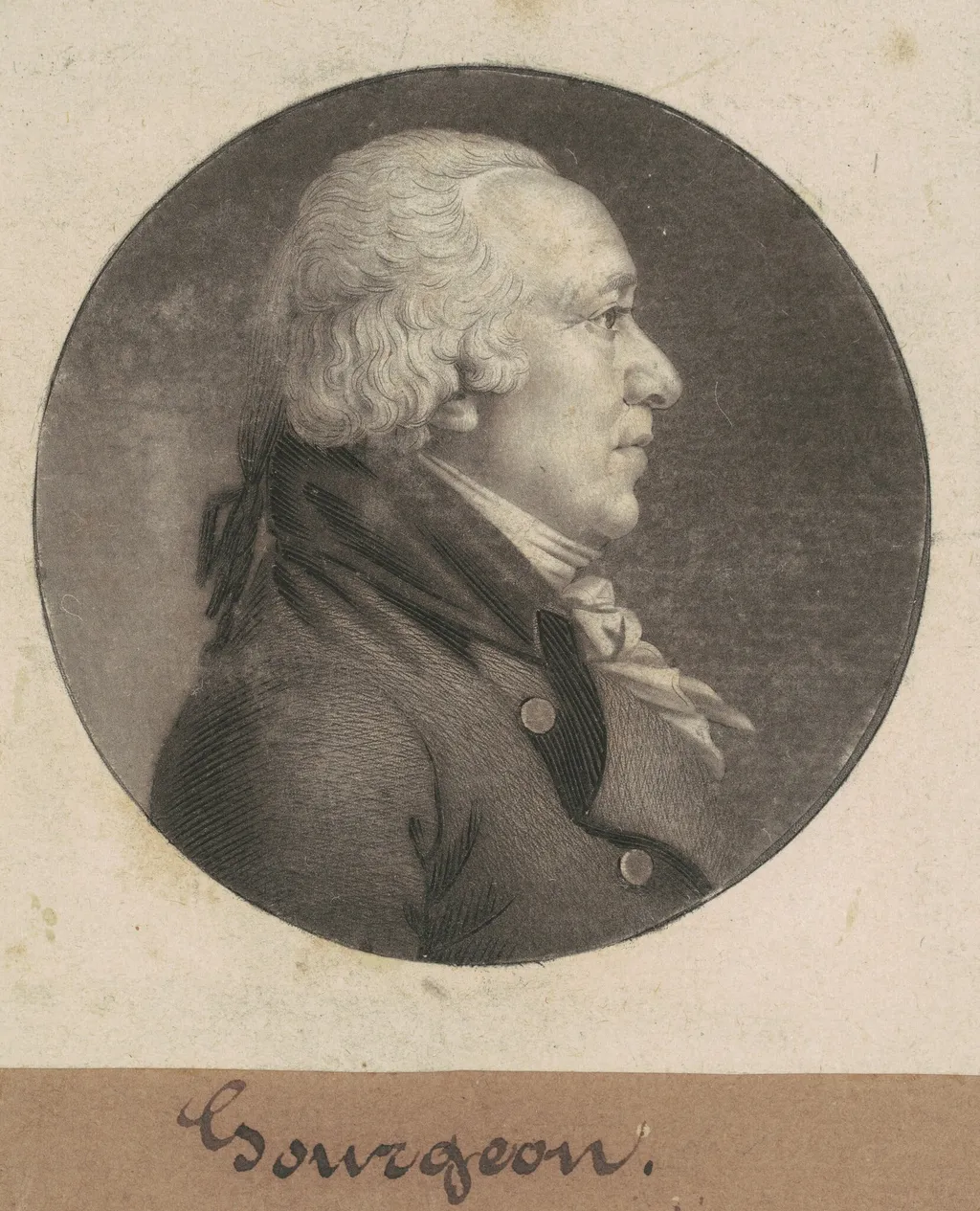
Gourgeon is an ink print by the Romanticist artist Charles Balthazar Julien Févret de Saint-Mémin. It dates from 1807 and is held in the collection of the National Gallery of Art. Created in 1807 by Charles B.
About this work
The artist used fine lines and shading to make the fabric of his coat look real.
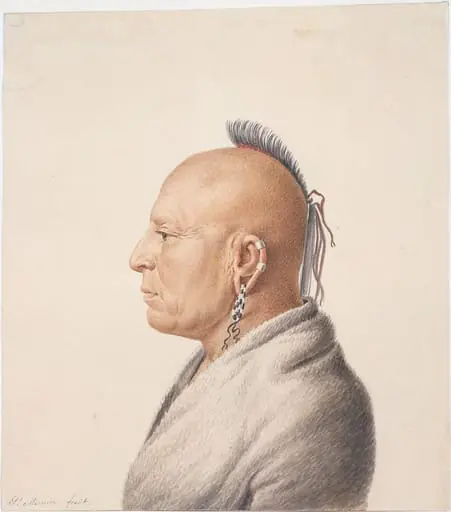
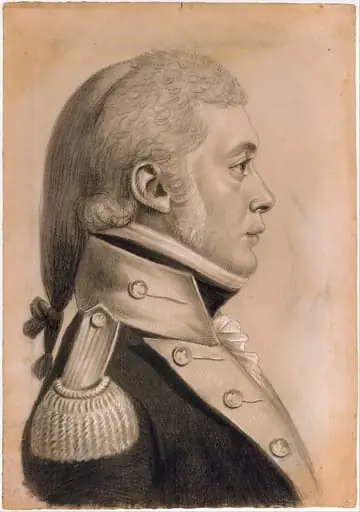
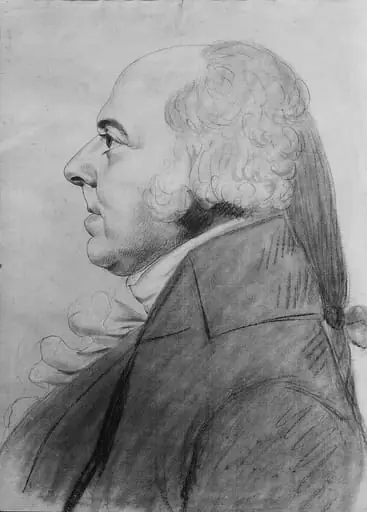
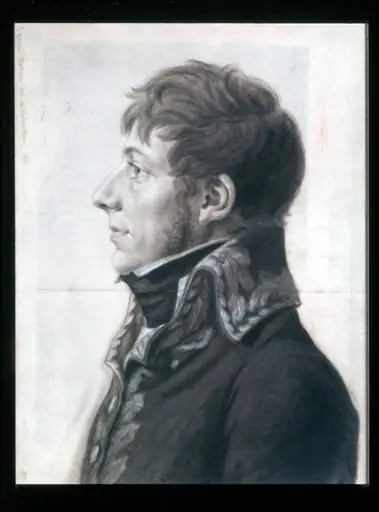
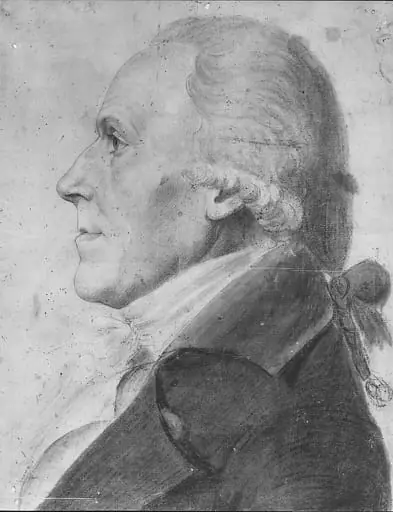
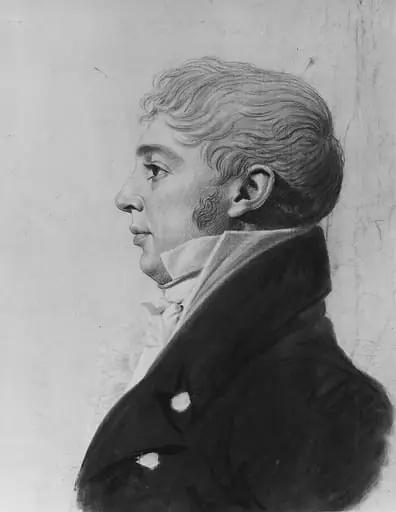
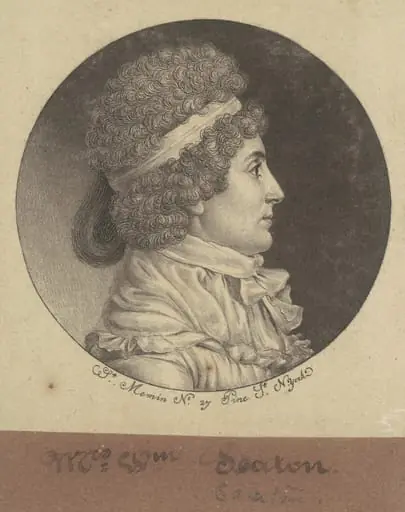
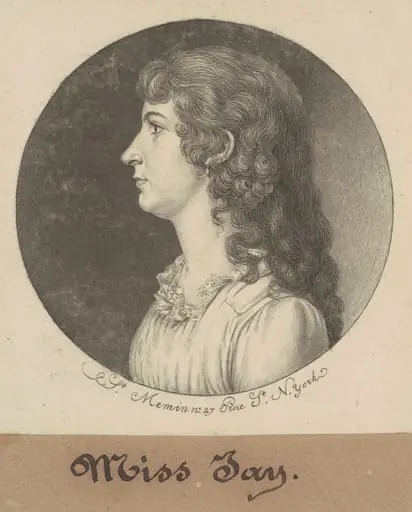
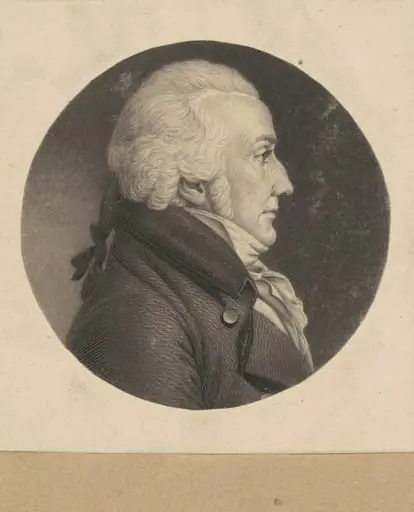
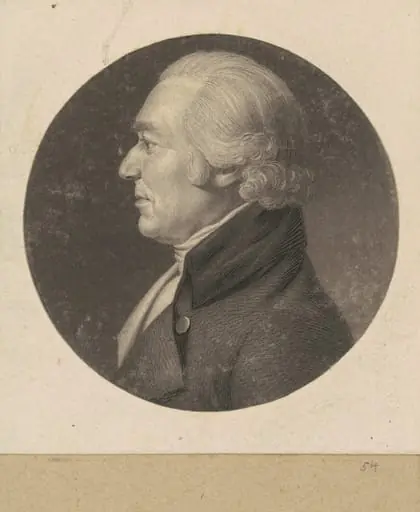
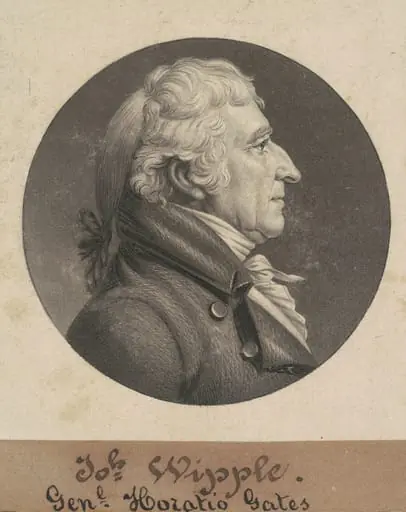
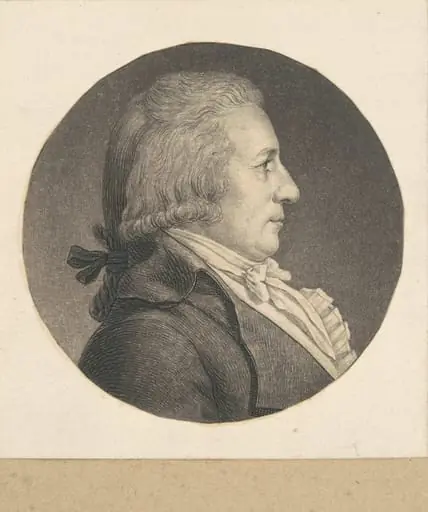
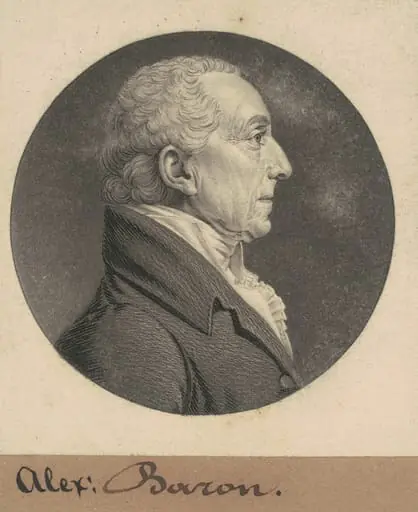
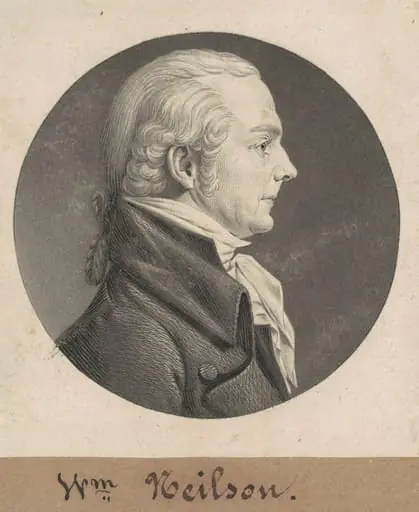
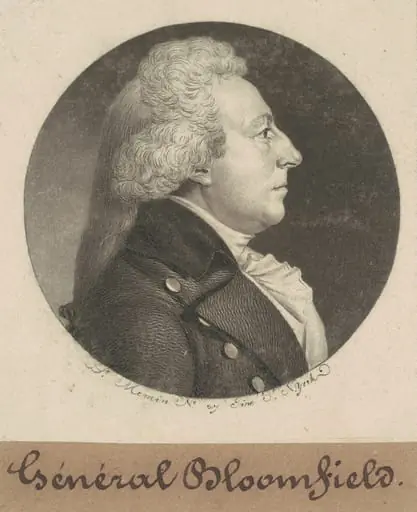
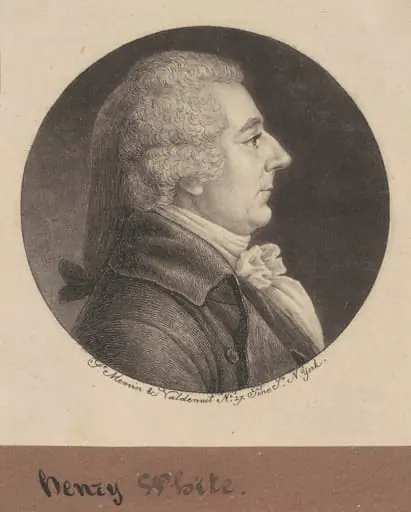
This small print shows a man in a dark coat looking straight at you. His face is sharp and clear against a plain background. The artist used fine lines and shading to make the fabric of his coat look real.
The print is tiny but packed with detail. It’s made by pushing ink into grooves in a metal plate. That’s called engraving. The artist signed it back in 1807, so it’s old but still holds up well.
Want to see more like this? Look up Saint-Mémin, Charles B. J. Févret de.
Overview
Created in 1807 by Charles B. J. Févret de Saint-Mémin, 'Gourgeon' is a small portrait print executed in mezzotint and engraving on wove paper. Mounted on brown wove paper, it measures just over five and a half centimeters in height and width. The work belongs to the Corcoran Collection and exemplifies the precision of early 19th-century American portraiture in print form.
Subject & Meaning
The subject is a man depicted in profile, gazing directly outward with a composed expression. His dark coat and neutral posture suggest a formal, possibly professional identity, though his specific name or role remains unconfirmed. The direct gaze invites a quiet, intimate encounter, typical of portrait prints intended for personal or familial keepsakes rather than public display.
Technique & Style
Saint-Mémin employed mezzotint to achieve subtle tonal gradations, particularly in the coat’s fabric, while fine engraving defined the contours of the face and collar. The contrast between the sharply rendered features and the softly modeled background enhances the subject’s presence. Despite its miniature scale, the print demonstrates meticulous control over ink density and line weight.
History & Provenance
The print was produced in 1807 during Saint-Mémin’s active years in the United States, where he specialized in portrait engravings for the American elite. It entered the Corcoran Collection in the 19th century and remained part of its holdings until the collection’s dispersal. Its survival in good condition reflects careful preservation and the durability of the mezzotint process.
Context
In early 19th-century America, portrait prints like this served as affordable alternatives to painted likenesses. Saint-Mémin’s technique, learned in France and refined in the U.S., catered to a growing middle class seeking personal documentation. Small-scale engravings were often bound into albums or framed for private homes, reflecting a cultural emphasis on individual identity.
Legacy
Saint-Mémin’s work, including 'Gourgeon,' contributed to the development of American printmaking as a medium for portraiture. His method influenced later engravers and helped establish technical standards for reproductive prints. Though modest in size, his portraits remain valued for their clarity and historical record of early American sitters.
Artist & collection

Artist
Charles Balthazar Julien Févret de Saint-Mémin
Charles Balthazar Julien Févret de Saint-Mémin (French pronunciation: ; 1770–1852) was a French portrait painter and museum director.