Artwork
Robert R. Livingston
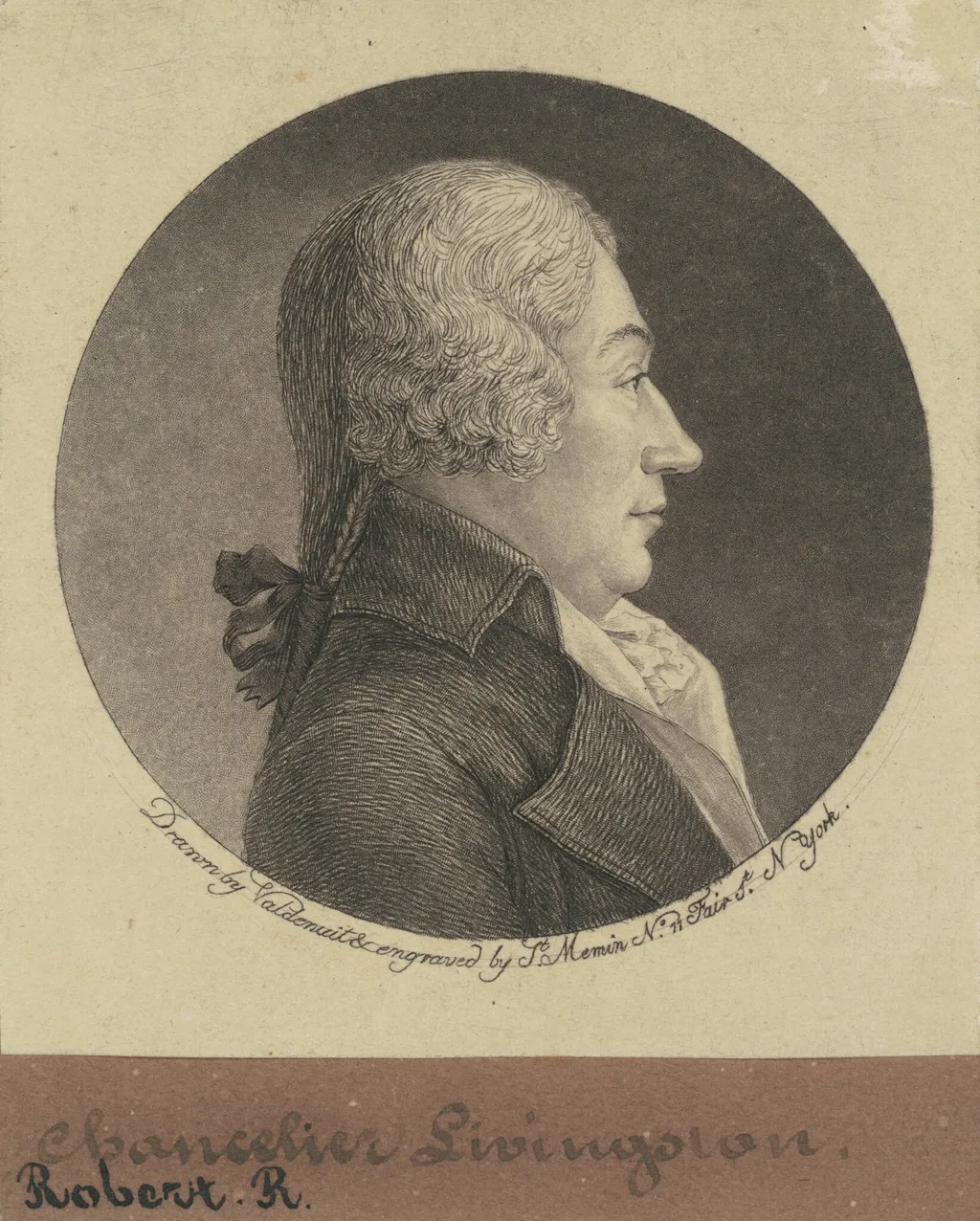
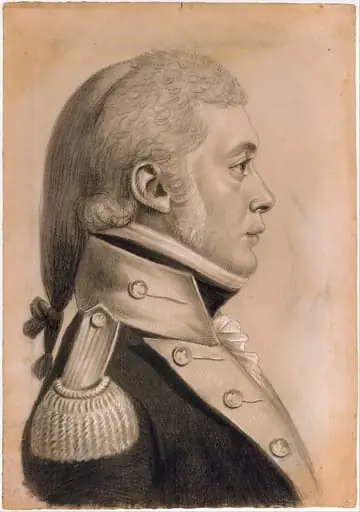
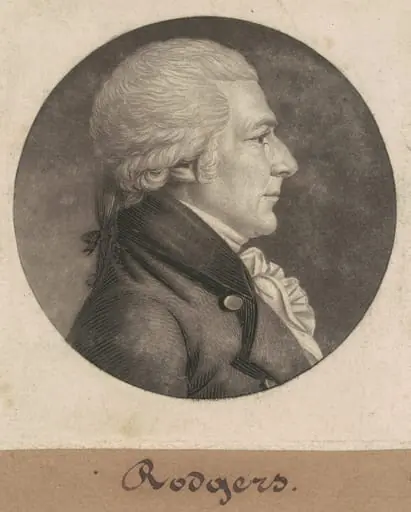
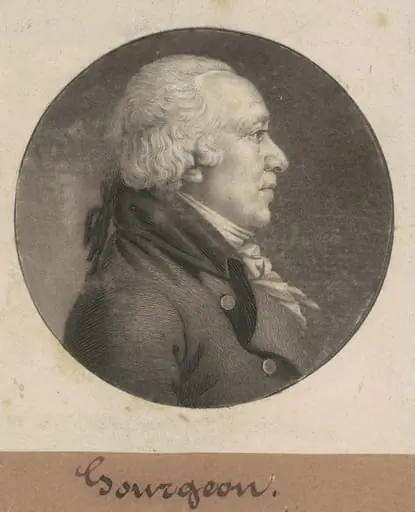
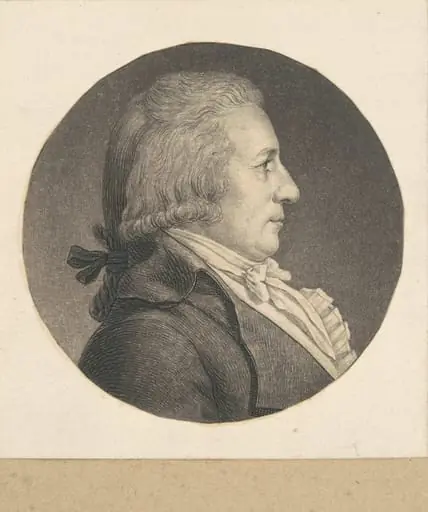
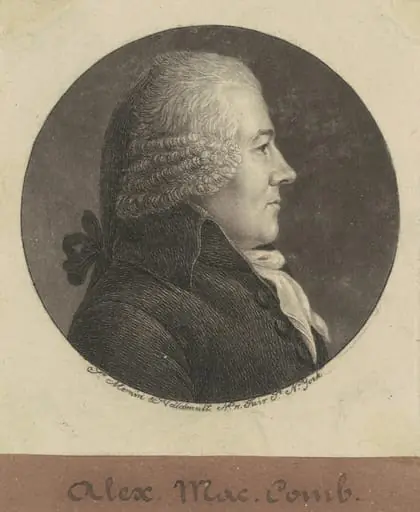
Robert R. Livingston is an ink print by the Romanticist artist Charles Balthazar Julien Févret de Saint-Mémin. It dates from 1796 and is held in the collection of the National Gallery of Art. Created in 1796, this print depicts Robert R.
About this work
Overview
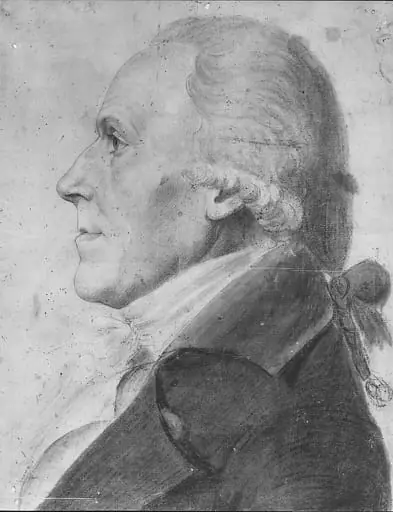
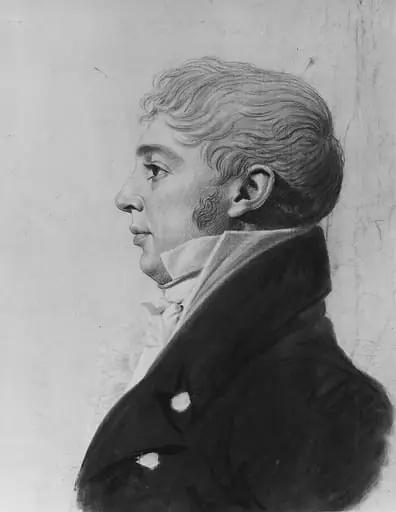
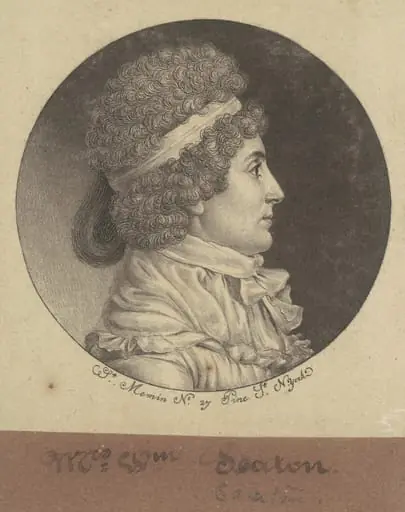
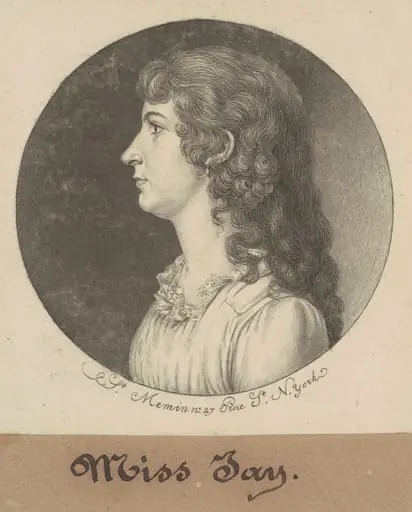
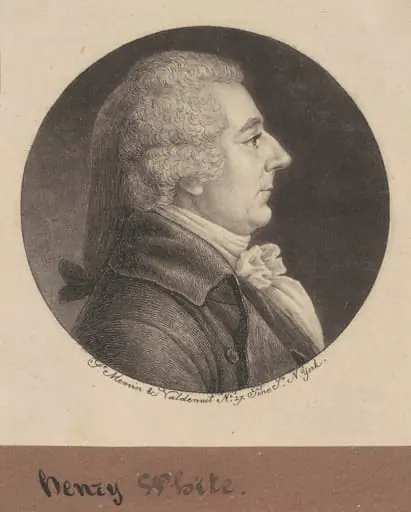
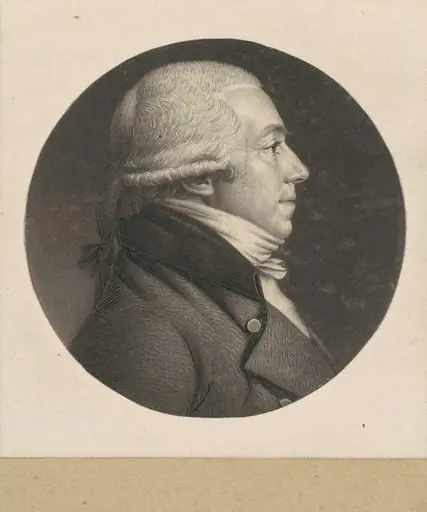
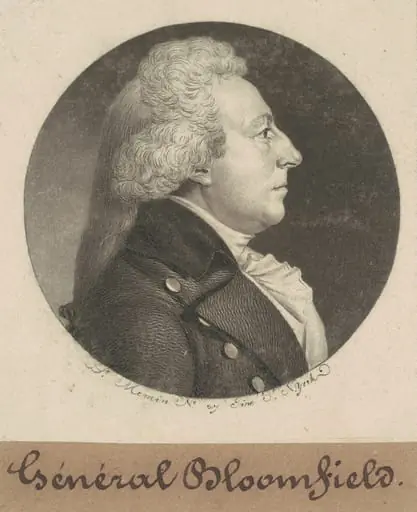
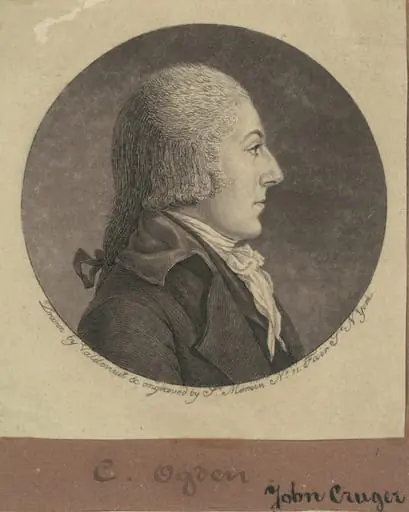
Created in 1796, this print depicts Robert R. Livingston, a prominent American statesman, rendered by Charles B. J. Févret de Saint‑Mémin. Executed as a mezzotint and engraving on wove paper, the image is mounted on a brown‑toned sheet, presenting the sitter in formal dress against a simple circular field bearing his name and title.
Subject & Meaning
The portrait shows Livingston in a dark coat with a white cravat, his wavy hair gathered and secured with a ribbon. The sharpness of his facial features and the dignified pose emphasize his status as Chancellor of New York, reinforcing his role in early American governance.
Technique & Style
Saint‑Mémin employed the mezzotint process, a printmaking method that builds tonal depth through a field of fine, textured dots. This allows for subtle gradations of shadow and a lifelike rendering of skin, while the engraved lines define the clothing and surrounding inscription.
History & Provenance
The work was produced shortly after Livingston’s death in 1813, reflecting the period’s interest in commemorating leading political figures. It entered the museum’s collection through a 20th‑century acquisition of early American prints, documented in the institution’s acquisition records.
Context
Mezzotint portraiture was popular in the late 18th century for its ability to convey the nuanced chiaroscuro of oil paintings in a reproducible format. Saint‑Mémin, a French émigré, applied this technique to American subjects, bridging transatlantic artistic practices during the early Republic.
Artist & collection

Artist
Charles Balthazar Julien Févret de Saint-Mémin
Charles Balthazar Julien Févret de Saint-Mémin (French pronunciation: ; 1770–1852) was a French portrait painter and museum director.