Artwork
Bust of a Man
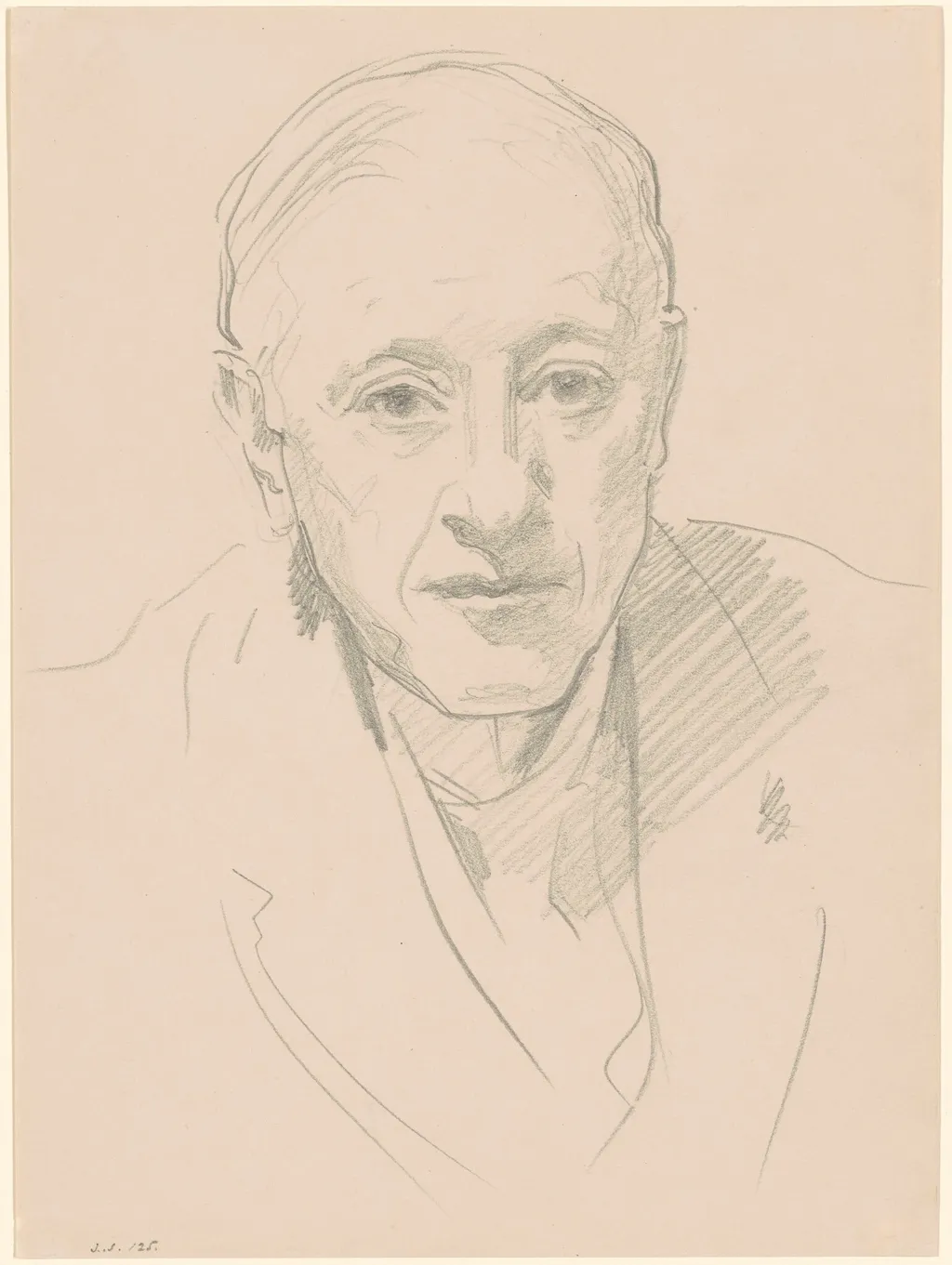
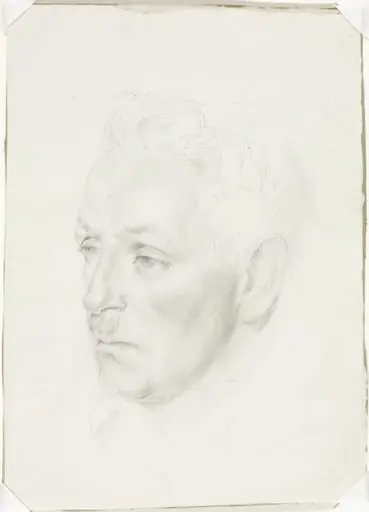
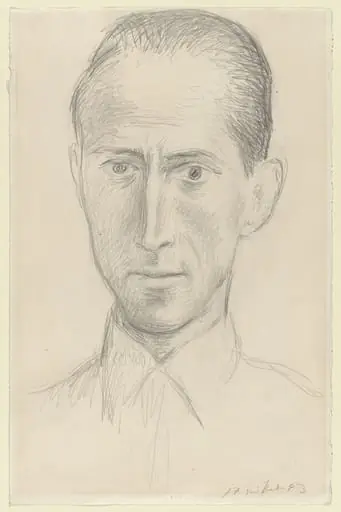
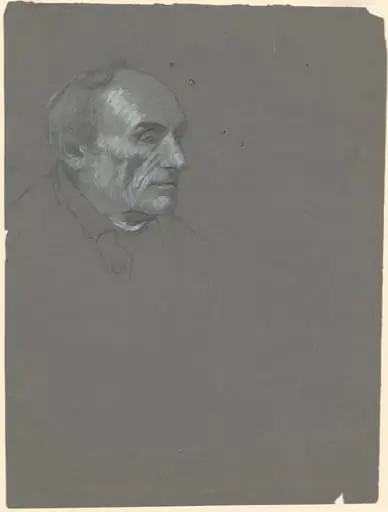
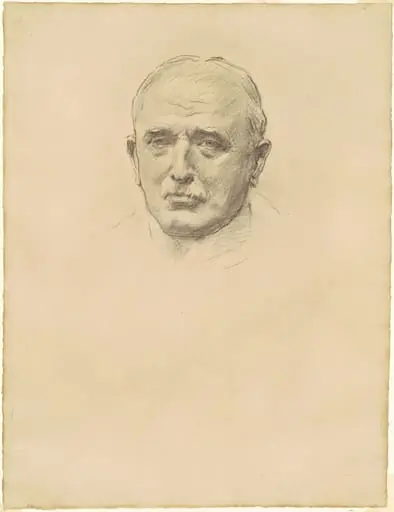
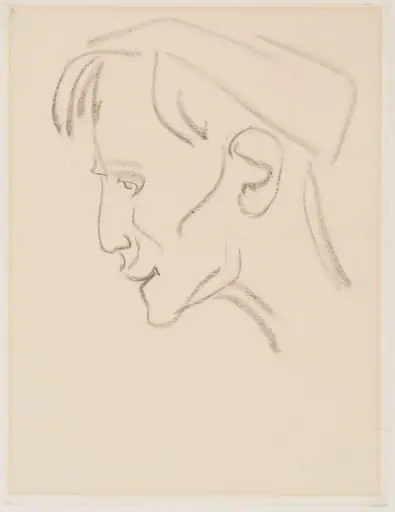
Bust of a Man is a graphite drawing by the Impressionist artist John Singer Sargent. It dates from 1892 and is held in the collection of the National Gallery of Art.
About this work
Overview
This graphite drawing on wove paper, titled 'Bust of a Man', presents a portrait of a male subject from the shoulders up, rendered in meticulous detail by John Singer Sargent.
Subject & Meaning
The subject is distinguished by a prominent nose and expressive eyes, which are accentuated against a plain, unadorned background. This compositional choice underscores the artist's ability to convey nuanced human emotion through restrained yet effective visual means.
Technique & Style
Sargent employs subtle graphite shading to achieve depth and dimensionality, exemplifying a minimalist approach to portraiture. The drawing's emphasis on suggestive, economical line work and tonal variation highlights the artist's mastery of capturing character with precision and restraint.
Context
The piece relates to artistic techniques like sfumato, where subtle shading creates depth and volume, demonstrating Sargent's adherence to and innovation within traditional portrait drawing practices.
Legacy
As a portrait, 'Bust of a Man' showcases Sargent's skill in distilling the essence of a subject through simplicity, contributing to the broader tradition of minimalist portraiture that prioritizes emotional resonance over ornate detail.
Artist & collection

Artist
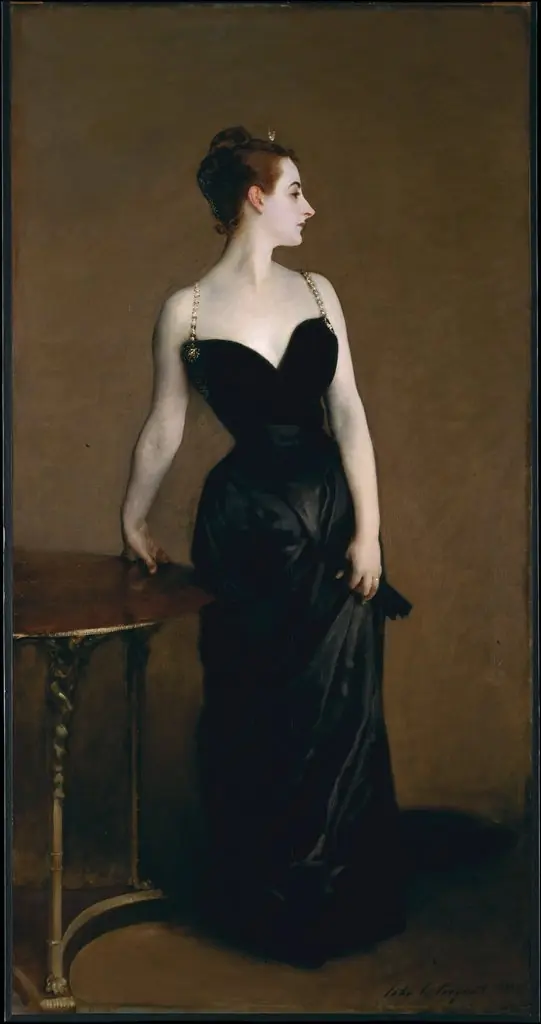
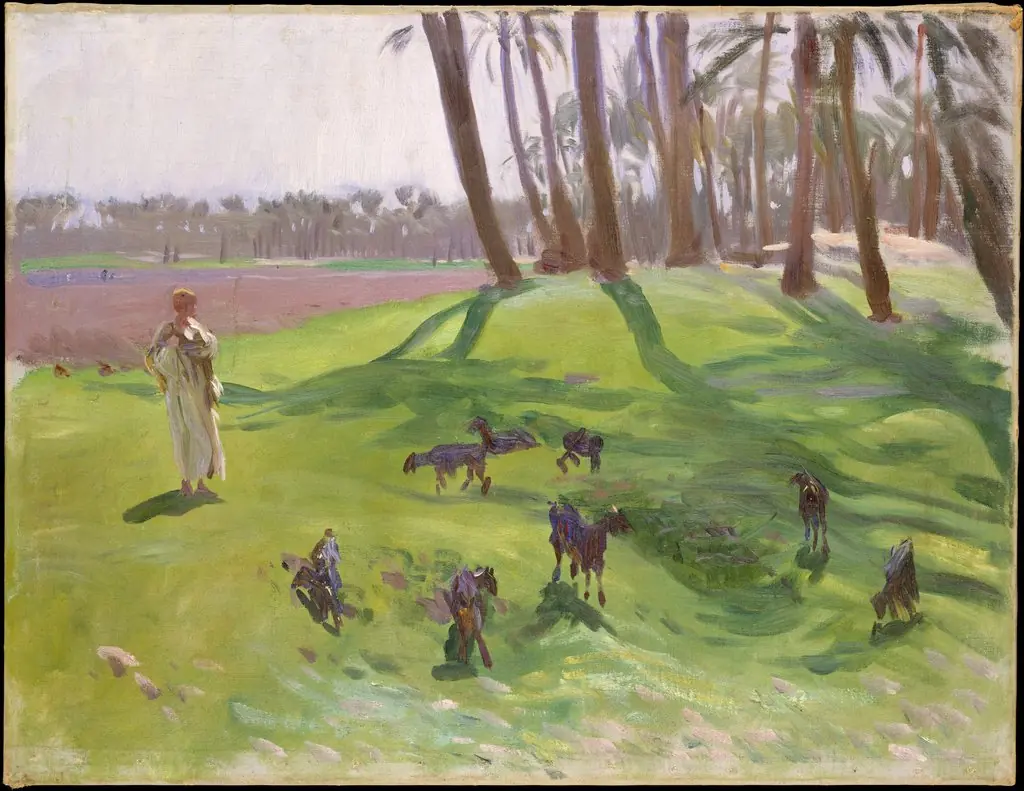
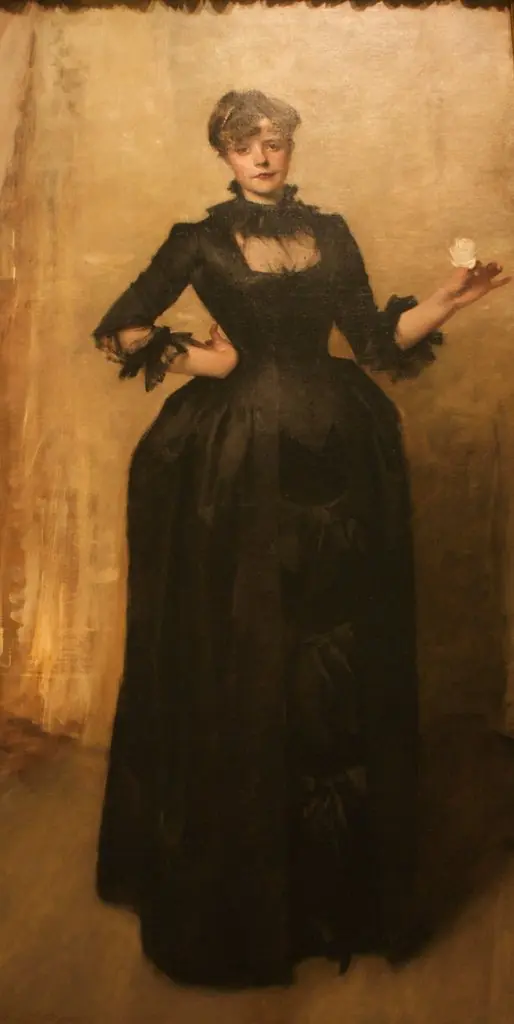
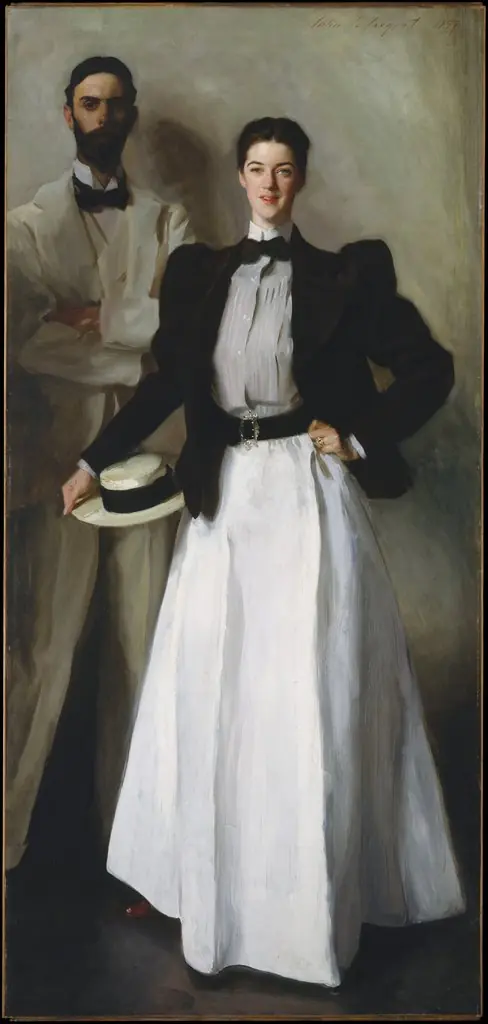
John Singer Sargent (; January 12, 1856 – April 15, 1925) was an American expatriate artist, considered the "leading portrait painter of his generation" for his evocations of Belle Époque and Edwardian-era luxury.