Artwork
Ponte Vecchio, Florence [recto]
![Ponte Vecchio, Florence [recto], by John Singer Sargent, graphite, 1871](https://artifactworldgallery.com/img/john-singer-sargent--ponte-vecchio-florence-recto--a34a2c17708c8e84-w1024.webp)
Ponte Vecchio, Florence [recto] is a graphite drawing by the Impressionist artist John Singer Sargent. It dates from 1871 and is held in the collection of the National Gallery of Art.
About this work
Overview
Ponte Vecchio, Florence [recto] is a graphite drawing on wove paper, executed by John Singer Sargent between 1870 and 1872. The work depicts the historic Ponte Vecchio bridge in Florence, characterized by its shops and intricate architectural details.
Subject & Meaning
The drawing focuses on the Ponte Vecchio, a renowned Florentine landmark, highlighting its unique blend of functionality and historic architecture. Sargent's rendition emphasizes the bridge's textured, aged appearance.
Technique & Style
Sargent demonstrated his technical proficiency in graphite by capturing the intricate stonework, window details, and the dynamic interplay of light and shadow, achieving a high degree of realism.
History & Provenance
Created during Sargent's early career (1870-1872), this drawing reflects his interest in documenting European architectural landmarks during his formative years.
Context
This work sits within Sargent's broader output of European sketches, showcasing his observation skills and affinity for capturing the essence of historic sites.
Legacy
As part of Sargent's oeuvre, 'Ponte Vecchio, Florence' contributes to the artist's reputation for meticulous, observant drawings of architectural and historical subjects.
Artist & collection
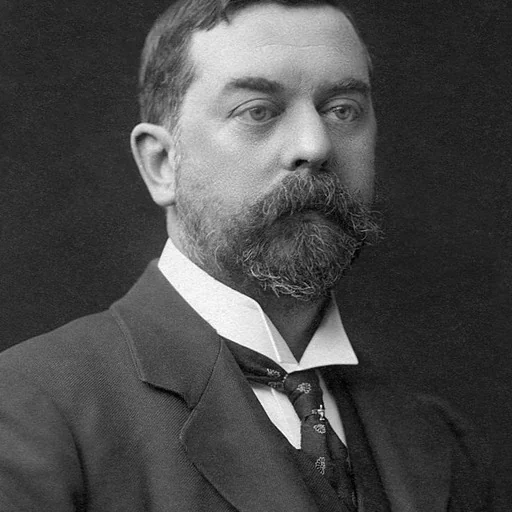
Artist
John Singer Sargent (; January 12, 1856 – April 15, 1925) was an American expatriate artist, considered the "leading portrait painter of his generation" for his evocations of Belle Époque and Edwardian-era luxury.



 Entrance to Grand Canal
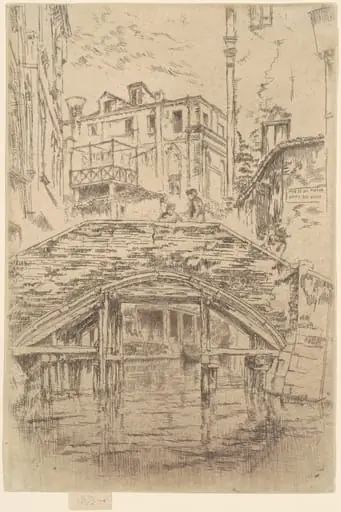 Ponte del Piovan
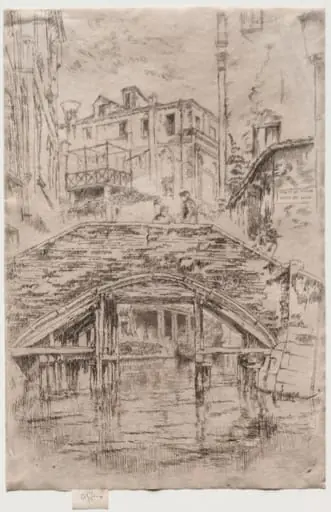 Ponte del Piovan
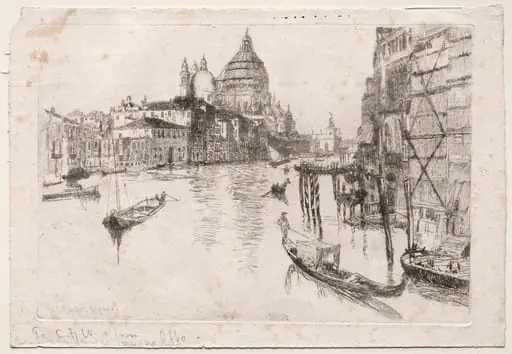
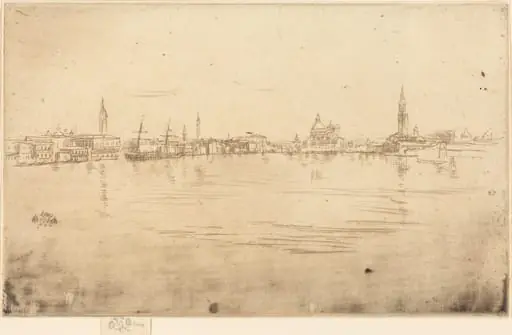 Salute Dawn
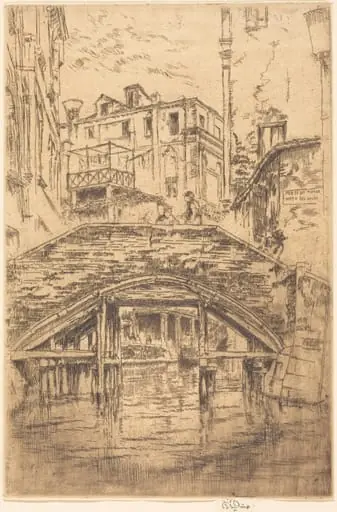 Ponte del Piovan
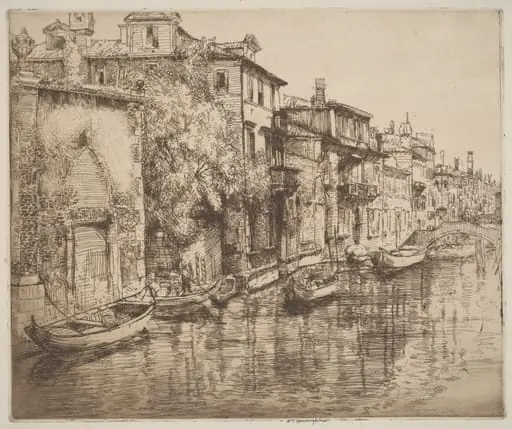 Venetian Noontide
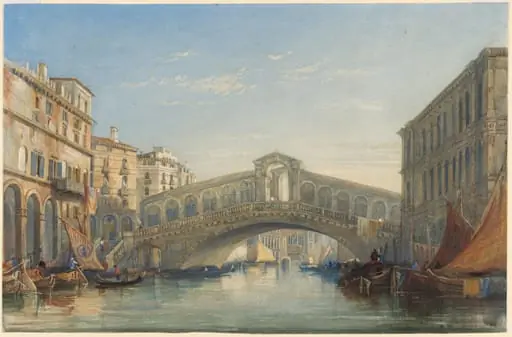 The Rialto Bridge, Venice
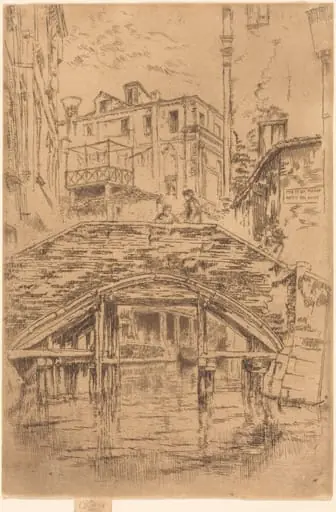 Ponte del Piovan
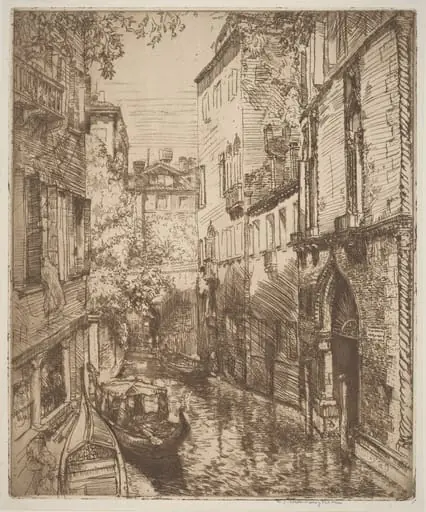 Rio delle Verona, Venice
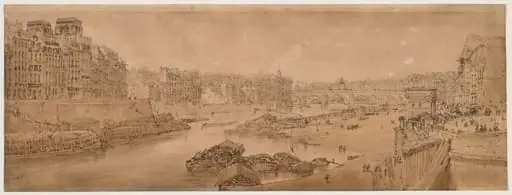 A Selection of Twenty of the Most Picturesque Views in Paris: View of the City with the Louvre taken from the Pont Marie
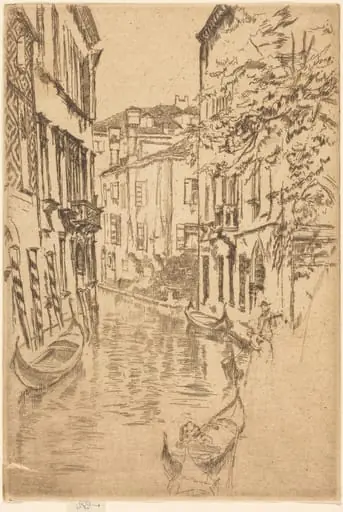 Quiet Canal
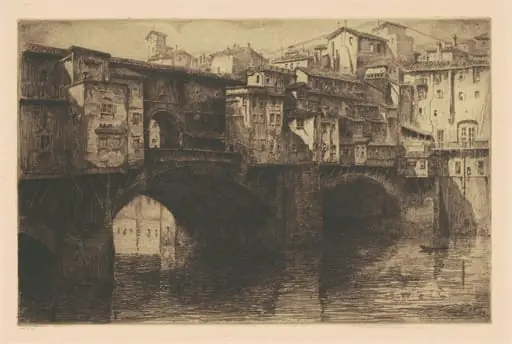 Ponte Vecchio, Florence