Artwork
Study of Apollo for "Apollo and Daphne"
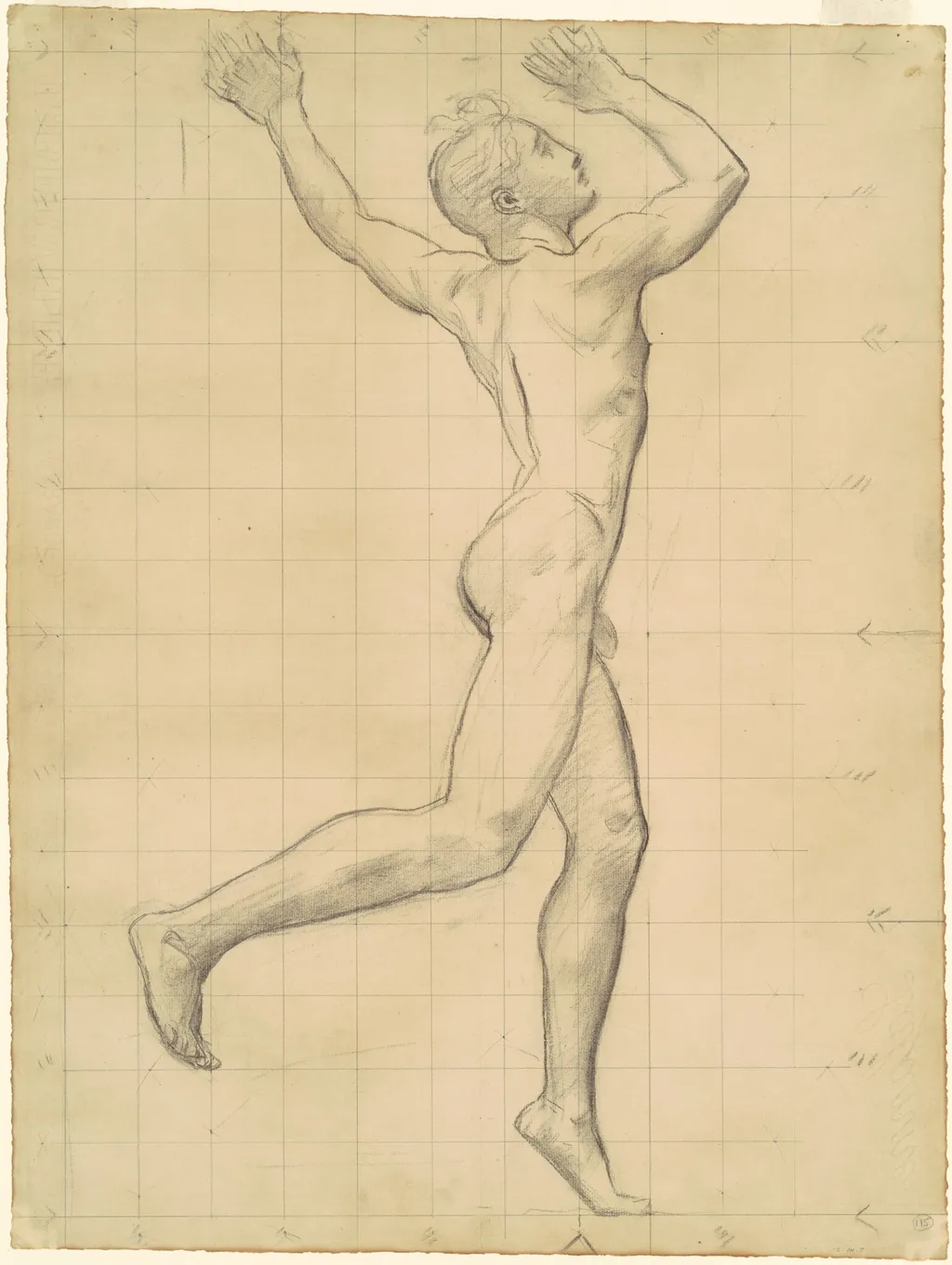
Study of Apollo for "Apollo and Daphne" is a charcoal drawing by John Singer Sargent. It dates from 1918 and is held in the collection of the National Gallery of Art.
About this work
Overview
John Singer Sargent’s preparatory drawing for his later composition *Apollo and Daphne* presents a solitary figure of the god Apollo captured in the act of leaping. Executed in charcoal and graphite on laid paper, the work isolates the pose, emphasizing the kinetic energy of the moment while serving as a study for the larger painted narrative.
Subject & Meaning
The drawing depicts Apollo in profile, his body twisted and muscles taut as he propels himself forward, one arm drawn back in a gesture of momentum. By focusing on the god’s anatomy and motion, Sargent explores the classical theme of divine vigor and the fleeting instant before action is completed.
Technique & Style
Sargent employs a combination of charcoal’s deep, expressive strokes and graphite’s finer lines to model form and delineate musculature. The layered marks on the textured laid paper create a sense of depth, while the swift, confident handling of the media conveys the immediacy of a live pose study rather than a finished illustration.
History & Provenance
Created as a preparatory study for the oil painting *Apollo and Daphne*, the drawing was likely produced in the early 1890s during Sargent’s exploration of mythological subjects. It remains part of the artist’s extensive drawing oeuvre, documented in the collection of the National Gallery of Art, Washington, where it is cited among his significant works on paper.
Artist & collection
Artist
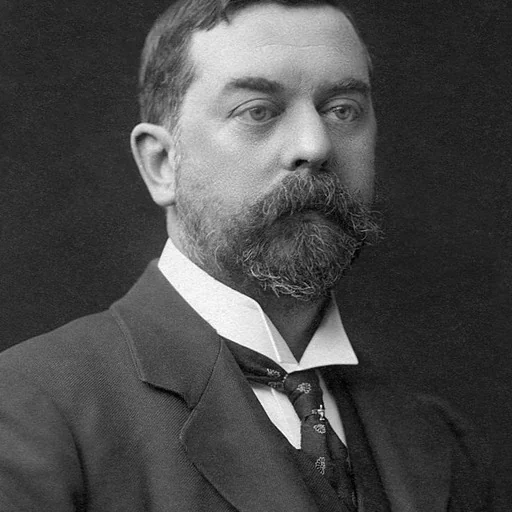
John Singer Sargent (; January 12, 1856 – April 15, 1925) was an American expatriate artist, considered the "leading portrait painter of his generation" for his evocations of Belle Époque and Edwardian-era luxury.


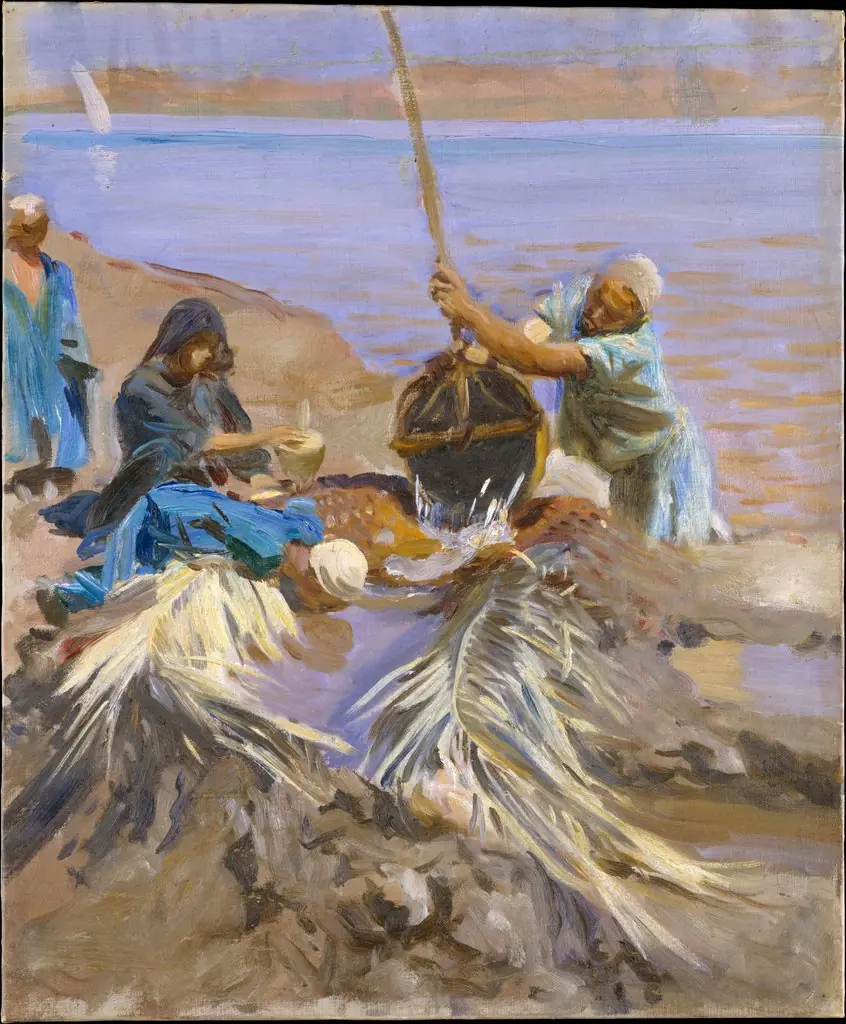
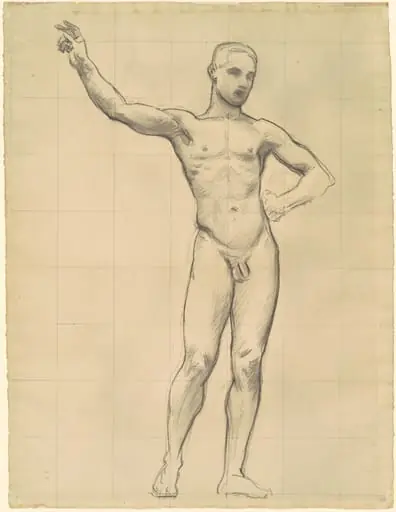 Study of Apollo for "Apollo and the Muses"
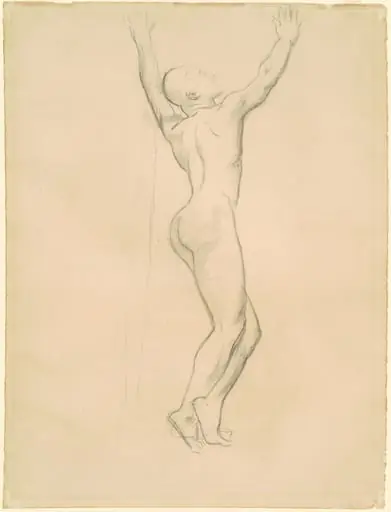 Study for "Apollo and Daphne"
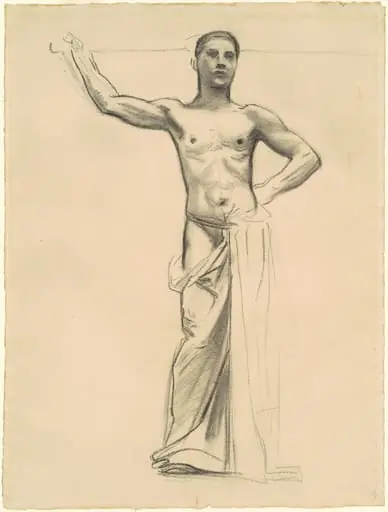 Study of Apollo for "Apollo and the Muses"
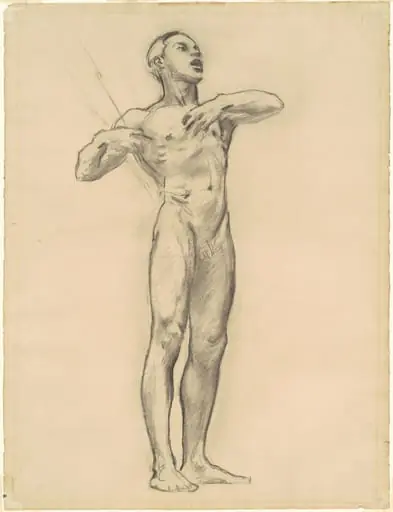 Study of Orpheus for "Classic and Romantic Art"
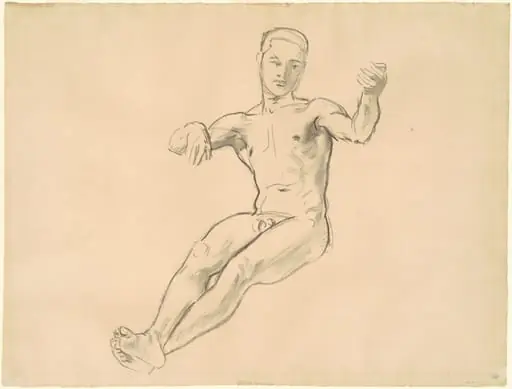 Study for "Arion"
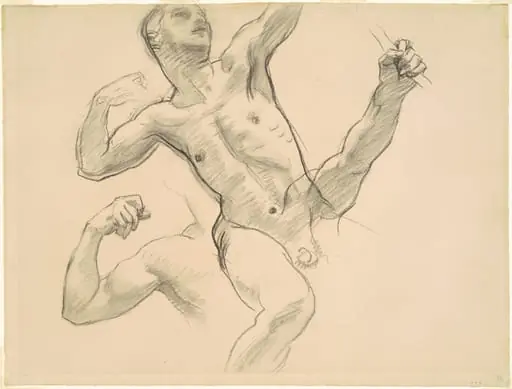 Studies of Achilles for "Chiron and Achilles"
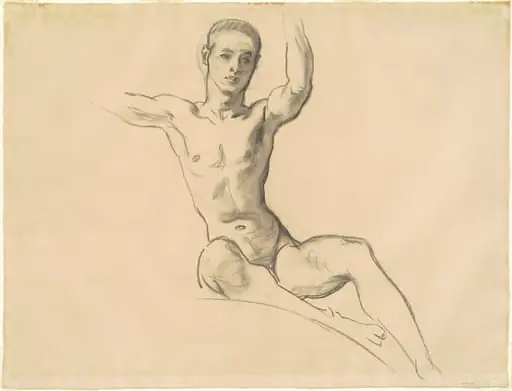 Study for Figure above "Music"
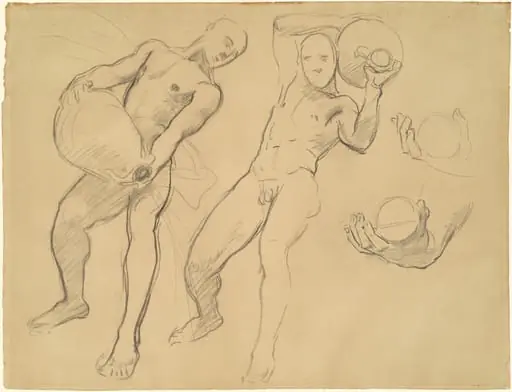 Studies of Notus for "The Winds"
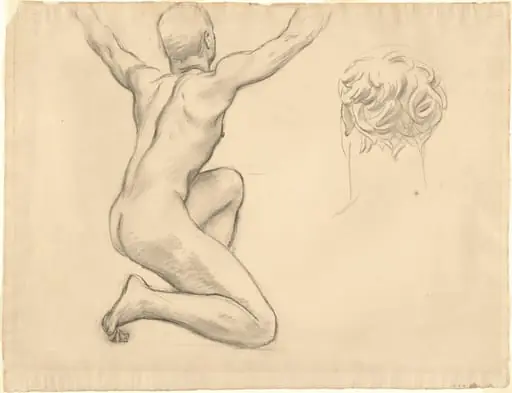 Studies for "The Unveiling of Truth"
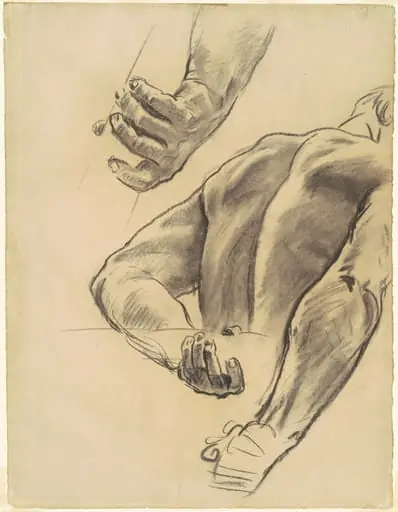 Studies for "Judgment"
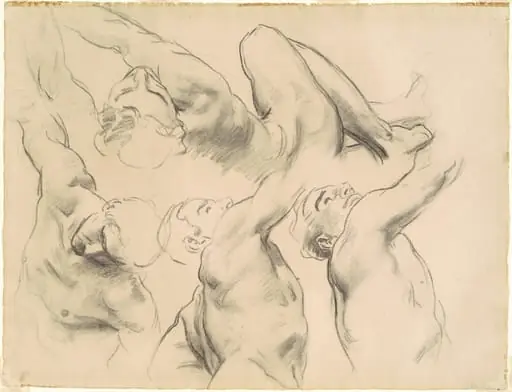 Studies for "Heaven" and "Hell"