Artwork
Study of Orpheus for "Classic and Romantic Art"
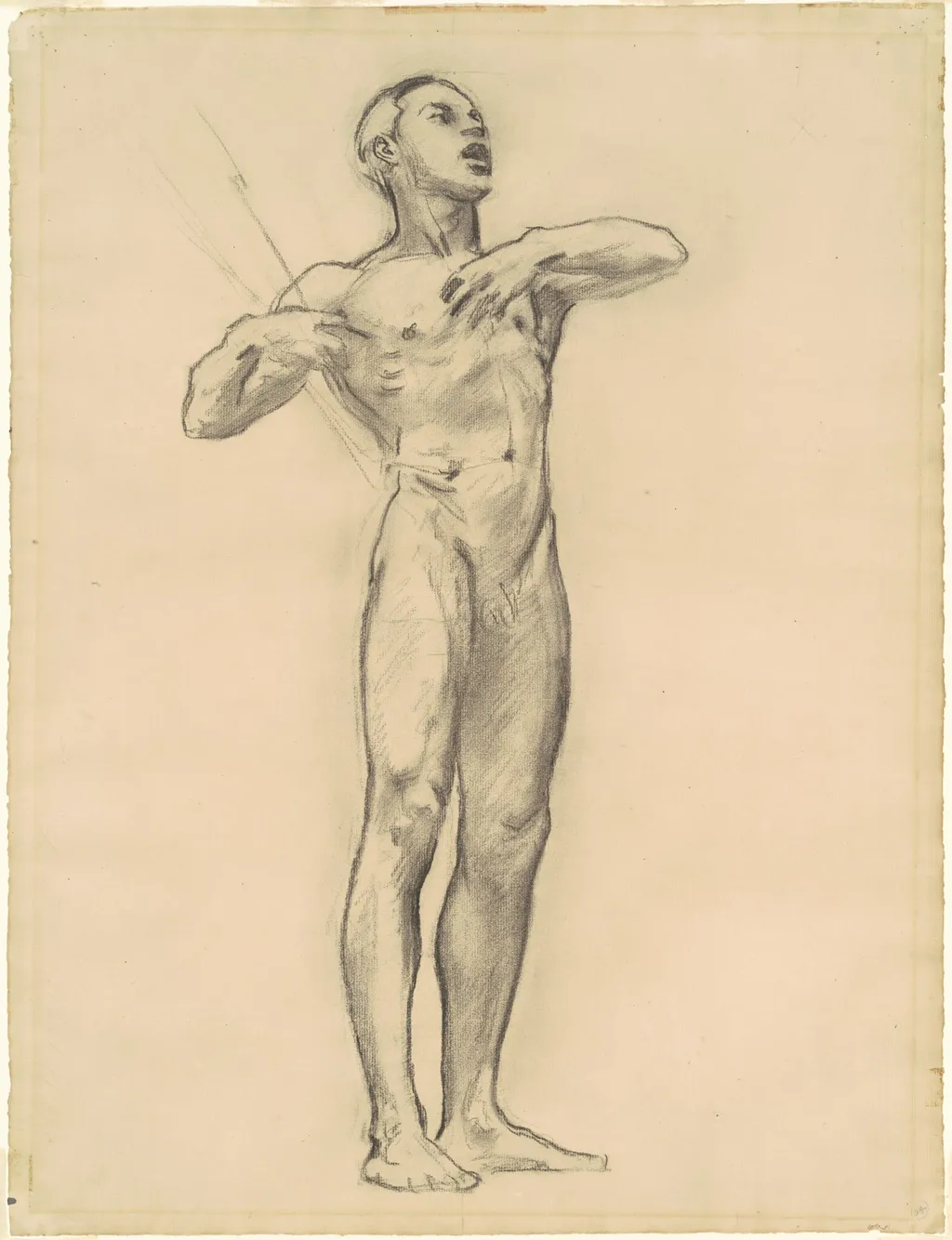
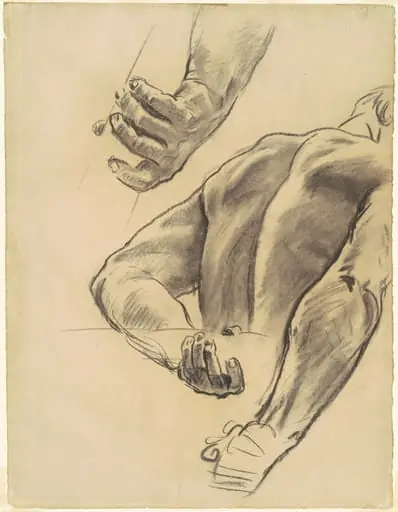
Study of Orpheus for "Classic and Romantic Art" is a charcoal drawing by John Singer Sargent. It dates from 1921 and is held in the collection of the National Gallery of Art.
About this work
Overview
John Singer Sargent’s charcoal drawing, titled Study of Orpheus for “Classic and Romantic Art,” presents a solitary male figure rendered on laid paper. The composition is concise, with the subject occupying the central space against an unadorned background, allowing the viewer’s attention to rest on the figure’s anatomy and posture.
Subject & Meaning
The drawing depicts a robust, upright man whose torso is slightly twisted, suggesting movement and a narrative moment tied to the mythic poet Orpheus. By isolating the body, Sargent emphasizes the heroic vigor associated with the legendary musician, using the pose to convey both physical strength and an implied emotional resonance.
Technique & Style
Executed in charcoal, the work relies on varied pressure and cross‑hatching to model volume and define musculature. The medium’s matte quality and the paper’s textured surface enhance the subtle gradations of light and shadow, while the sparse background underscores the artist’s focus on line and form rather than decorative detail.
Context
Created as a preparatory study for the larger project “Classic and Romantic Art,” the sketch illustrates Sargent’s preparatory process for larger compositions. Though specific exhibition history is limited, the piece remains within the artist’s oeuvre of figure studies, reflecting his ongoing interest in classical subjects and the human form.
Artist & collection
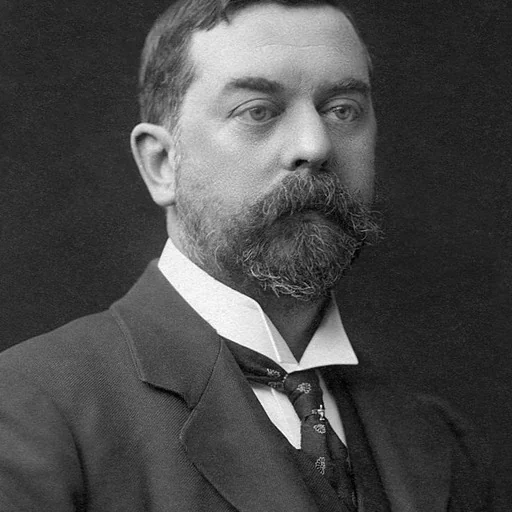
Artist
John Singer Sargent (; January 12, 1856 – April 15, 1925) was an American expatriate artist, considered the "leading portrait painter of his generation" for his evocations of Belle Époque and Edwardian-era luxury.

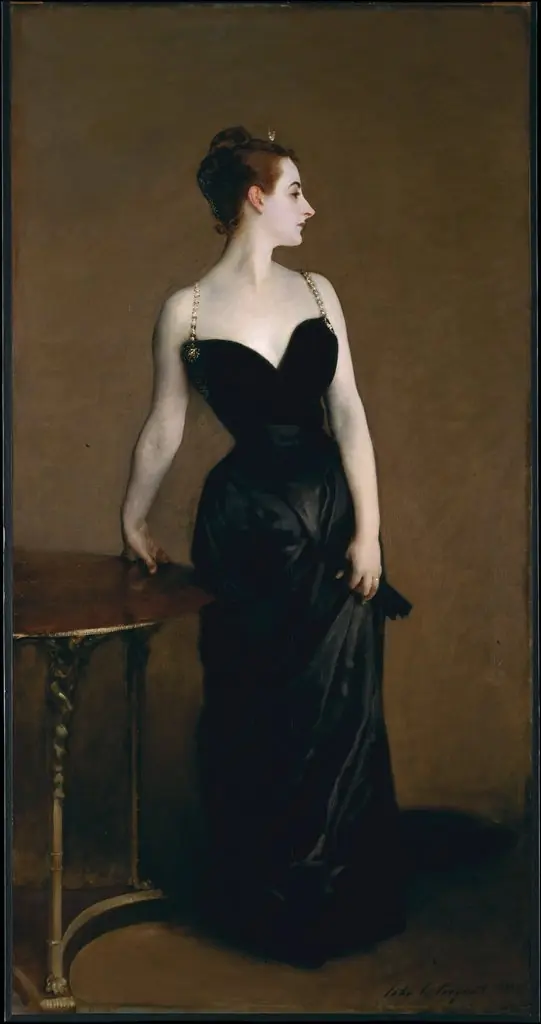

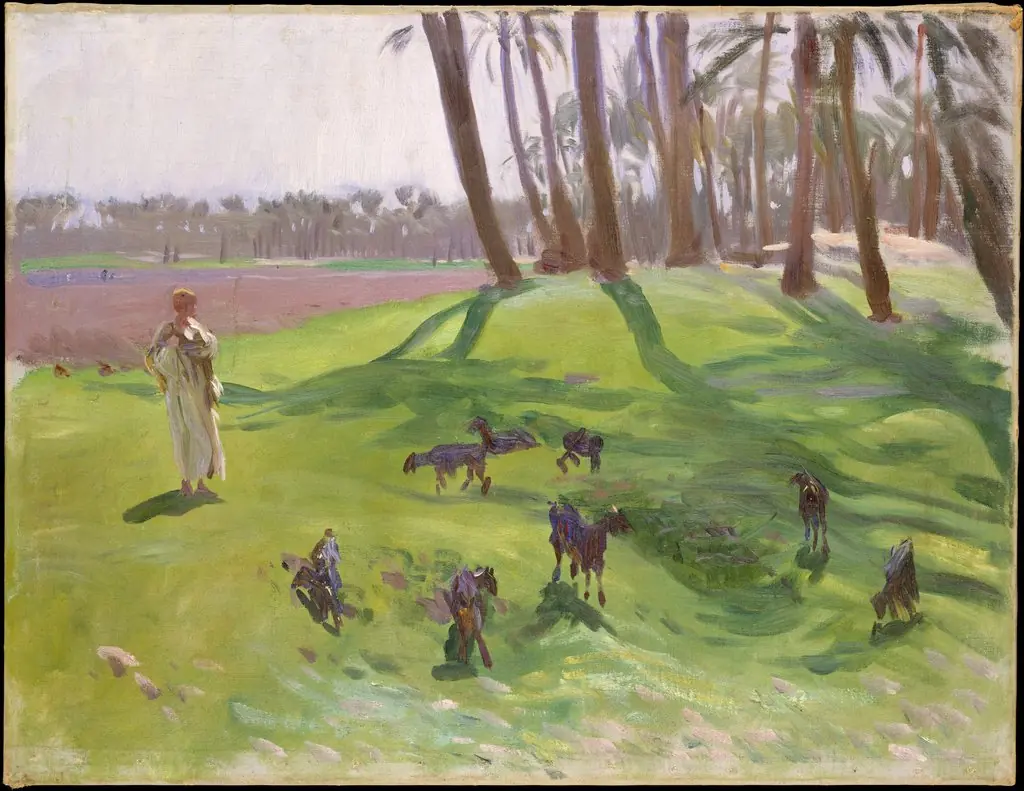
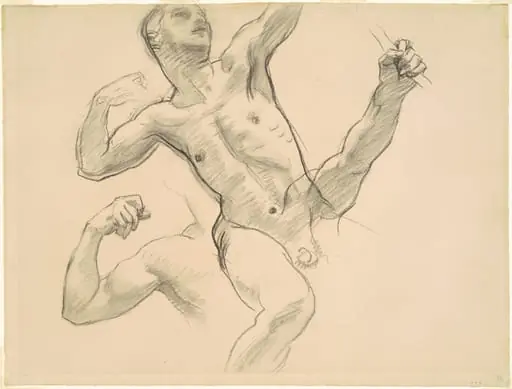 Studies of Achilles for "Chiron and Achilles"
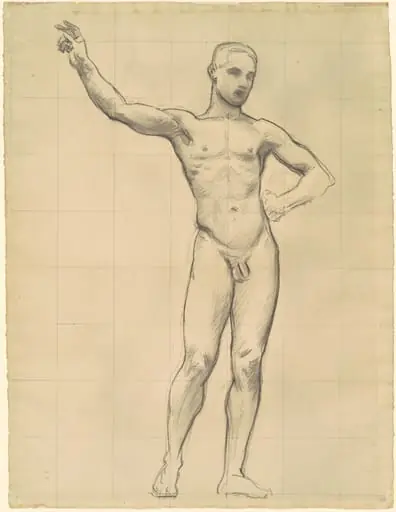 Study of Apollo for "Apollo and the Muses"
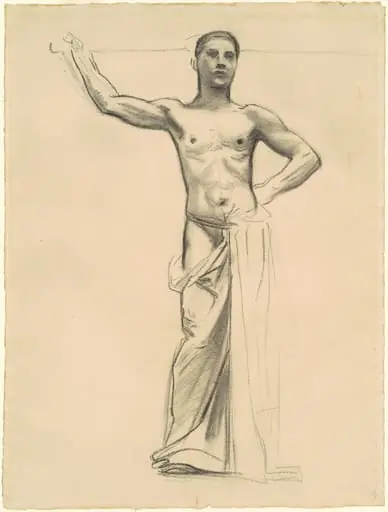 Study of Apollo for "Apollo and the Muses"
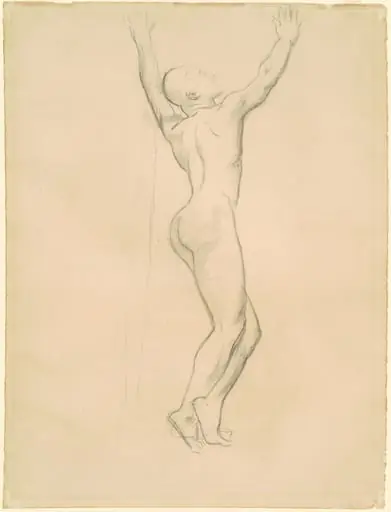 Study for "Apollo and Daphne"
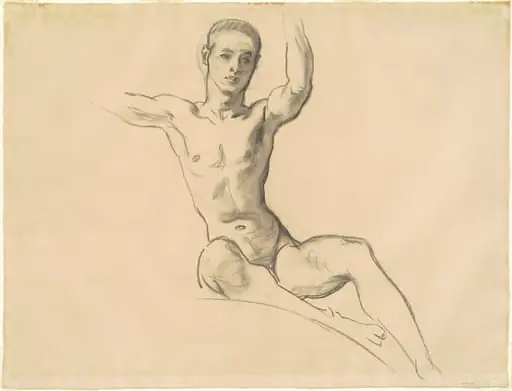 Study for Figure above "Music"
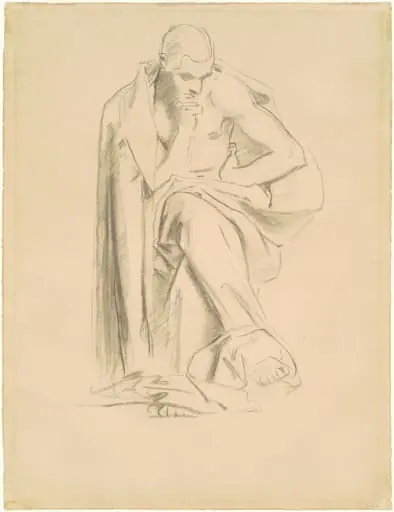 Study for "Philosophy"
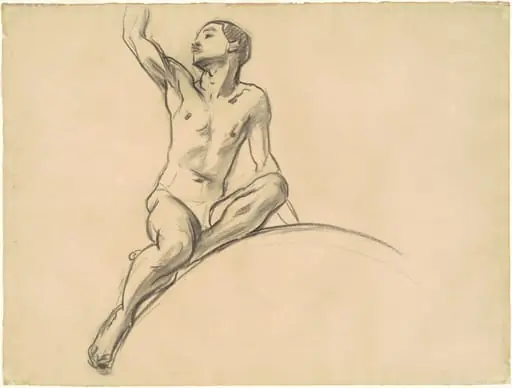 Study for Figure above "Music"
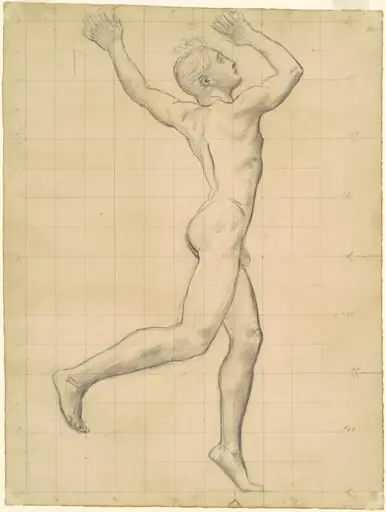 Study of Apollo for "Apollo and Daphne"
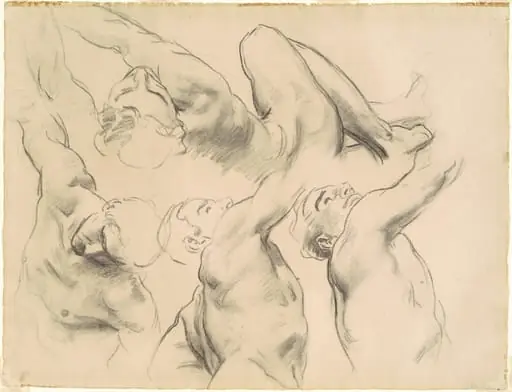 Studies for "Heaven" and "Hell"
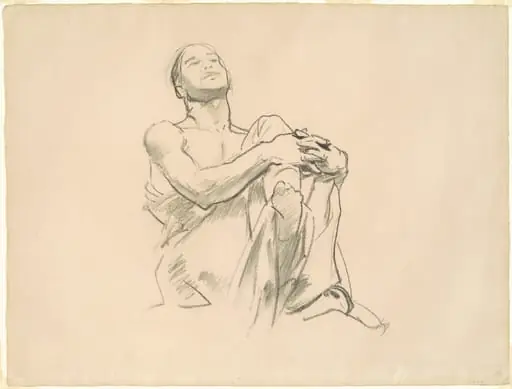 Study for "Astronomy"
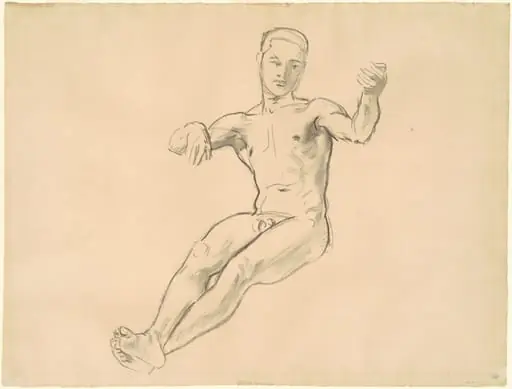 Study for "Arion"
 Studies for "Judgment"