Artwork
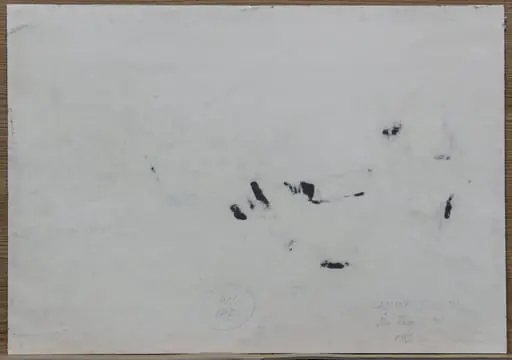
Tree Trunks [verso]
![Tree Trunks [verso], by John Singer Sargent, graphite, 1868](https://artifactworldgallery.com/img/john-singer-sargent--tree-trunks-verso--6d1f8d728d1ea885-w1024.webp)
Tree Trunks [verso] is a graphite drawing by the Impressionist artist John Singer Sargent. It dates from 1868 and is held in the collection of the National Gallery of Art. Created between 1868 and 1869, this small graphite drawing on wove paper features tree trunks on the front and a figure on the reverse.
About this work
Overview
Created between 1868 and 1869, this small graphite drawing on wove paper features tree trunks on the front and a figure on the reverse. Measuring just over six by four centimeters, it reflects Sargent’s habit of reusing paper to capture fleeting observations. The dual imagery reveals his economical approach to materials and his constant engagement with visual study, regardless of the surface.
Subject & Meaning
Though incomplete, the sketch suggests an interest in textile dynamics and posture, possibly linked to figure studies for larger works.
The verso side bears a lightly rendered female figure draped in flowing fabric, likely a study of form and movement. Though incomplete, the sketch suggests an interest in textile dynamics and posture, possibly linked to figure studies for larger works. The contrast between the structural trunks and the fluid silhouette implies a deliberate juxtaposition of nature and human presence, though no narrative is intended.
Technique & Style
Sargent employed minimal graphite strokes to suggest volume and texture, relying on subtle tonal shifts rather than detailed outlines. The figure’s drapery is indicated with soft, flowing lines, while the tree trunks are defined by compact, vertical marks. This restrained technique demonstrates his early mastery of suggestion over description, prioritizing immediacy and observation over finish.
History & Provenance
The drawing entered the National Gallery of Art’s collection as part of a broader acquisition of Sargent’s works on paper. Its small scale and dual-sided composition suggest it was a private study, not intended for public display. The preservation of both sides offers rare insight into the artist’s studio habits and the reuse of materials during his formative years.
Context
Created during Sargent’s early training in Europe, this sketch aligns with academic practices of the time, where artists routinely filled sketchbooks with observational studies. The presence of a figure alongside landscape elements reflects the interdisciplinary nature of artistic education, where figure drawing and natural forms were studied in tandem to build compositional fluency.
Legacy
This drawing contributes to the understanding of Sargent’s working methods, illustrating how he treated paper as a site of continuous experimentation. Its survival highlights the value placed on preparatory work in his oeuvre. Scholars now use such studies to trace the evolution of his visual language, particularly his sensitivity to light and form before his mature portraiture emerged.
Artist & collection
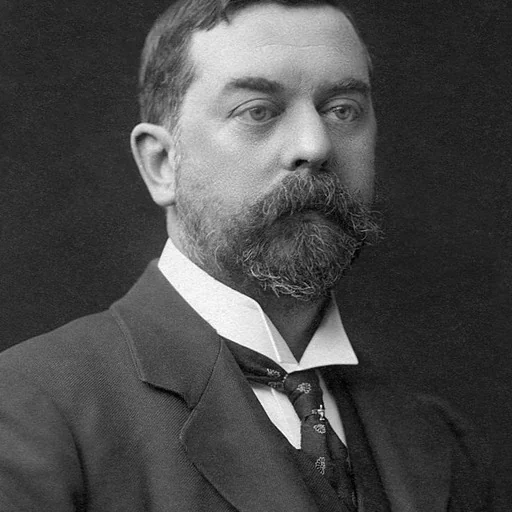
Artist
John Singer Sargent (; January 12, 1856 – April 15, 1925) was an American expatriate artist, considered the "leading portrait painter of his generation" for his evocations of Belle Époque and Edwardian-era luxury.

![Figure on Horseback and Other Studies [verso], by Winslow Homer](https://artifactworldgallery.com/img/winslow-homer--figure-on-horseback-and-other-studies-verso--3909dbf700a8f786-w320.webp)
![Trees [verso], by David Cox](https://artifactworldgallery.com/img/david-cox--trees-verso--2f59ba73e183df09-w320.webp)