Artwork
Gipsy Encampment
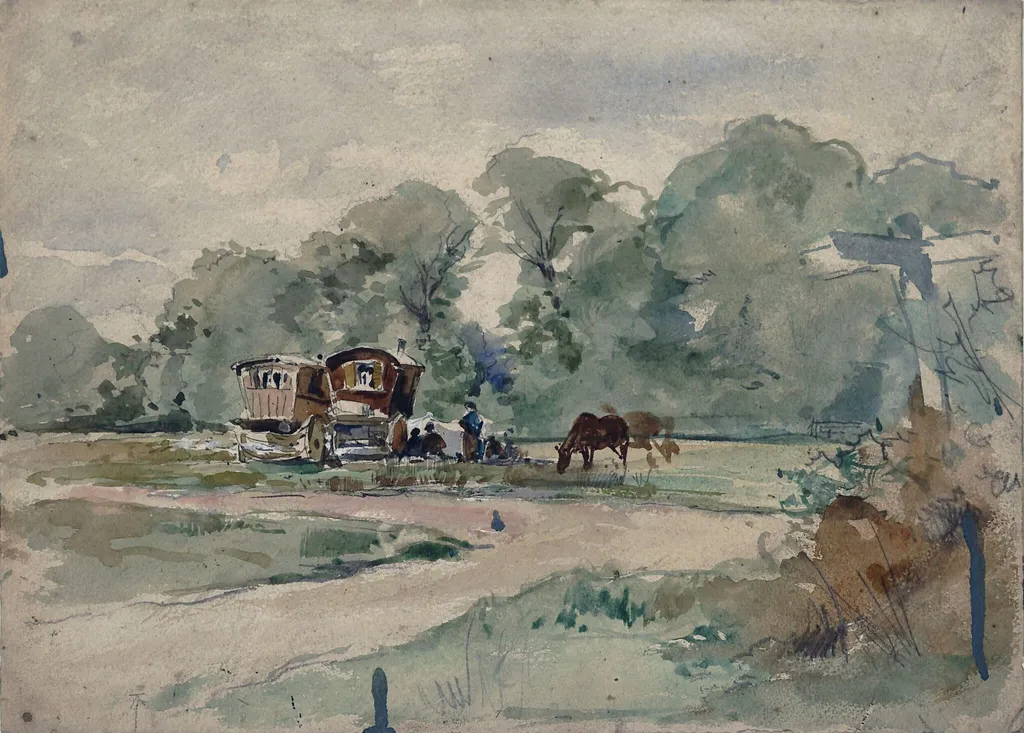
Gipsy Encampment is a watercolor work on paper by John Sargent Noble. It dates from 1850 and is held in the collection of the Victoria and Albert Museum.
About this work
Overview
The work presents a quiet scene of a nomadic encampment, rendered in delicate washes that evoke a hazy, tranquil atmosphere.
John Sargent Noble created this watercolour toward the close of the 19th century, signing it as the artist. The work presents a quiet scene of a nomadic encampment, rendered in delicate washes that evoke a hazy, tranquil atmosphere. Its composition centers on a parked cart and a grazing horse beneath shaded trees, with a muted, overcast sky overhead. The medium’s transparency lends the image a lightness, reinforcing its contemplative mood.
Subject & Meaning
The scene portrays a group of itinerant people, identified in the title by the term 'Gipsy'—a historical label now regarded as outdated and potentially offensive unless used self-referentially. Noble’s depiction avoids overt narrative, instead focusing on stillness: the horse at rest, the cart idle, the figures absent. This quietude may reflect 19th-century romanticism toward nomadic life, though it offers no insight into the community’s actual conditions or agency.
Technique & Style
Noble employed watercolour with restrained brushwork, layering thin washes to suggest soft light and diffuse shadows. The clouds and foliage are rendered in blurred tones, creating a sense of atmospheric depth without sharp definition. The absence of strong outlines and the gentle blending of hues contribute to an ethereal quality, characteristic of late-Victorian landscape watercolours that favored mood over detail.
History & Provenance
The painting’s documented history is limited to its creation by Noble and his signature. No record of early ownership, exhibition, or public acquisition is known. Its survival suggests it was retained within private collections, possibly by the artist’s circle or patrons interested in pastoral subjects. The title, likely assigned by Noble, remains unchanged in current records.
Context
In late 19th-century Britain, depictions of itinerant communities often blended observation with idealization, reflecting broader cultural fascination with 'the exotic' and vanishing rural traditions. Noble’s work aligns with this trend, presenting a serene, apolitical scene that avoids the social tensions surrounding nomadic life. Such imagery was common in watercolour, a medium associated with leisure and refined taste among middle-class collectors.
Legacy
The painting endures as a quiet example of its time, valued for its technical restraint and evocative atmosphere rather than its social commentary. While the term in its title is no longer in common use, the work remains a historical artifact of how nomadic communities were visually framed by non-members. It contributes to the broader archive of 19th-century British watercolours that sought beauty in the everyday and the transient.
Artist & collection
Artist
John Sargent Noble painted quiet, detailed watercolors of rural life around the late 1800s.

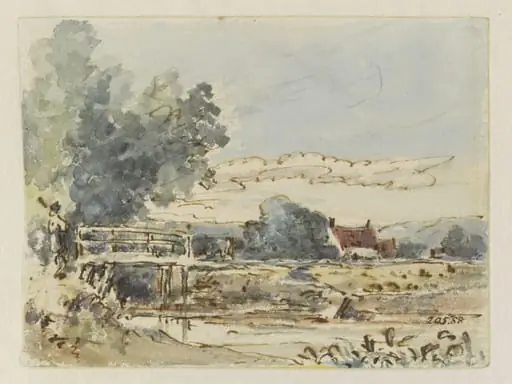 A bridge over a stream, with a cottage behind
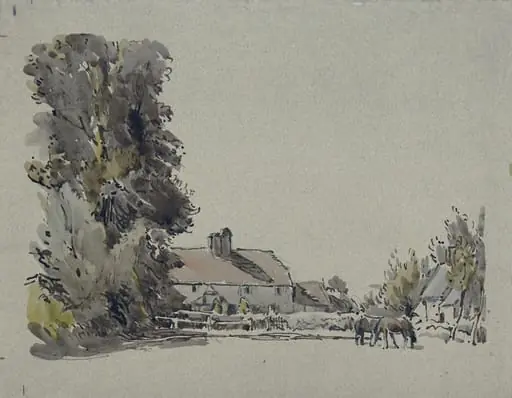 Farm and Trees
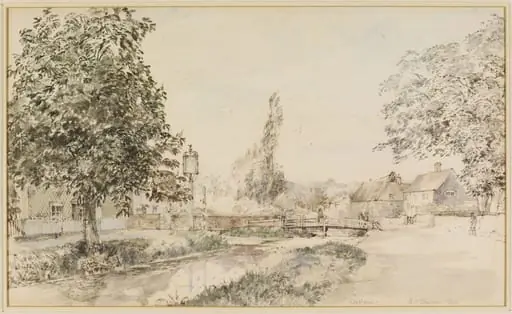 Dalham (the footbridge)
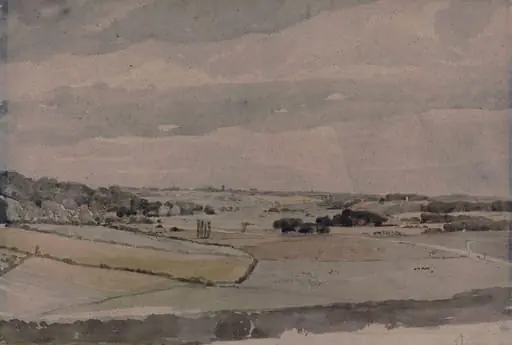 Landscape
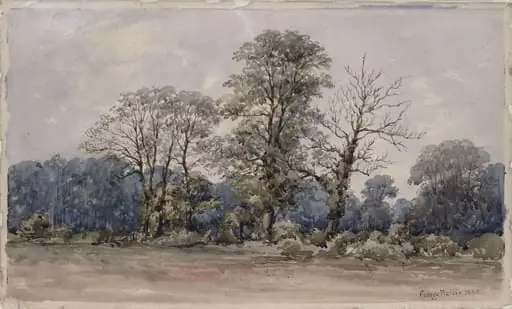 Trees at Perry Bar, near Birmingham
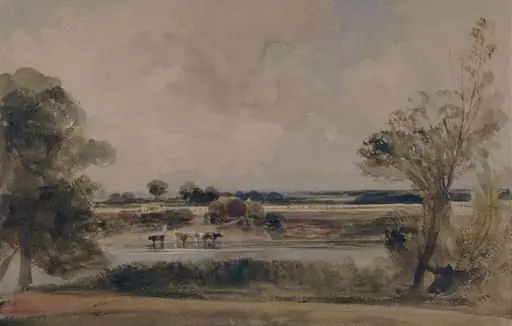 View near Salt Hill
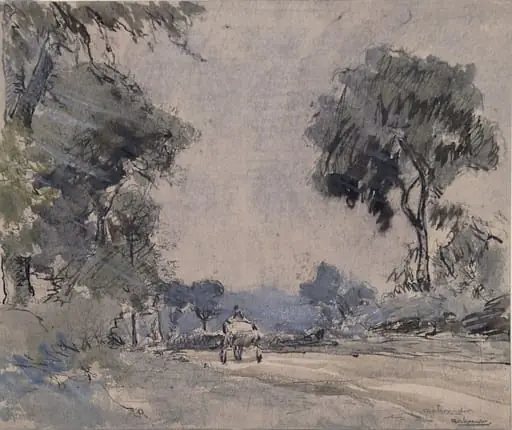 Rainy Afternoon
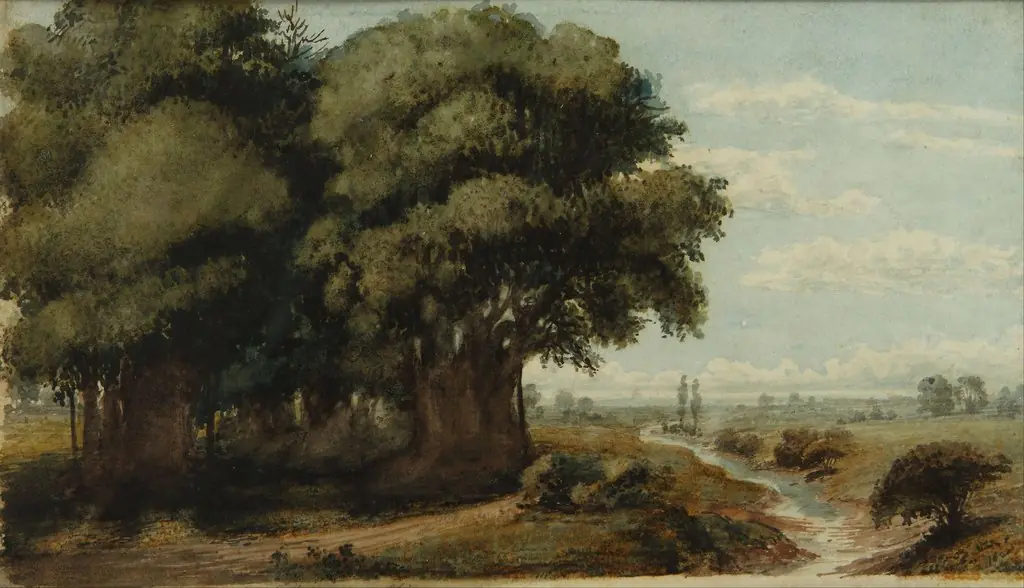 Capricho (Olivos 13 Nov. 1858)
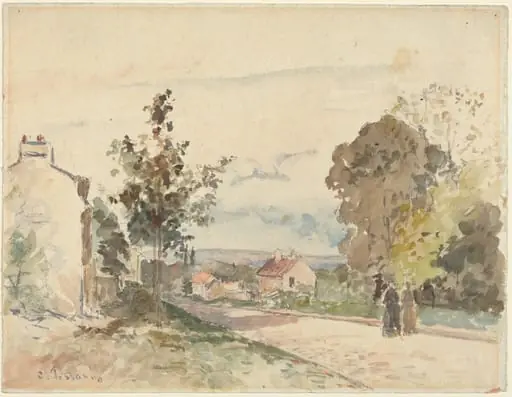 The Road from Versailles to Louveciennes
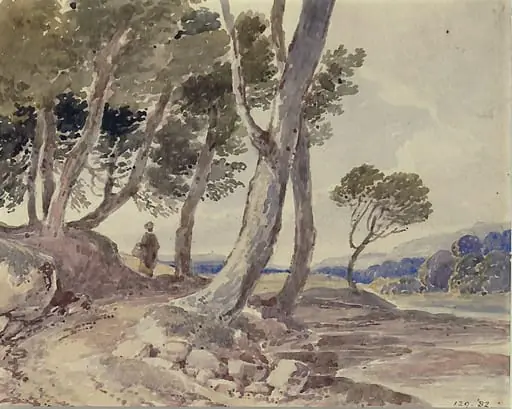 Landscape with trees and water
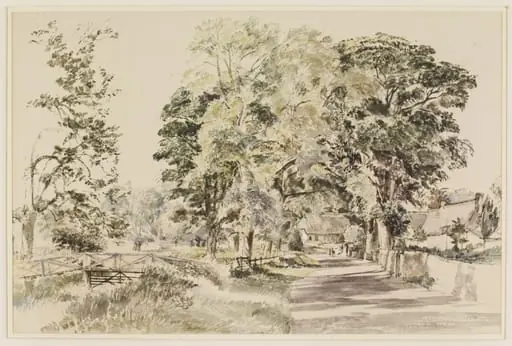 Dalham
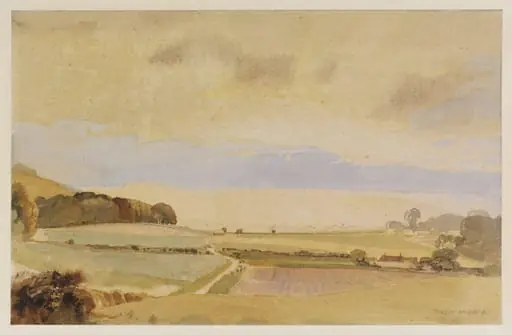 The Southdown, Underhill Road; Wolstonbury, showing Danny Farm