Artwork
Guy Little Theatrical Photograph
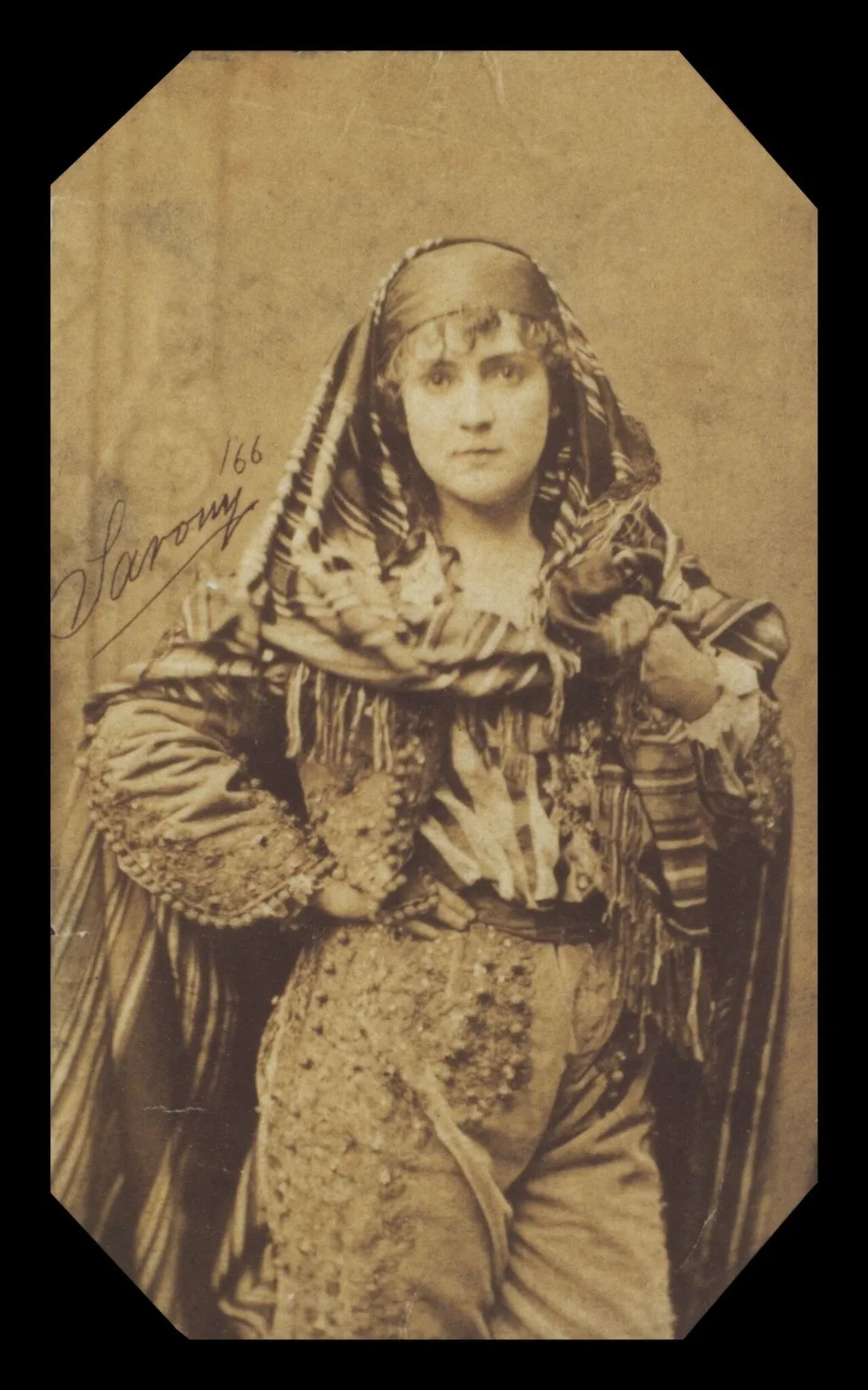
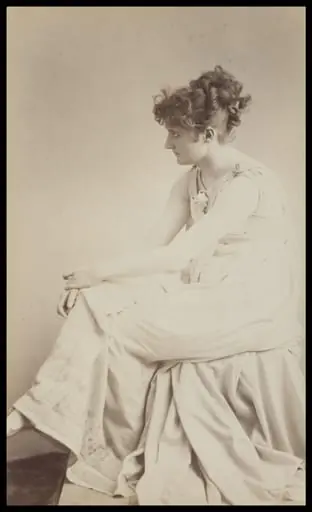
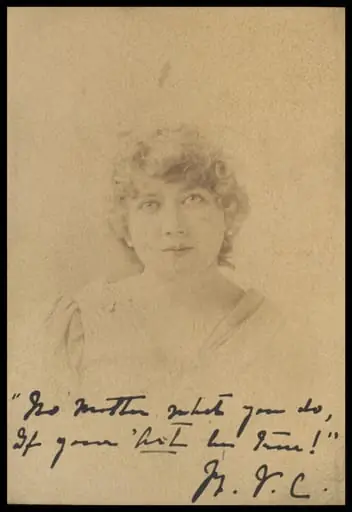
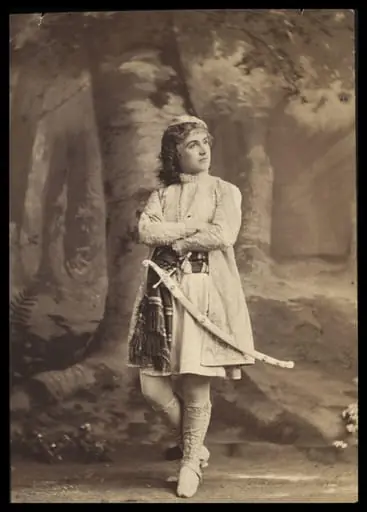
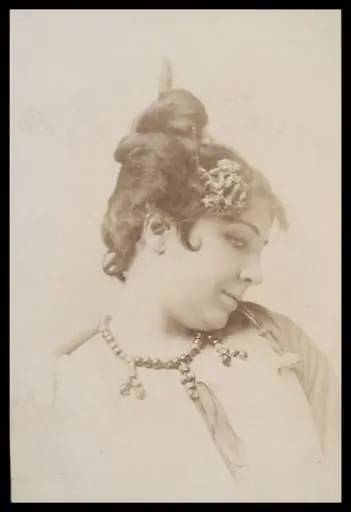
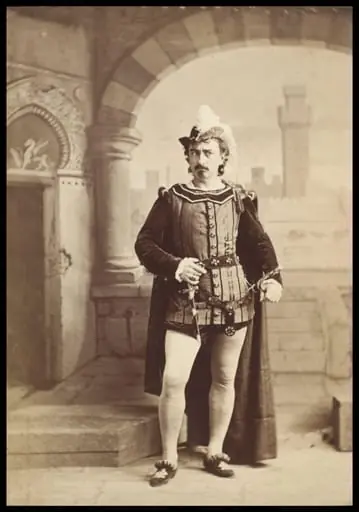
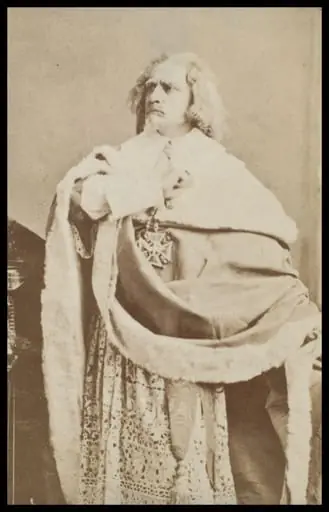
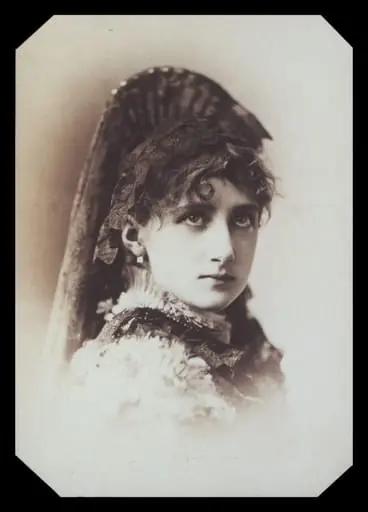
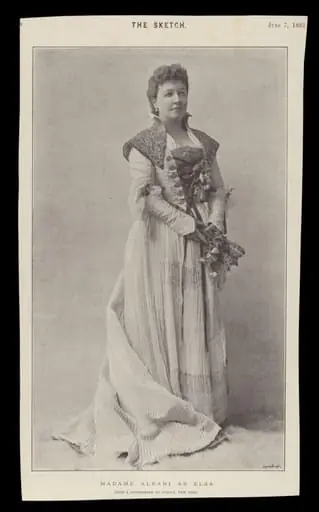
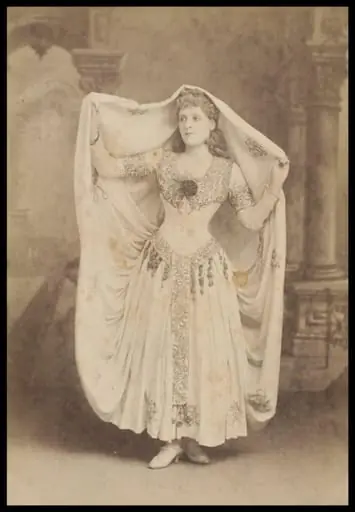
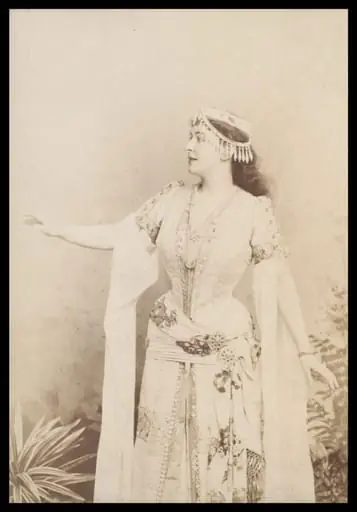
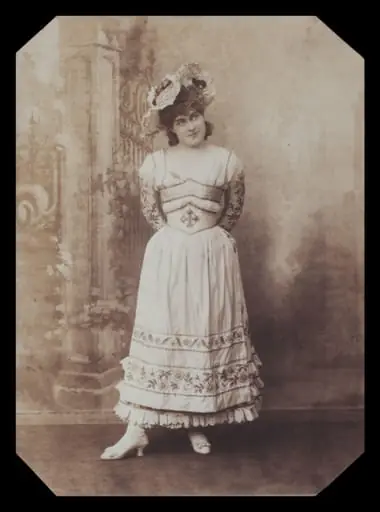
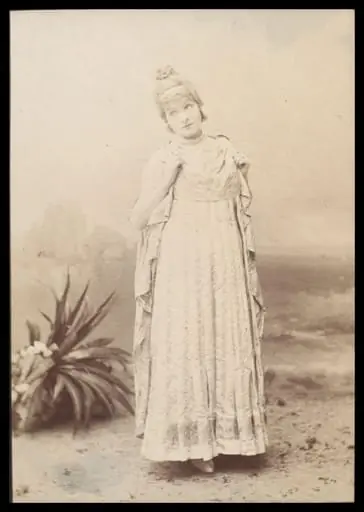
Guy Little Theatrical Photograph is a photographic photography by the Impressionist artist Sarony. It dates from 1866 and is held in the collection of the Victoria and Albert Museum.
About this work
This photograph is from 1866.
It shows Adah Isaacs Menken in character.
The photo was made for a 'carte de visite', a type of small photo card that was popular back then.
People collected these cards like trading cards.
They had pictures of famous people, places, and things on them.
You can learn more about this type of photography at the Victoria and Albert Museum.
Overview
This photograph, taken in 1866, captures Adah Isaacs Menken in a theatrical role, produced as a carte de visite — a small albumen print mounted on card.
This photograph, taken in 1866, captures Adah Isaacs Menken in a theatrical role, produced as a carte de visite — a small albumen print mounted on card. It originates from the personal collection of Guy Tristram Little, a solicitor and avid collector of photographic ephemera, who bequeathed his holdings to the Victoria and Albert Museum. The image reflects the widespread Victorian practice of documenting performers through mass-produced photographic formats, blending celebrity culture with emerging photographic technology.
Subject & Meaning
Adah Isaacs Menken, a celebrated actress known for her dramatic performances and unconventional persona, is depicted in character rather than in everyday attire. The image serves not merely as a portrait but as a visual artifact of her stage presence, reinforcing her public identity through the medium of photography. Such images allowed audiences to engage with performers beyond the theater, transforming actors into cultural icons accessible in domestic settings.
Technique & Style
The photograph is an albumen print made from a glass negative, the standard process for cartes de visite during the 1860s. The small format, roughly the size of a visiting card, was designed for easy handling and collection. The composition is formal, with careful lighting and staging typical of studio portraiture, emphasizing the subject’s costume and expression to convey theatricality within the constraints of early photographic technology.
History & Provenance
The image was part of a larger assemblage of cartes de visite and cabinet cards collected by Guy Tristram Little, who meticulously mounted them in albums. After his death in 1953, the collection was donated to the V&A. Little, also the executor of Gabrielle Enthoven’s estate, played a key role in preserving theatrical memorabilia, ensuring the survival of materials that later formed the foundation of the museum’s Theatre Collections.
Context
During the 1860s, cartes de visite became a social phenomenon, exchanged and collected much like modern trading cards. Their subjects ranged from royalty and celebrities to landscapes and artworks, reflecting a public fascination with visual documentation. Theatrical figures like Menken were especially popular, as their images bridged the gap between live performance and private viewing, democratizing access to fame in an era before film or radio.
Legacy
Little’s collection, including this photograph, preserves a snapshot of 19th-century visual culture and the rise of celebrity photography. By safeguarding these fragile prints, he contributed to the historical record of performance and popular media. Today, such items offer scholars insight into how identity, fame, and technology intersected in Victorian society, anchoring ephemeral performances in tangible form.
Artist & collection

Artist
Napoléon Sarony was a Canadian-born American lithographer and photographer. He was a highly popular portrait photographer, best known for his portraits of the stars of late-19th-century American theater. His son, Otto…