Artwork
Guy Little Theatrical Photograph
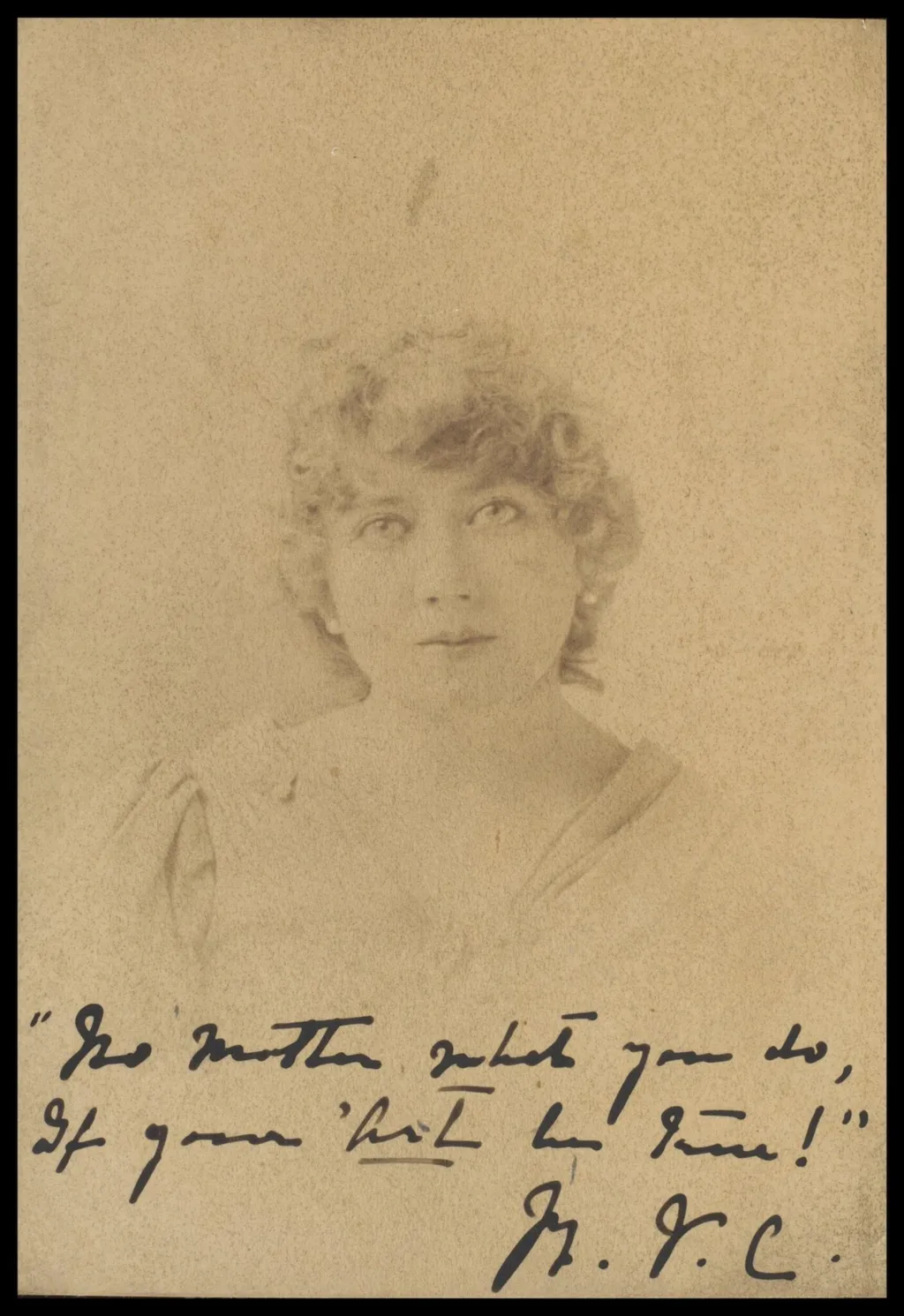
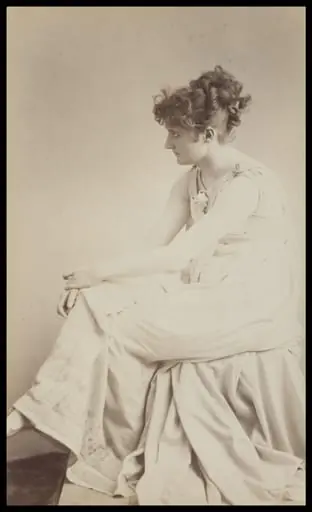
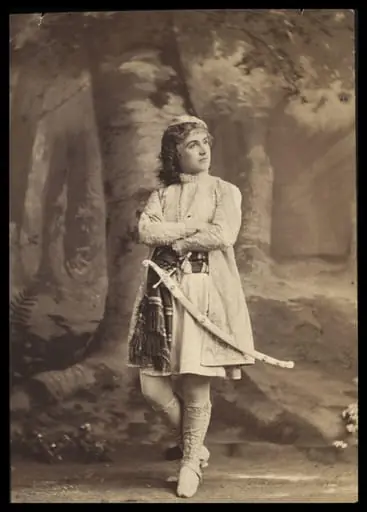
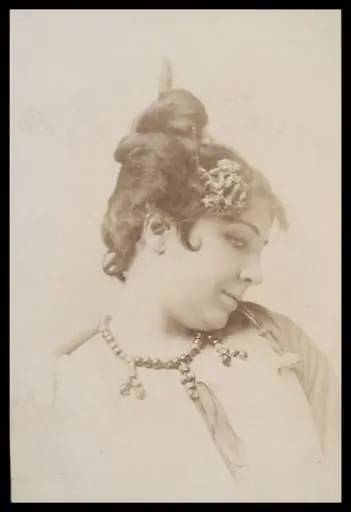
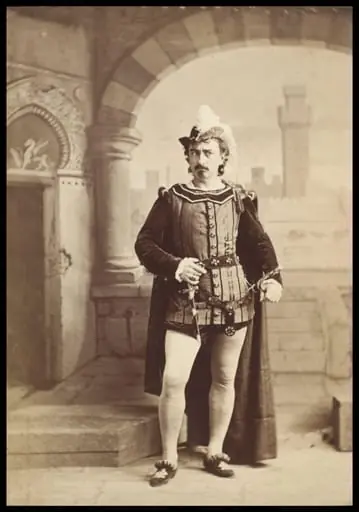
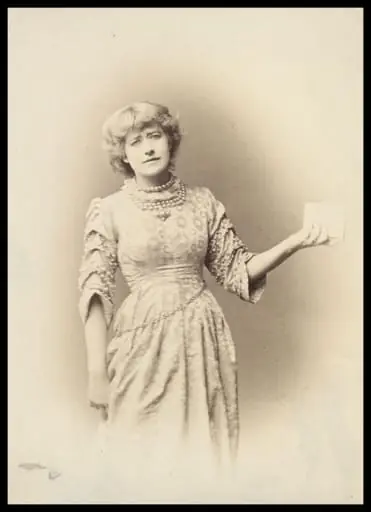
Guy Little Theatrical Photograph is a photographic photography by the Impressionist artist Sarony. It dates from 31 and is held in the collection of the Victoria and Albert Museum.
About this work
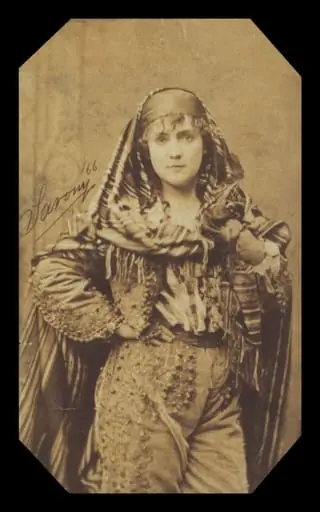
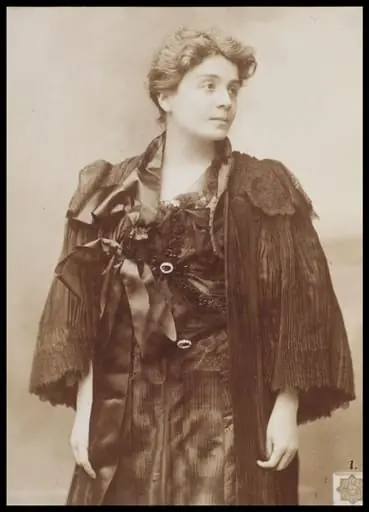
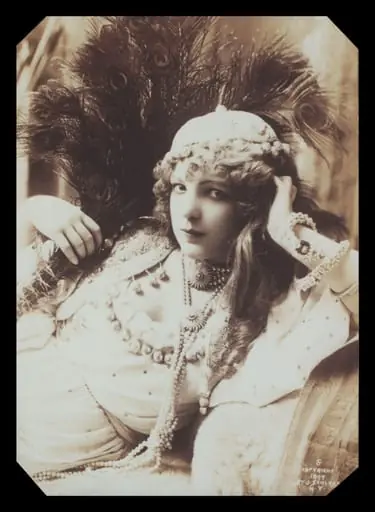
This photo shows Rosina Vokes, an actress, in a studio setting. It was taken on New Year’s Eve 1892 by Sarony, a well-known photographer of the time.
In the late 1800s, actors often posed for these photos to sell or share. They were printed on cards meant for fans or collectors.
Check out the Victoria and Albert Museum for more on Victorian photography.
Overview
Produced as a cabinet card, it belongs to a private collection assembled by Guy Tristram Little, a solicitor and avid collector of photographic memorabilia.
This photograph of actress Rosina Vokes was taken by Napoleon Sarony on New Year’s Eve, 1892, as part of a broader practice of theatrical portraiture in late Victorian England. Produced as a cabinet card, it belongs to a private collection assembled by Guy Tristram Little, a solicitor and avid collector of photographic memorabilia. The image was later donated to the Victoria and Albert Museum, where it contributes to one of the most significant holdings of theatrical photography in Britain.
Subject & Meaning
Rosina Vokes, a prominent stage performer of the late 19th century, is depicted in a controlled studio setting, likely in costume or attire associated with a recent role. Such portraits served both as promotional tools and personal mementos, allowing fans to connect with performers beyond the theater. The image reflects the era’s fascination with celebrity culture and the growing market for accessible, collectible likenesses of public figures.
Technique & Style
The photograph is an albumen print mounted on a sturdy card backing, characteristic of cabinet cards produced after the 1870s. Sarony’s studio employed careful lighting and posed compositions to enhance the subject’s presence, typical of professional theatrical portraiture. The print’s sharp detail and refined finish indicate high-quality production, aligning with Sarony’s reputation as a leading photographer of stage personalities.
History & Provenance
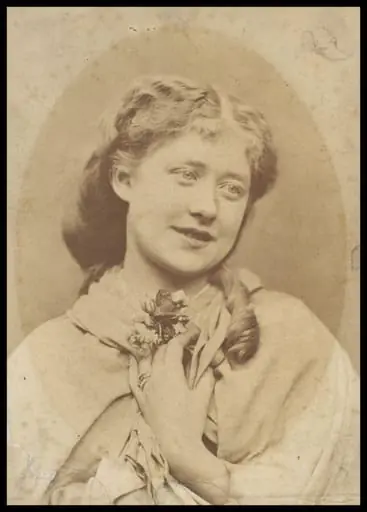
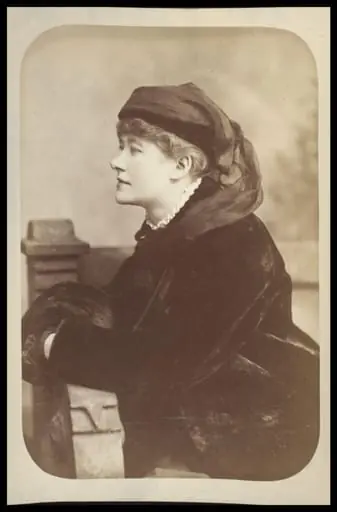
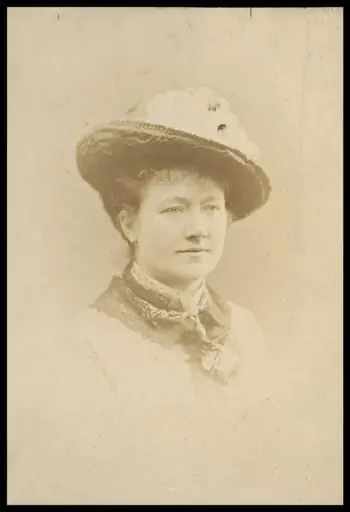
The photograph was once part of Guy Tristram Little’s personal album, which he compiled from hundreds of cartes de visite and cabinet cards removed from their original mounts. Little, a partner in a London law firm, collected theatrical ephemera and later became executor to Gabrielle Enthoven’s estate. Upon his death in 1953, his collection was bequeathed to the V&A, forming a core part of its theatrical archives.
Context
During the 1880s and 1890s, cabinet cards replaced the smaller cartes de visite as the preferred format for theatrical portraits, offering greater detail and durability. Photographers like Sarony catered to a public eager to own images of favorite actors, turning studio portraits into cultural commodities. These cards circulated widely, appearing in homes, scrapbooks, and commercial displays, bridging the gap between performance and private life.
Legacy
Little’s collection, now housed at the V&A, preserves a tangible record of Victorian theatrical culture and the evolution of photographic media. The photograph of Rosina Vokes exemplifies how performance and print converged in the late 19th century, offering insight into the mechanisms of fame, fandom, and the material culture of theater before the rise of cinema.
Artist & collection

Artist
Napoléon Sarony was a Canadian-born American lithographer and photographer. He was a highly popular portrait photographer, best known for his portraits of the stars of late-19th-century American theater. His son, Otto…