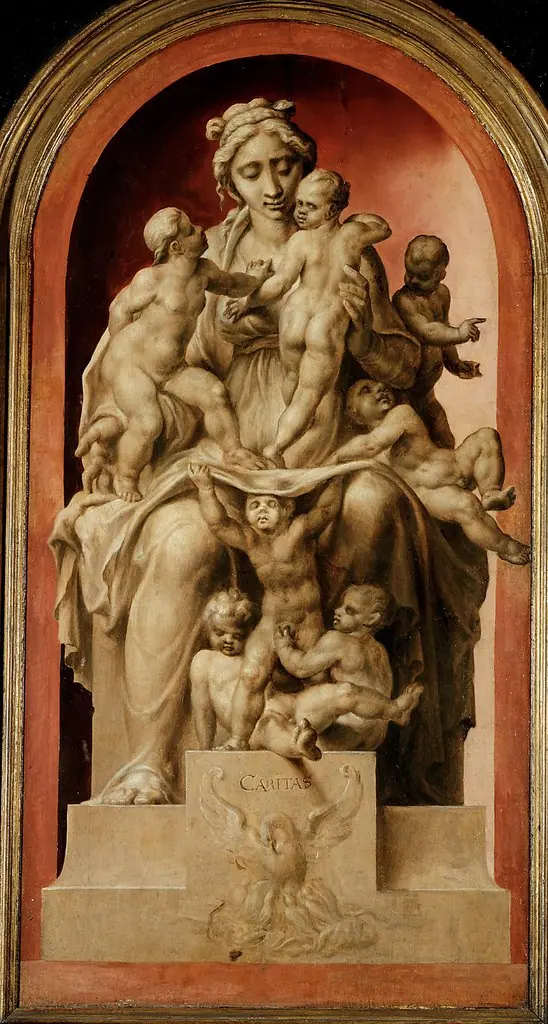
Artwork
Cupids Playing
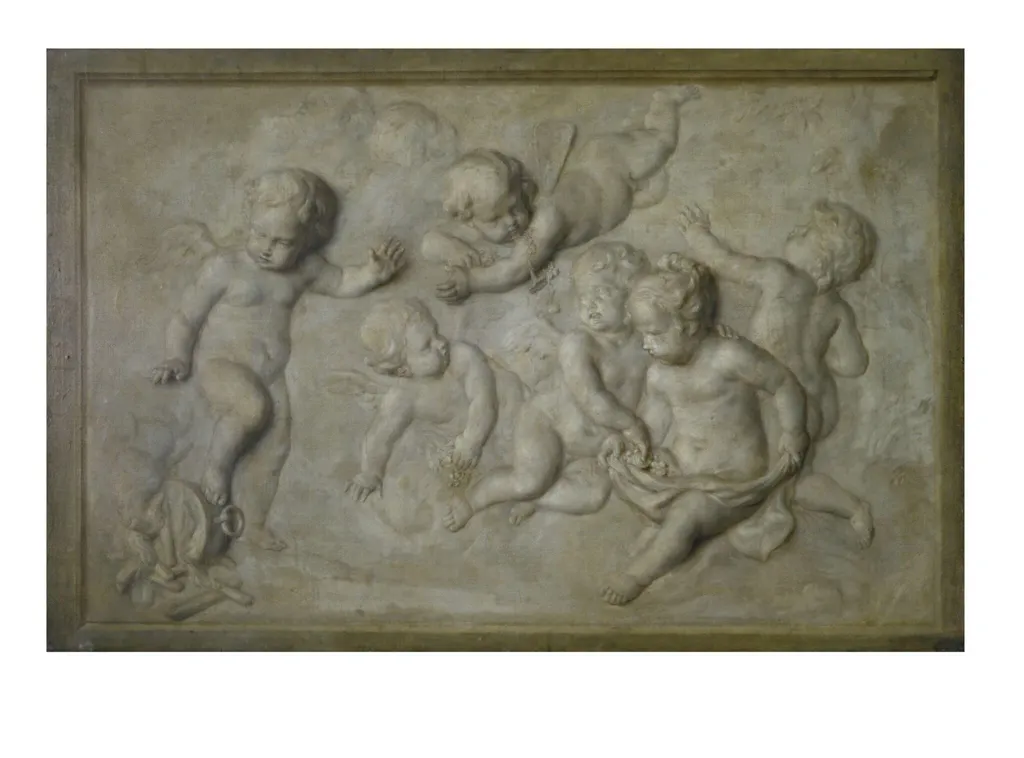
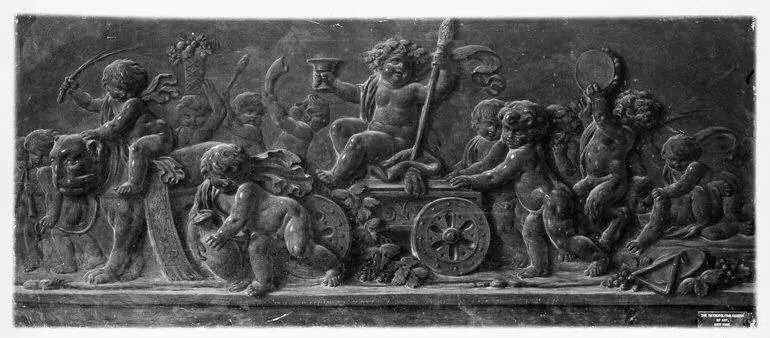
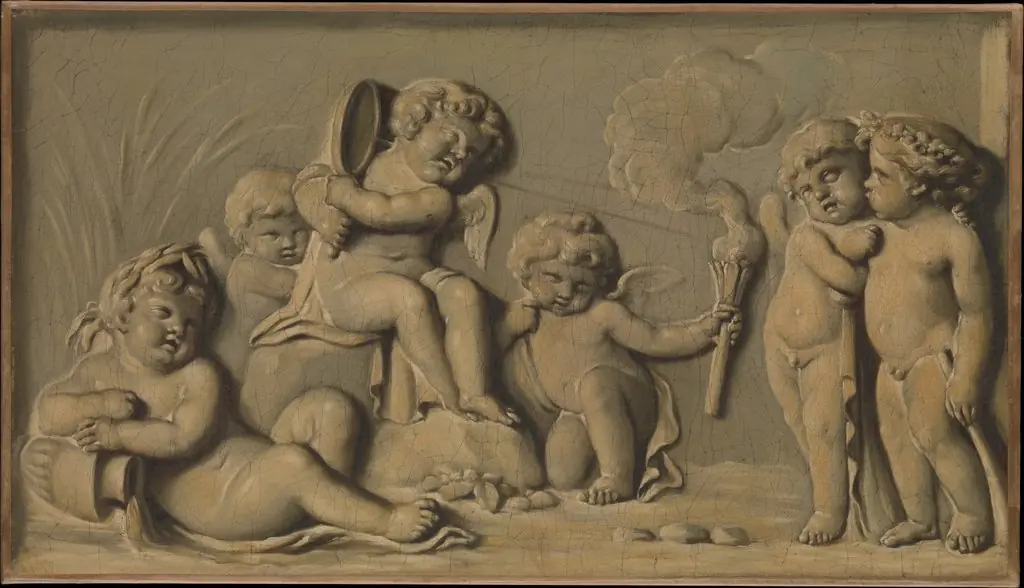
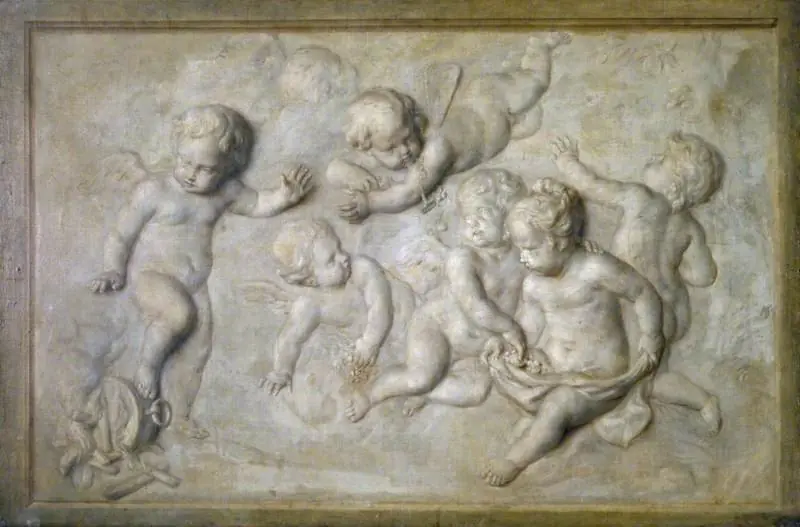
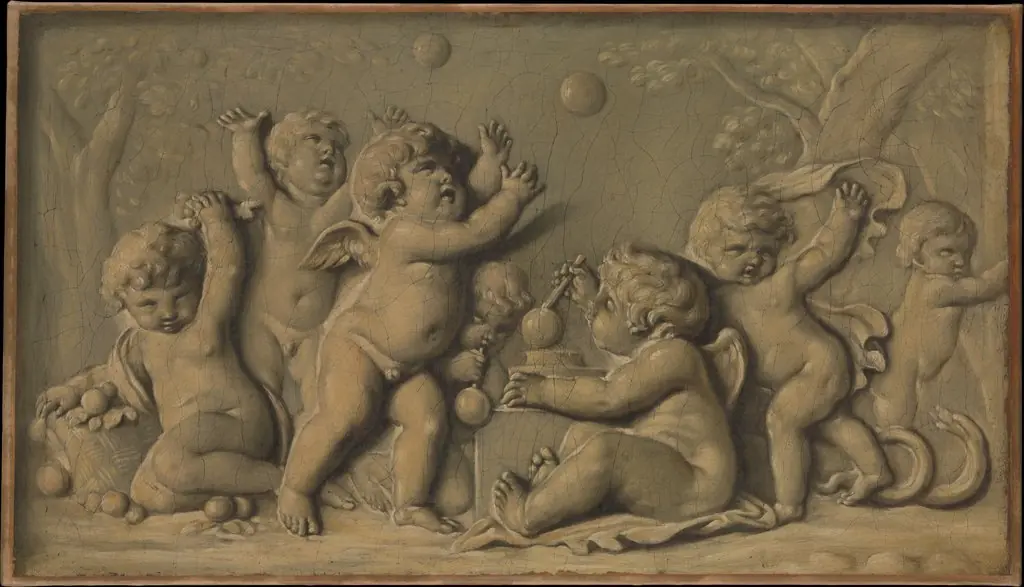
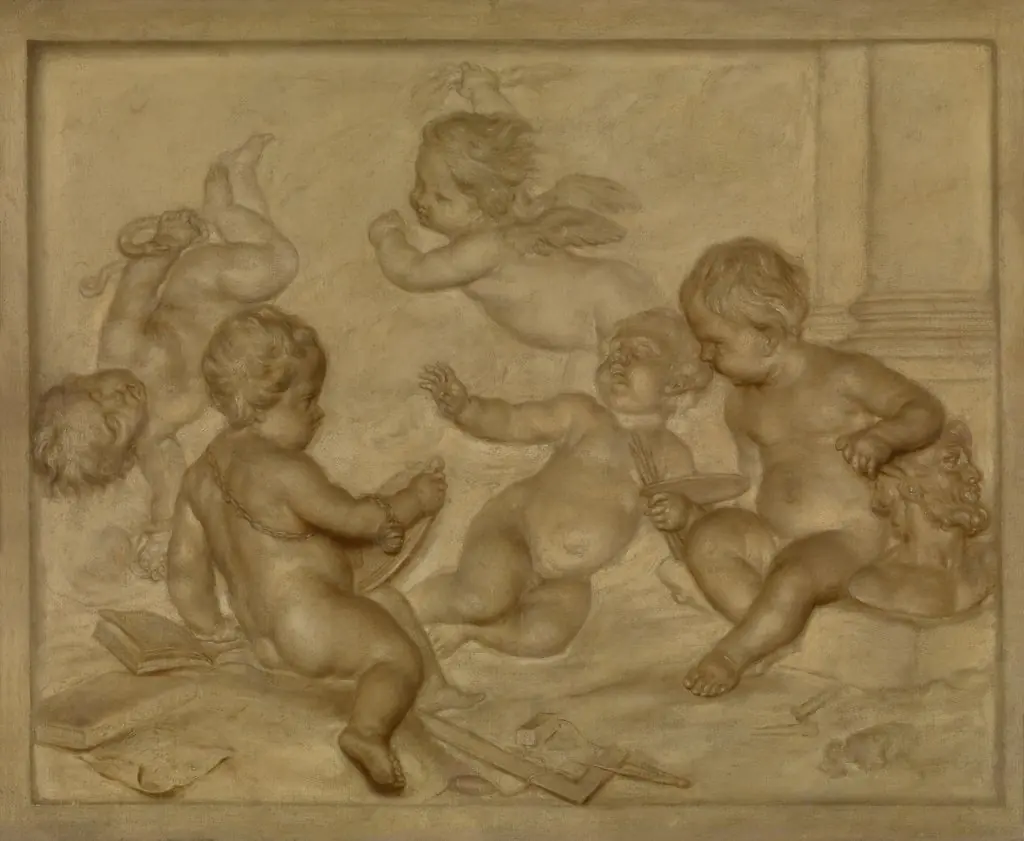
Cupids Playing is an oil painting by the Rococo painting artist Piat Joseph Sauvage. It dates from 1784 and is held in the collection of the Victoria and Albert Museum. Piat-Joseph Sauvage, a Flemish artist active in late 18th-century Paris, specialized in illusionistic painting techniques.
About this work
Overview
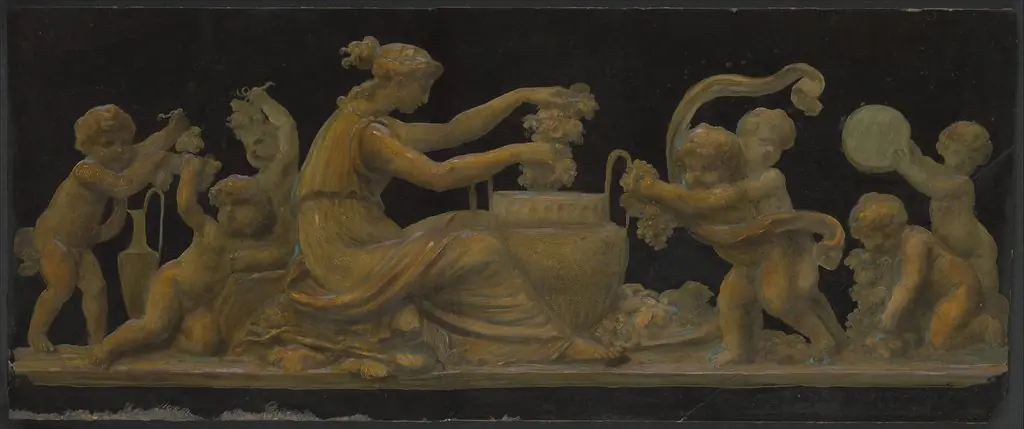
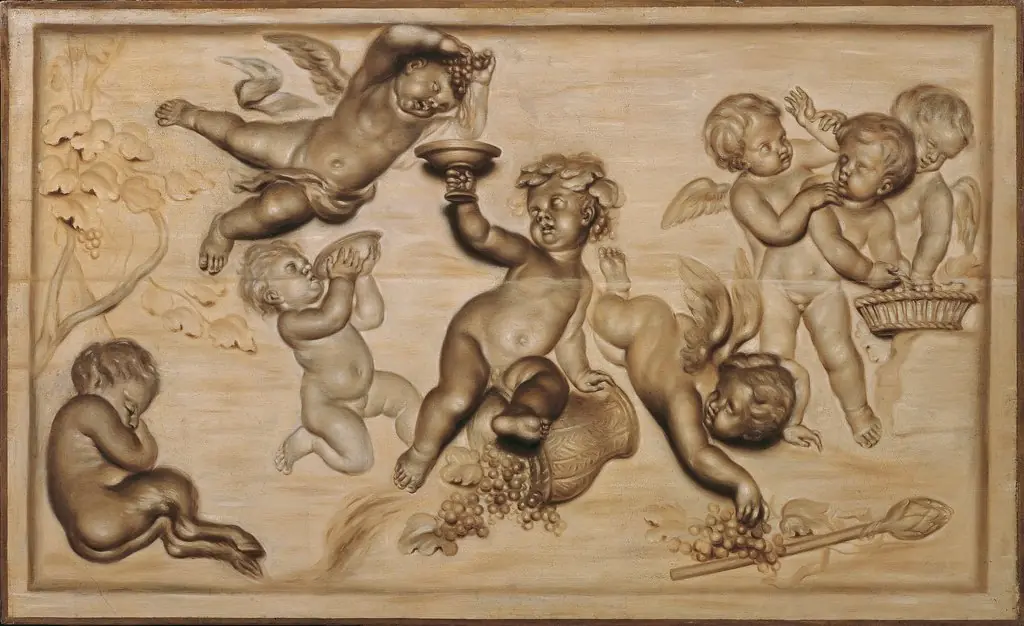
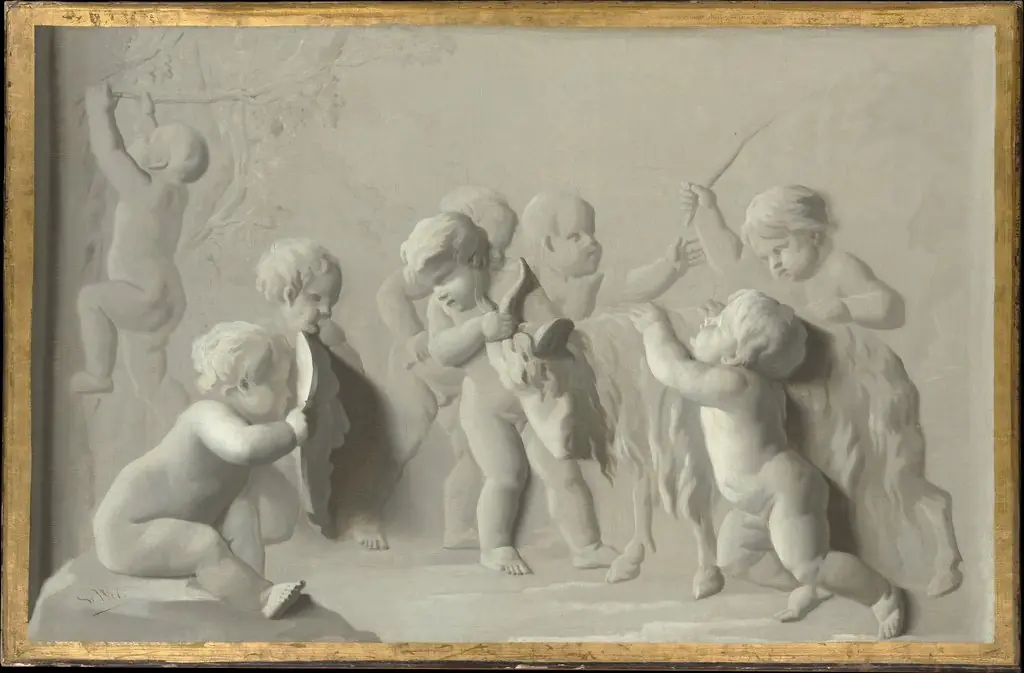
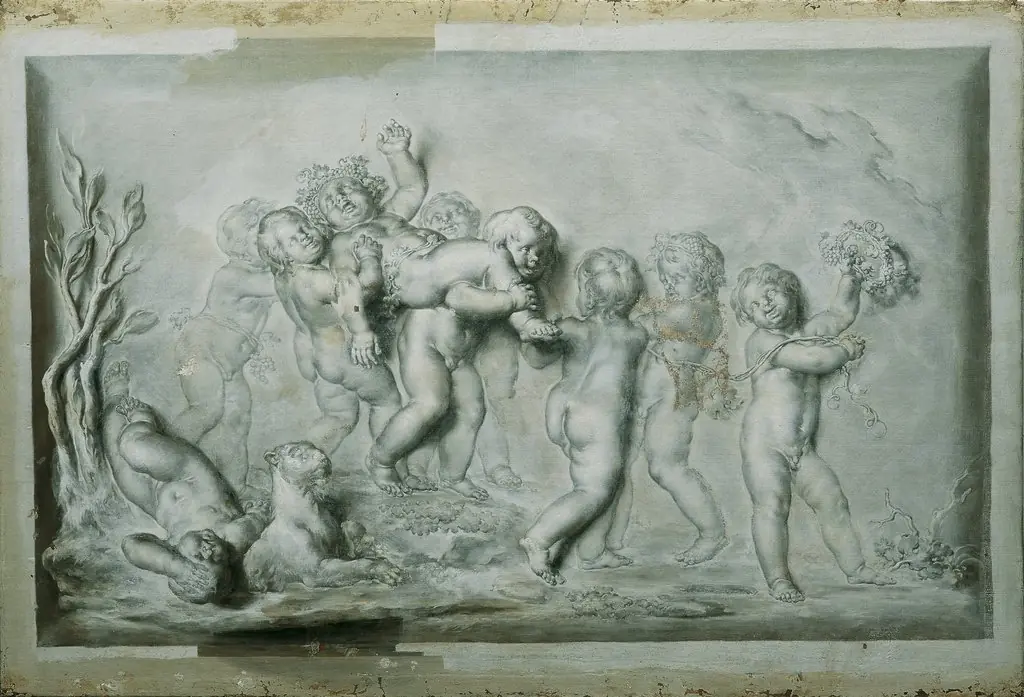
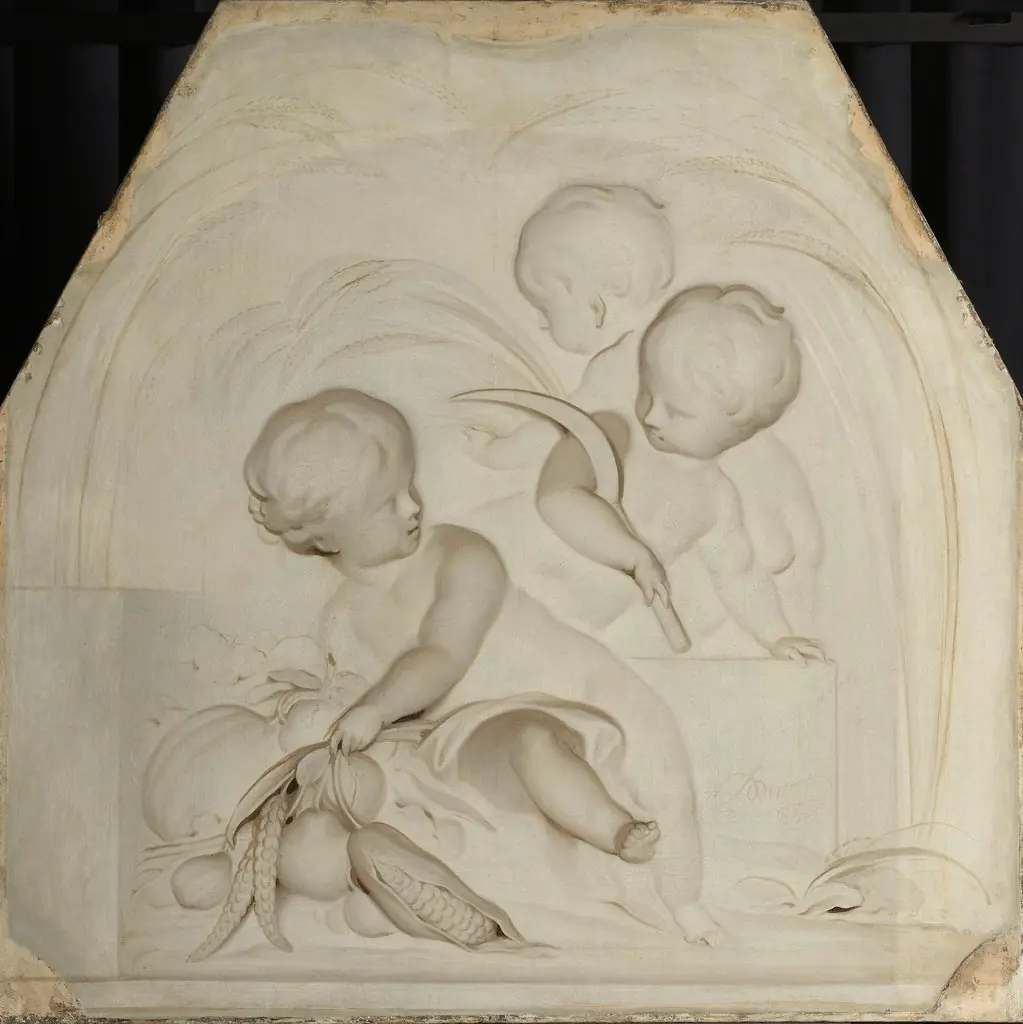
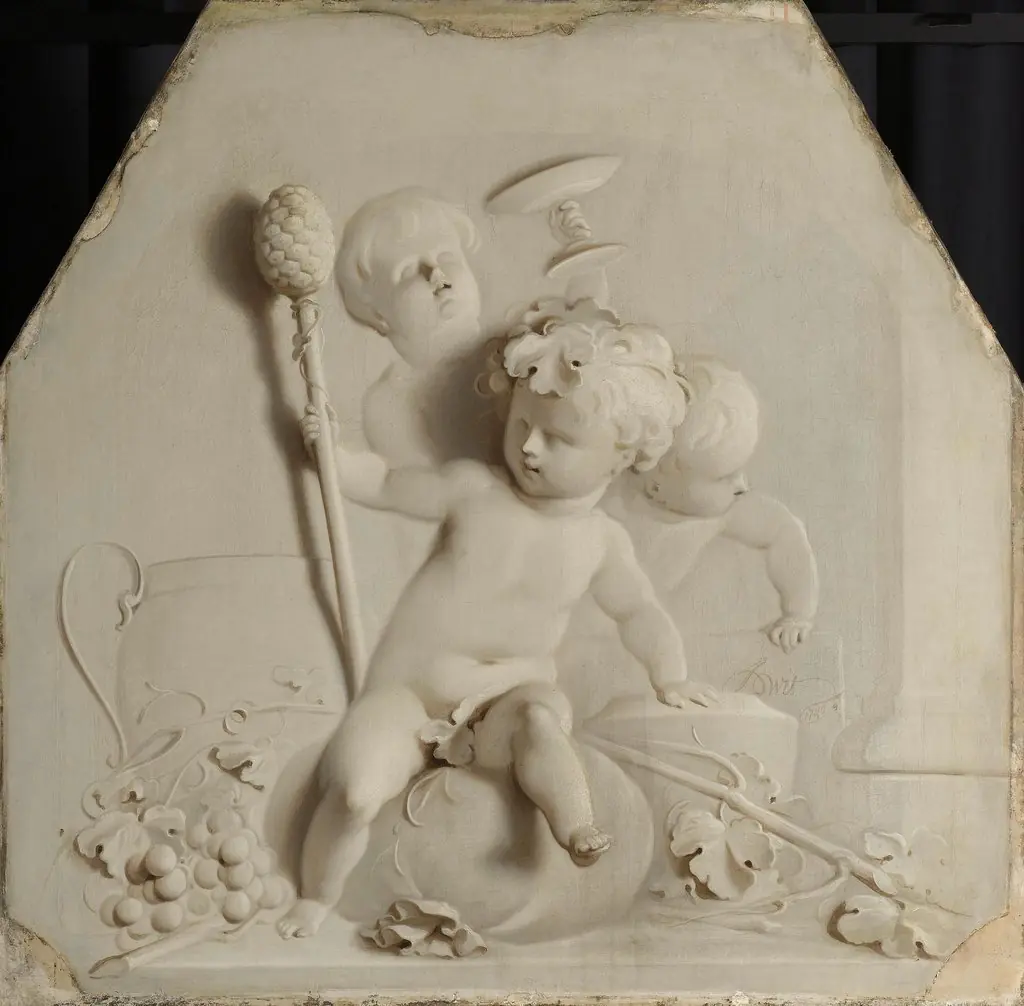
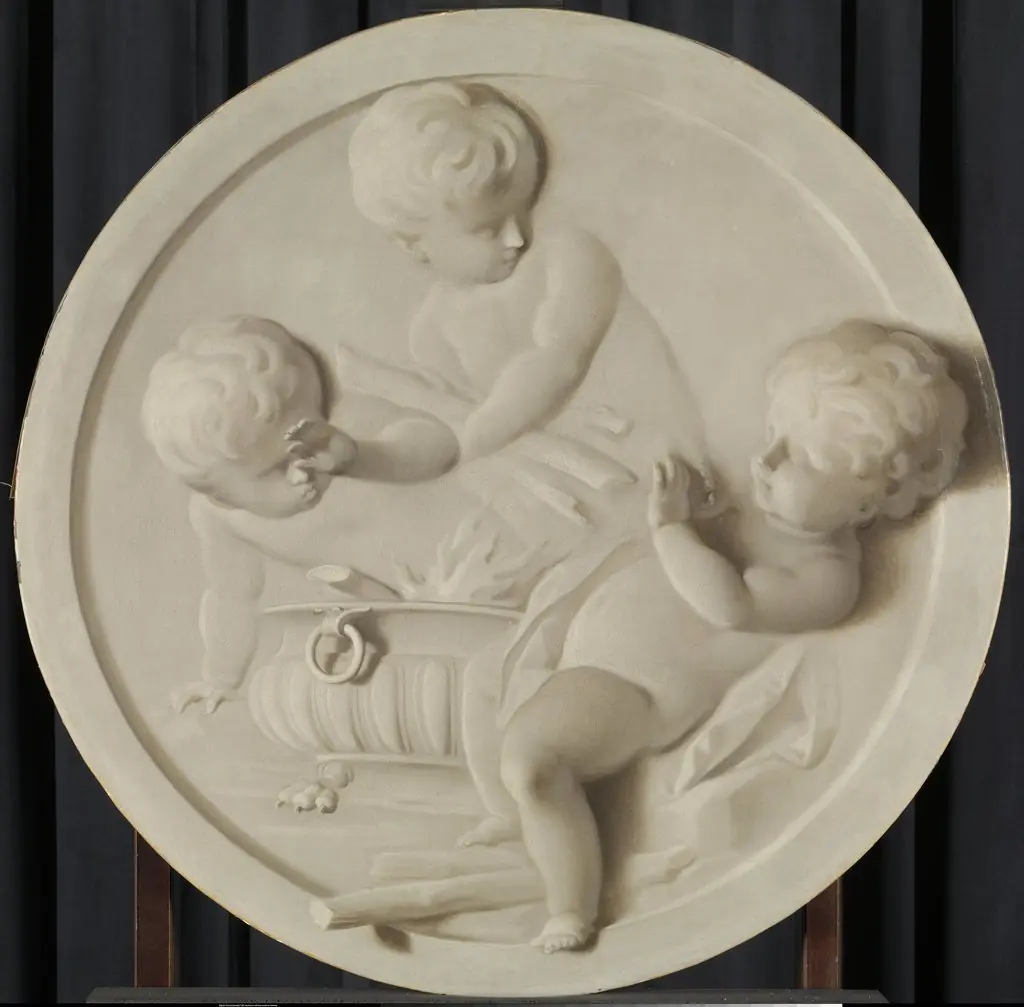
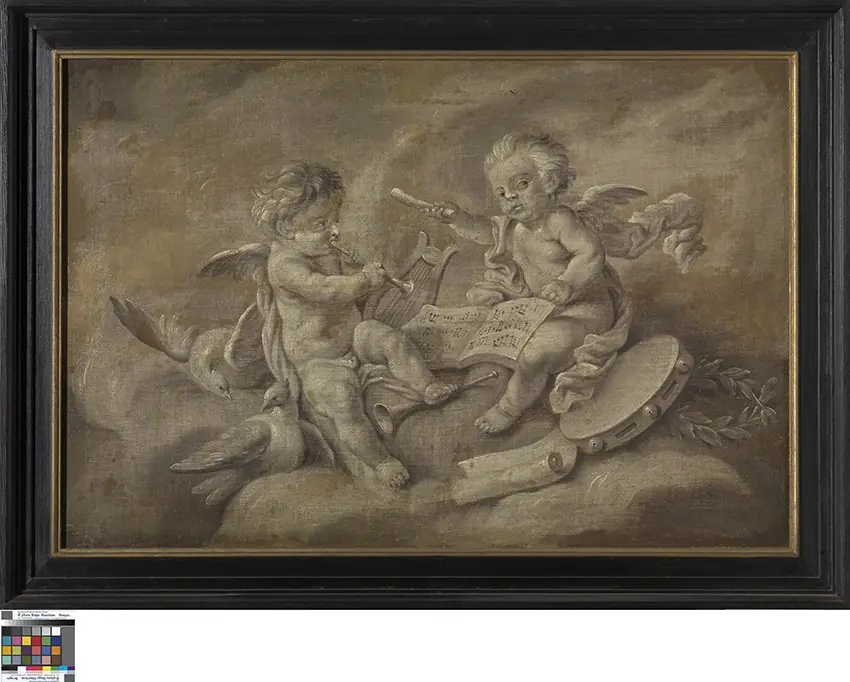
This oil work features a group of putti engaged in playful activity, rendered in a grisaille style that mimics classical stone relief.
Piat-Joseph Sauvage, a Flemish artist active in late 18th-century Paris, specialized in illusionistic painting techniques. This oil work features a group of putti engaged in playful activity, rendered in a grisaille style that mimics classical stone relief. Likely intended as an overdoor ornament, it reflects the decorative trends favored in aristocratic interiors of the period, blending Netherlandish precision with French Rococo sensibilities.
Subject & Meaning
The painting depicts putti—mythological infant figures associated with love and play—interacting with flowers and foliage in a lighthearted, unstructured composition. Their movement suggests spontaneity and joy, evoking themes of innocence and ephemeral pleasure. Such imagery was common in domestic settings, where decorative art served to convey refined taste rather than narrative depth, aligning with the era’s preference for charming, non-didactic imagery.
Technique & Style
Sauvage employed glazing and subtle tonal gradations to achieve a soft, luminous effect, mimicking the appearance of carved marble. The monochromatic palette enhances the trompe-l’oeil illusion, making the figures appear as if embedded in a low-relief panel. Delicate brushwork and controlled lighting create a sense of depth and motion, characteristic of his mastery in simulating three-dimensional surfaces on a flat plane.
History & Provenance
Sauvage moved to Paris by 1774 and gained recognition for his illusionistic works, becoming a member of the Académie Royale in 1783. This painting likely originated in a private French or Flemish collection, where such decorative panels adorned architectural spaces above doorways. Its function as interior ornamentation reflects the period’s integration of fine art into domestic architecture, though its specific early ownership remains undocumented.
Context
In the late 1700s, French and Flemish interiors favored decorative panels that combined classical references with Rococo lightness. Sauvage’s work fits within this trend, responding to elite tastes for refined, non-religious imagery. The use of putti and trompe-l’oeil relief was widespread in salons and boudoirs, serving as elegant yet unobtrusive embellishments that emphasized craftsmanship over grandeur.
Legacy
Sauvage’s contributions helped sustain the tradition of illusionistic decoration in post-Rococo France. While his works were once common in aristocratic homes, few survive in public collections today. His technique influenced later decorative painters who sought to blur the line between painting and sculpture, though his name remains less known than his contemporaries, overshadowed by broader art historical narratives.
Artist & collection
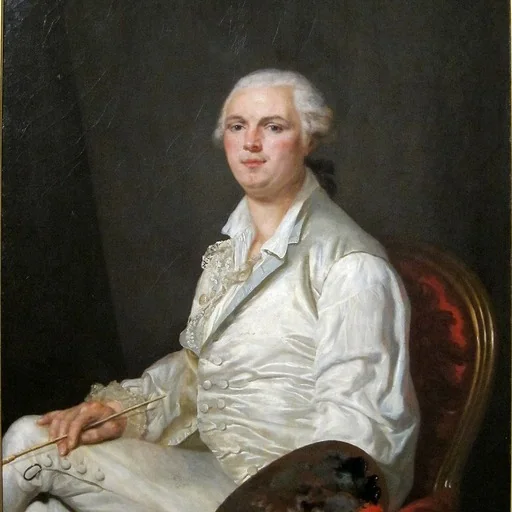
Artist
Piat Joseph Sauvage or Pieter Joseph Sauvage (19 January 1744 in Tournai – 11 June 1818 in Tournai) was a painter, sculptor, printmaker and academic lecturer from the Southern Netherlands.