Artwork
Children's Bacchanal
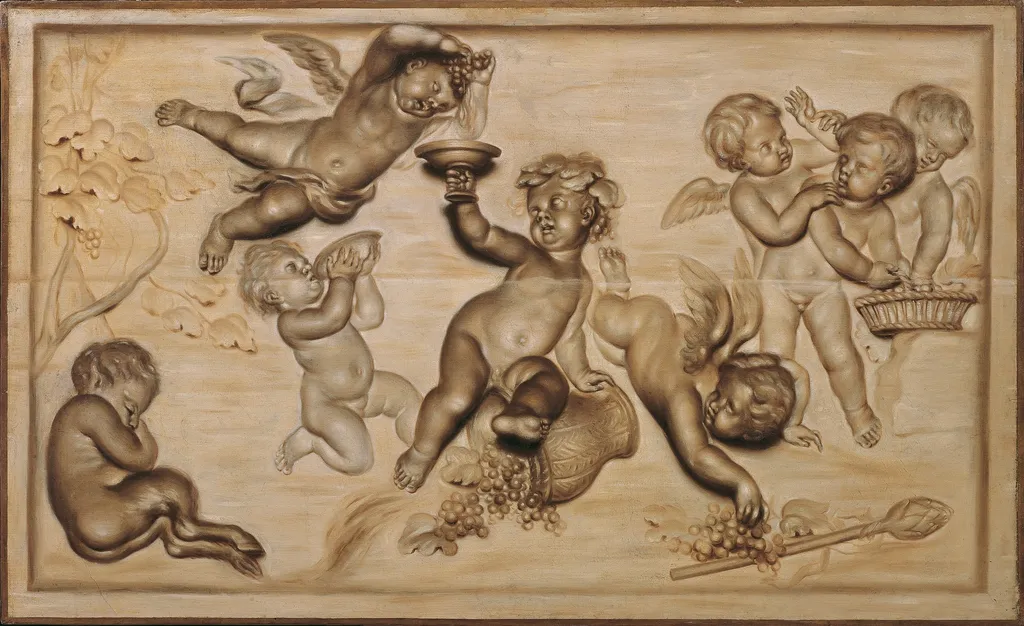
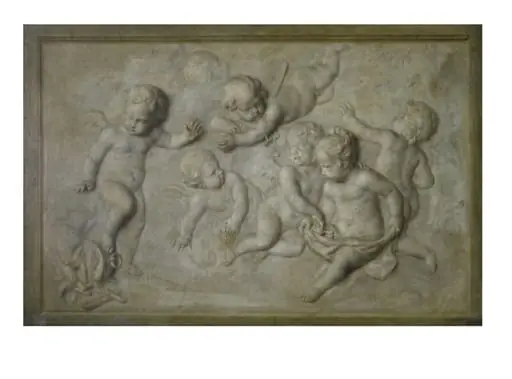
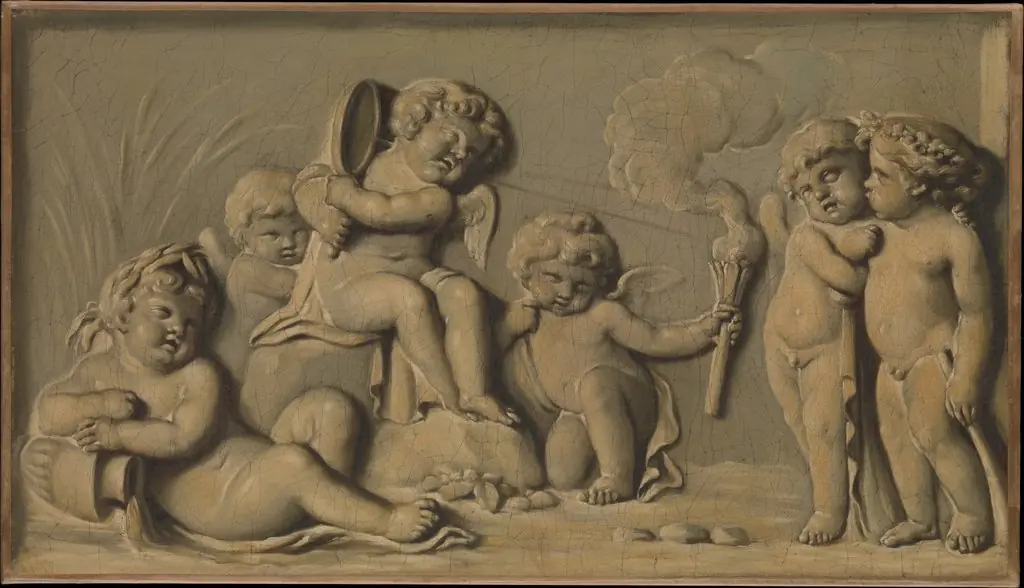
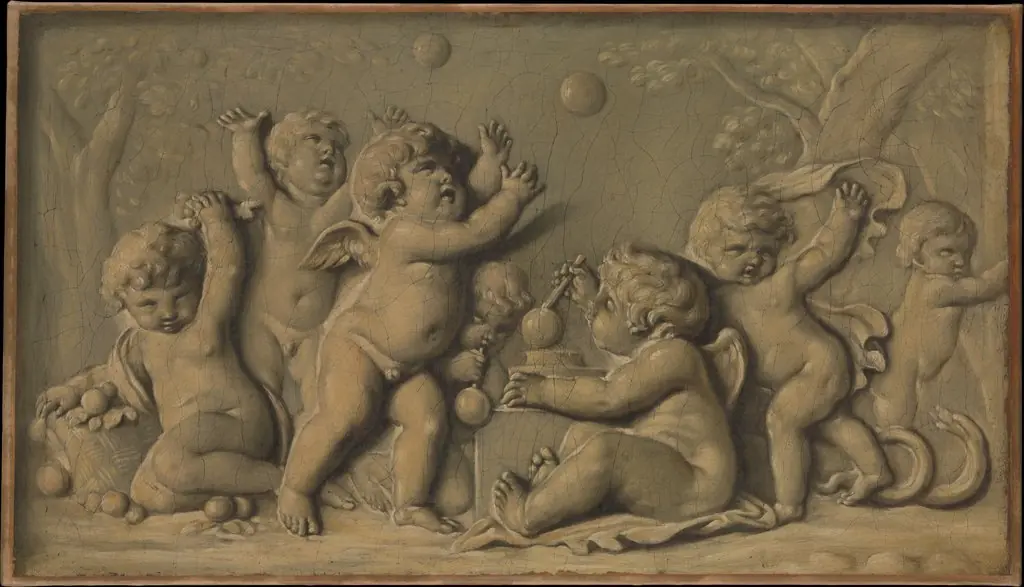
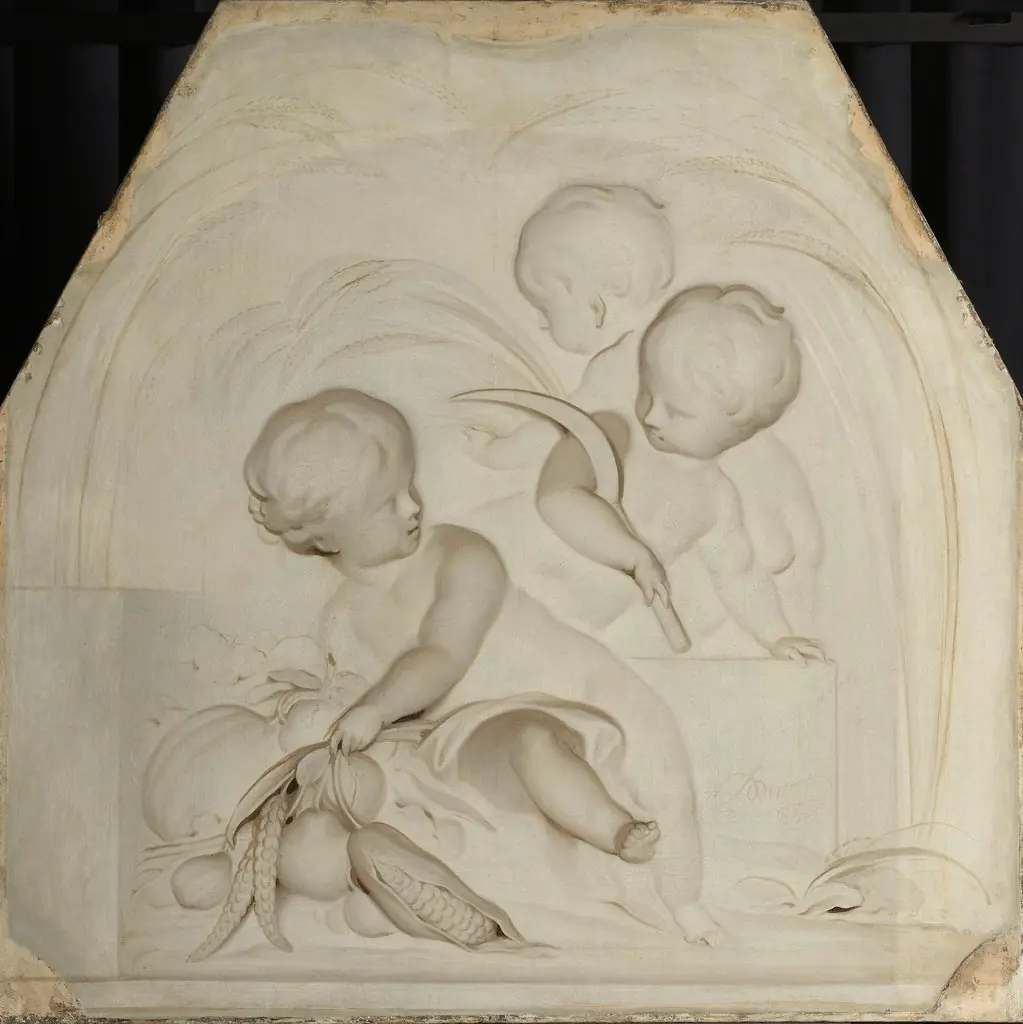
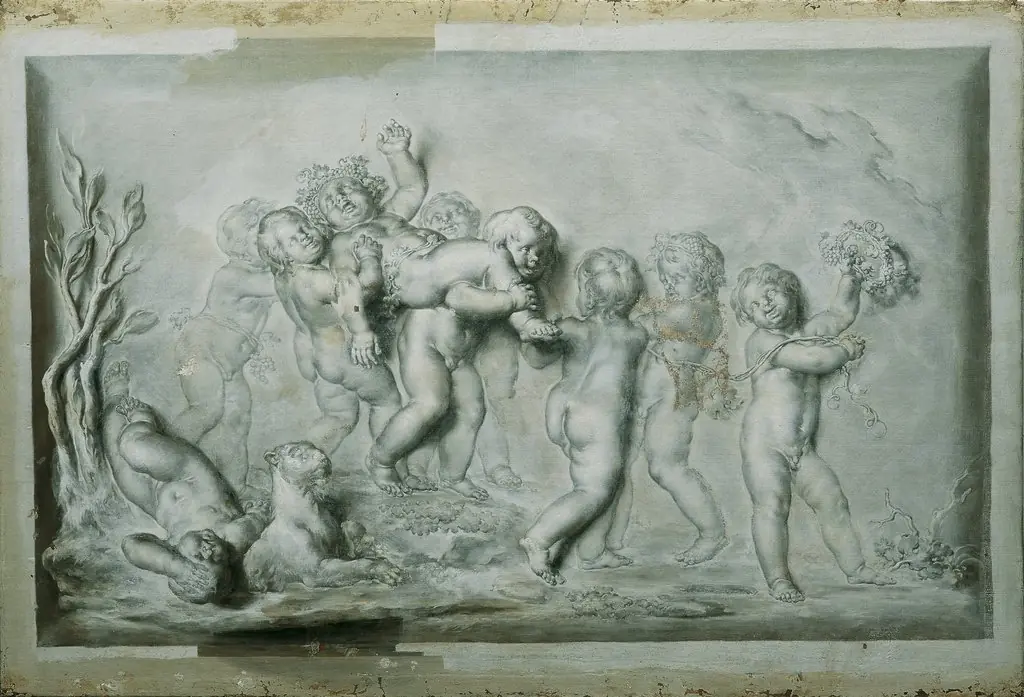
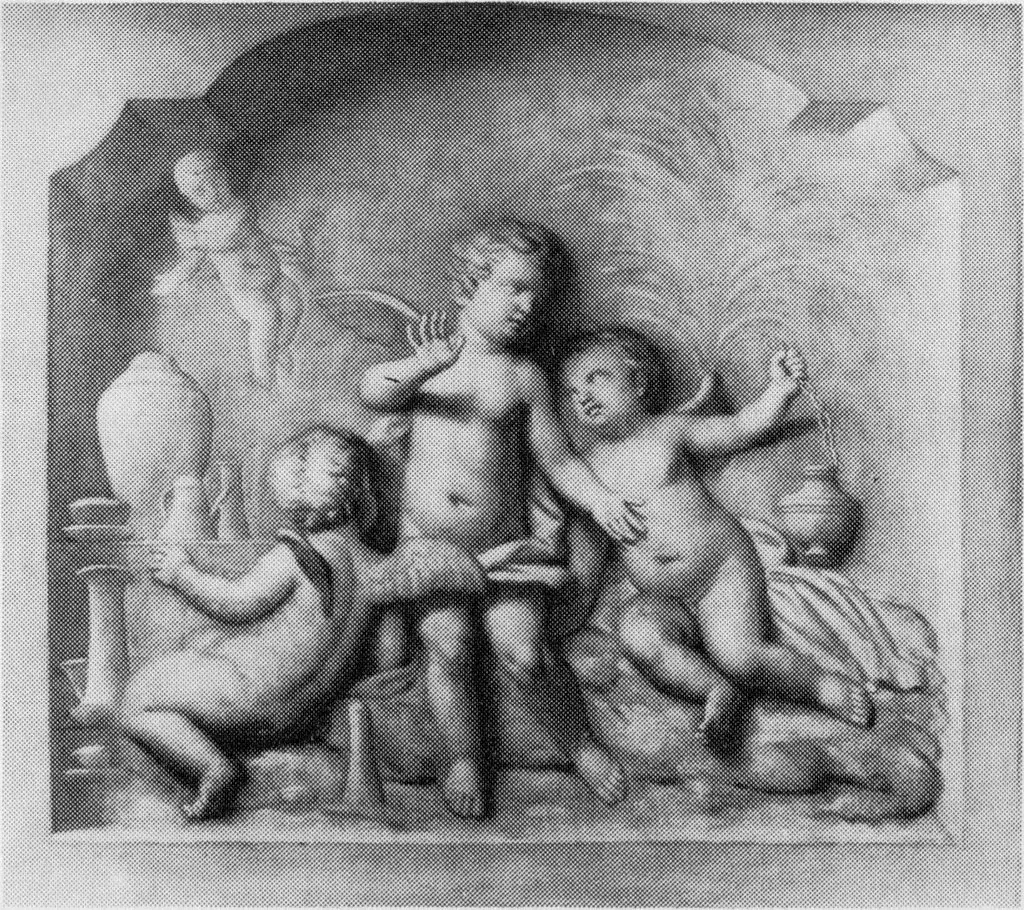
Children's Bacchanal is an oil painting by the Rococo painting artist Caspar Franz Sambach. It dates from 1775 and is held in the collection of the Kunsthistorisches Museum.
About this work
Overview
The painting resides in the Kunsthistorisches Museum in Vienna, where it exemplifies the Rococo fascination with mythological fantasy and lighthearted allegory.
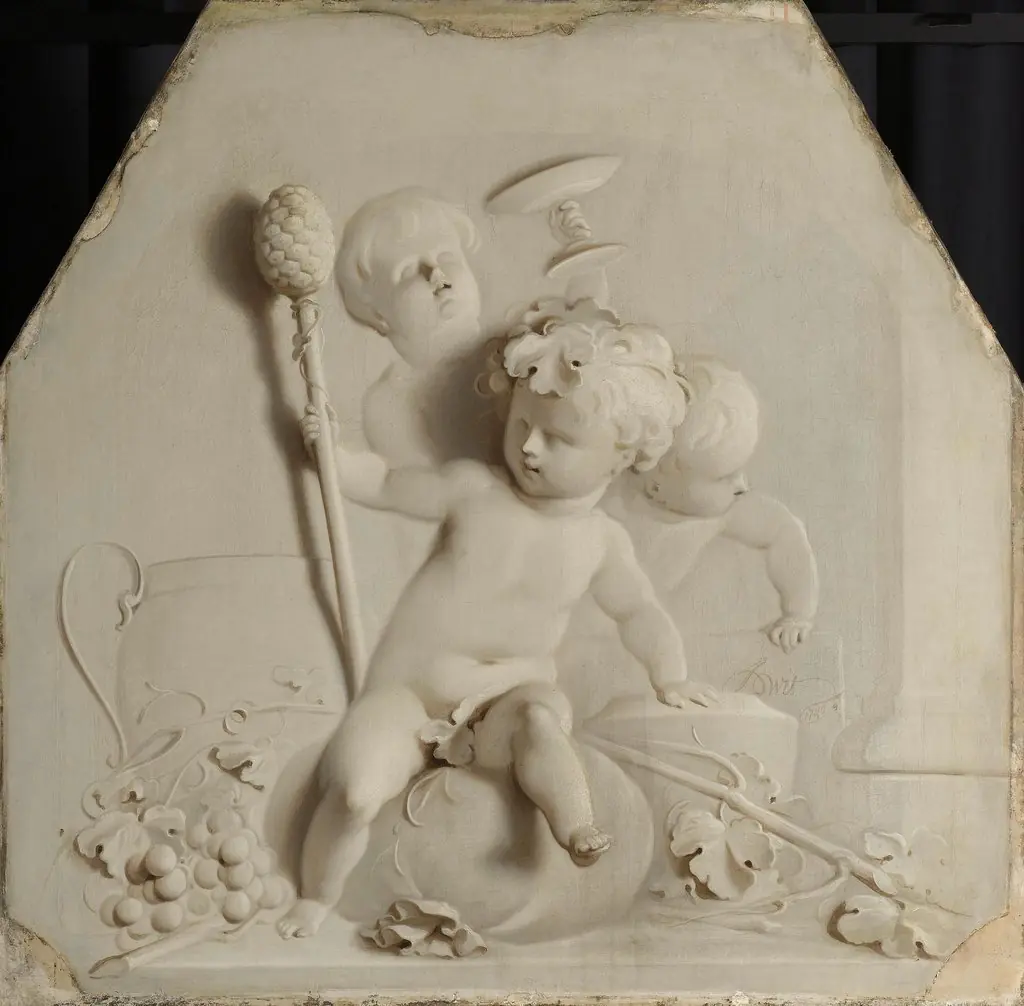
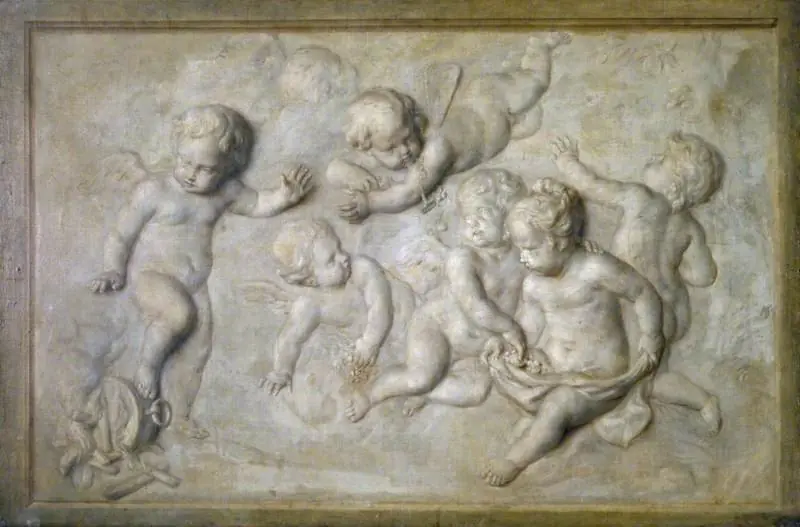
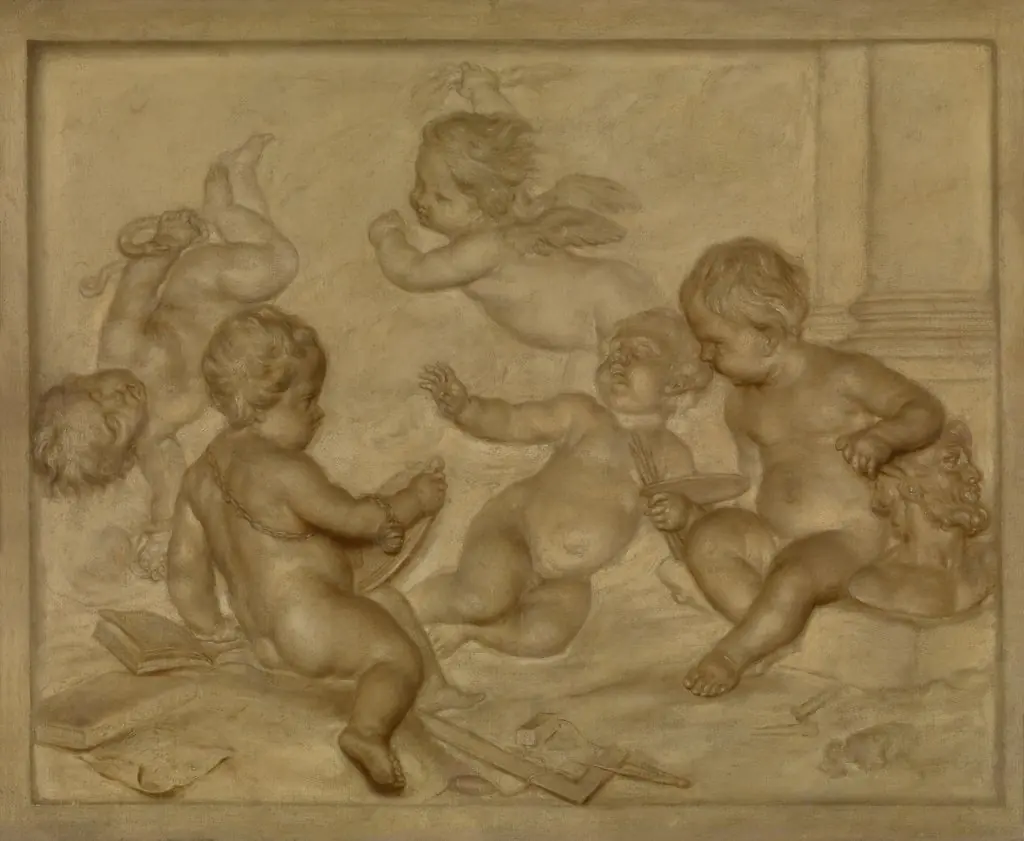
Painted in 1775 by Caspar Franz Sambach, Children's Bacchanal is an oil-on-canvas work depicting a group of winged putti engaged in unrestrained merriment. The painting resides in the Kunsthistorisches Museum in Vienna, where it exemplifies the Rococo fascination with mythological fantasy and lighthearted allegory. Its composition centers on youthful figures in dynamic, naturalistic poses, set against a softly illuminated backdrop.
Subject & Meaning
The figures are putti—cherubic, winged infants drawn from classical and Renaissance iconography—depicted in a state of playful abandon. They grasp grapes, tumble over one another, and recline in leisure, evoking a secular interpretation of the bacchanal tradition. Rather than a religious or moral narrative, the scene suggests an idealized vision of innocent revelry, detached from earthly consequence.
Technique & Style
Sambach employs a warm, golden tonality to unify the scene, enhancing the sense of radiant, dappled light. The putti’s smooth, rounded forms are rendered with delicate brushwork, emphasizing their soft flesh and feathery wings. The background remains muted, directing focus to the figures’ lively interactions. The style reflects Rococo sensibilities: fluid, ornamental, and emotionally tender.
History & Provenance
The painting entered the Kunsthistorisches Museum’s collection in the 19th century, likely through imperial Austrian acquisitions of 18th-century works. Little is documented about its early ownership or commission, but its presence in the museum’s holdings aligns with Habsburg patronage of decorative and allegorical art from the period. It has remained in the institution since its accession.
Context
Created during the height of the Rococo era, the painting reflects broader European tastes for mythological whimsy and pastoral fantasy. While grand historical or religious themes dominated official commissions, smaller-scale works like this catered to private collectors seeking charm and elegance. Sambach’s treatment of putti echoes contemporaries such as Boucher or Fragonard, though with a more restrained, Viennese sensibility.
Legacy
Children's Bacchanal remains a representative example of 18th-century Viennese decorative painting, valued for its technical grace and atmospheric harmony. Though Sambach is not widely known today, this work contributes to understanding the breadth of Rococo expression beyond major artistic centers. It continues to be studied for its nuanced portrayal of innocence and play in a mythological idiom.
Artist & collection