Artwork
Carnival in a Village with Beggars Dancing
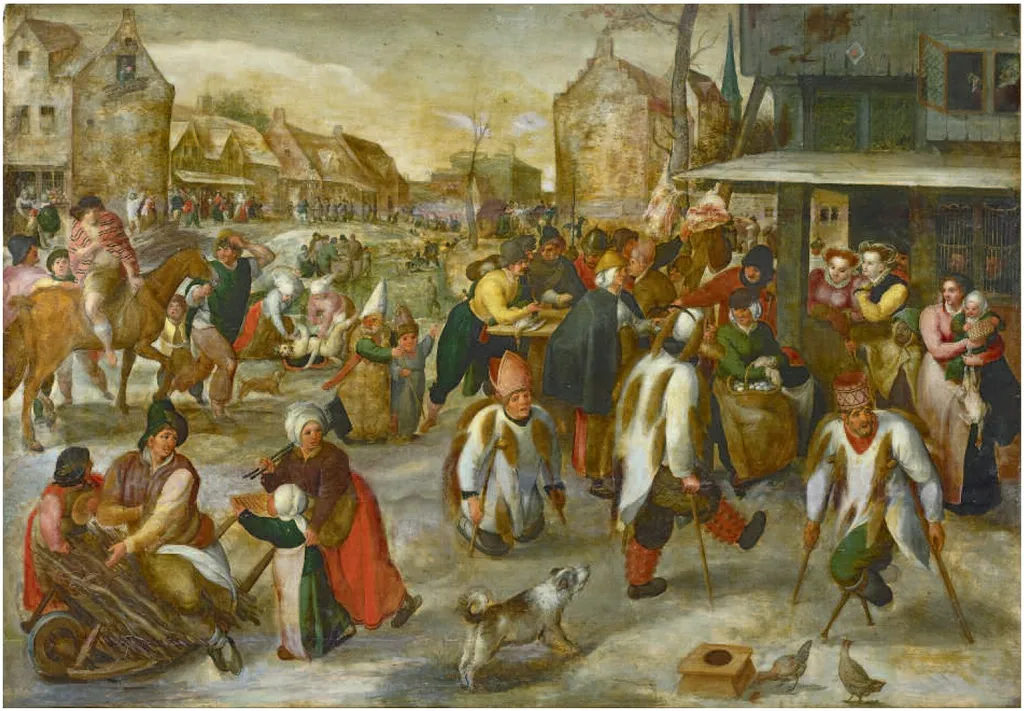
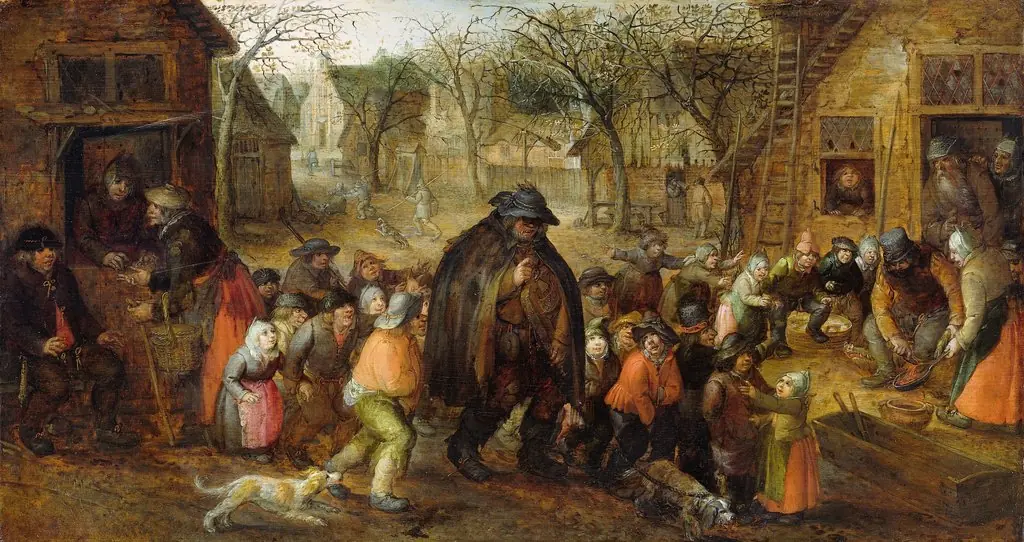
Carnival in a Village with Beggars Dancing is an oil painting by the Flemish Baroque painting artist Marten van Cleve. It dates from 1598 and is held in the collection of the Hermitage Museum.
About this work
The artist has captured the movement and energy of the scene, with figures in various poses and activities.
This painting shows a lively village scene. People of all ages are gathered in the street, dressed in colorful clothing from the 16th century. Some are dancing, while others are playing musical instruments or watching the commotion.
In the foreground, a group of people are ice skating on a frozen pond. The artist has captured the movement and energy of the scene, with figures in various poses and activities. The use of warm colors and soft lighting adds to the sense of joy and community.
If you're interested in learning more about the artist behind this work, check out Marten van Cleve.
Overview
Marten van Cleve the Elder painted this oil-on-panel scene in 1598, depicting a rural carnival in a Flemish village. Active in Antwerp during the second half of the 16th century, he specialized in everyday life among common people. The work reflects a tradition of Northern European genre painting, capturing communal festivities with attention to detail and atmospheric depth. It is now part of the State Hermitage Museum’s collection.
Subject & Meaning
The scene portrays a village celebration during carnival season, with dancing, music, and informal gatherings. Figures of all ages engage in varied activities—some perform, others observe, and a group skates on a frozen pond. The presence of beggars among the revelers suggests a blending of social classes in moments of festivity. Rather than idealizing rural life, the painting presents it with unembellished realism, highlighting both energy and hardship.
Technique & Style
Van Cleve employed oil paint to render fine textures in clothing, skin, and snow, using soft, warm lighting to unify the composition. Figures are arranged dynamically across the foreground and middle ground, creating a sense of movement. His brushwork is precise yet fluid, capturing gestures and expressions with subtle nuance. The composition echoes Bruegel’s crowded, multi-narrative scenes, though with a quieter, more intimate tone.
History & Provenance
Painted in 1598, near the end of Van Cleve’s career, the work reflects his mature style and enduring interest in peasant life. It entered the State Hermitage Museum’s collection in the 18th or 19th century, likely through imperial acquisitions of Northern European art. Its survival through centuries speaks to its recognition within European collections, though it never achieved widespread fame during the artist’s lifetime.
Context
In late 16th-century Flanders, carnival was a sanctioned period of inversion, where social norms relaxed before Lent. Van Cleve’s depiction aligns with a broader trend among Flemish painters to document folk customs, often with moral undertones. While urban elites favored religious or mythological subjects, artists like Van Cleve turned to rural scenes, preserving the visual culture of communities rarely recorded in official art.
Legacy
Van Cleve’s work contributed to the development of genre painting in the Low Countries, influencing later artists who documented everyday life. Though overshadowed by Bruegel in historical narratives, his careful observation of rural customs remains valuable as a record of 16th-century social behavior. The painting endures as a quiet testament to the rhythms of village life during a time of religious and political upheaval.
Artist & collection
Artist
Marten van Cleve the Elder (Antwerp, c. 1527 – Antwerp, before 24 November 1581) was a Flemish painter and draftsman active in Antwerp between 1551 and 1581. Van Cleve is mainly known for his genre scenes with peasants…

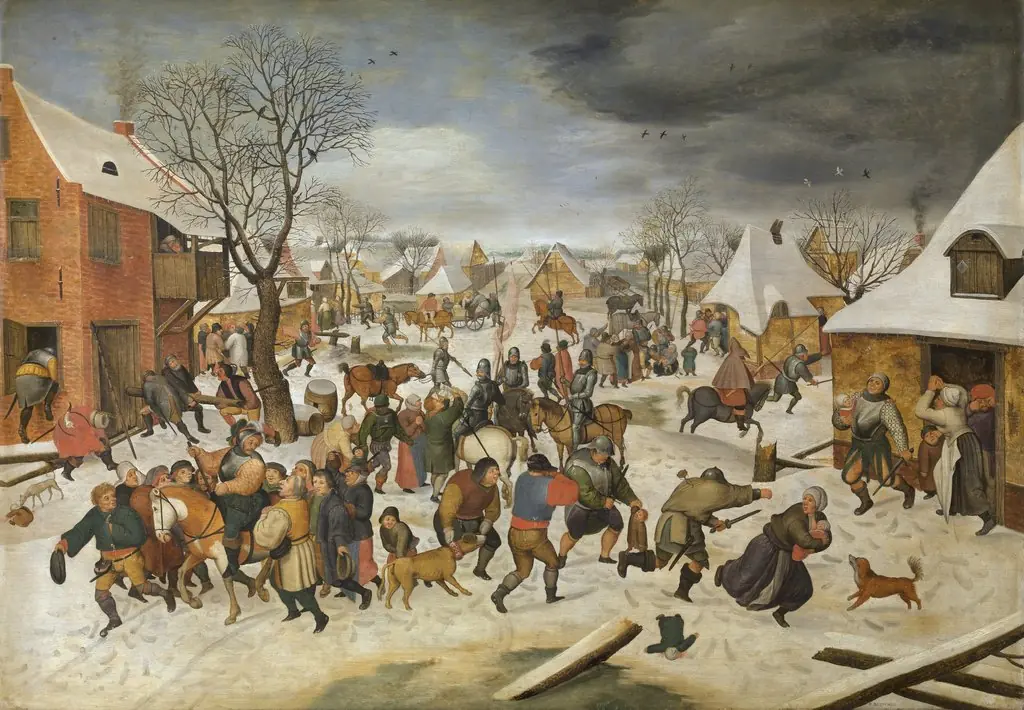 The Massacre of the Children at Bethlehem
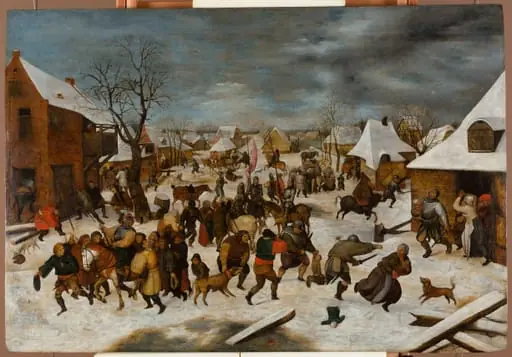 Der bethlehemitische Kindermord
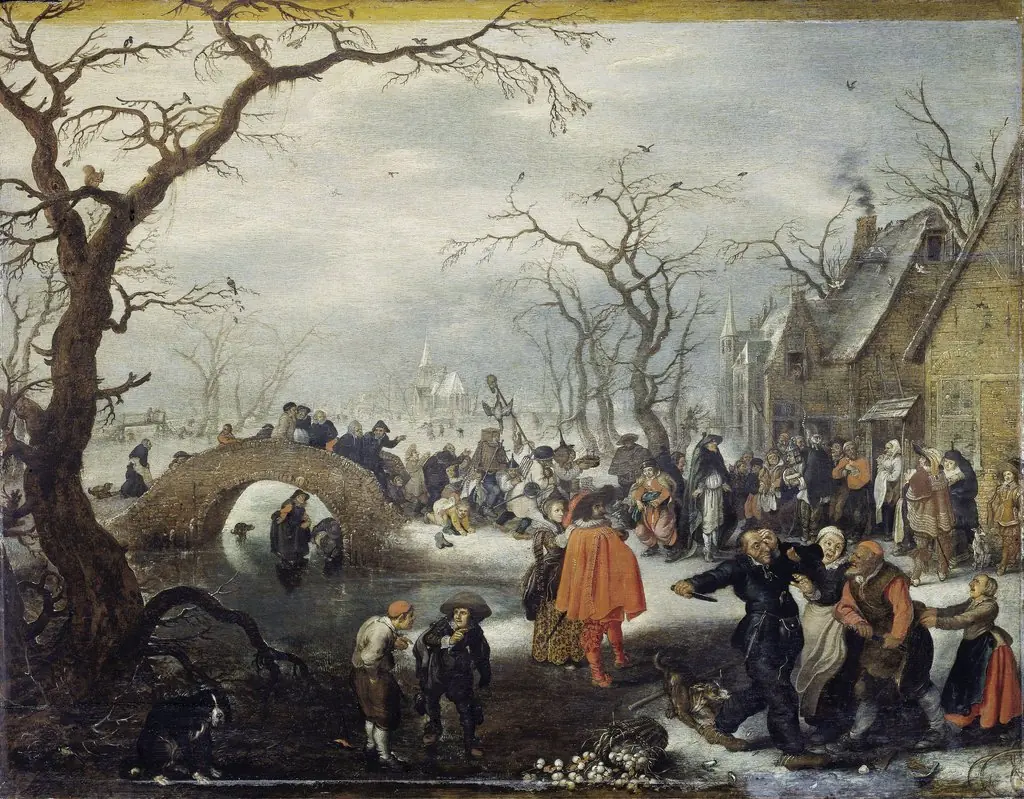 Shrove Tuesday in a country village
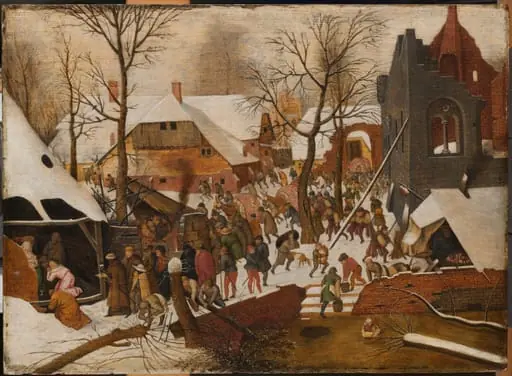 The Adoration of the Magi
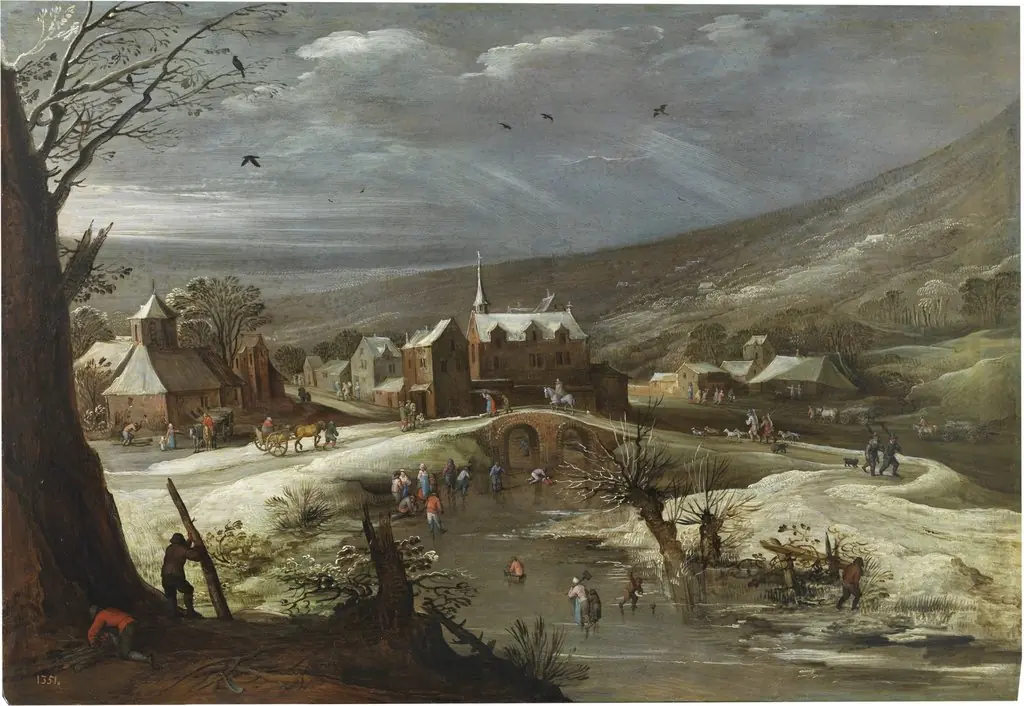 Landscape with Skaters
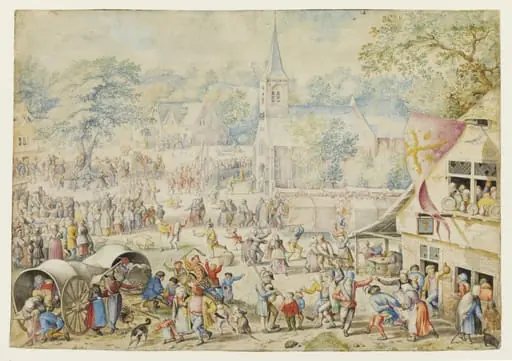 A Village Kermis
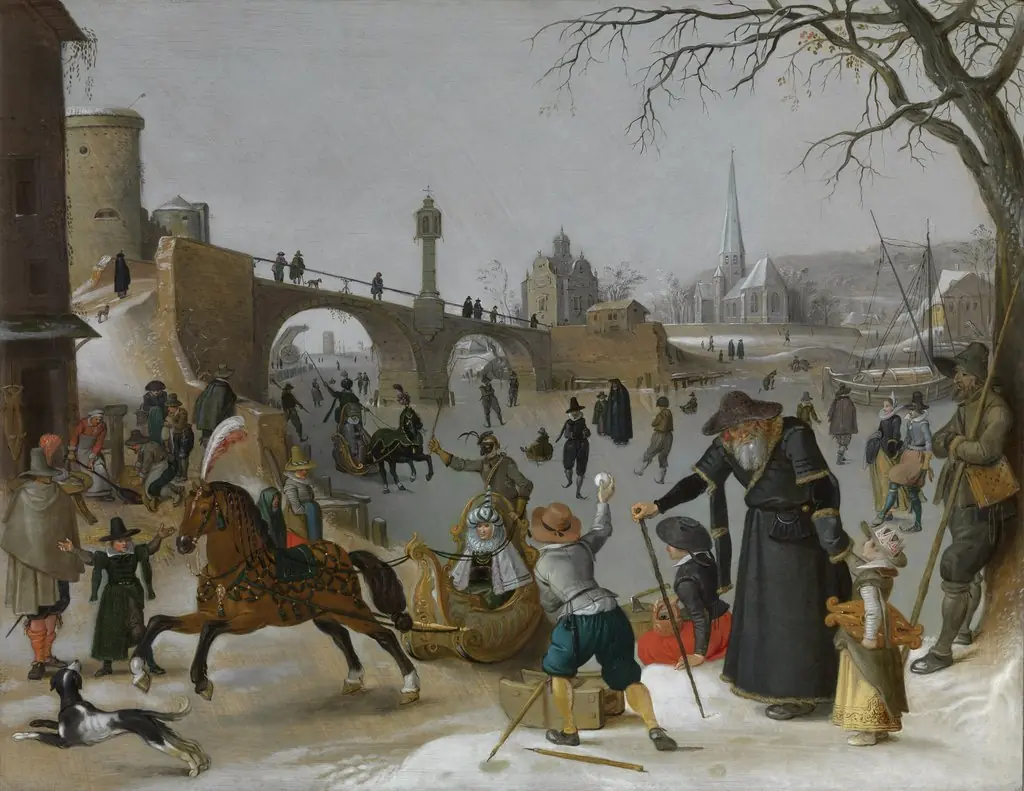 Winter Pleasures
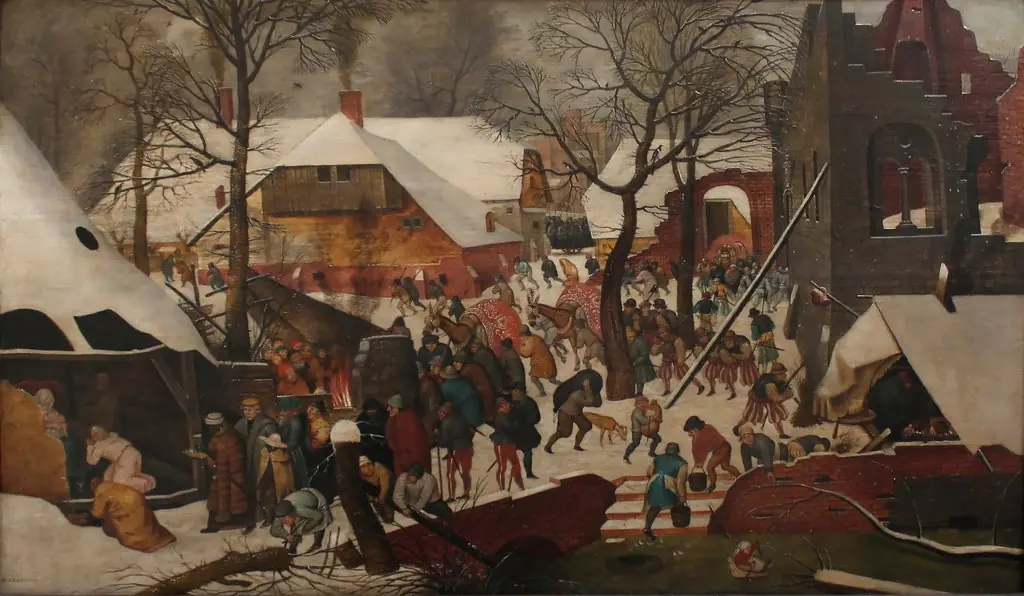 Adoration of the Magi in the Snow
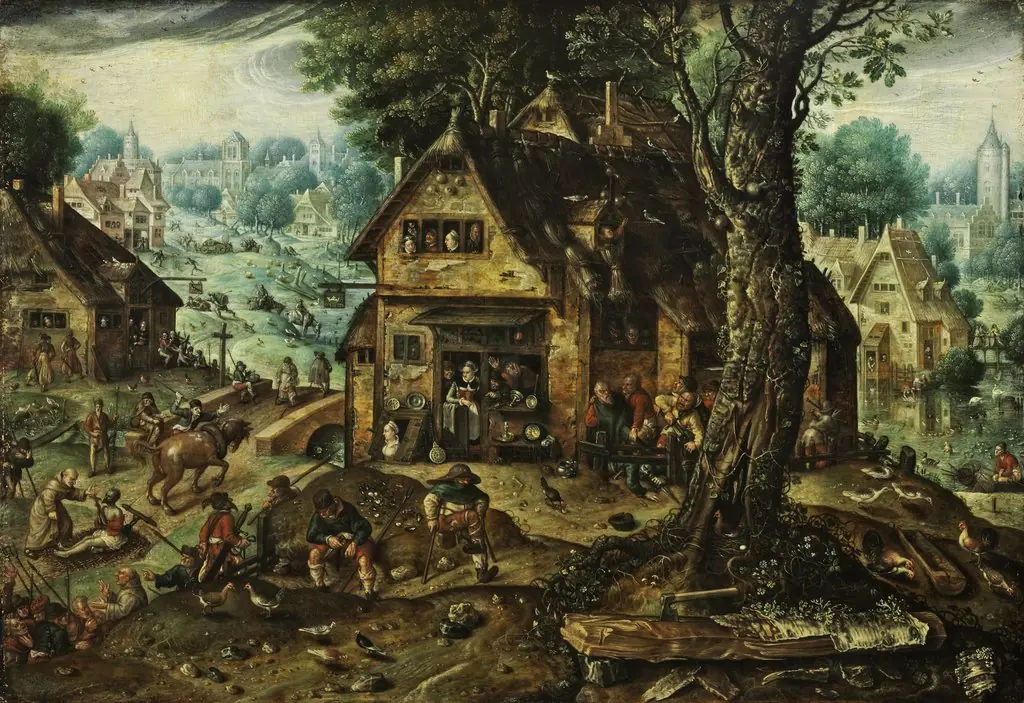 View of the village with numerous people
 The hurdy-gurdy player
 Bethlehemitischer Kindermord
 Village Fair