Artwork
Adoration of the Magi
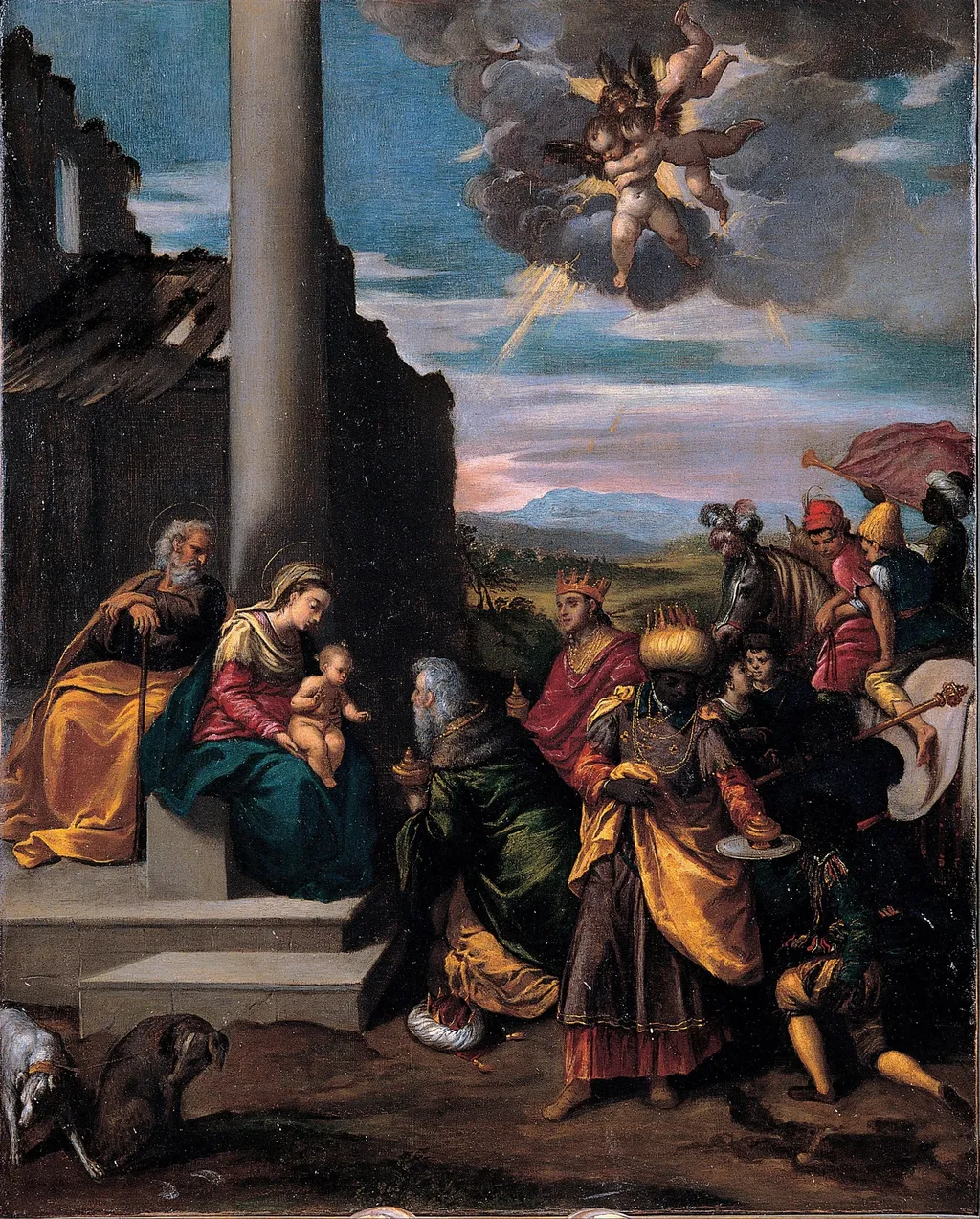
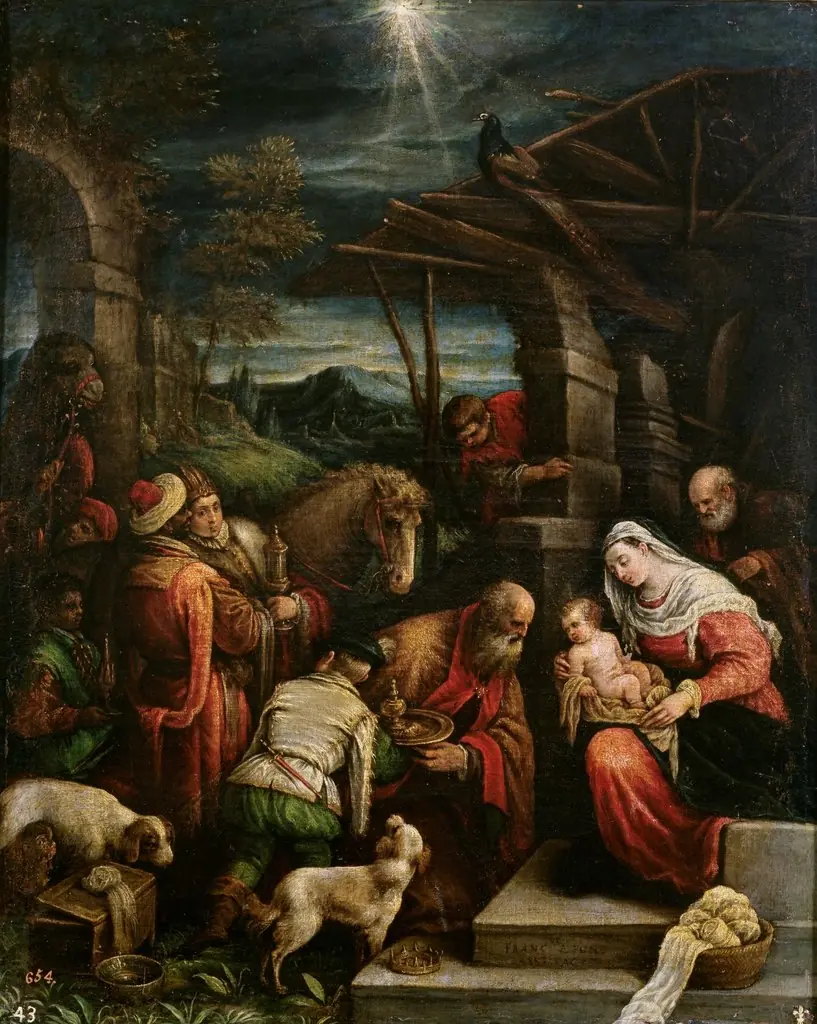
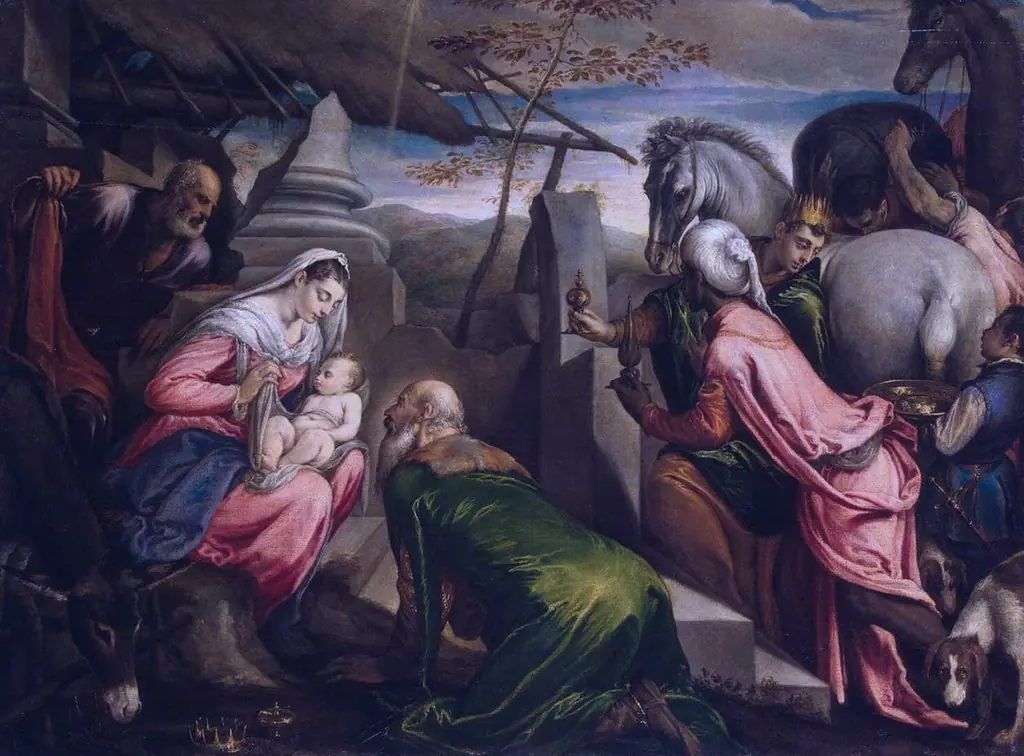
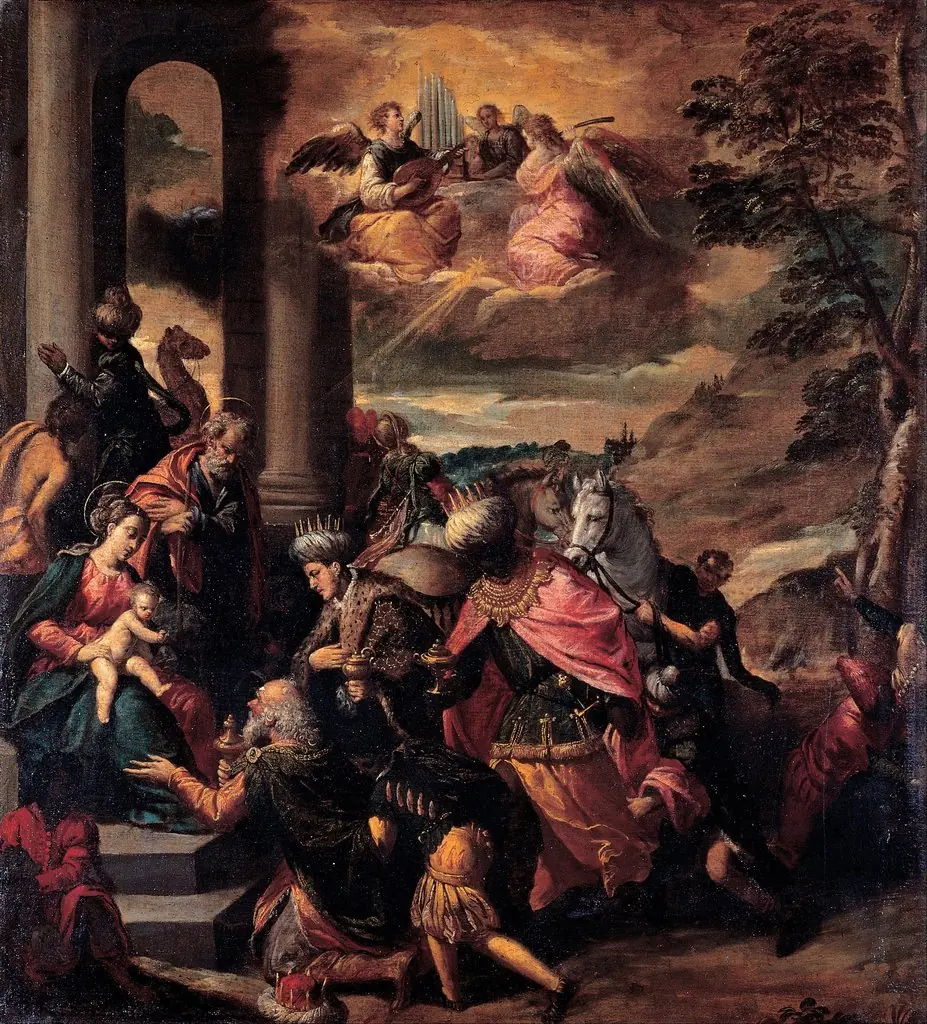
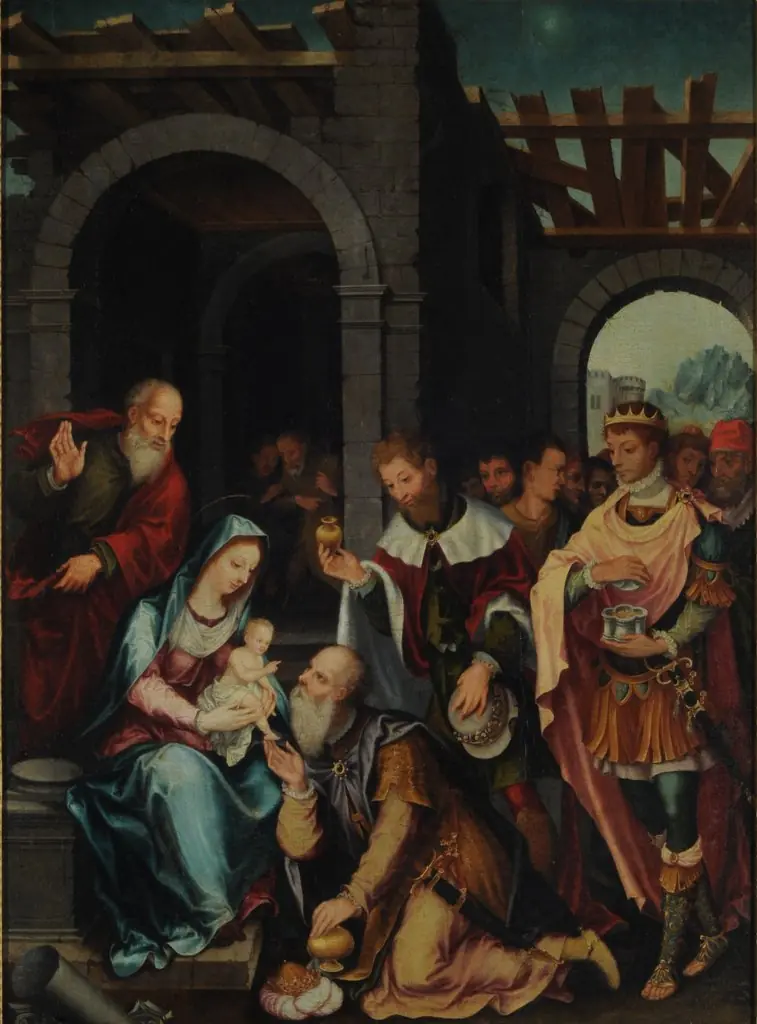
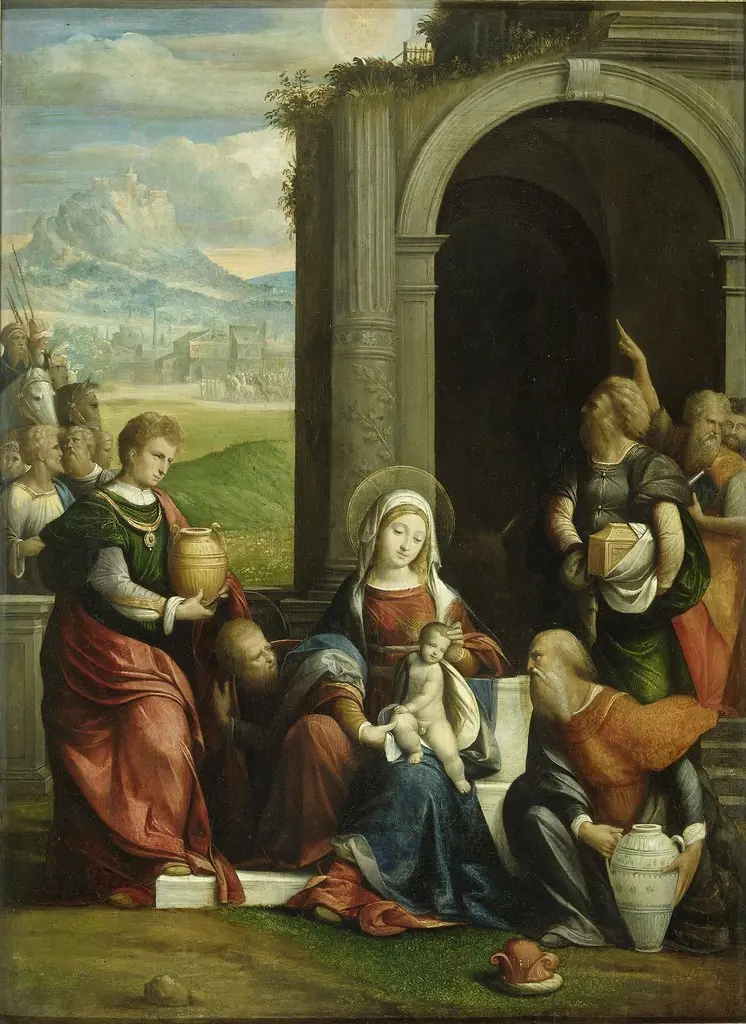
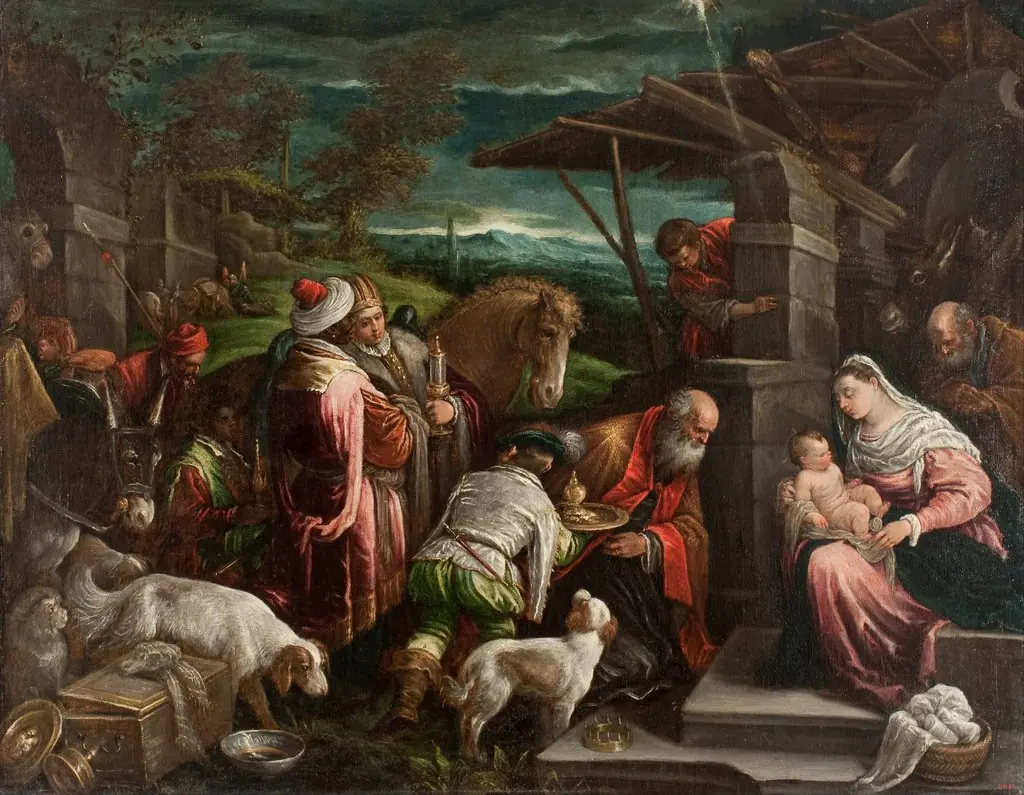
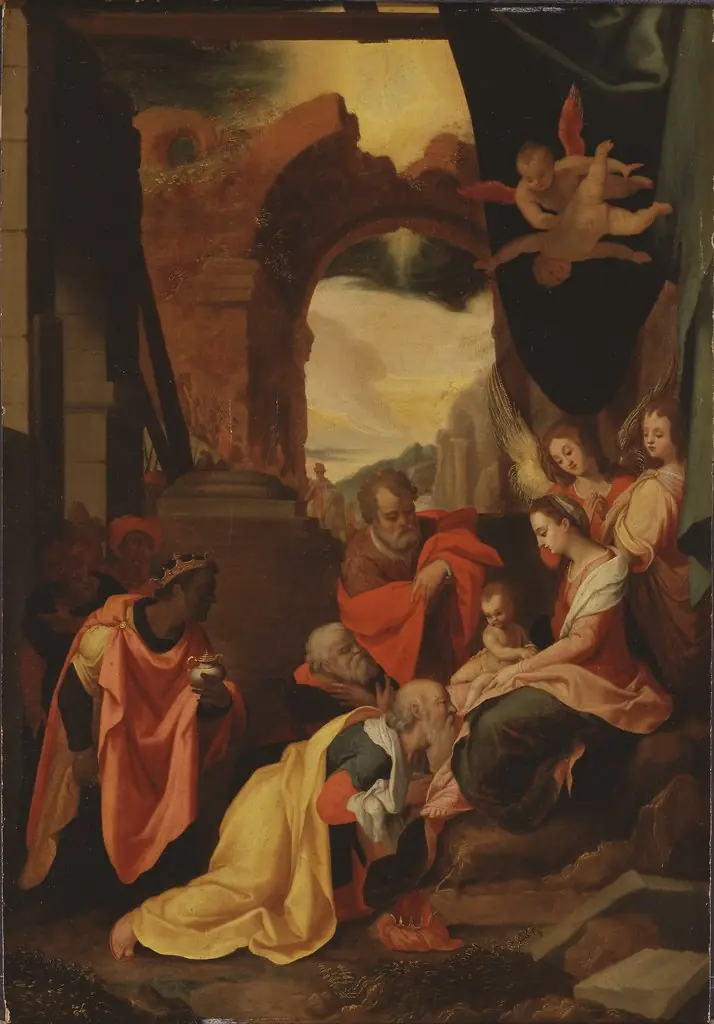
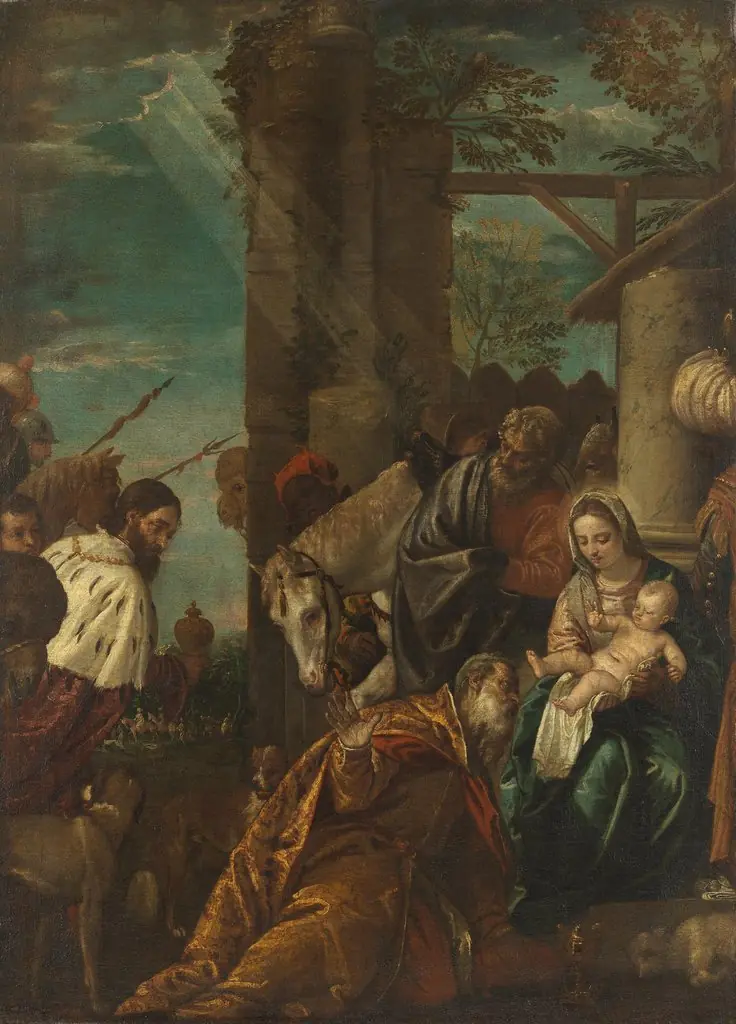
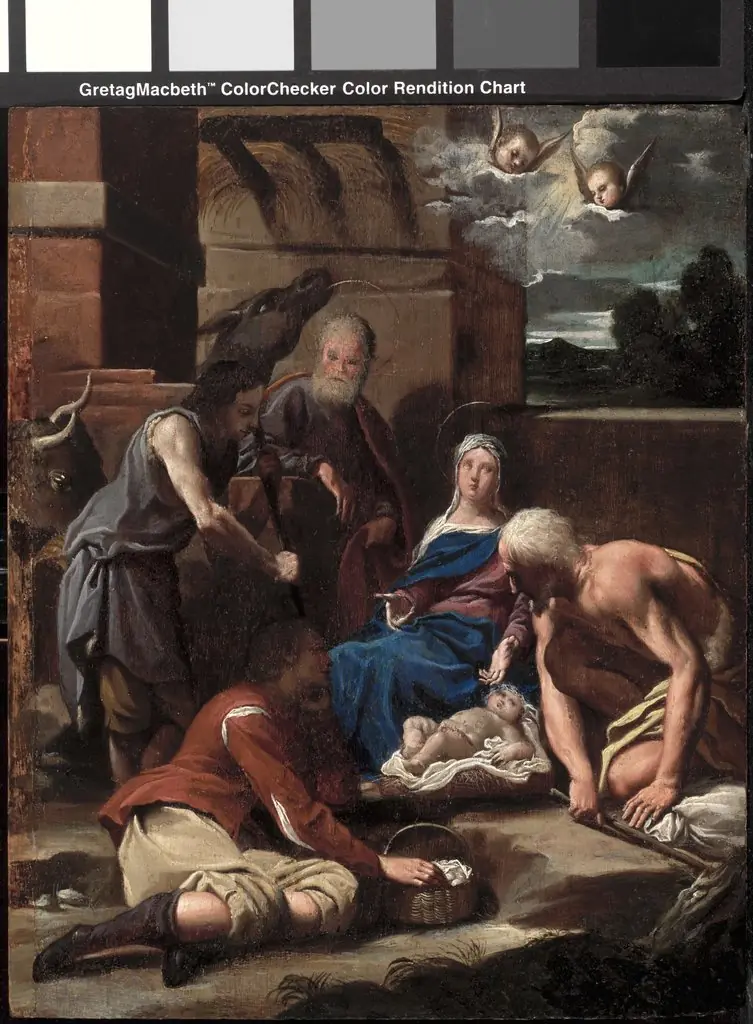
Adoration of the Magi is an unspecified painting by the Mannerist artist Scarsellino. It dates from 1589 and is held in the collection of the Capitoline Museums.
About this work
Overview
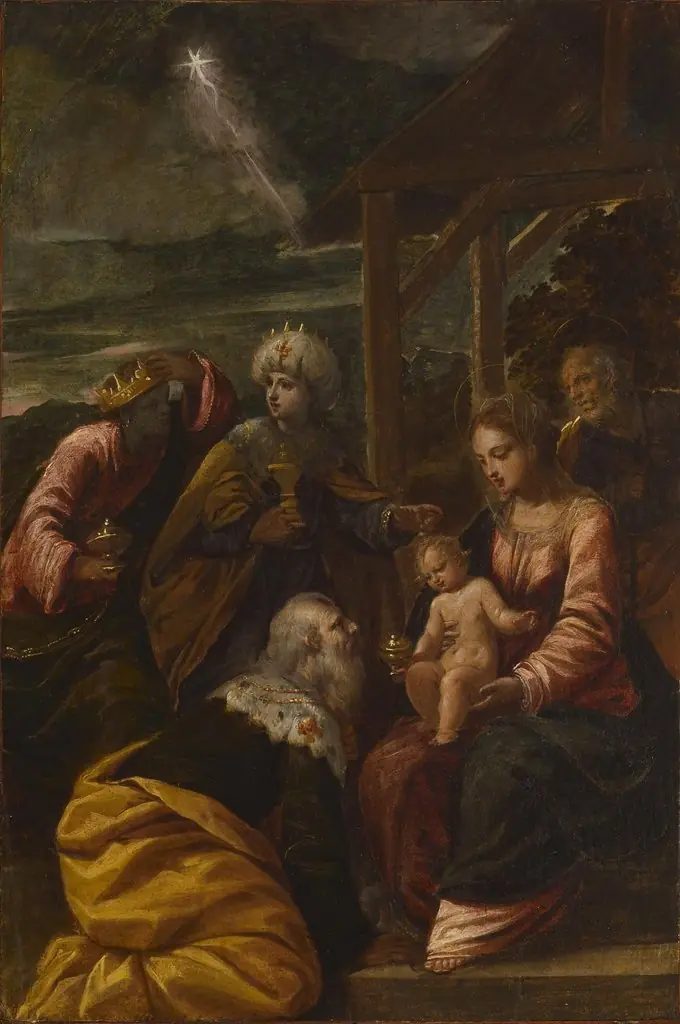
Painted in 1589 by Scarsellino, a key figure in the Ferrarese school, this religious work captures the Adoration of the Magi.
Painted in 1589 by Scarsellino, a key figure in the Ferrarese school, this religious work captures the Adoration of the Magi. Executed during the late Mannerist era, the painting is part of the Capitoline Museums' collection. It reflects the artist’s engagement with sacred narrative while demonstrating his growing interest in atmospheric landscape elements that would later influence Baroque conventions.
Subject & Meaning
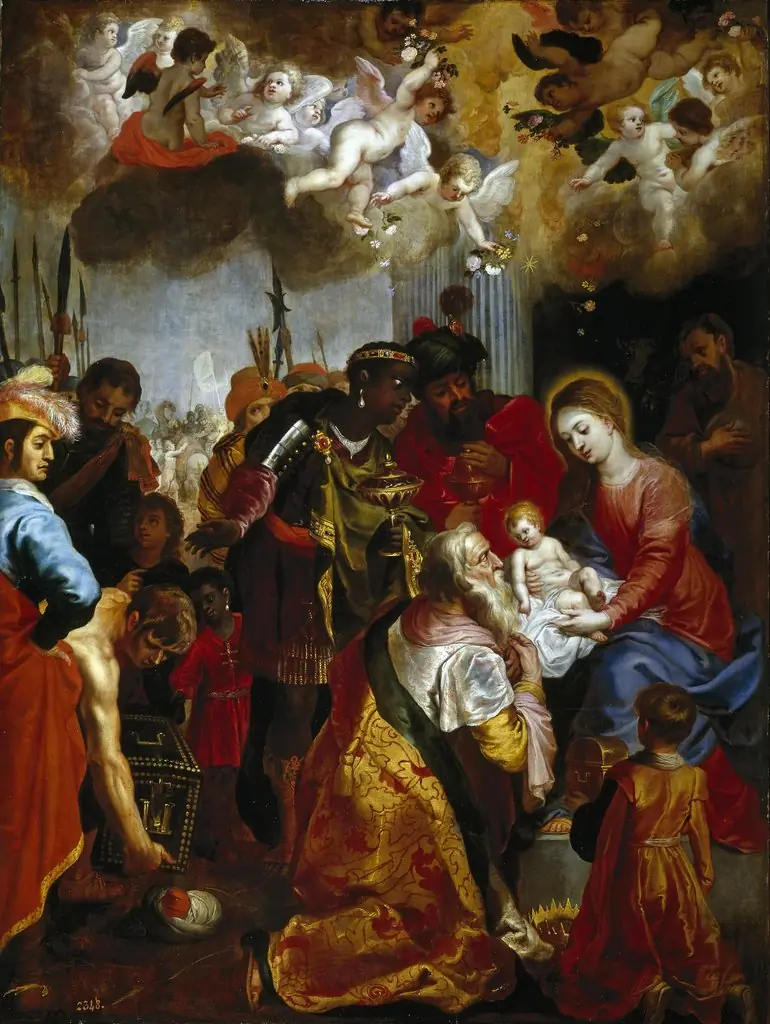
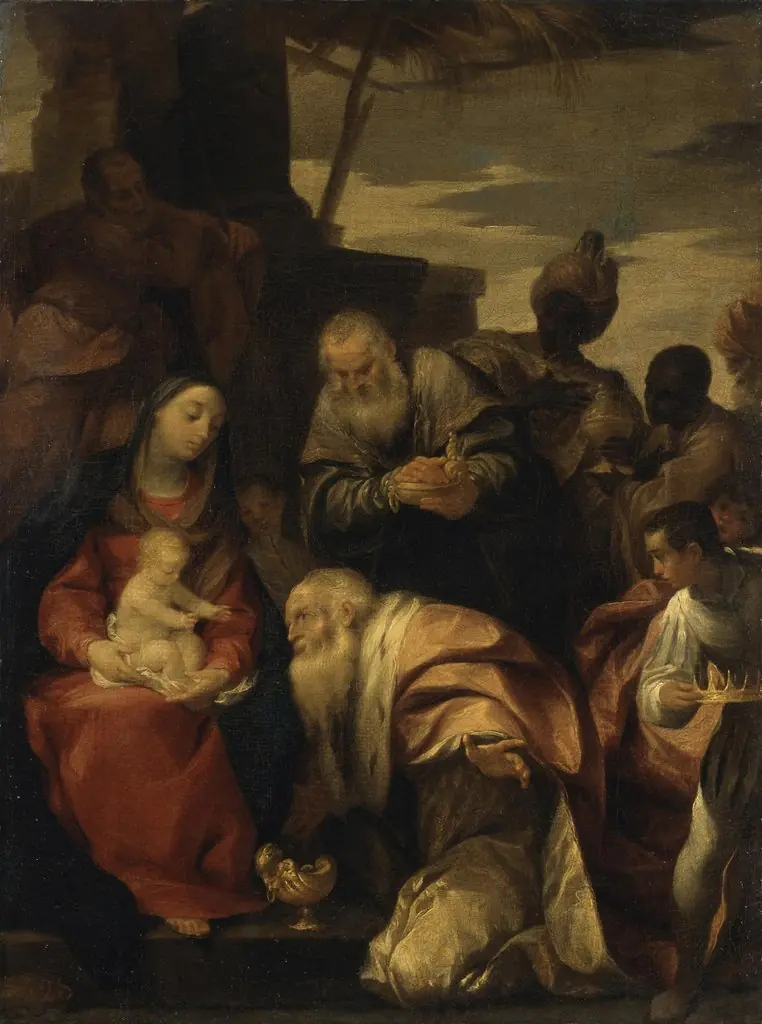
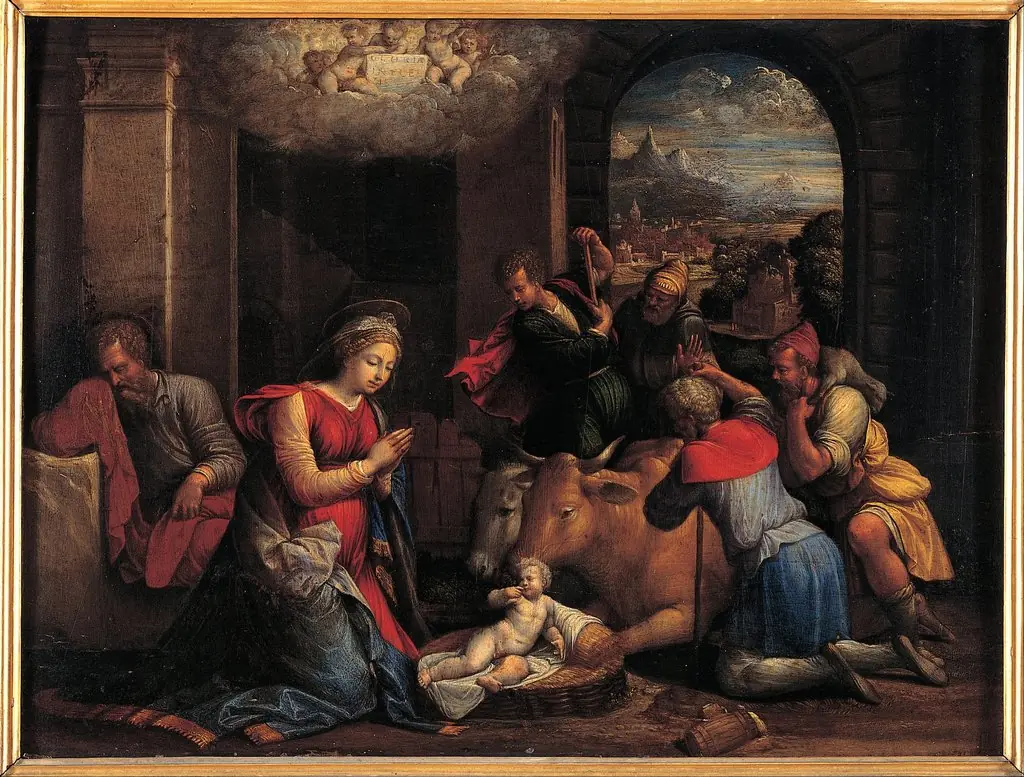
The composition centers on the Virgin Mary cradling the Christ Child, surrounded by the three Magi who kneel in tribute, offering gold, frankincense, and myrrh. Their regal attire and gestures underscore the theological significance of Christ’s recognition by Gentile rulers. The quiet solemnity of the scene emphasizes devotion over spectacle, aligning with Counter-Reformation ideals of humility and reverence in sacred representation.
Technique & Style
Scarsellino employs subtle chiaroscuro to model the figures, lending volume and spatial coherence. Elaborate textiles and jeweled crowns are rendered with meticulous detail, contrasting with the soft, atmospheric backdrop of rolling hills and hazy skies. The brushwork remains controlled yet fluid, balancing Mannerist elegance with emerging naturalism, particularly in the handling of light across the landscape.
History & Provenance
Commissioned during the late 16th century, the painting entered the Capitoline collection in the 18th century, likely through ecclesiastical or noble acquisition. Its survival through centuries of political and religious upheaval in Italy speaks to its enduring institutional value. No major alterations or restorations are documented, preserving its original tonal harmony and compositional balance.
Context
Created amid the Counter-Reformation, the painting reflects the Church’s emphasis on clear, emotionally resonant religious imagery. While Ferrara’s artistic scene was influenced by Venice and Rome, Scarsellino’s integration of expansive landscapes into sacred scenes marked a regional innovation. His approach bridged the stylized forms of Mannerism with the observational tendencies that would define early Baroque painting.
Legacy
Scarsellino’s treatment of landscape in this work prefigures the poetic naturalism of 17th-century painters who elevated scenery beyond mere backdrop. His synthesis of devotional subject matter with environmental depth contributed to a broader shift in Italian painting, where setting became integral to narrative mood. Though less widely known than his Roman or Florentine contemporaries, his influence is traceable in regional developments of the period.
Artist & collection
Artist
Scarsellino or Ippolito Scarsella (1550 (or 1551) – 28 October 1620) was an Italian mid-to-late sixteenth century reformist painter and one of the most important representatives of the School of Ferrara.