Artwork
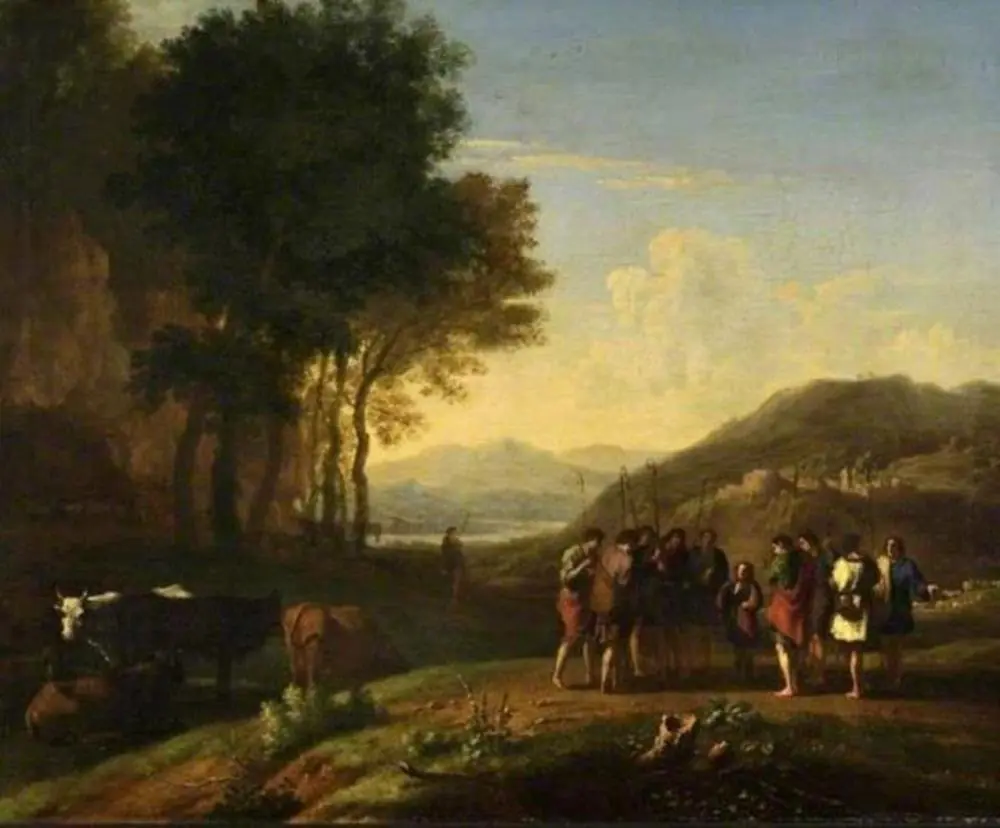
Landscape with Abraham and Isaac
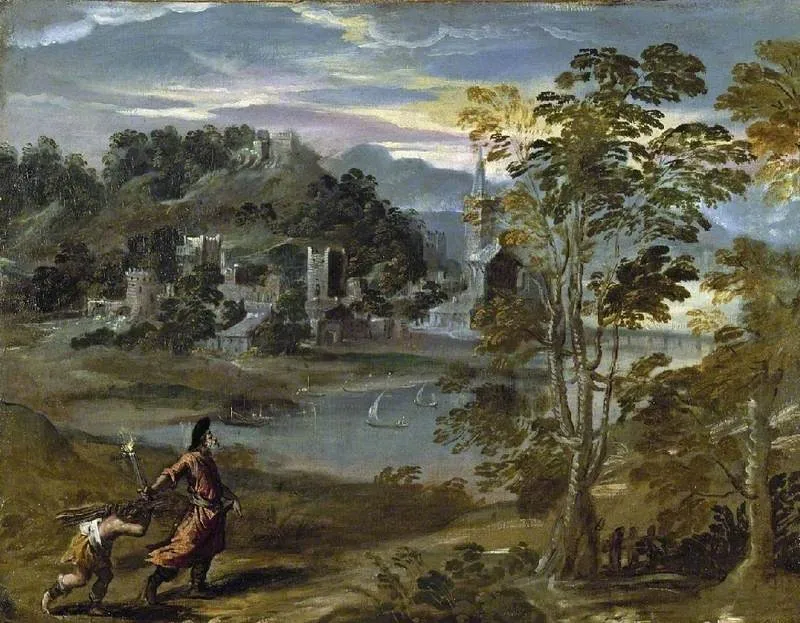
Landscape with Abraham and Isaac is an oil painting by Scarsellino. It dates from 1595 and is held in the collection of the Fitzwilliam Museum.
About this work
Overview
Painted around 1595 by Ippolito Scarsella, known as Scarsellino, this oil on canvas work presents a biblical narrative within a tranquil Italianate landscape.
Painted around 1595 by Ippolito Scarsella, known as Scarsellino, this oil on canvas work presents a biblical narrative within a tranquil Italianate landscape. A key artist of the Ferrara school, Scarsellino merged religious subject matter with the emerging tradition of landscape painting. The piece is held in the Fitzwilliam Museum’s collection, where it exemplifies late Renaissance tendencies in northern Italy to integrate sacred stories into naturalistic settings.
Subject & Meaning
The scene illustrates the moment from Genesis when Abraham prepares to sacrifice his son Isaac, as commanded by God. Abraham, holding a sword and torch, stands over Isaac, who kneels in submission. The calmness of the landscape contrasts with the gravity of the act, suggesting divine order amid human turmoil. The inclusion of a distant settlement may imply the broader world beyond this intimate moment of faith and obedience.
Technique & Style
Scarsellino employs chiaroscuro to model forms and guide the viewer’s focus toward the central figures. Soft transitions between light and shadow lend volume to the figures and terrain, while atmospheric perspective recedes the distant hills and architecture. Brushwork remains controlled yet expressive, balancing detailed foliage with broader strokes for sky and water, reflecting Ferrara’s synthesis of Venetian color and Emilian draftsmanship.
History & Provenance
The painting entered the Fitzwilliam Museum’s collection in the 19th century, though its earlier ownership remains undocumented. It was likely acquired during a period of heightened interest in Italian Renaissance works by British collectors. Its attribution to Scarsellino has been consistently supported by stylistic analysis and comparison with his other known landscapes and biblical scenes.
Context
In late 16th-century Ferrara, artists increasingly turned to landscape as more than mere backdrop, embedding narrative within nature’s harmony. Scarsellino’s work reflects this shift, influenced by Venetian tonalism and the Counter-Reformation’s emphasis on emotionally resonant biblical imagery. Unlike Mannerist excesses, his approach favors quiet dignity, aligning with regional tastes that valued subtlety over spectacle.
Legacy
Though less widely known than contemporaries like Correggio or Titian, Scarsellino’s integration of biblical themes into lyrical landscapes influenced later regional painters. His work contributes to the understanding of how smaller Italian courts developed distinct visual languages. Today, the painting remains a quiet testament to the evolving role of landscape in religious art during the late Renaissance.
Artist & collection
Artist
Scarsellino or Ippolito Scarsella (1550 (or 1551) – 28 October 1620) was an Italian mid-to-late sixteenth century reformist painter and one of the most important representatives of the School of Ferrara.

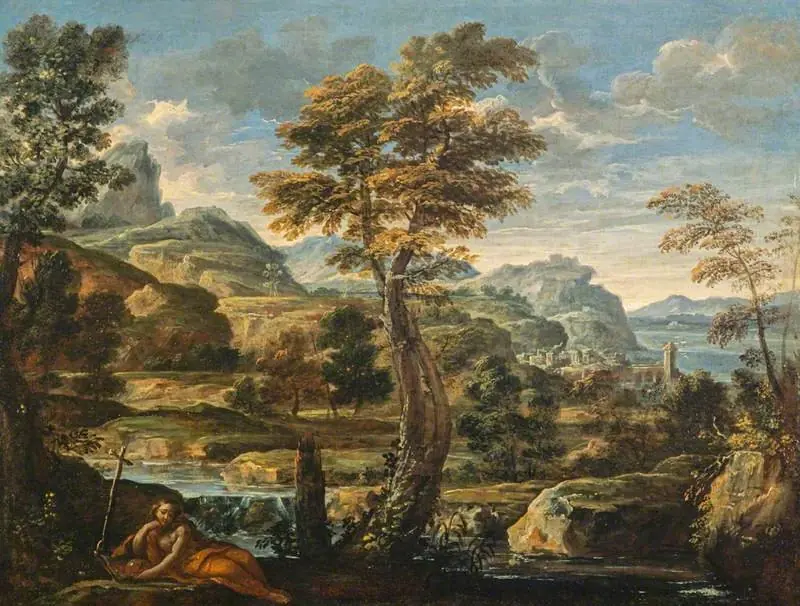 Landscape with Saint Mary Magdalene
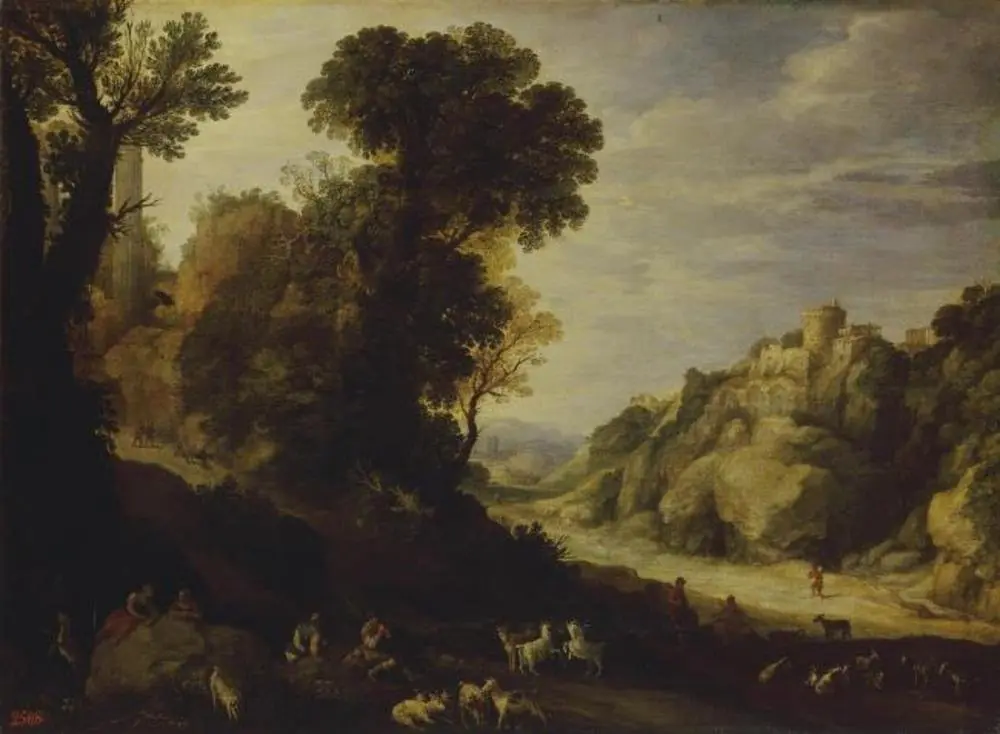 Mountainous Landscape
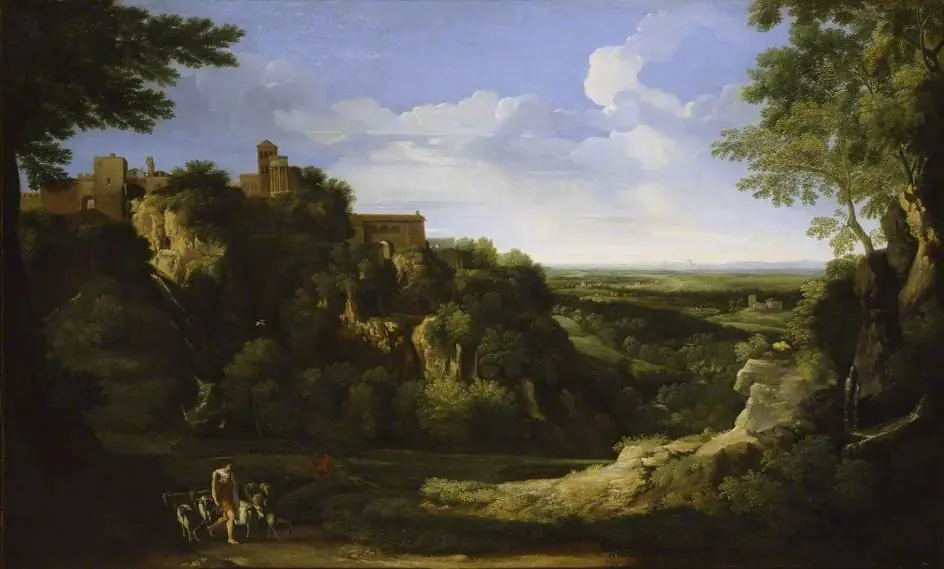 View of Tivoli with Rome in the distance
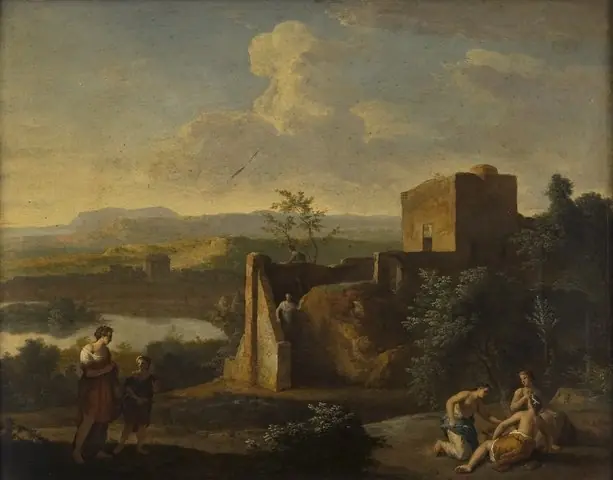 Idyllic Landscape with Watch-tower
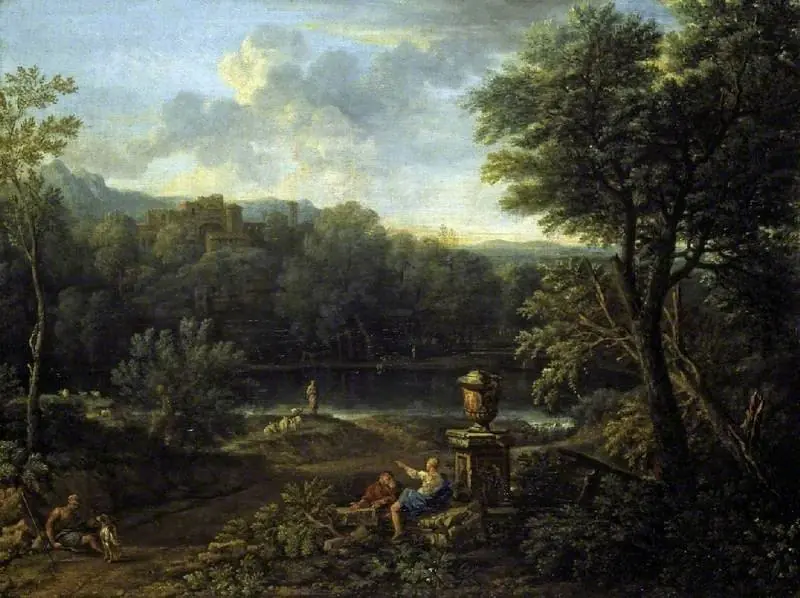 Classical landscape
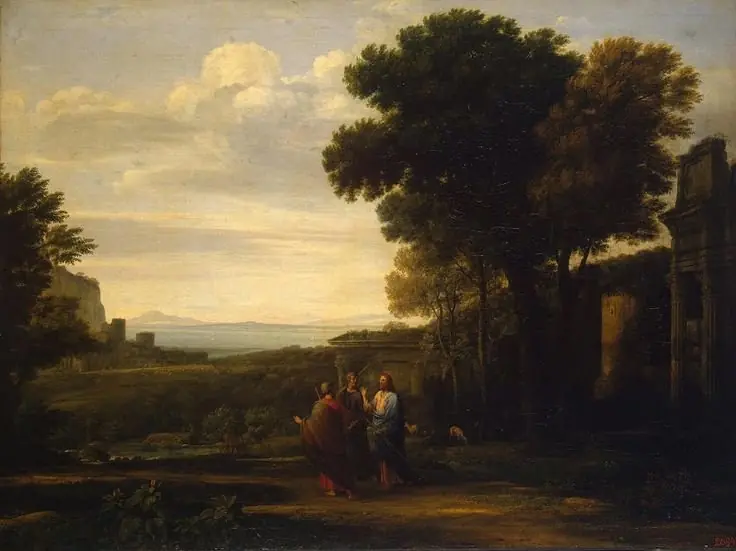 Landscape with Christ on the Road to Emmaus
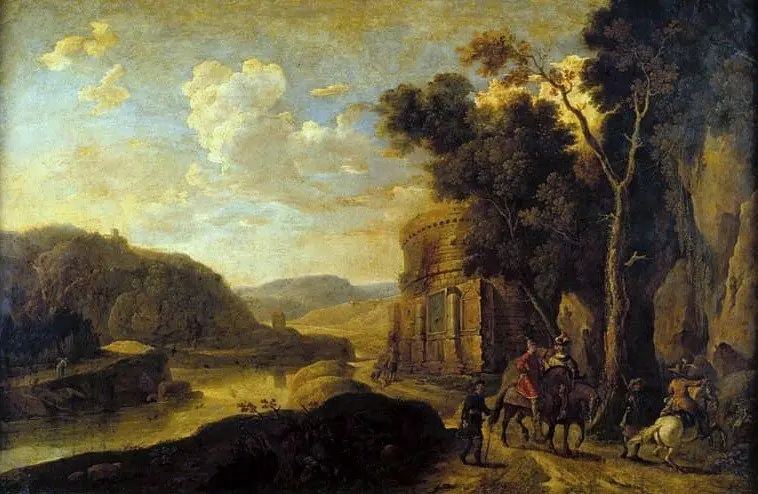 Return from the Hunt
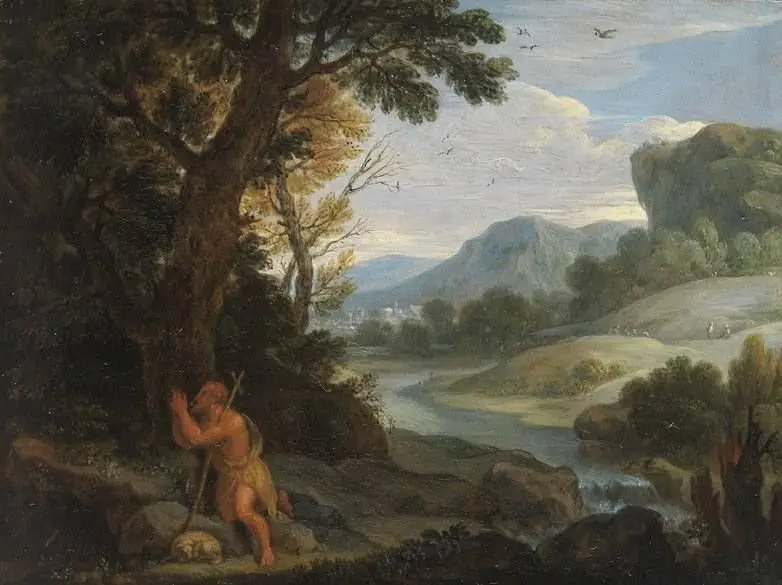 Landschaft mit dem hl. Johanes dem Täufer
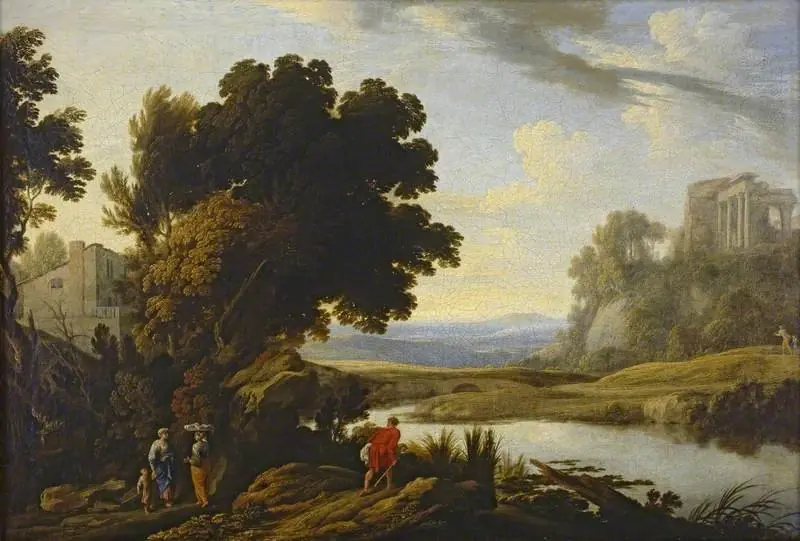 Landscape in the Roman Campagna
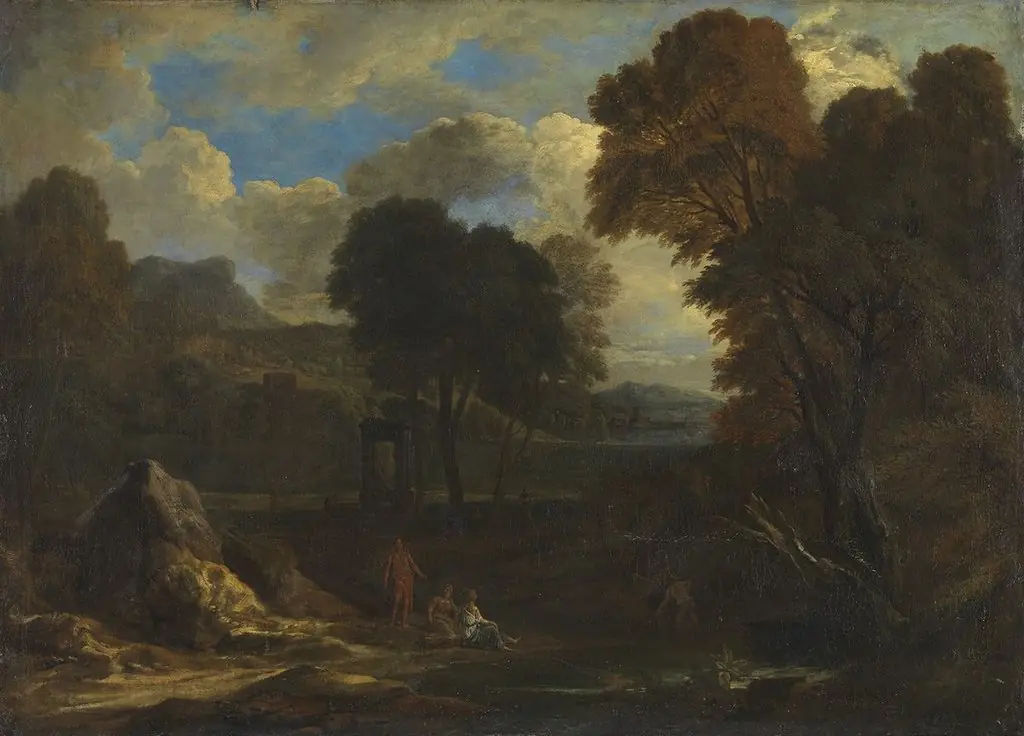 Landschaft
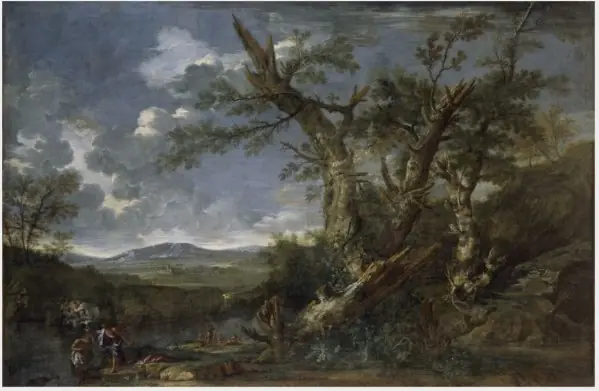 Landscape with the Baptism of Christ in the River Jordan
 Landscape with Joseph and his brethren