Artwork
H Beard Print Collection
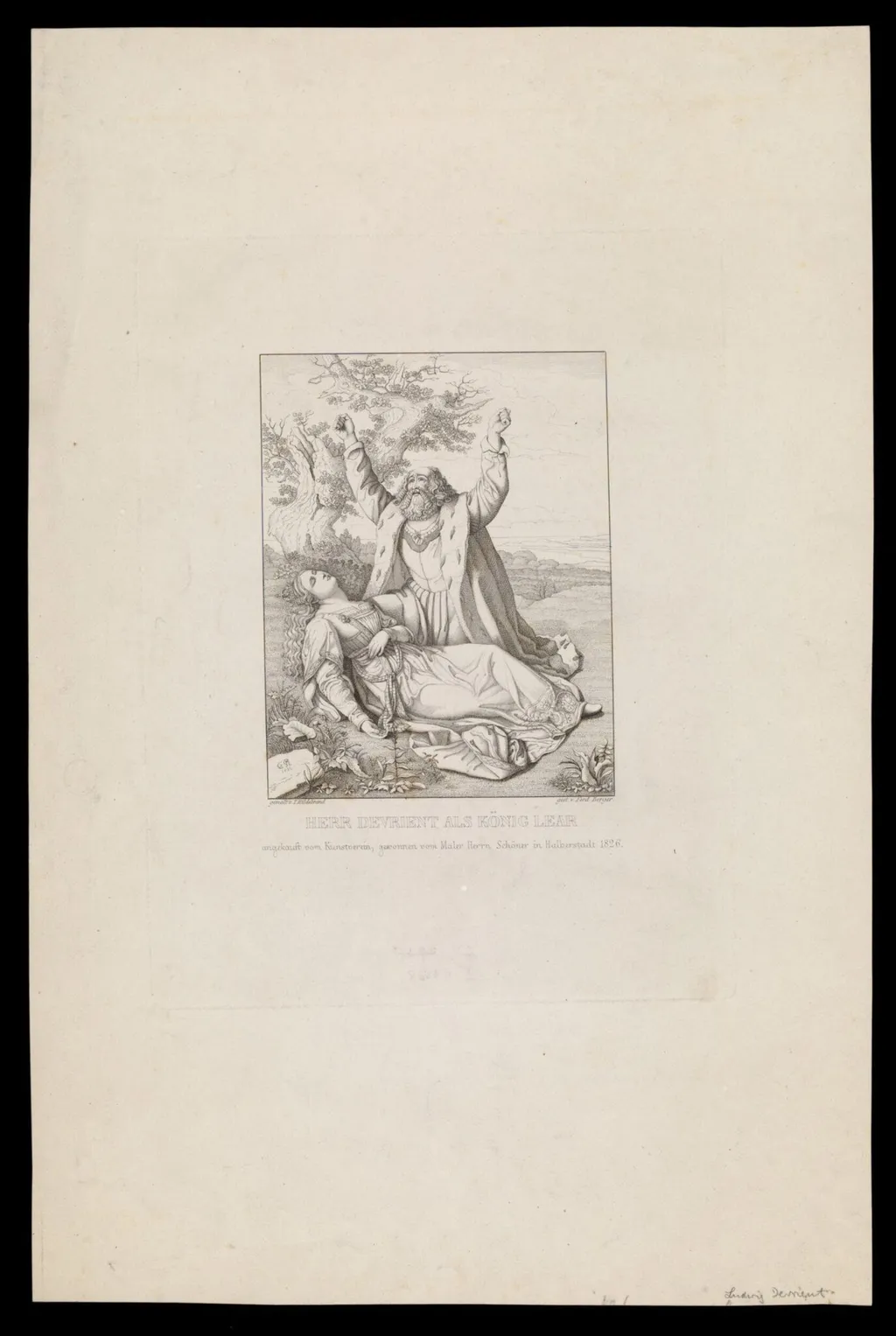
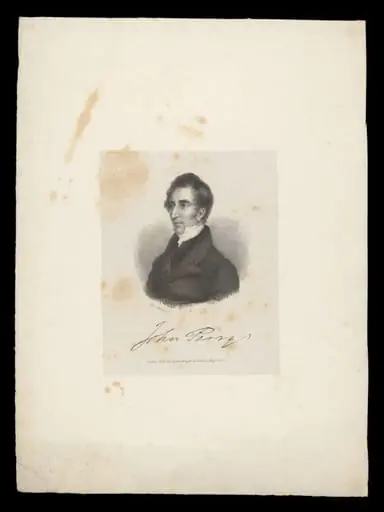
H Beard Print Collection is a print by the Romanticist artist Mr. / Herr Schöner. It dates from 1826 and is held in the collection of the Victoria and Albert Museum. This print depicts the German actor Eduard Devrient in the role of King Lear, captured during a theatrical performance.
About this work
Overview
This print depicts the German actor Eduard Devrient in the role of King Lear, captured during a theatrical performance. It belongs to the H. Beard Print Collection, a 19th-century archive of stage imagery. The work is a lithograph, typical of the period’s theatrical documentation, intended to preserve memorable portrayals for public circulation.
Subject & Meaning
The image centers on Devrient’s interpretation of Shakespeare’s aging monarch, conveying the character’s emotional collapse and regal dignity in equal measure. Rather than illustrating a specific scene, it presents Lear as a psychological figure—vulnerable yet commanding—reflecting Romantic-era interests in inner turmoil and individual suffering within classical drama.
Technique & Style
Executed in lithography, the print employs fine lines and tonal gradations to suggest texture and depth. The composition is tightly framed, focusing on Devrient’s posture and facial expression, with minimal background detail. The style favors realism over ornamentation, aligning with contemporary efforts to document performances with fidelity rather than theatrical embellishment.
History & Provenance
Created in the mid-1800s, the print was part of a broader trend in Europe to collect and distribute images of celebrated actors. It entered the H. Beard Collection, assembled by a British theater enthusiast, which later became a key resource for scholars studying 19th-century performance. The print’s survival reflects its value as historical record rather than artistic novelty.
Context
Devrient was renowned across Germany for his intense, naturalistic portrayals of Shakespearean roles, challenging the declamatory style of his predecessors. His Lear, performed in the 1820s–1840s, influenced later actors and critics who sought psychological realism on stage. This print captures a moment when theater was becoming a site of serious cultural inquiry, not mere entertainment.
Legacy
The print remains a primary visual source for understanding how Shakespeare’s tragedies were interpreted in early 19th-century Germany. It contributes to ongoing scholarship on actor-centered performance traditions and the role of print media in shaping public perception of the stage. Its preservation underscores the cultural weight assigned to theatrical representation during the period.
Artist & collection
Artist
This German printmaker left behind sharp, finely detailed engravings of animals and everyday scenes that feel as crisp as a woodcut.

 H Beard Print Collection
 The Wise Men's Offering
 H Beard Print Collection
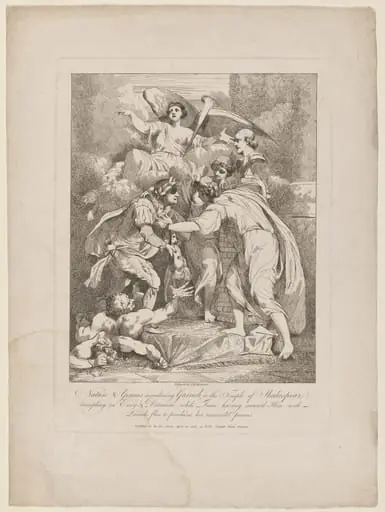 Nature and Genius Introducing Garrick to the Temple of Shakespeare
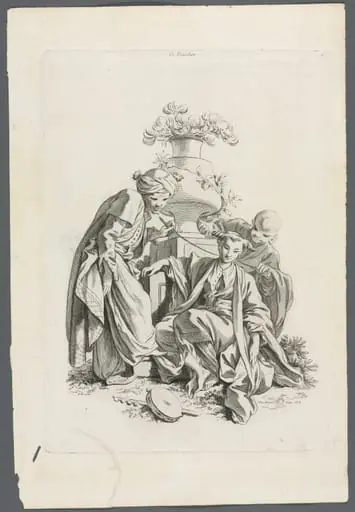 The Senses: Touch (after Boucher)
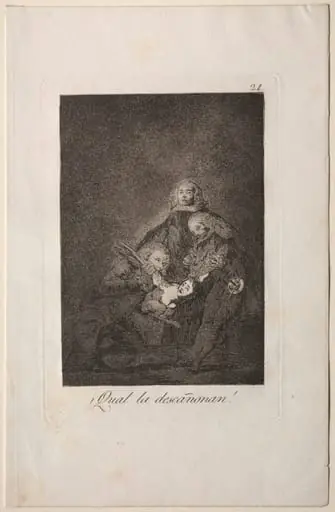 How They Pluck Her!, Plate 21
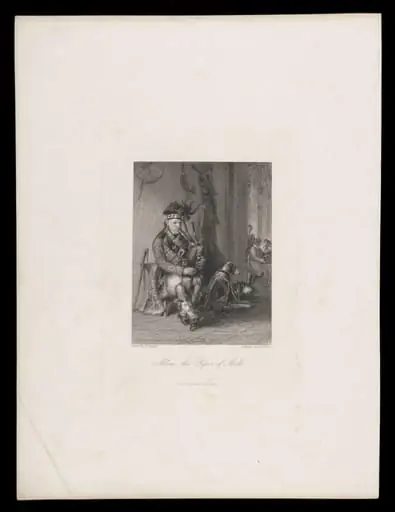 H Beard Print Collection
 H Beard Print Collection
 Judgment of Solomon
 Elle s'élance après lui
 The Entombment
 H Beard Print Collection