Artwork
The Wise Men's Offering
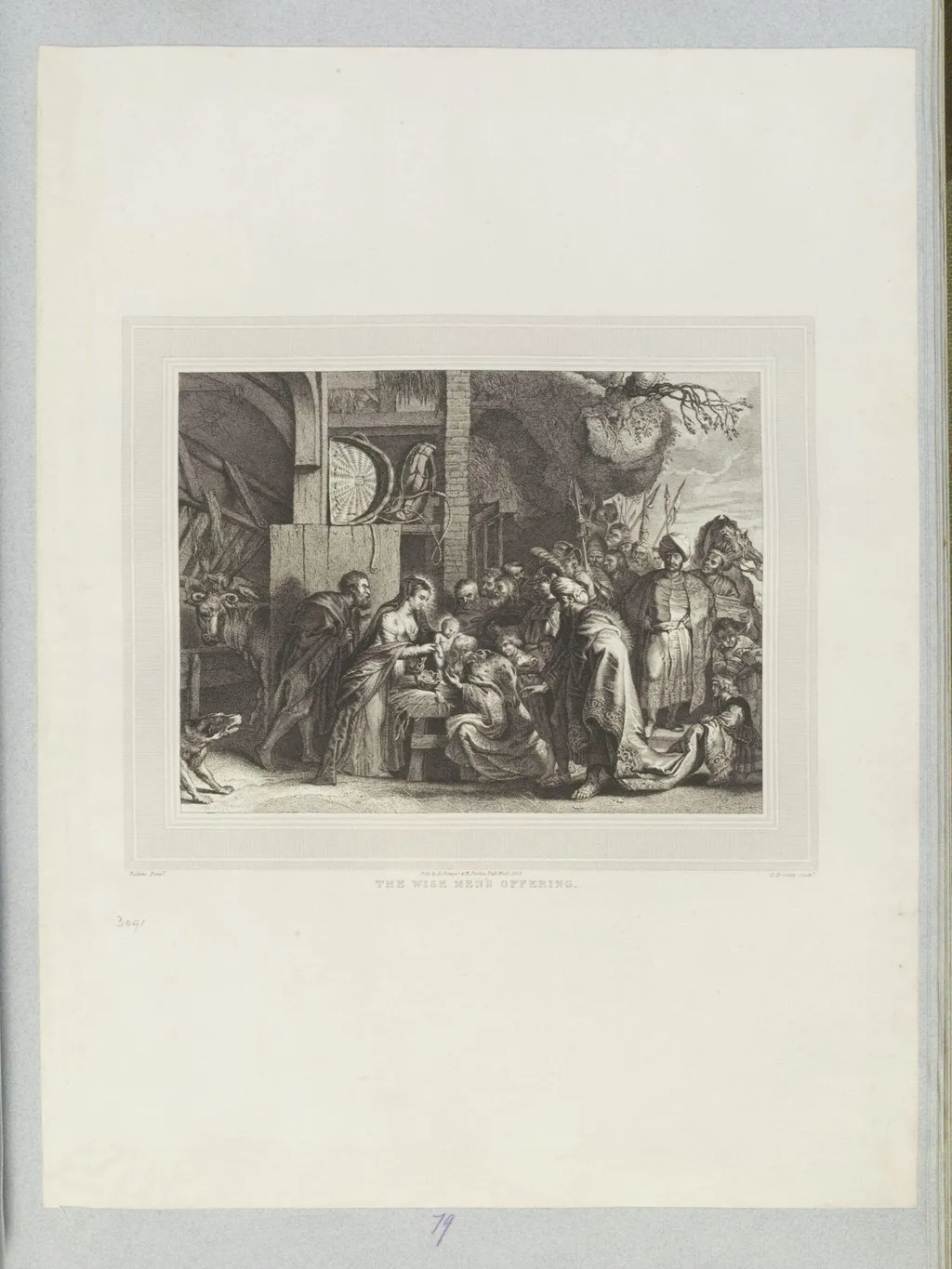
The Wise Men's Offering is a print by John Charles Bromley. It dates from 1850 and is held in the collection of the Victoria and Albert Museum.
About this work
Overview
Created in 1850 by John Charles Bromley, this print reproduces a composition originally by Peter Paul Rubens. Executed in ink on paper, it depicts a quiet moment from the biblical Nativity, rendered with careful tonal contrast. Bromley’s technique emphasizes the interplay of light and shadow to define form against a deep, muted background, characteristic of his approach to reproductive engraving.
Subject & Meaning
The scene portrays the adoration of the Christ Child by the Magi, as described in the Gospel of Matthew. The central figures — the Virgin Mary holding the infant, a kneeling Joseph, and three robed visitors offering gifts — convey reverence and solemnity. A dog rests in the corner and a donkey is partially visible behind a curtain, grounding the sacred moment in a humble, domestic setting.
Technique & Style
The figures emerge from a near-black background through graduated shading, drawing focus to their gestures and expressions.
Bromley employed fine linear engraving and controlled hatching to model volume and depth. The figures emerge from a near-black background through graduated shading, drawing focus to their gestures and expressions. The plain walls and sparse decorations reinforce the intimacy of the scene, while the delicate rendering of fabrics and textures reflects his skill in translating oil paintings into printed form.
History & Provenance
The print was made as a reproductive engraving following Rubens’s earlier painted composition, a common practice in the 19th century for disseminating famous works. Bromley, known for his precision in translating Old Master imagery, produced this piece during a period when demand for such prints was high among collectors and religious institutions seeking accessible devotional imagery.
Context
In mid-19th century Britain, reproductive prints served as both artistic education tools and devotional aids. Bromley’s work aligned with a broader trend of making high art available to middle-class audiences. The inclusion of quiet, domestic details — like the dog and donkey — reflects a growing interest in naturalism within religious subjects, even in traditional narratives.
Legacy
Bromley’s print contributes to the legacy of Rubens’s compositions through widespread reproduction, preserving their visual language for audiences unfamiliar with original paintings. While not widely exhibited today, such works remain important examples of 19th-century printmaking’s role in shaping public access to religious art and the enduring influence of Baroque imagery in Victorian culture.
Artist & collection
Artist
John Charles Bromley made 19th-century religious prints that retell Bible stories in clear, dramatic lines.

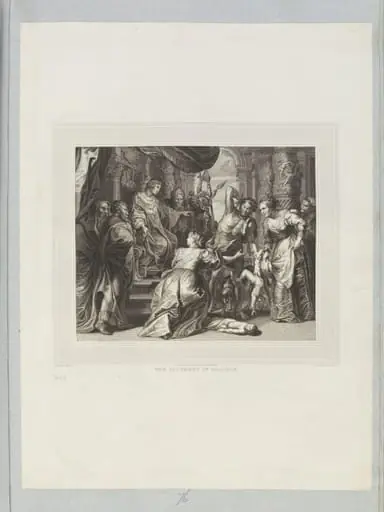 Judgment of Solomon
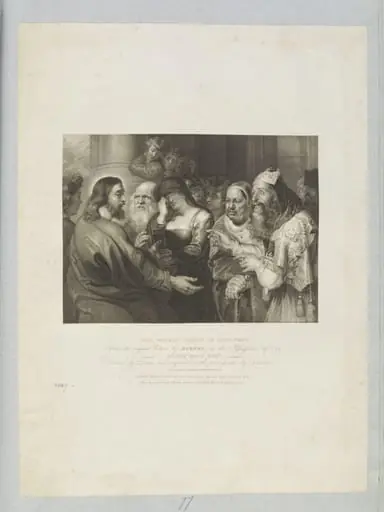 The Woman Taken in Adultery
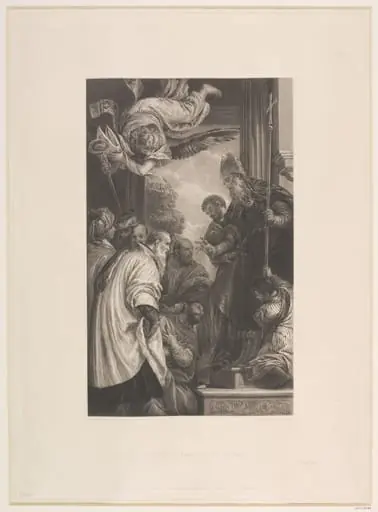 Consecration of St. Nicholas
 H Beard Print Collection
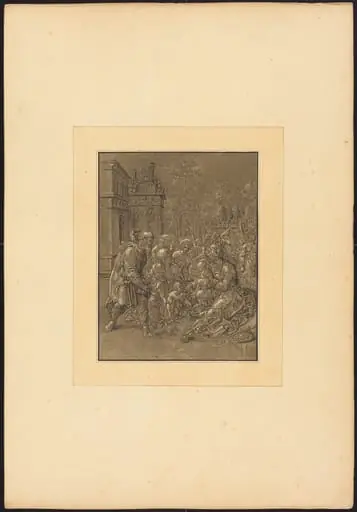 Visit of Saint Elizabeth to the Holy Family
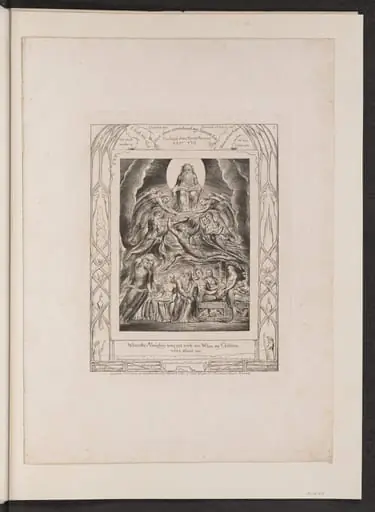 Satan Before the Throne of God
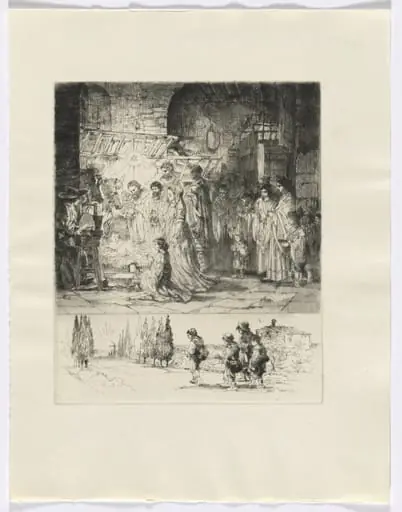 Frédéric Mistral: Mémoires et Recits by Frédéric Mistral: nativity/ figures walking on a road (insert after p. 32)
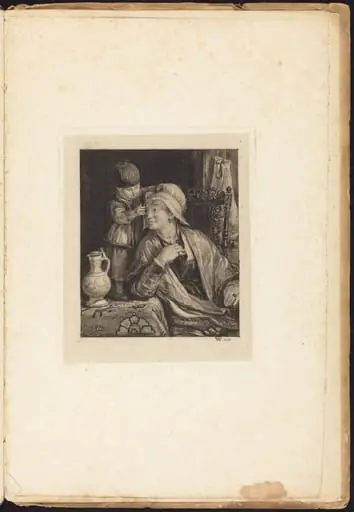 The Flemish Mother
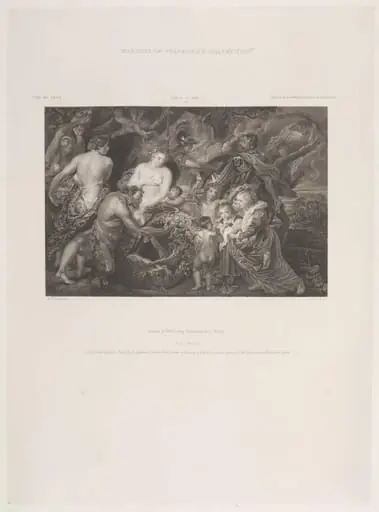 Peace and War
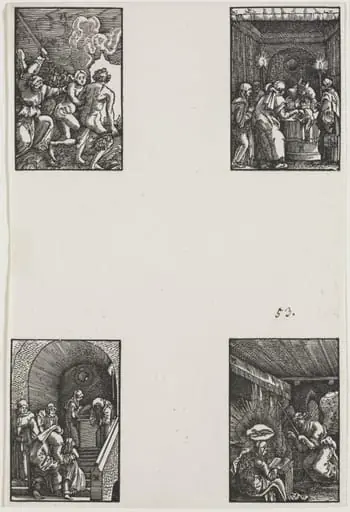 The Fall and Redemption of Man