Artwork
Self-Portrait
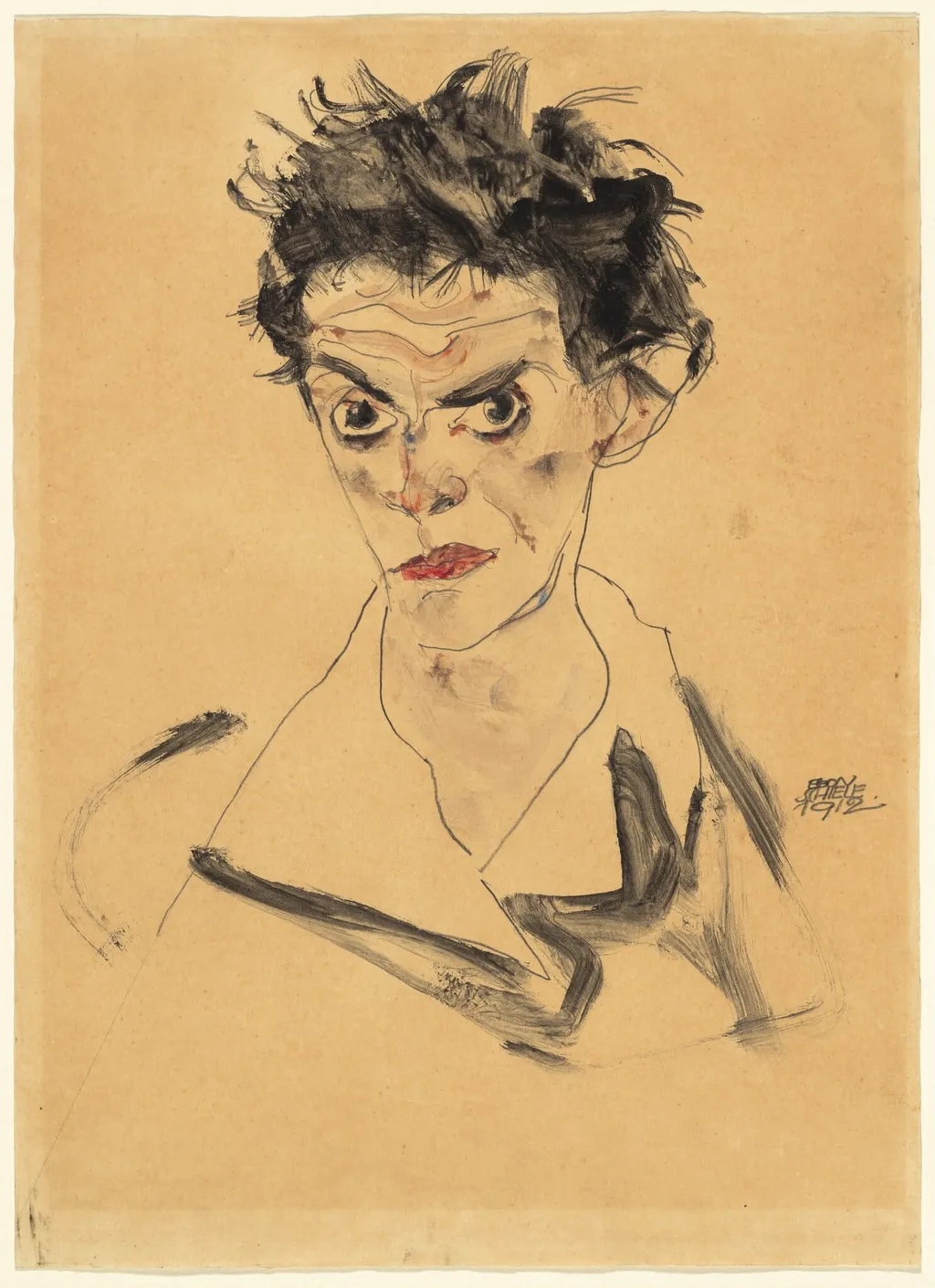
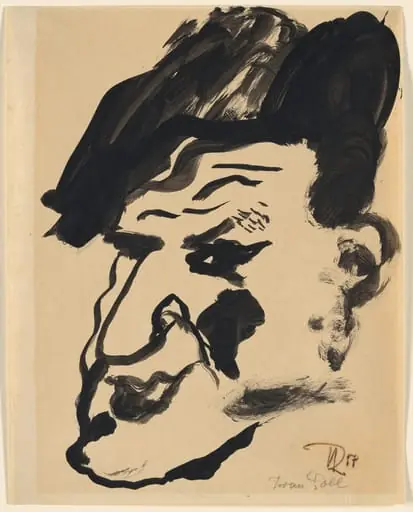
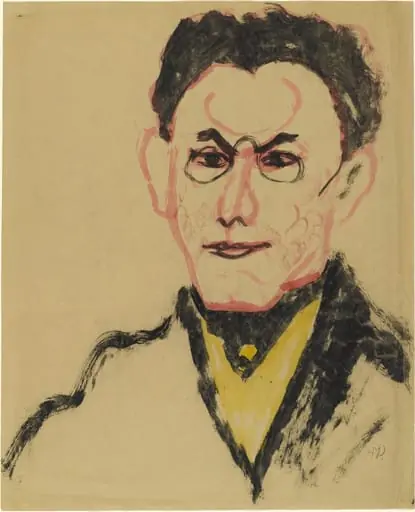
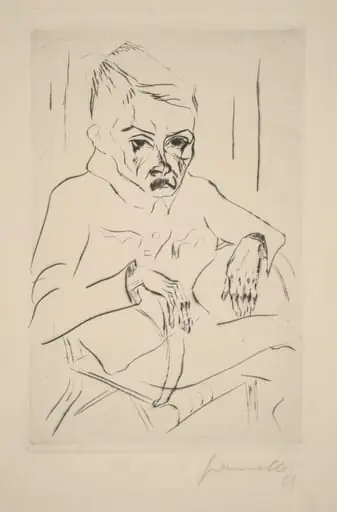
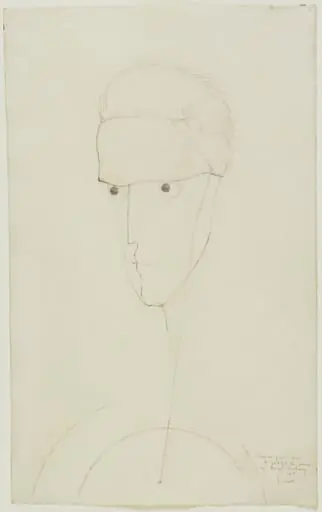
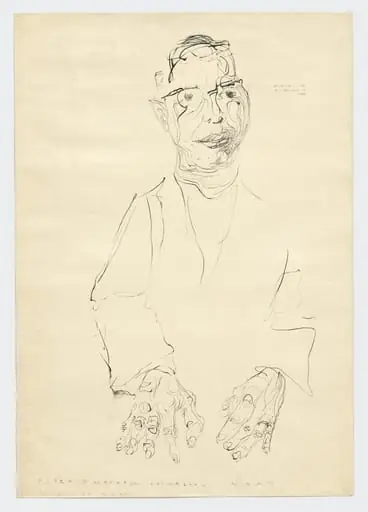
Self-Portrait is a graphite drawing by Egon Schiele. It dates from 1912 and is held in the collection of the National Gallery of Art.
About this work
Overview
Egon Schiele's *Self-Portrait* (1912) is a watercolor and graphite drawing on light brown wove Japan paper, featuring a partial graphite face sketch on the reverse. Characterized by expressive linework and intense style, it exemplifies Schiele's contribution to Expressionism.
Subject & Meaning
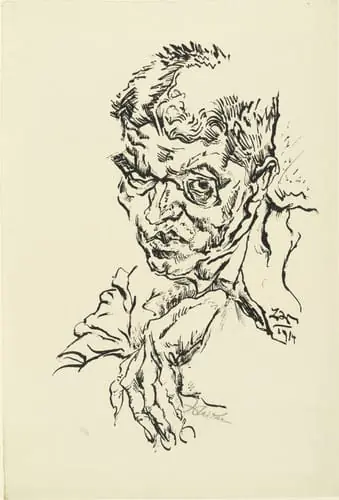
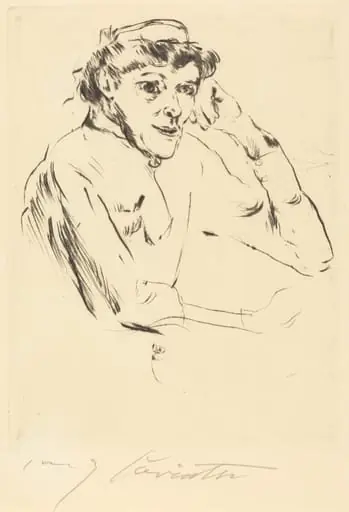
The portrait depicts the artist bare-shouldered with disheveled dark hair and a serious, tense expression, conveyed through wide, alert eyes and a strained mouth. The image embodies the emotional intensity hallmark of Expressionist figural depictions.
Technique & Style
Schiele employed quick, loose lines varying in darkness to render the head and arms, leaving the background largely unadorned. The watercolor application appears fresh and rapid, with a small, discreet signature in the corner.
History & Provenance
Created under the influence of Gustav Klimt, Schiele's mentor, this work is part of his prolific self-portrait series, solidifying his position as a leading figure in early 20th-century Austrian Expressionism.
Context
This piece reflects Schiele's exploration of the human form through distorted, emotionally charged representations, aligning with the broader Expressionist movement's emphasis on inner experience.
Own this work as a print
Artist & collection

Artist
Egon Leo Adolf Ludwig Schiele (German: ; 12 June 1890 – 31 October 1918) was an Austrian Expressionist painter.