Artwork
Pikkusiskoaan ruokkiva poika
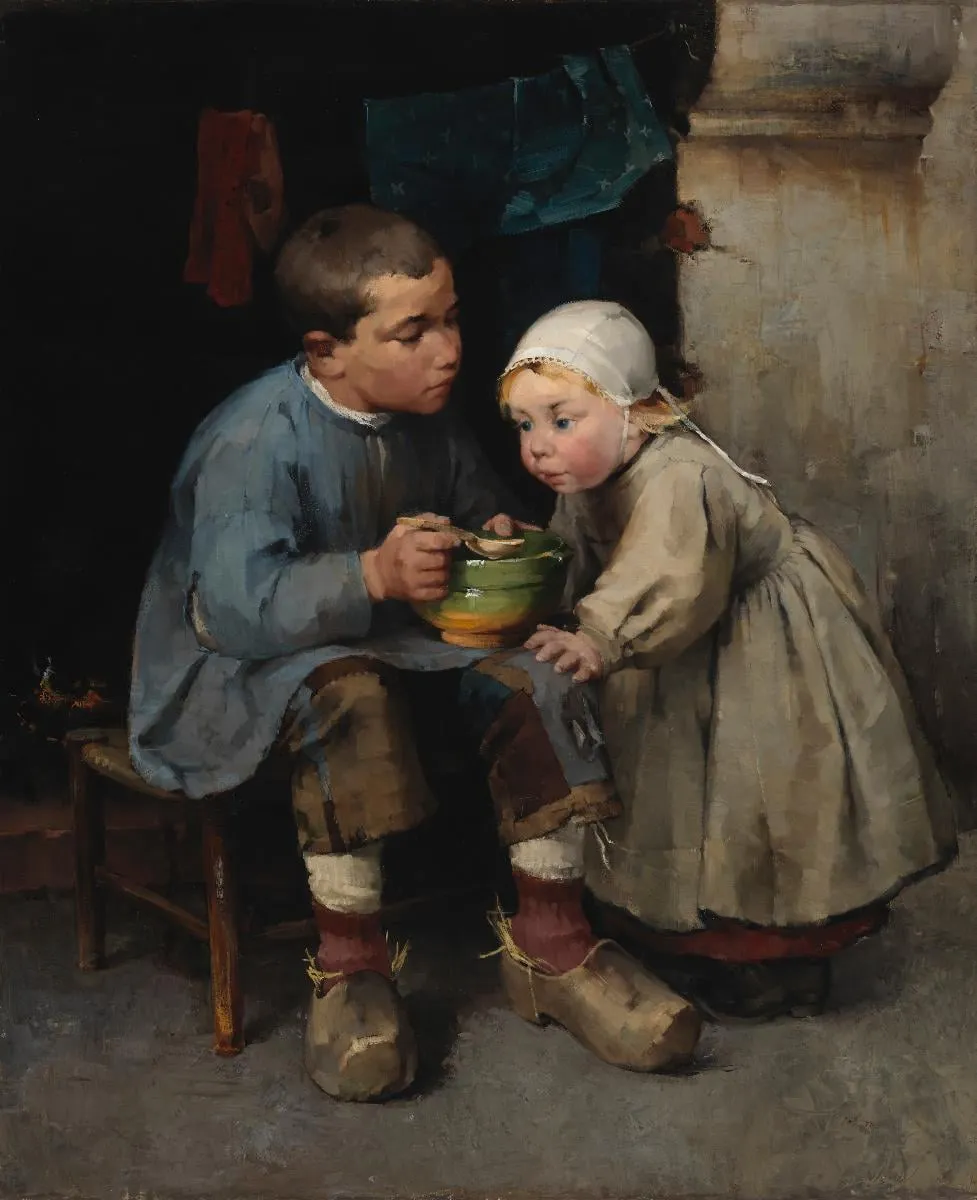
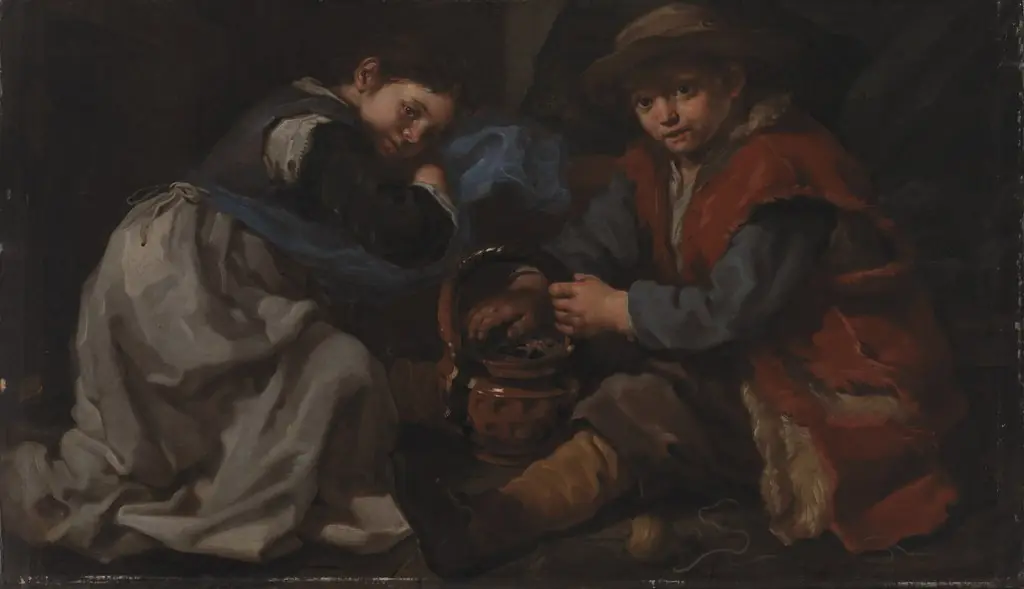
Pikkusiskoaan ruokkiva poika is an unspecified painting by Helene Schjerfbeck. It is held in the collection of the Finnish National Gallery. A young boy sits on a wooden stool, carefully feeding a younger child from a green ceramic bowl.
About this work
Overview
The scene unfolds in a modest, dimly lit interior, with a rough plaster wall and a draped red cloth suggesting a humble domestic setting.
A young boy sits on a wooden stool, carefully feeding a younger child from a green ceramic bowl. The scene unfolds in a modest, dimly lit interior, with a rough plaster wall and a draped red cloth suggesting a humble domestic setting. The figures are rendered with thick, tactile brushwork, emphasizing physical presence over idealized form. The quiet intimacy of the moment anchors the composition, drawing attention to the simple act of care.
Subject & Meaning
The painting captures a moment of quiet responsibility between siblings. The boy’s steady hand and focused gaze convey duty, while the girl’s upward look suggests trust and dependence. Their clothing—simple, worn, and regionally distinct—hints at rural or working-class life. No narrative drama is present; instead, the work elevates everyday tenderness, portraying nurture as an unspoken, routine act of human connection.
Technique & Style
Thick layers of paint, applied with impasto, give the figures a sculptural weight, particularly in the folds of the girl’s dress and the boy’s sleeve. The brushwork is deliberate yet unrefined, avoiding smooth blending in favor of textured surfaces that catch light unevenly. The palette is muted—earthy tones dominate, with the green bowl and red cloth offering subtle contrast. This approach prioritizes material presence over atmospheric illusion.
History & Provenance
The painting’s origins are tied to a regional tradition of domestic genre scenes, likely created in the late 19th or early 20th century by an artist working outside major urban centers. It remained in private hands for much of its history, with no documented exhibition or public acquisition until recent decades. Its survival reflects its modest status rather than contemporary acclaim.
Context
This image emerges from a broader cultural interest in rural life during a period of rapid industrialization. Artists across Europe turned to everyday scenes of family and labor as a counterpoint to urban alienation. The depiction of children in domestic roles aligns with contemporary ethnographic interests, though here the focus remains on emotional quietude rather than sociological documentation.
Legacy
Though never widely exhibited, the painting has influenced later regional artists drawn to unidealized portrayals of childhood and domestic labor. Its emphasis on texture and emotional restraint resonates with 20th-century realist movements that rejected romanticism. Today, it is valued for its unembellished humanity, offering a quiet testament to ordinary acts of care.
Artist & collection
Artist
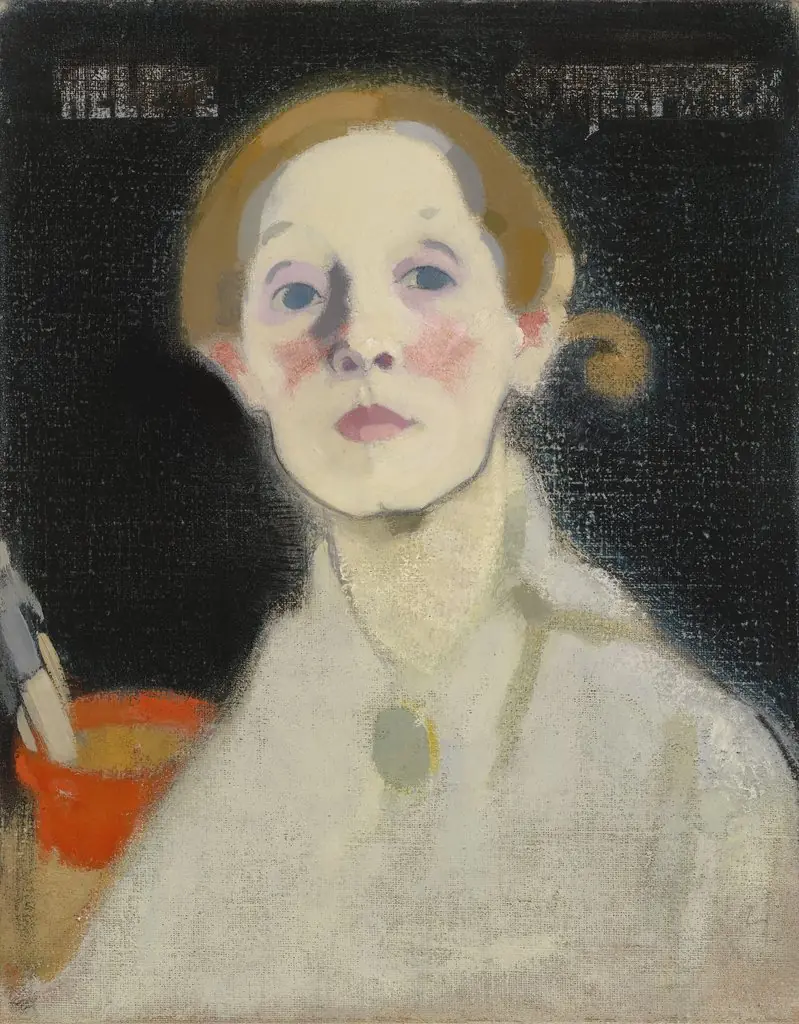
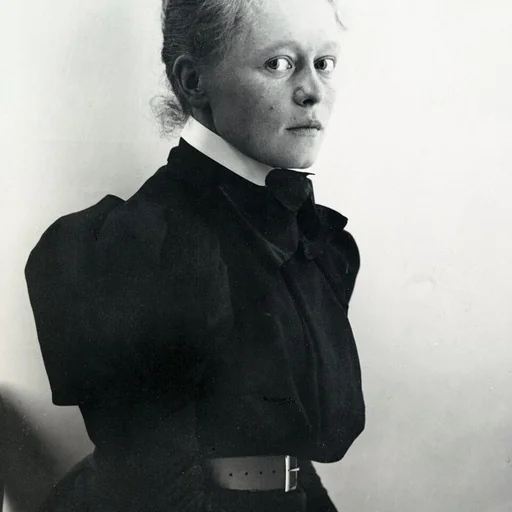
Helena Sofia (Helene) Schjerfbeck (pronounced ; July 10, 1862 – January 23, 1946) was a Finnish modernist painter known for her realist works and self-portraits, and also for her landscapes and still lifes.