Artwork
The Pancakes
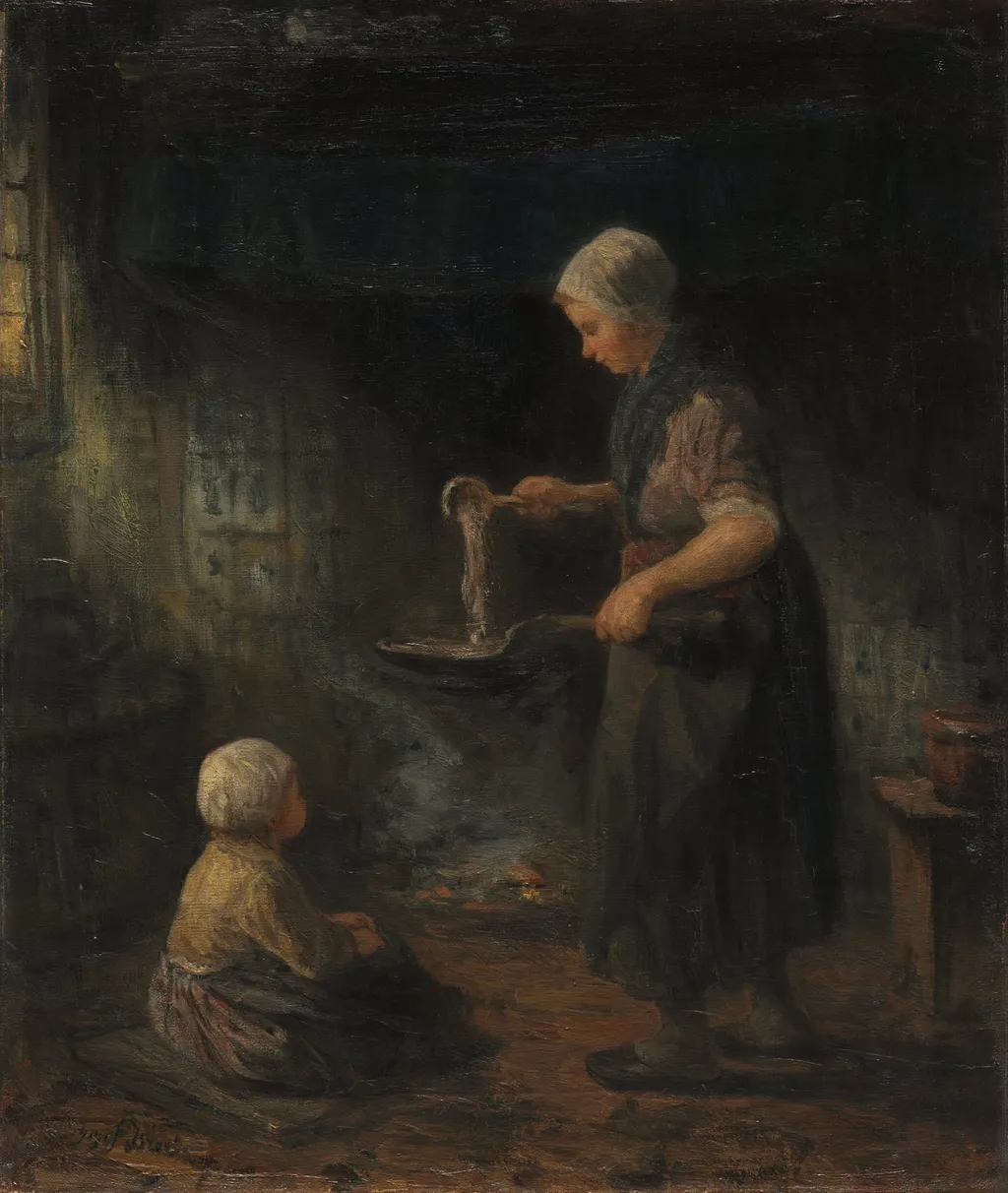
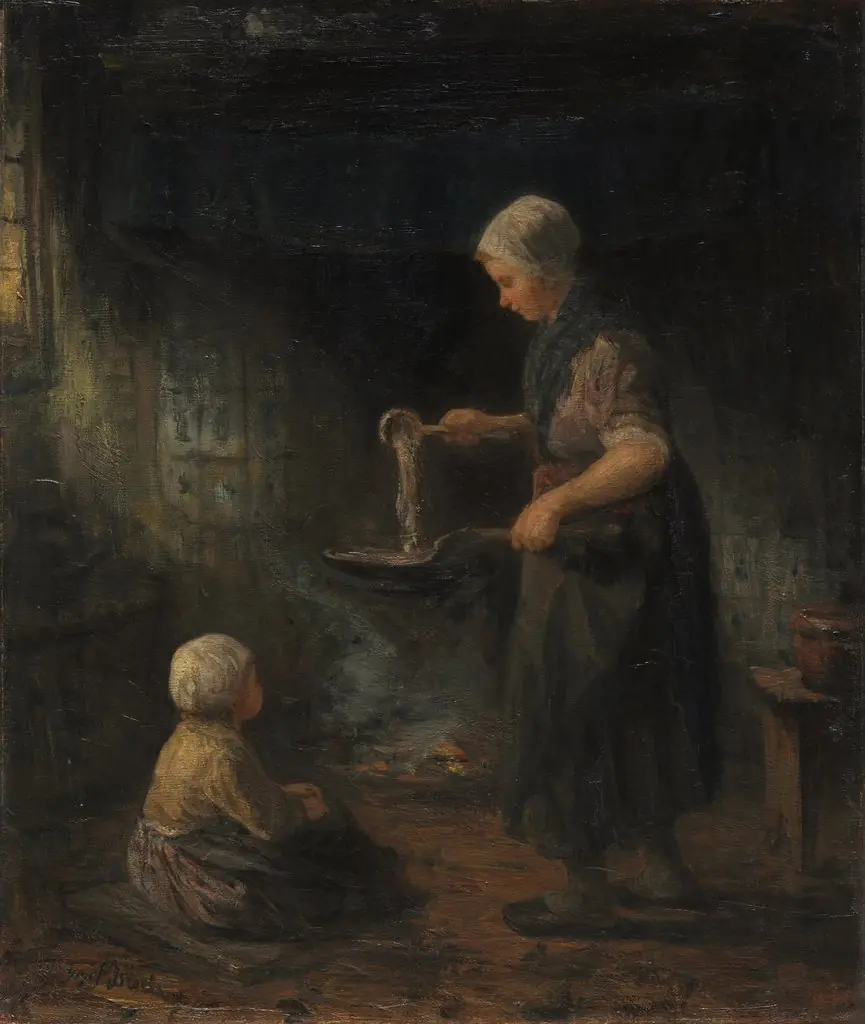
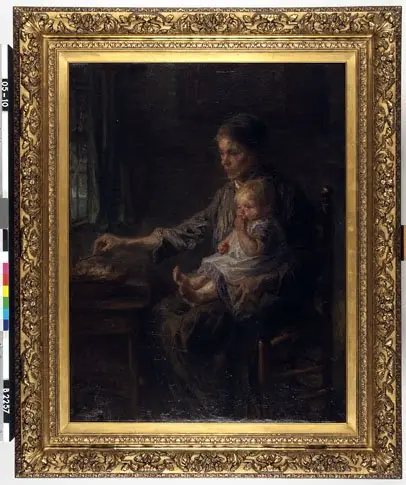
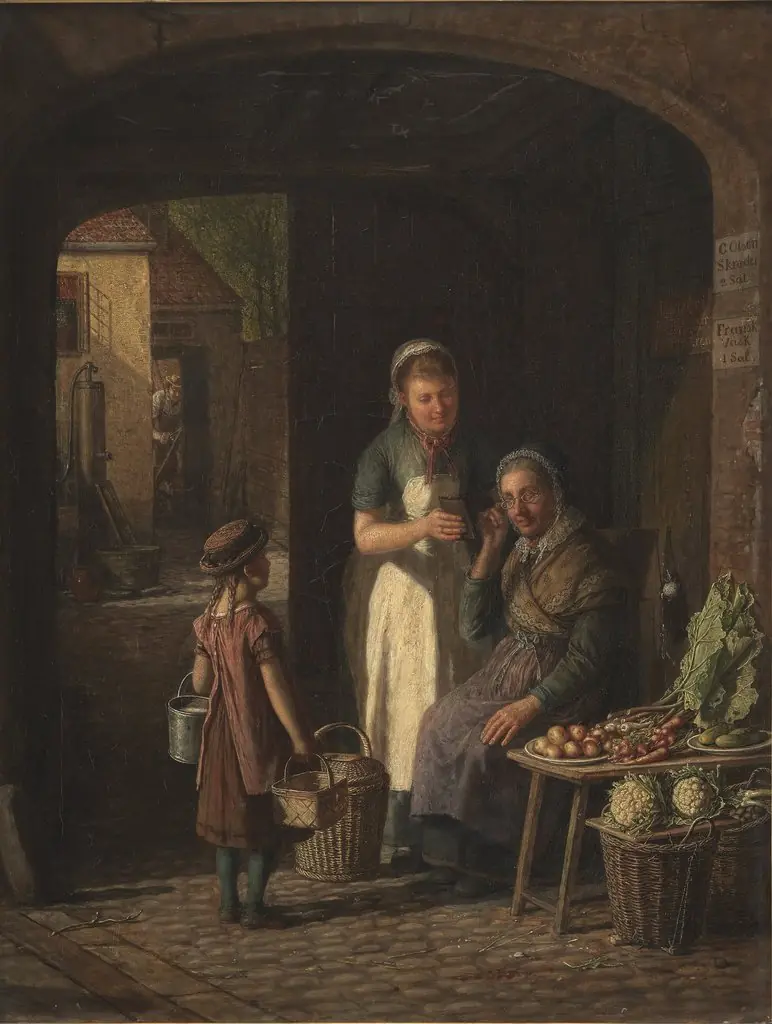
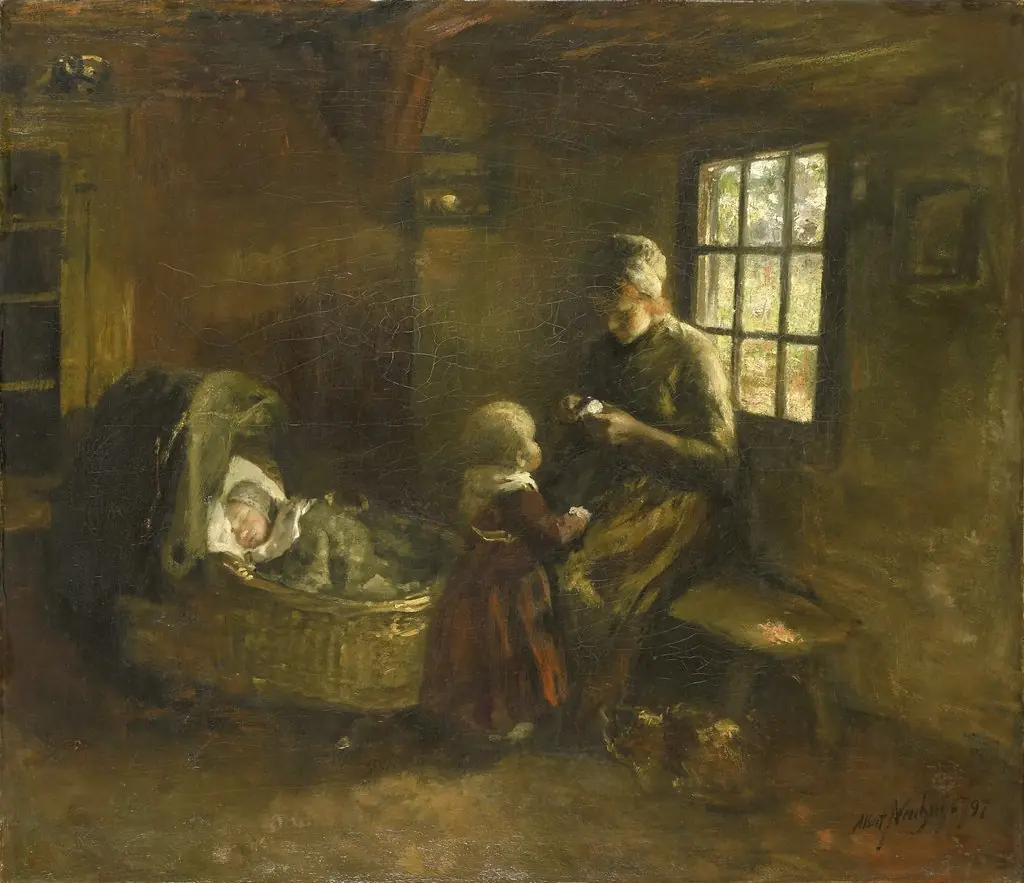
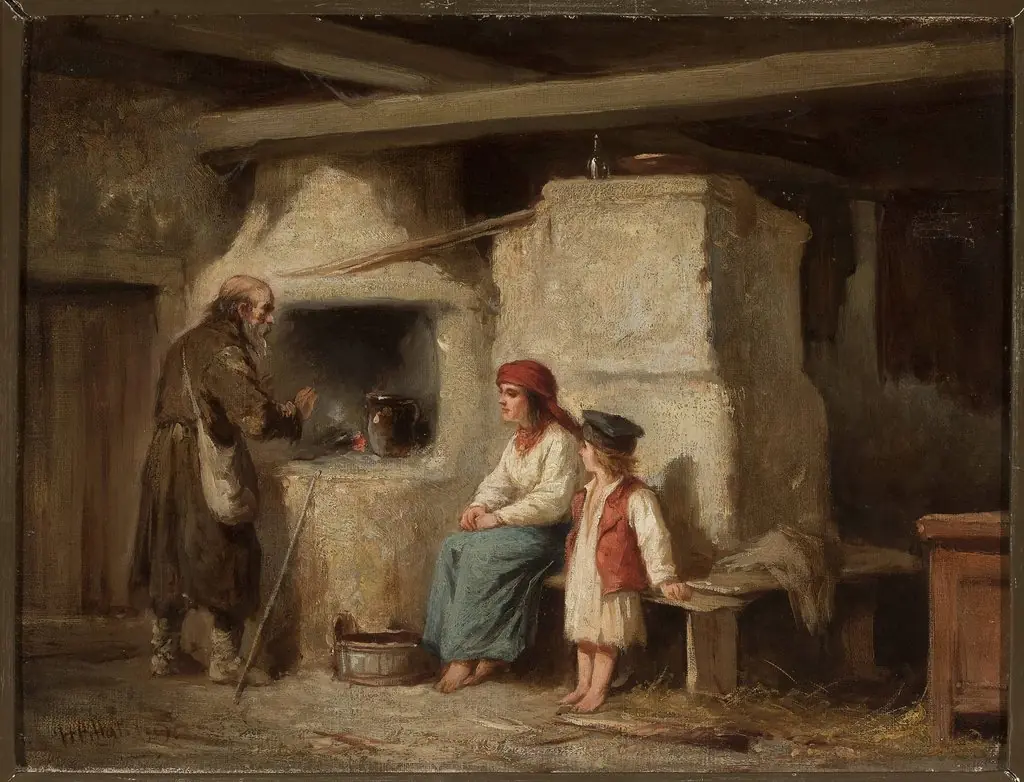
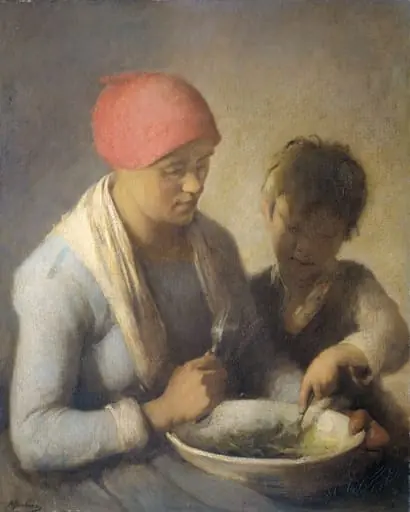
The Pancakes is an unspecified painting by the Dutch Golden Age artist Jozef Israëls. It dates from 1875 and is held in the collection of the Cleveland Museum of Art.
About this work
Overview
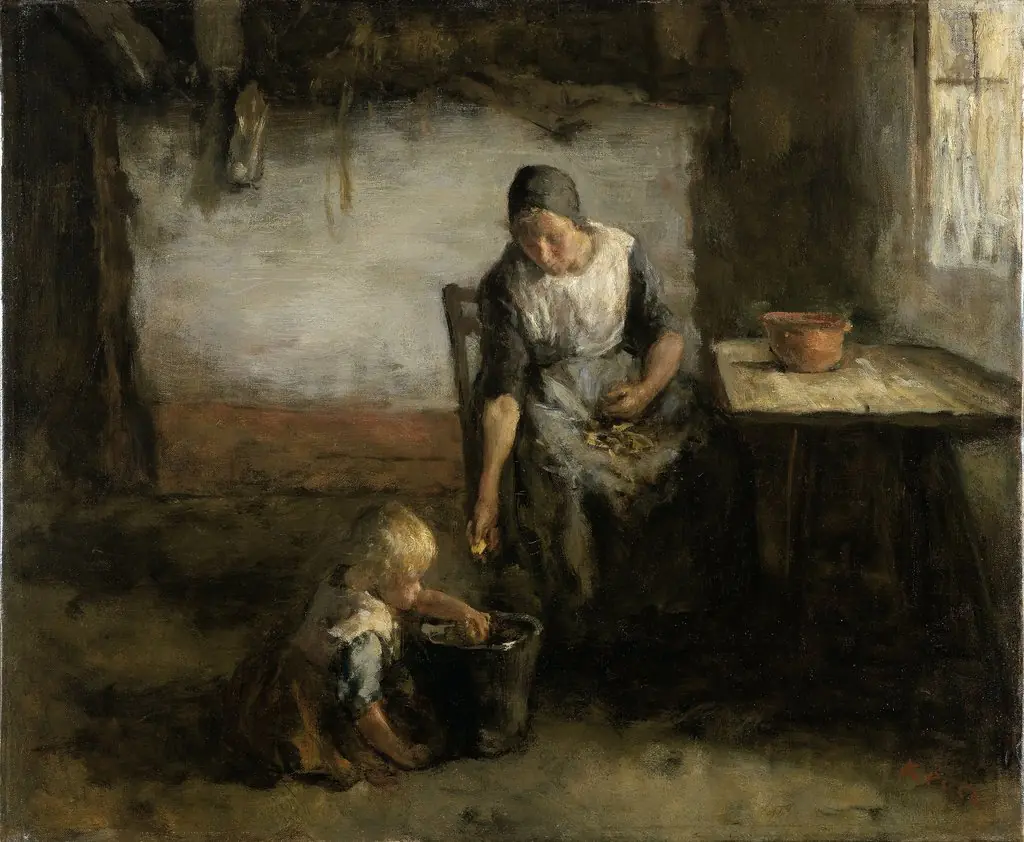
Jozef Israëls created *The Pancakes* circa 1875, situating the work within the later phase of the Hague School. The canvas records a quiet domestic interior, illuminated by a gentle glow from a modest hearth. Today the painting belongs to the collection of the Cleveland Museum of Art, where it is displayed among other 19th‑century Dutch works.
Subject & Meaning
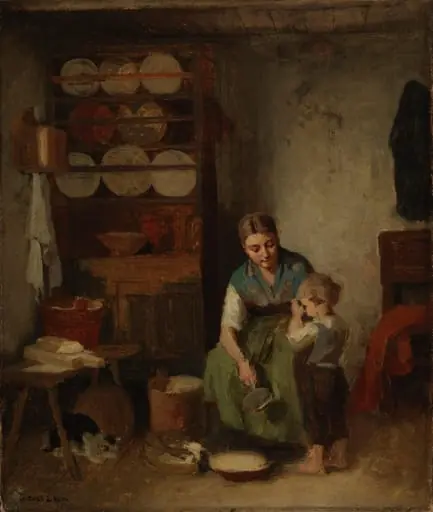
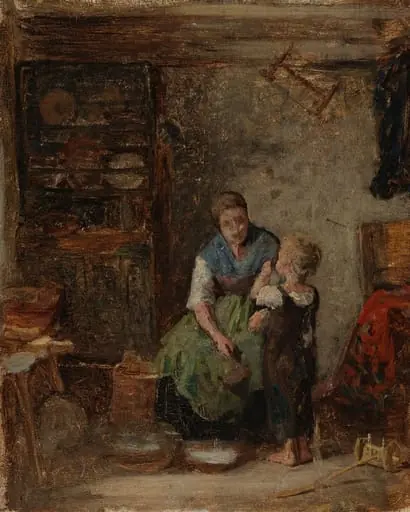
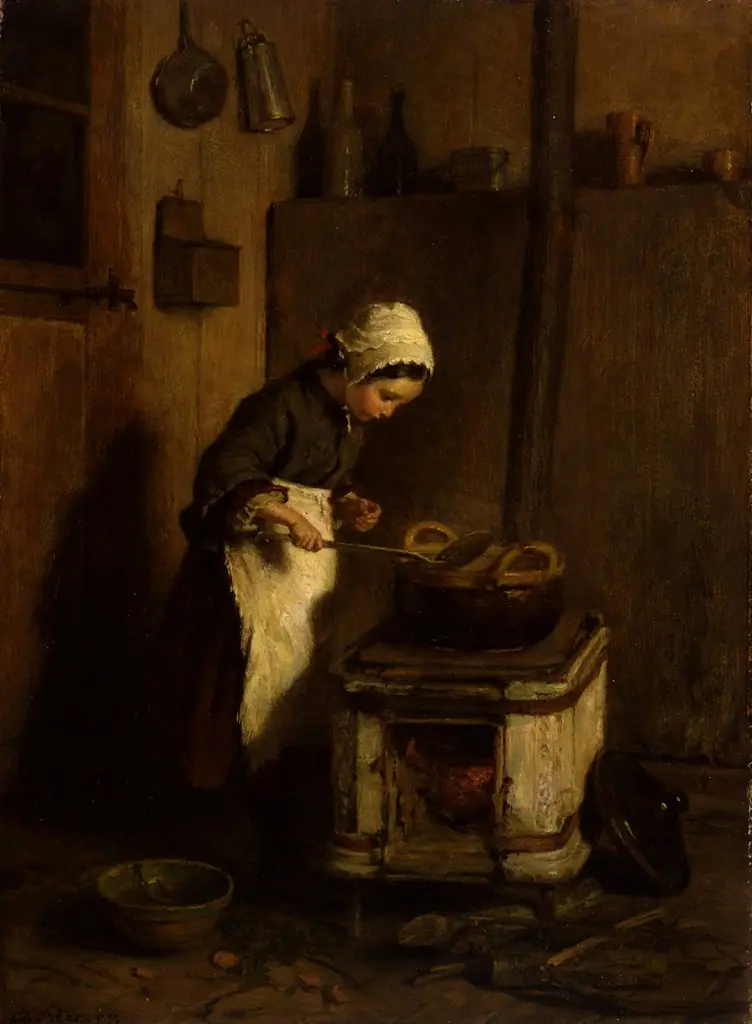
The composition captures a mother‑figure pouring batter into a skillet while a child watches attentively. The scene emphasizes routine household labor, inviting viewers to contemplate the dignity of ordinary tasks. By focusing on a fleeting moment of food preparation, Israëls underscores the intimacy and quiet resilience of everyday family life.
Technique & Style
Israëls employs a muted palette dominated by deep browns and soft ochres, allowing the warm light from the fire to model the figures subtly. The brushwork is restrained, rendering textures of wood, cloth, and metal with a naturalistic touch. The overall effect is one of subdued realism, characteristic of the Hague School’s interest in atmospheric, low‑key lighting.
History & Provenance
Painted around the mid‑1870s, *The Pancakes* reflects Israëls’s mature period, when he turned increasingly toward genre scenes rooted in Dutch tradition. The work entered the Cleveland Museum of Art’s holdings through acquisition in the 20th century, joining a broader collection of Dutch paintings that illustrate the continuity between 17th‑century genre art and its 19th‑century revival.
Own this work as a print
Artist & collection
Artist
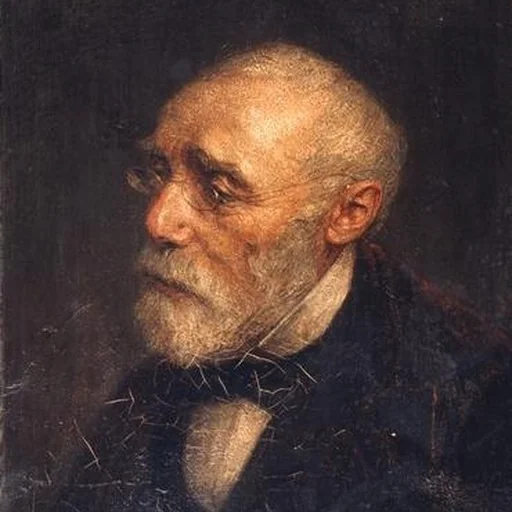
Jozef Israëls (Dutch pronunciation: ; 27 January 1824 – 12 August 1911) was a Dutch painter.