Artwork
Hirsch Michel
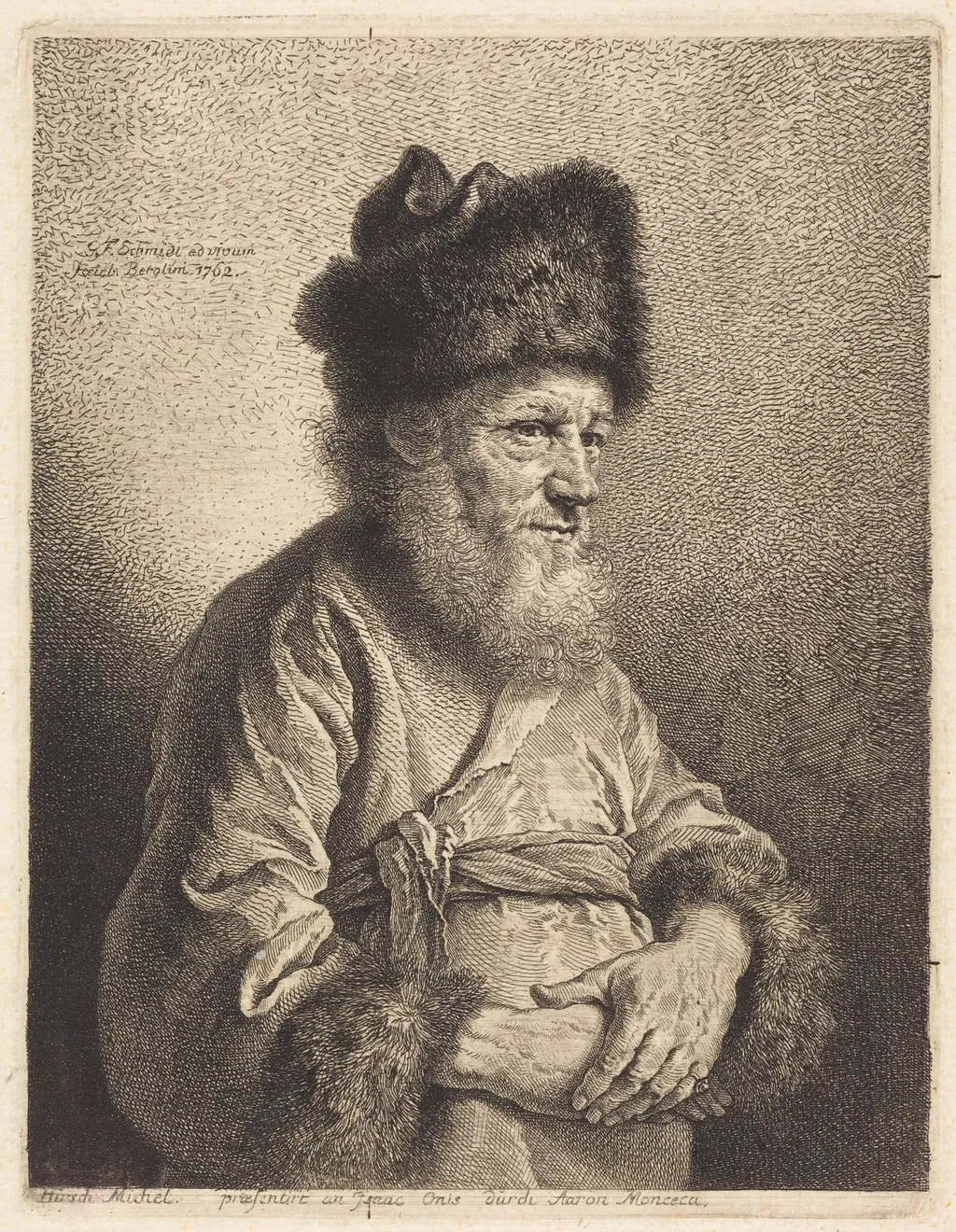
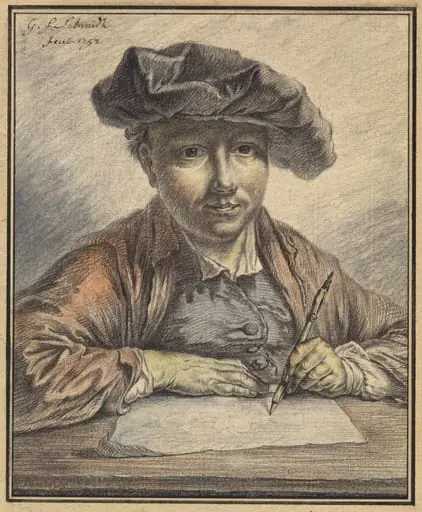
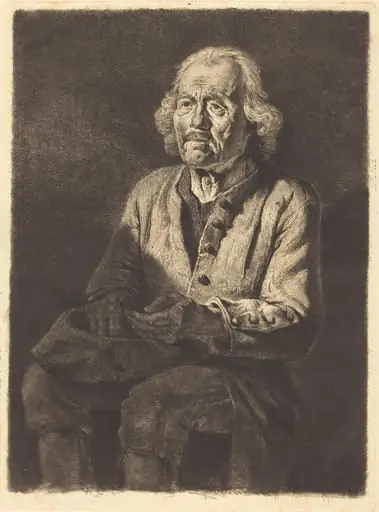
Hirsch Michel is an ink print by the Romanticist artist Georg Friedrich Schmidt. It dates from 1762 and is held in the collection of the National Gallery of Art.
About this work
Overview
Created in 1762 by German artist Georg Friedrich Schmidt, *Hirsch Michel* is a black-and-white print made using etching and drypoint on laid paper.
Created in 1762 by German artist Georg Friedrich Schmidt, *Hirsch Michel* is a black-and-white print made using etching and drypoint on laid paper. Schmidt, active in the mid-18th century, specialized in detailed graphic work that reflected the ornamental sensibilities of the Rococo era. This piece exemplifies his technical command of intaglio methods, blending fine lines with expressive texture to capture a singular portrait.
Subject & Meaning
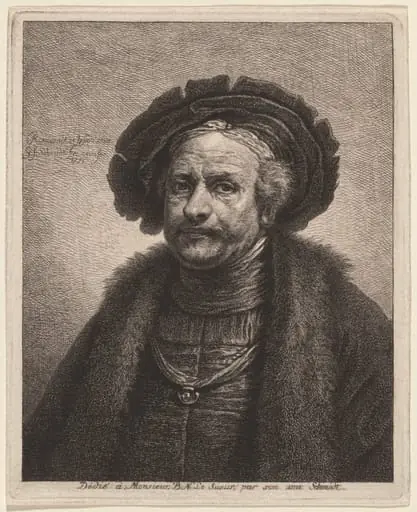
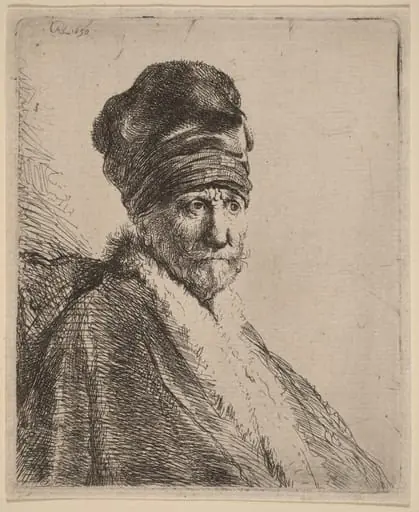
The portrait depicts an elderly man, identified as Hirsch Michel, wearing a large, curled wig and a long coat, his hands clasping a hat. His weathered face and subdued posture suggest a figure of quiet dignity, possibly a local notable or patron. The absence of symbolic objects or setting focuses attention on character and presence, inviting contemplation rather than narrative.
Technique & Style
Schmidt employed drypoint to carve directly into the copper plate, creating rich, fuzzy lines that hold ink deeply and produce a soft, grainy texture. Combined with etching, which allowed for finer, controlled lines, the result is a layered surface that mimics the spontaneity of a sketch while retaining intricate detail. The tonal contrasts and rough edges reflect a deliberate embrace of tactile immediacy over polished finish.
History & Provenance
The print was produced during Schmidt’s mature period, when he was active in Berlin and known for portraiture and reproductive prints. While specific early ownership records are sparse, the work survives in institutional collections, indicating its recognition among collectors of 18th-century German graphic art. Its preservation reflects sustained interest in Schmidt’s nuanced approach to printmaking.
Context
In the 1760s, German printmaking was evolving under the influence of Rococo elegance and emerging interest in individual character. Schmidt’s work stood apart from grand historical subjects, instead focusing on intimate, lifelike portraits. *Hirsch Michel* aligns with a broader trend of depicting ordinary yet distinctive individuals, reflecting a cultural shift toward personal identity in visual culture.
Legacy
Though not widely known today, Schmidt’s prints, including *Hirsch Michel*, contributed to the development of German graphic arts through their technical refinement and psychological nuance. The work remains a reference for studies of drypoint’s expressive potential and the Rococo’s quieter, more personal expressions in print media.
Artist & collection

Artist
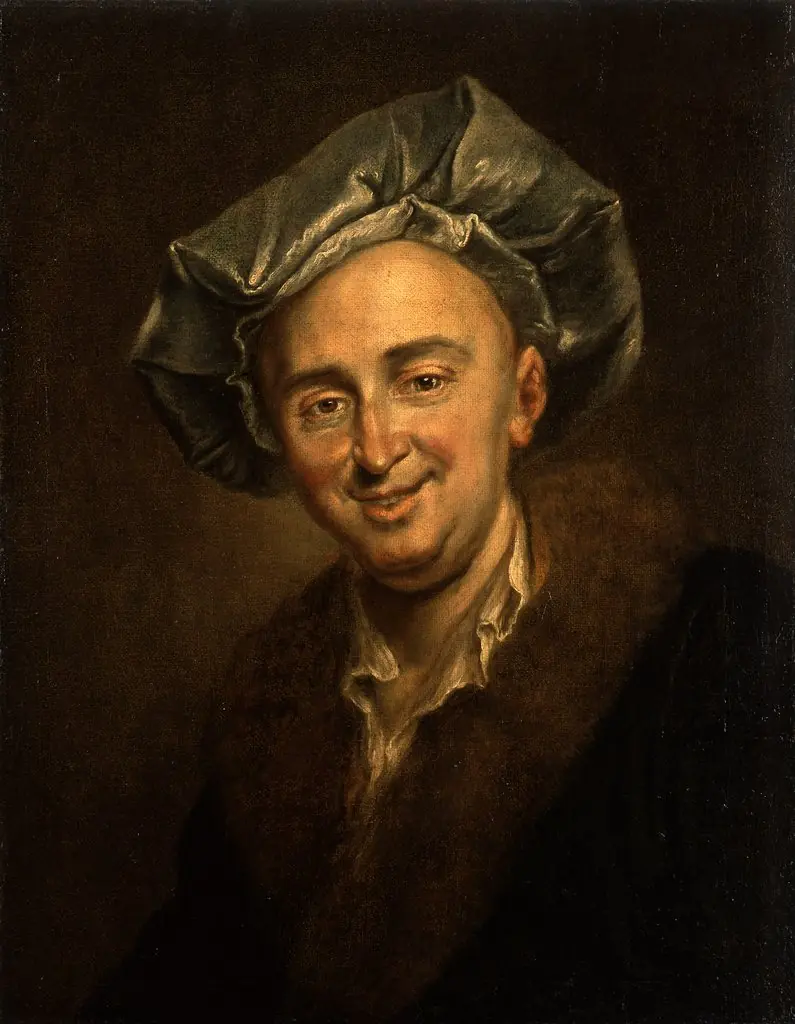
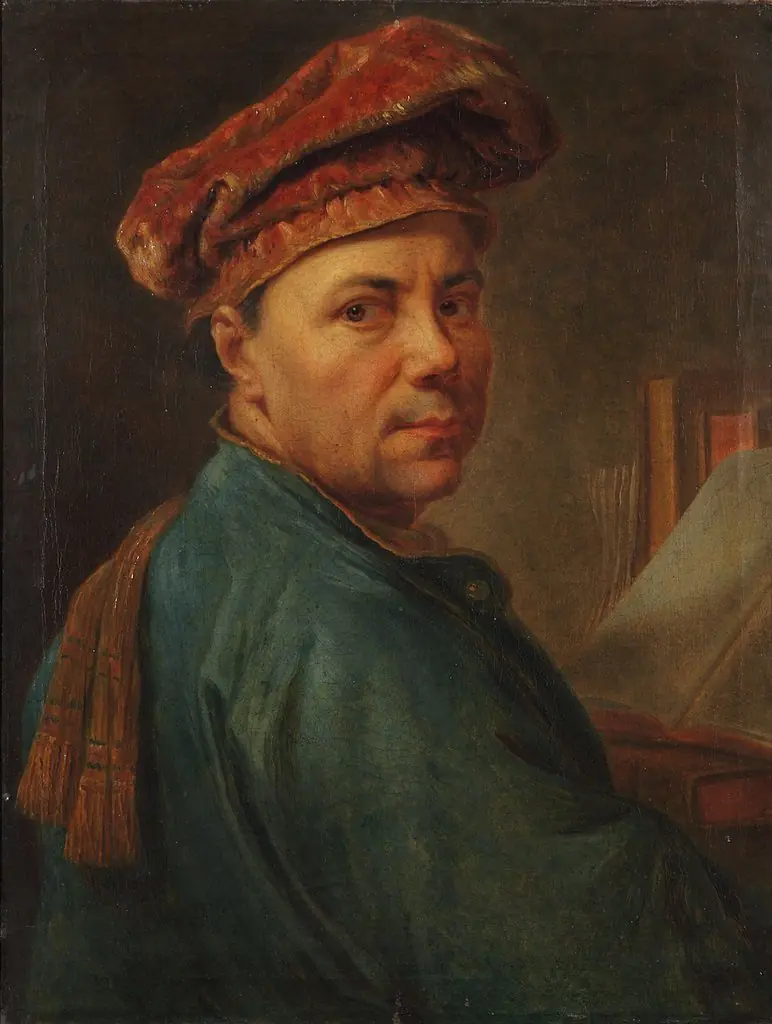
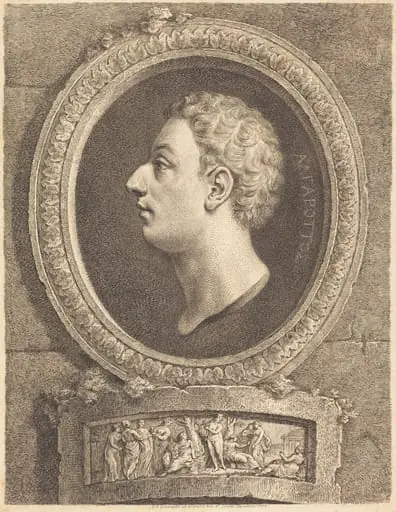
Georg Friedrich Schmidt was a German engraver, etcher and pastel painter, in the Rococo style.

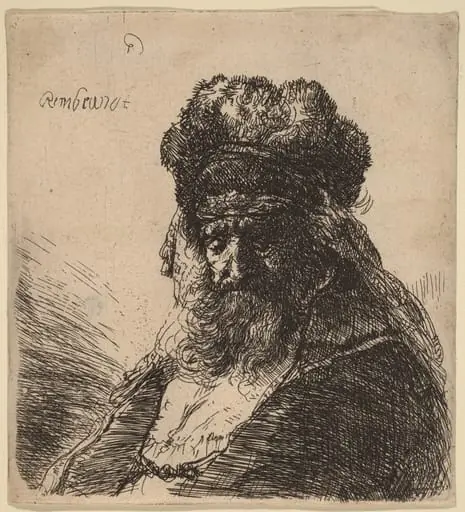 Old Bearded Man in a High Fur Cap, with Eyes Closed
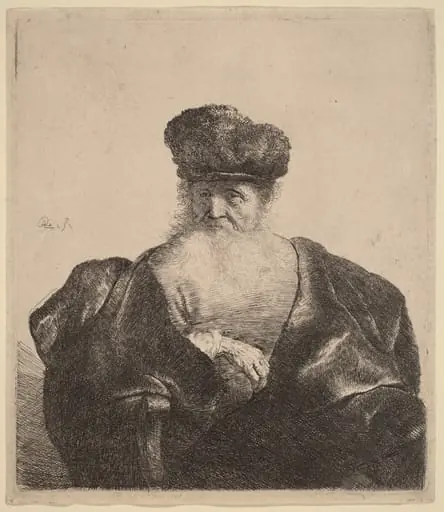 Old Man with Beard, Fur Cap, and Velvet Cloak
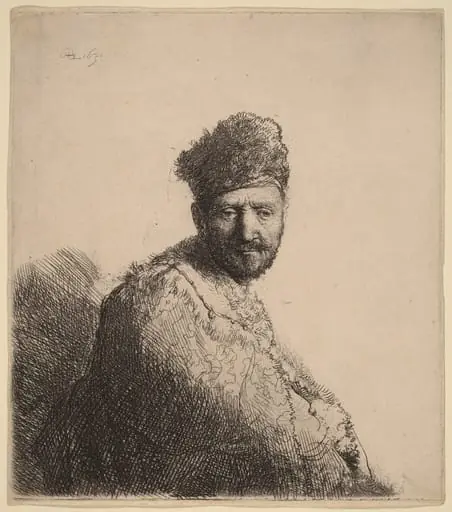 Bearded Man, in a Furred Oriental Cap and Robe: the Artist's Father
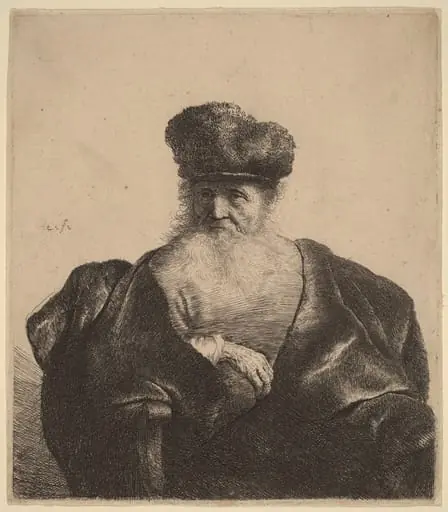 Old Man with Beard, Fur Cap, and Velvet Cloak
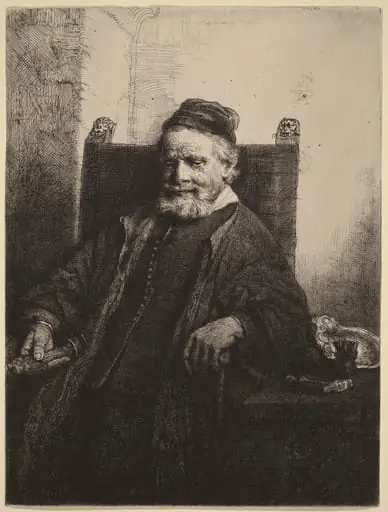 Jan Lutma
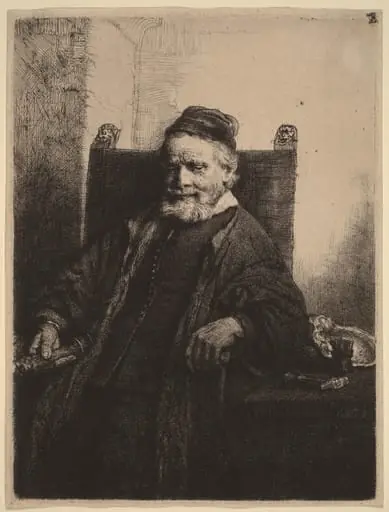 Jan Lutma
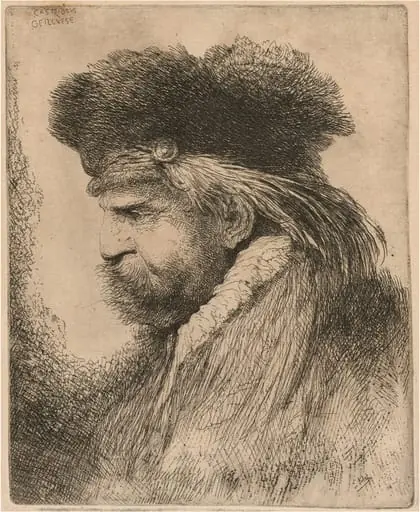 Bearded Man in a Fur Cap, Facing Left
 The Old Peasant Girard
 Old Man with a Divided Fur Cap
 Old Man with a Beard
 Old Man with Beard, Fur Cap, and Velvet Cloak
 Bust of a Man Wearing a High Cap, Three-Quarters Right (The Artist's Father?)