Artwork
The Madonna
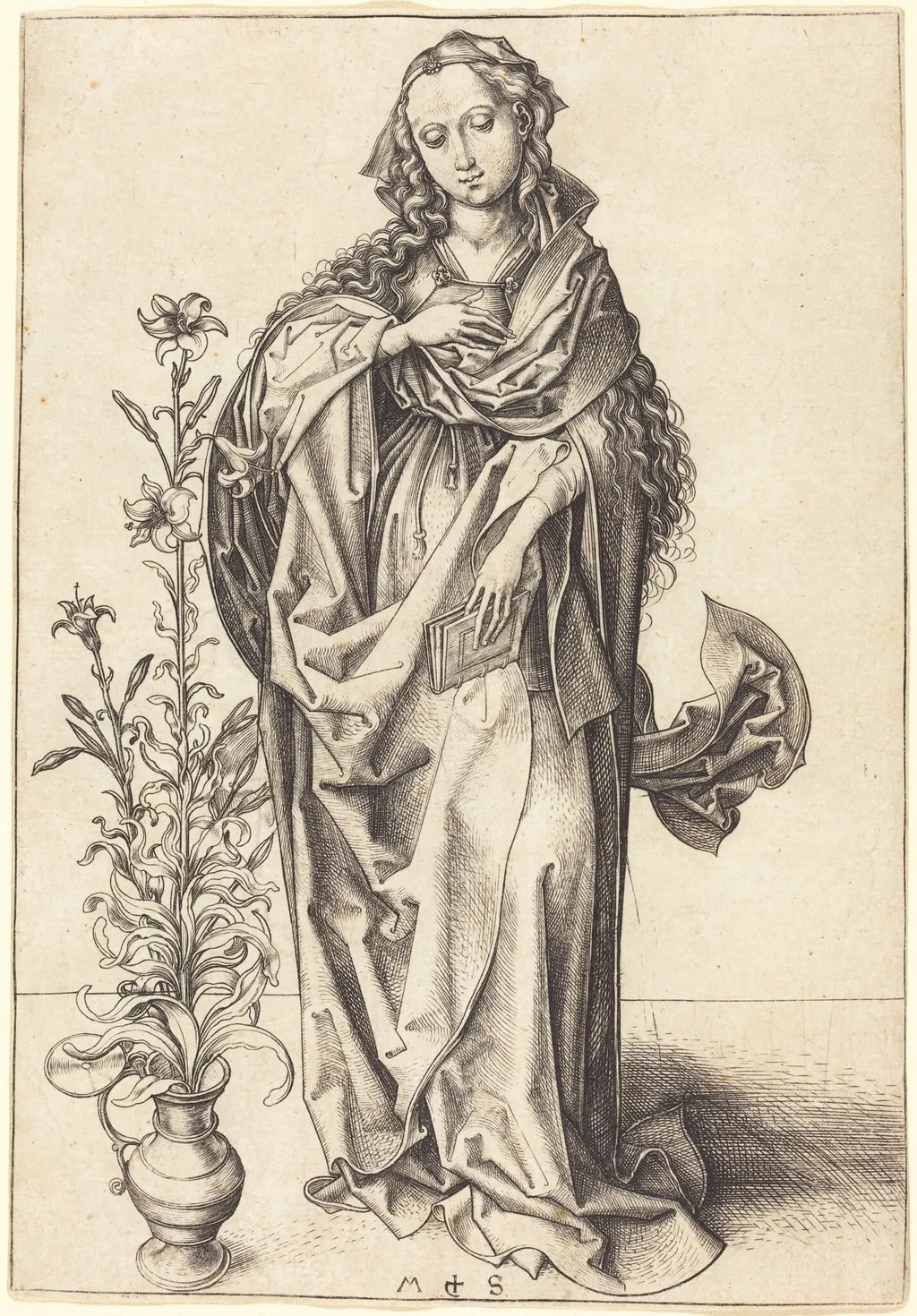
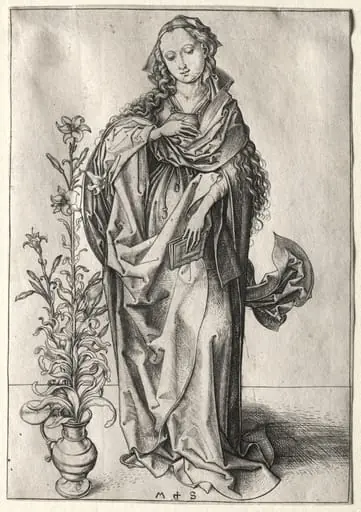
The Madonna is an ink print by the Renaissance artist Martin Schongauer. It dates from 1490 and is held in the collection of the National Gallery of Art.
About this work
Overview
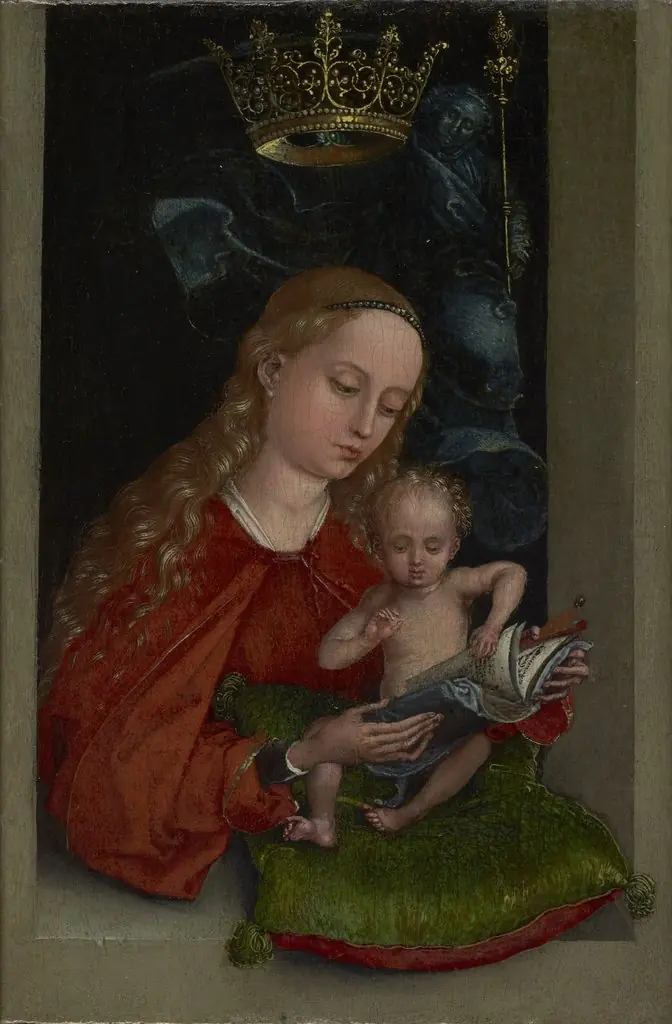
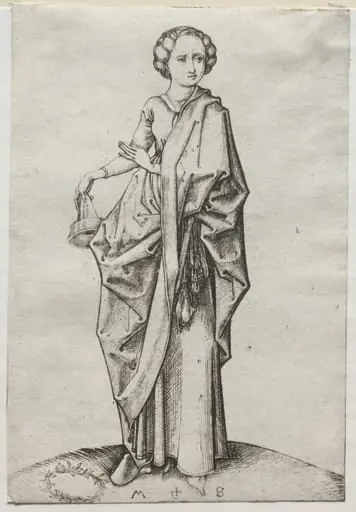
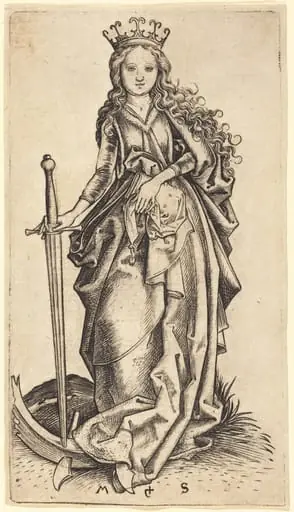
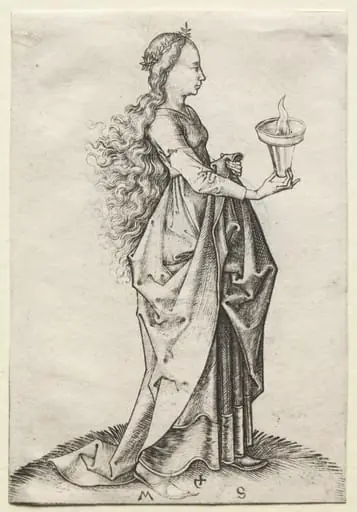
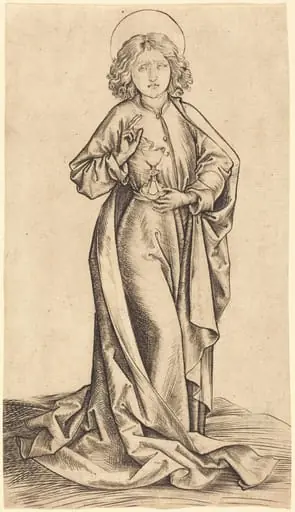
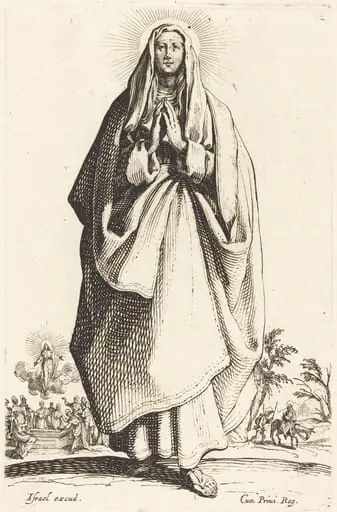
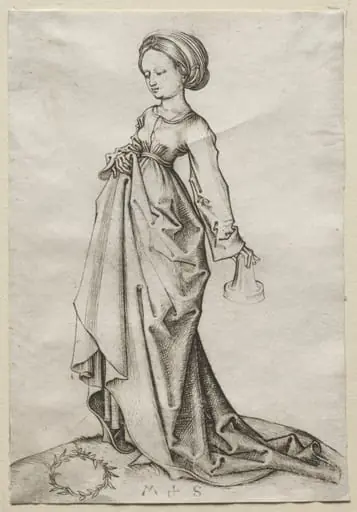
The Madonna is an engraving on laid paper attributed to Martin Schongauer. The work depicts a serene scene of Mary, the mother of Jesus, characterized by meticulous detail and innovative textural elements.
Subject & Meaning
The subject of the engraving is Mary, portrayed in a contemplative, quiet moment. The representation emphasizes her role as the Virgin Mother, conveying reverence through the careful rendering of her figure and surroundings.
Technique & Style
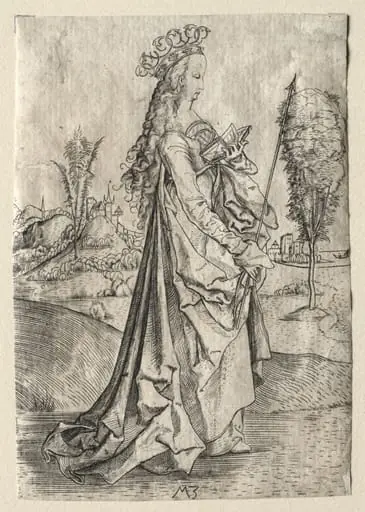
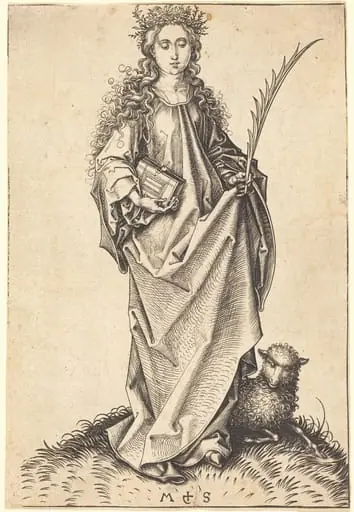
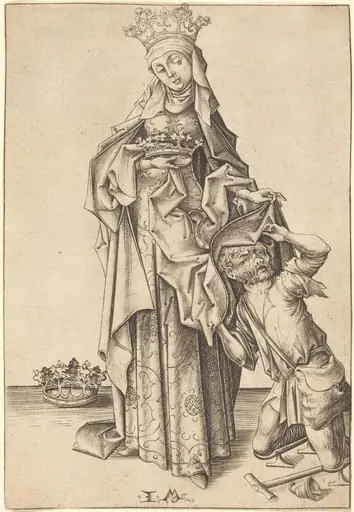
Schongauer employed an extensive network of lines to achieve unprecedented texture and depth for its time. This technique facilitated intricate designs, patterns, and shading, which collectively impart a sense of three-dimensionality and realism to the image.
History & Provenance
The engraving is part of collections in prominent museums, including the Cleveland Museum of Art, the National Gallery of Art (NGA 42673), the Metropolitan Museum of Art, and the Rijksmuseum, indicating its wide recognition and distribution.
Context
Created during a period of evolving printmaking techniques, The Madonna showcases Schongauer's contribution to the advancement of engraving, particularly in capturing detailed, realistic images.
Legacy
As a seminal work by Schongauer, The Madonna influences subsequent generations of printmakers, demonstrating the potential of meticulous line work in achieving depth and realism in engravings.
Artist & collection

Artist
Martin Schongauer, also known as Martin Schön or Hübsch Martin by his contemporaries, was an Alsatian engraver and painter.