Artwork
Louis XIV
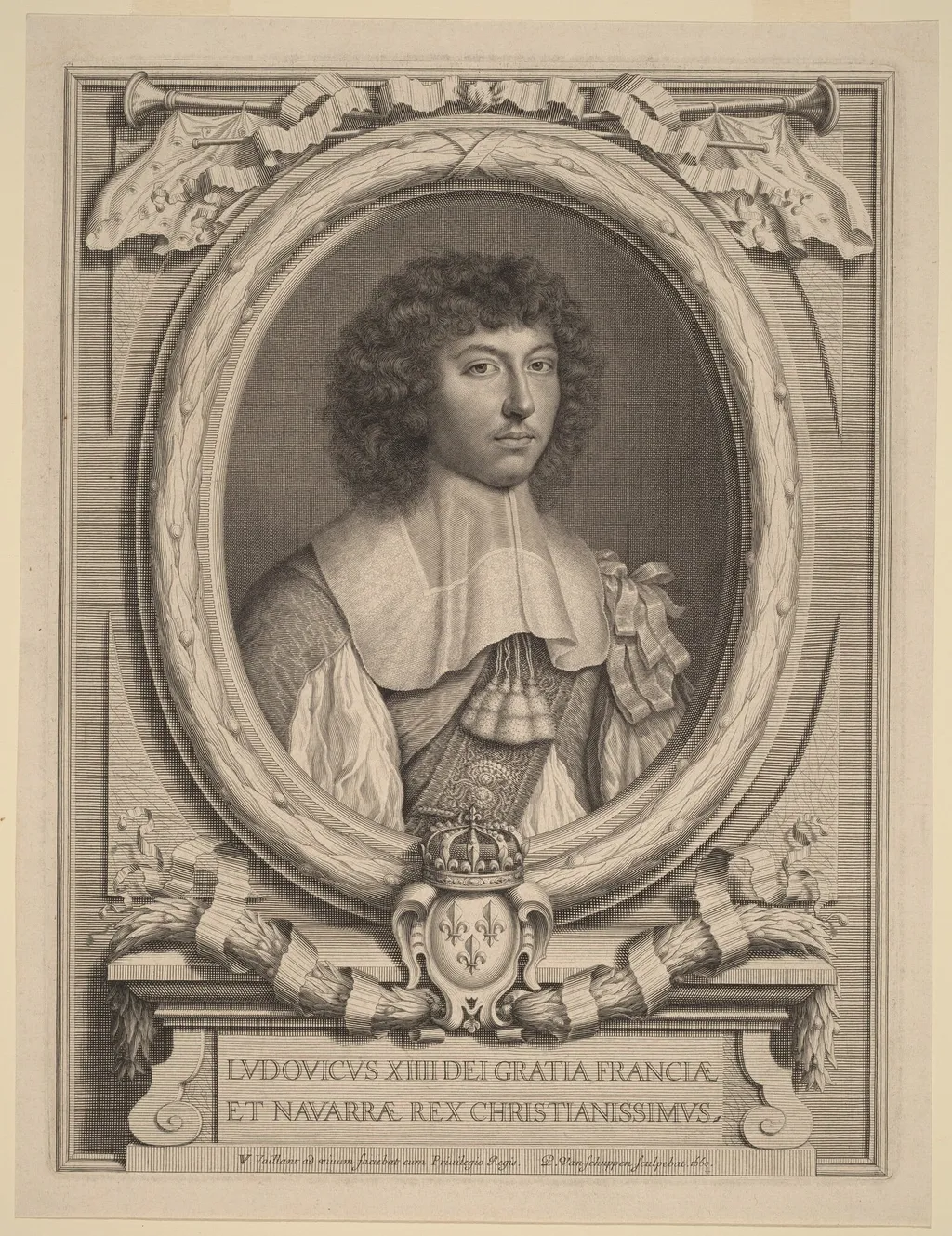
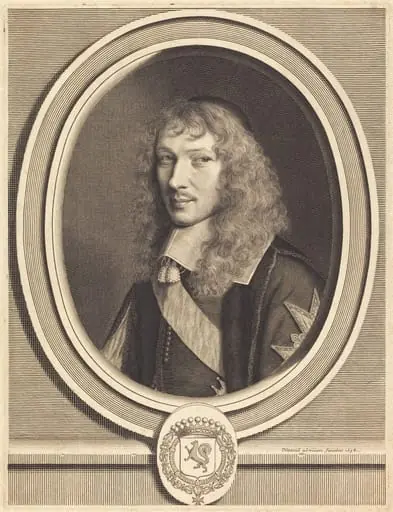
Louis XIV is an ink print by the Baroque artist Peter Ludwig van Schuppen. It dates from 1660 and is held in the collection of the National Gallery of Art.
About this work
Overview
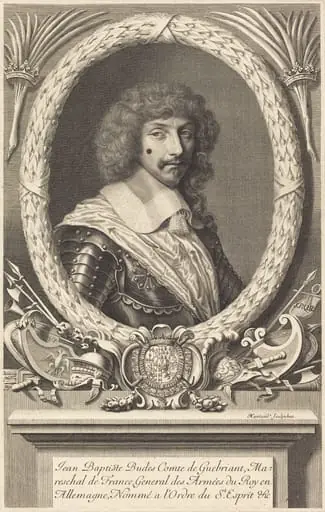
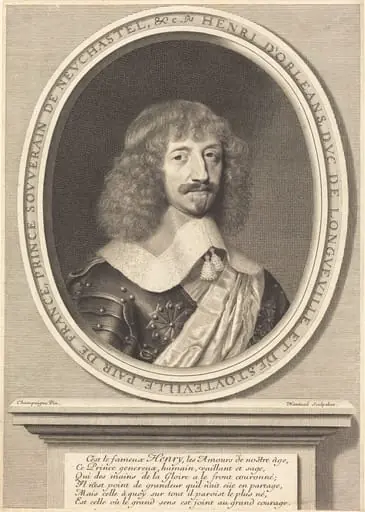
This 1660 engraving by Peter Ludwig van Schuppen depicts Louis XIV during his early reign. Executed in fine line work, the print captures the monarch in ceremonial attire, emphasizing regal formality through meticulous detail. As a reproductive print, it served to disseminate the king’s image across Europe, reinforcing his authority through visual representation.
Subject & Meaning
The elaborate embroidery and heavy drapery of his garments convey wealth and permanence, while his composed expression projects stoic authority.
Louis XIV is portrayed in full coronation regalia, holding the scepter and crown as symbols of divine right and absolute power. The elaborate embroidery and heavy drapery of his garments convey wealth and permanence, while his composed expression projects stoic authority. The image functions less as a personal likeness and more as a political icon, designed to project the majesty of the French monarchy.
Technique & Style
Schuppen employed precise cross-hatching and fine parallel lines to model volume and texture, particularly in the fabric of the king’s robes. The density of the lines creates subtle gradations of light and shadow, mimicking the sheen of silk and the weight of gold thread. The effect is almost sculptural, transforming flat paper into a tactile representation of royal splendor.
History & Provenance
Created in 1660, the engraving emerged during Louis XIV’s consolidation of power following the Fronde rebellions. Schuppen, a Flemish artist active in Paris, was known for his reproductive prints of French royalty. This work likely circulated among nobility and diplomats, helping to standardize the king’s public image during a critical phase of state formation.
Context
In mid-17th century France, portraiture was tightly controlled as a tool of state propaganda. Engravings like this one allowed the monarchy to reach audiences beyond court circles, especially in a time when photography did not exist. Schuppen’s work aligned with broader efforts to visually codify absolutism, using precision and detail to suggest order, permanence, and control.
Legacy
Schuppen’s engraving exemplifies the role of printmaking in shaping political imagery before the modern era. Its technical refinement influenced later portrait engravers, and its compositional clarity became a model for royal representation. Though not widely exhibited today, it remains a key document in understanding how visual media reinforced monarchical authority in early modern Europe.
Artist & collection