Artwork
Pierre Ignace de Braux
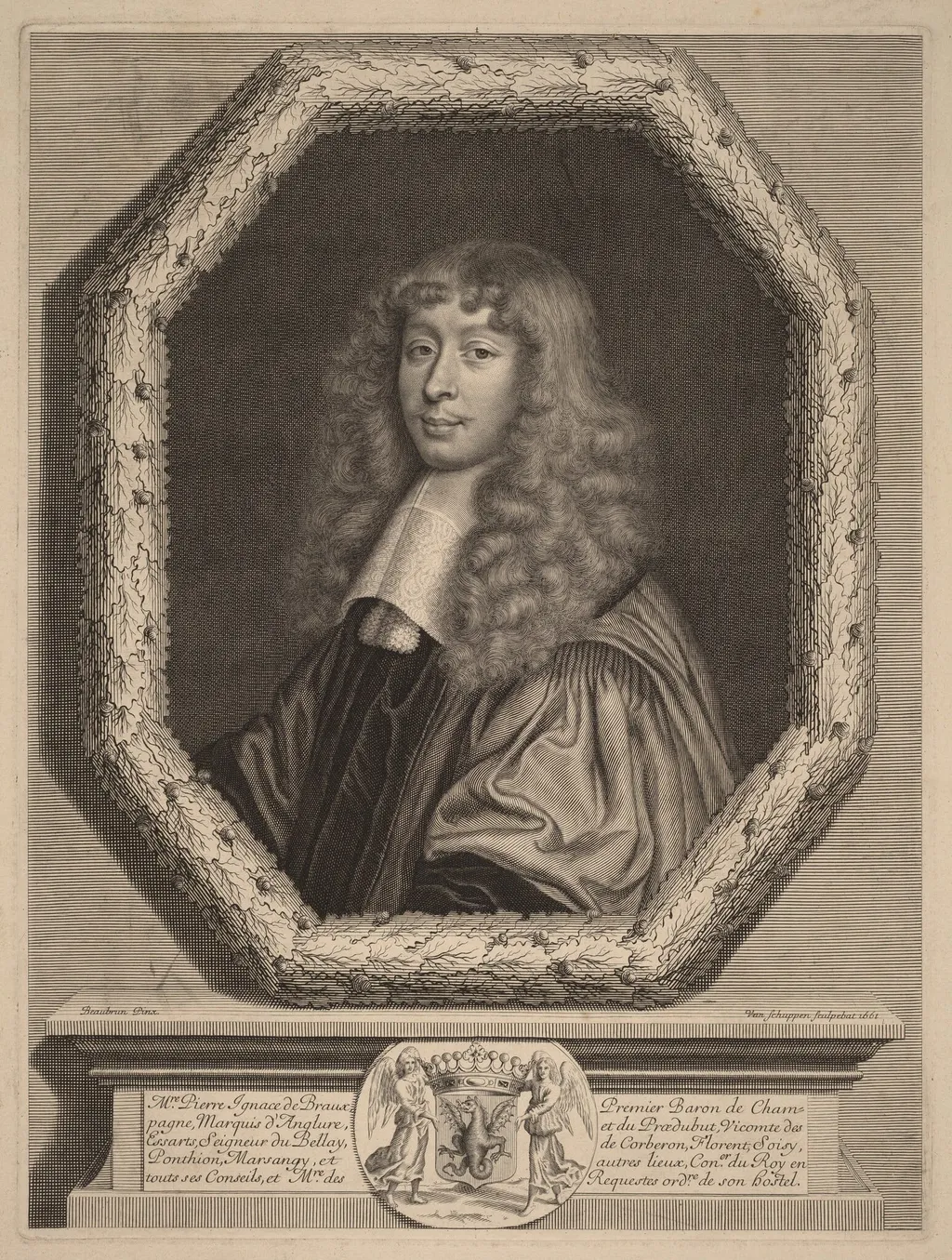
Pierre Ignace de Braux is an ink print by the Baroque artist Peter Ludwig van Schuppen. It dates from 1661 and is held in the collection of the National Gallery of Art.
About this work
Overview
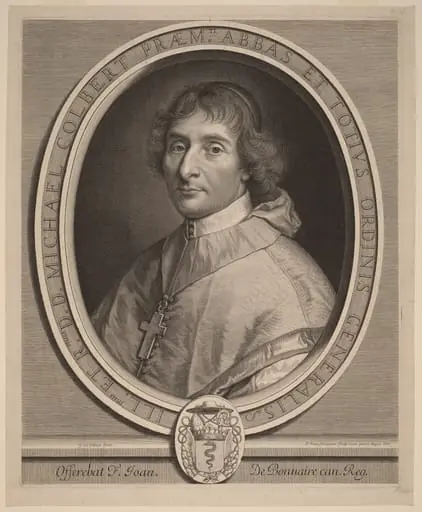
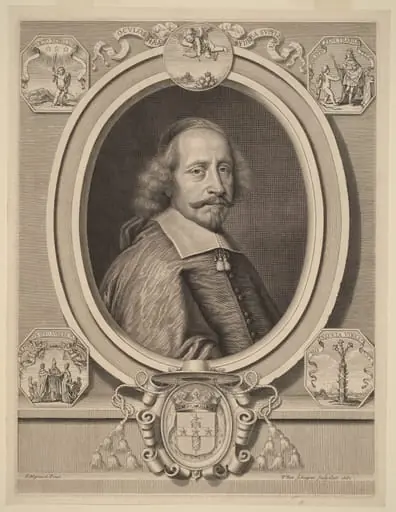
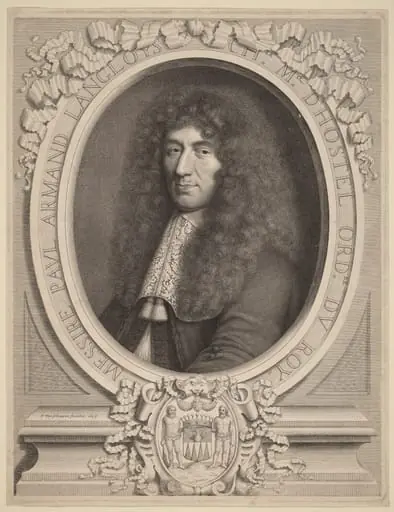
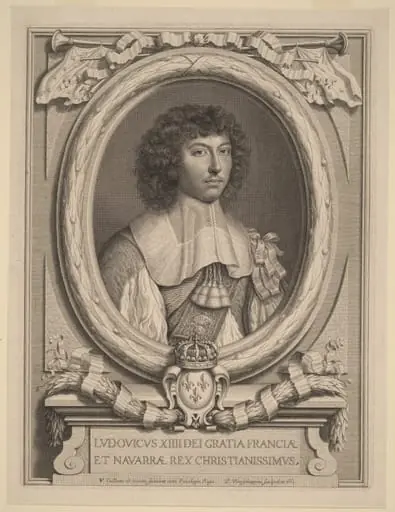
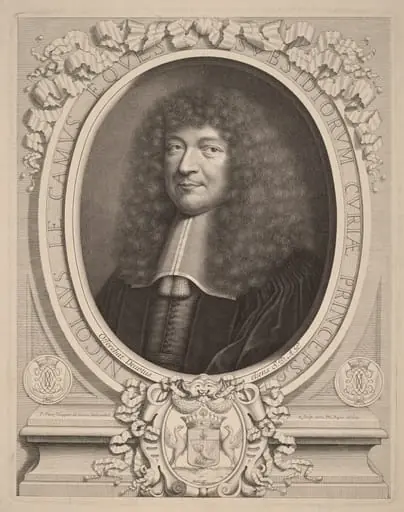
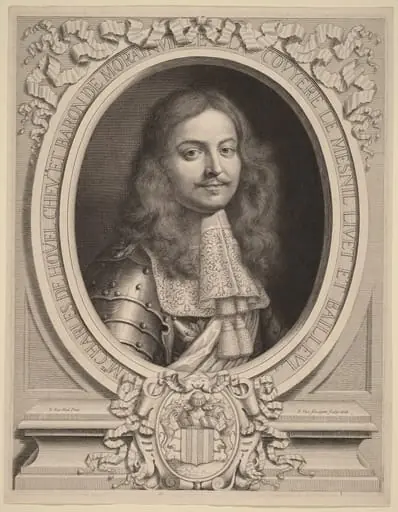
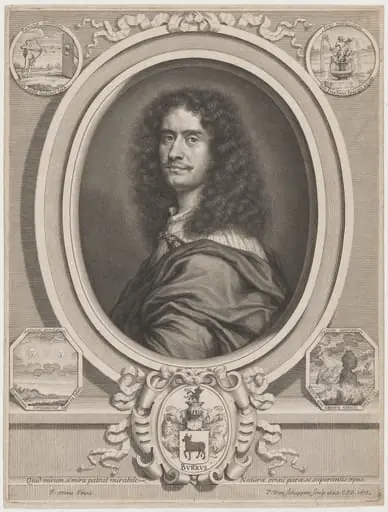
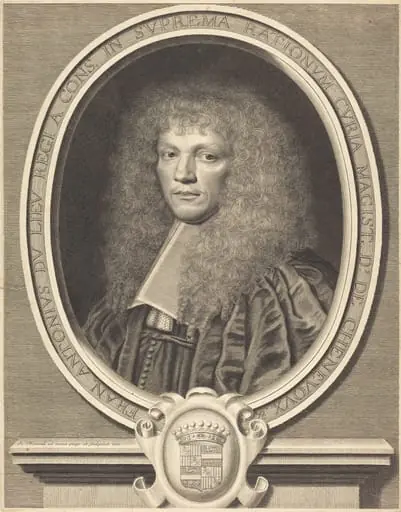
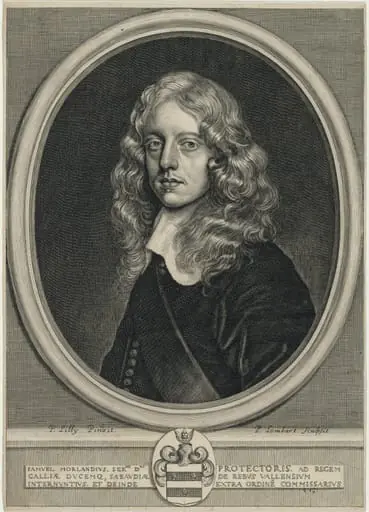
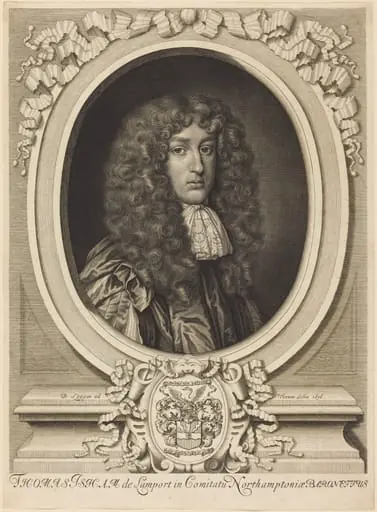
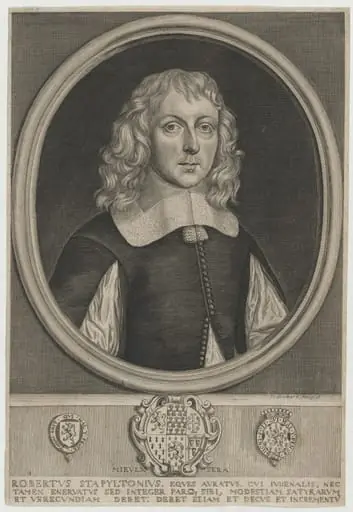
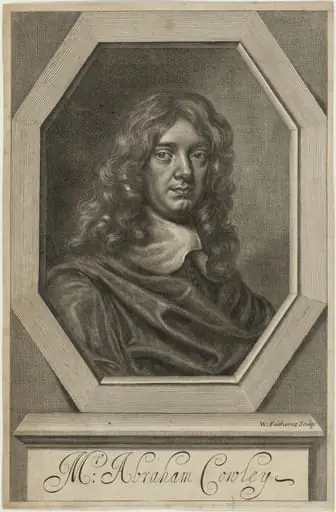
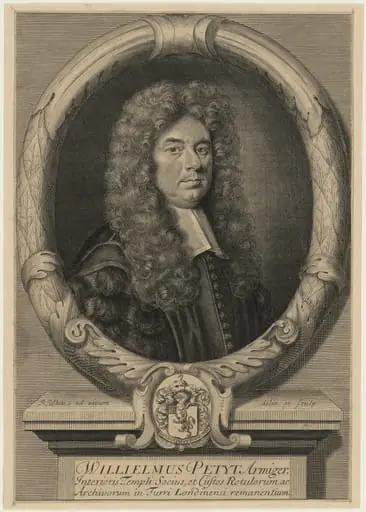
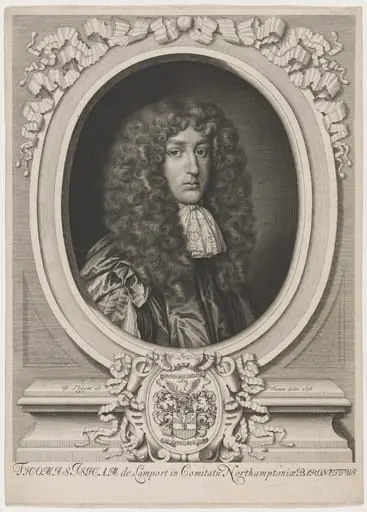
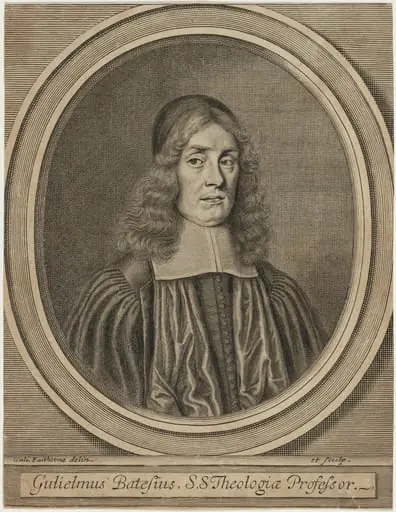
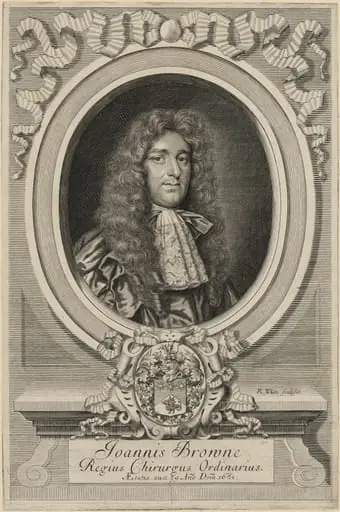
This 1661 engraving, executed on laid paper by the German-born French artist Peter Ludwig van Schuppen, depicts Pierre Ignace de Braux. Rendered in monochrome, the image presents a formal portrait typical of mid‑seventeenth‑century aristocratic representation.
Subject & Meaning
The sitter is shown with tightly curled hair, a high‑standing collar, and a lace‑trimmed ruffled shirt, conveying his noble status and the fashion of the French court. A modest, unadorned backdrop focuses attention on his solemn expression, while a small coat of arms positioned beneath the portrait reinforces his lineage.
Technique & Style
Van Schuppen employed fine line engraving to achieve delicate textures in the hair, fabric, and ornamental frame. The swirling decorative borders surrounding the image illustrate the period’s penchant for elaborate, yet restrained, embellishment, while the use of laid paper provides a subtle tonal variation.
History & Provenance
Created in 1661, the print likely served as a commemorative likeness for the de Braux family, a common practice among French nobility to circulate their image. The work has remained within collections of European prints, reflecting its role as a documentary portrait rather than a large‑scale painting.
Context
During the early reign of Louis XIV, portrait engravings functioned as both personal memorabilia and symbols of social rank. Van Schuppen, active in Paris, was known for translating painted portraits into prints, thereby extending the visual reach of aristocratic identities across the kingdom.
Artist & collection