Artwork
Natură statică
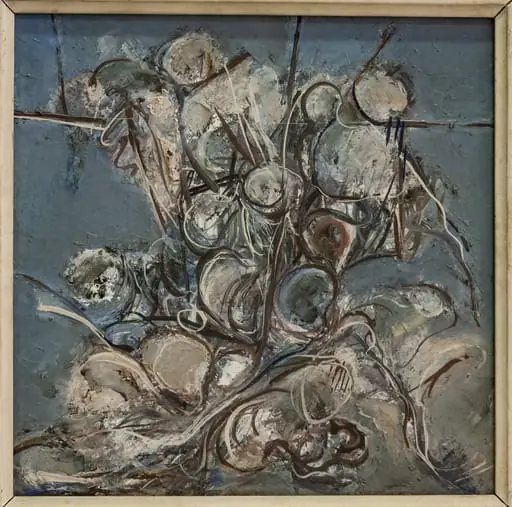
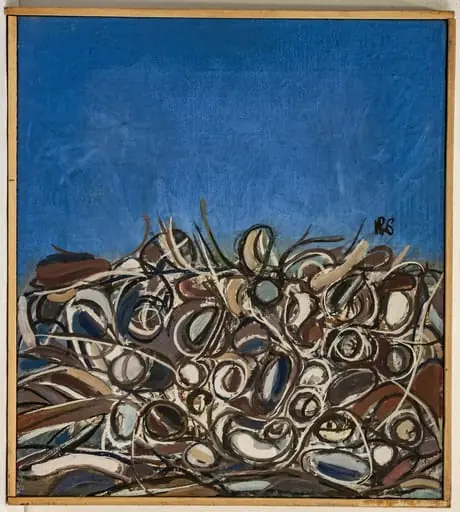
Natură statică is a print by Scrieru Niculiță. It dates from 1979 and is held in the collection of the Gavrila Simion Eco-Museum Research Institute Tulcea.
About this work
Overview
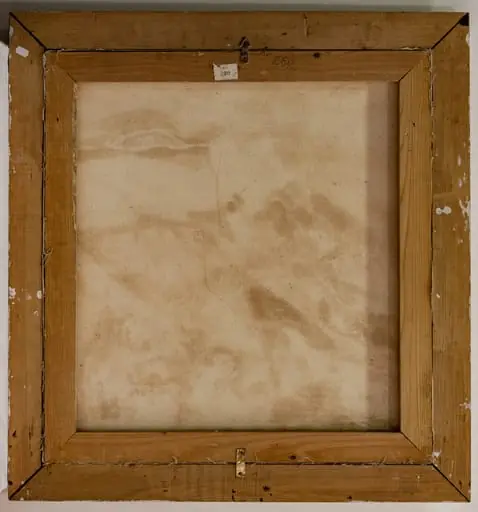
Natură statică is a wooden picture frame, crafted in 1979 by Scrieru Niculiță, now part of the Museum of Ethnography’s collection.
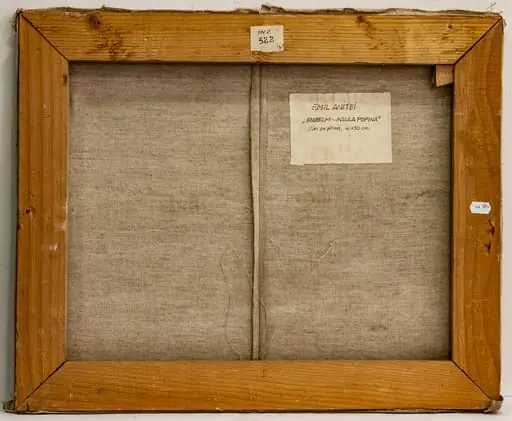
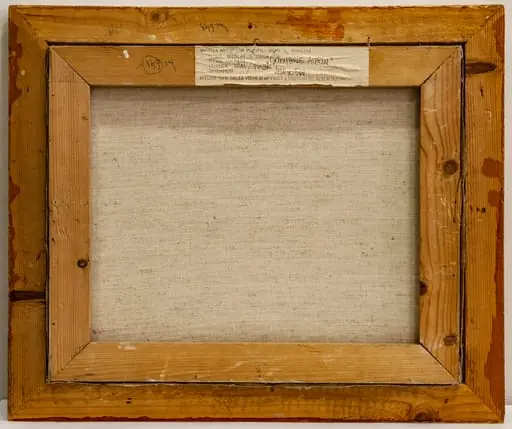
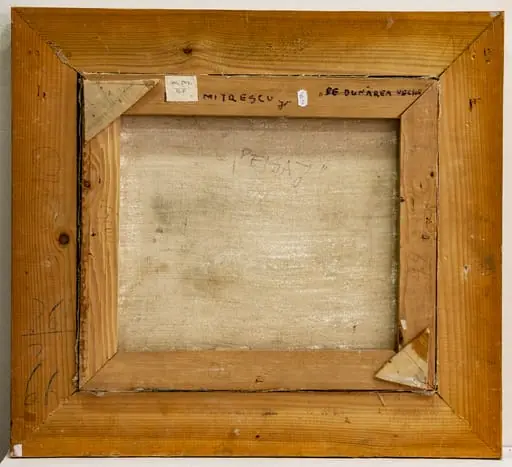
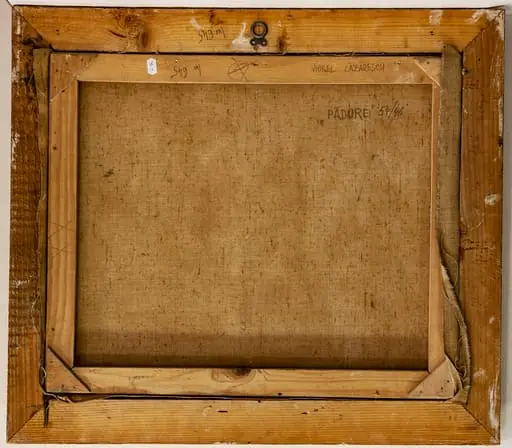
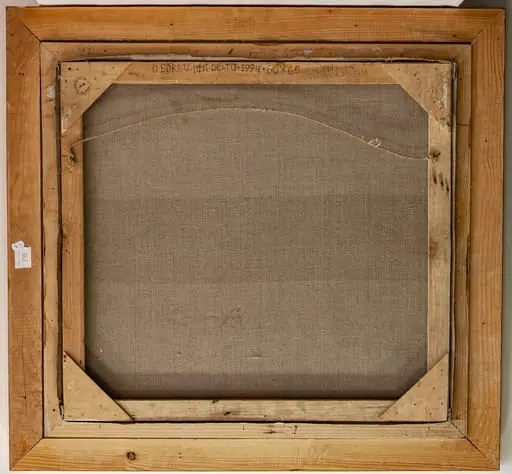
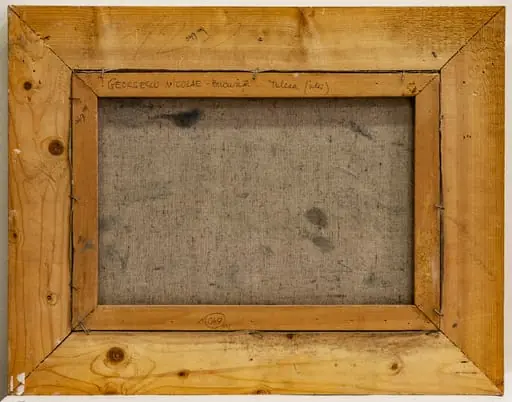
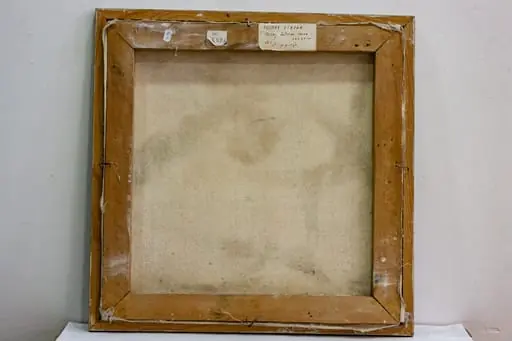
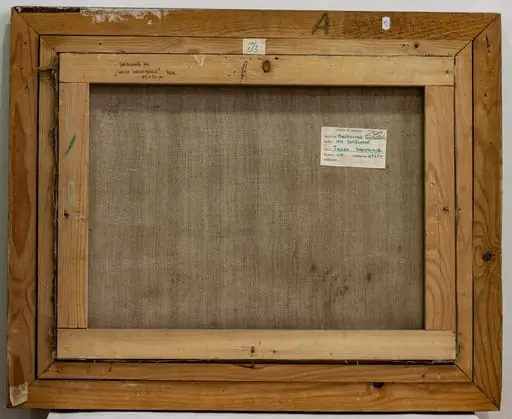
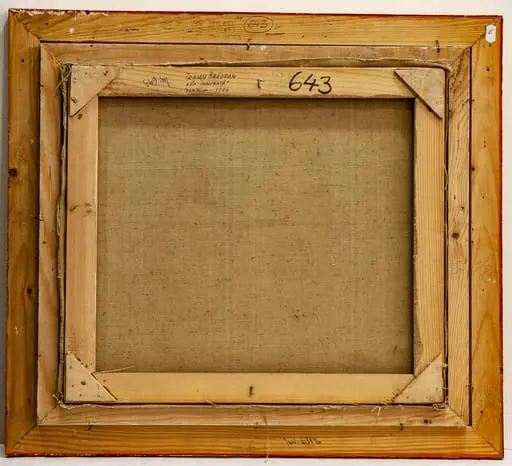
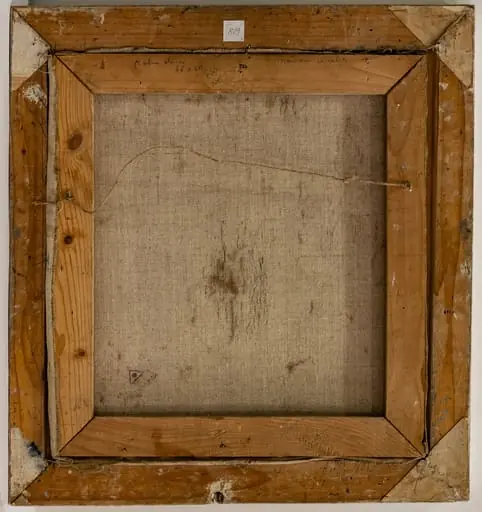
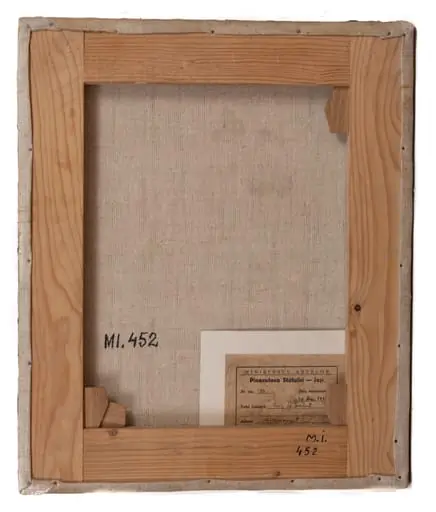
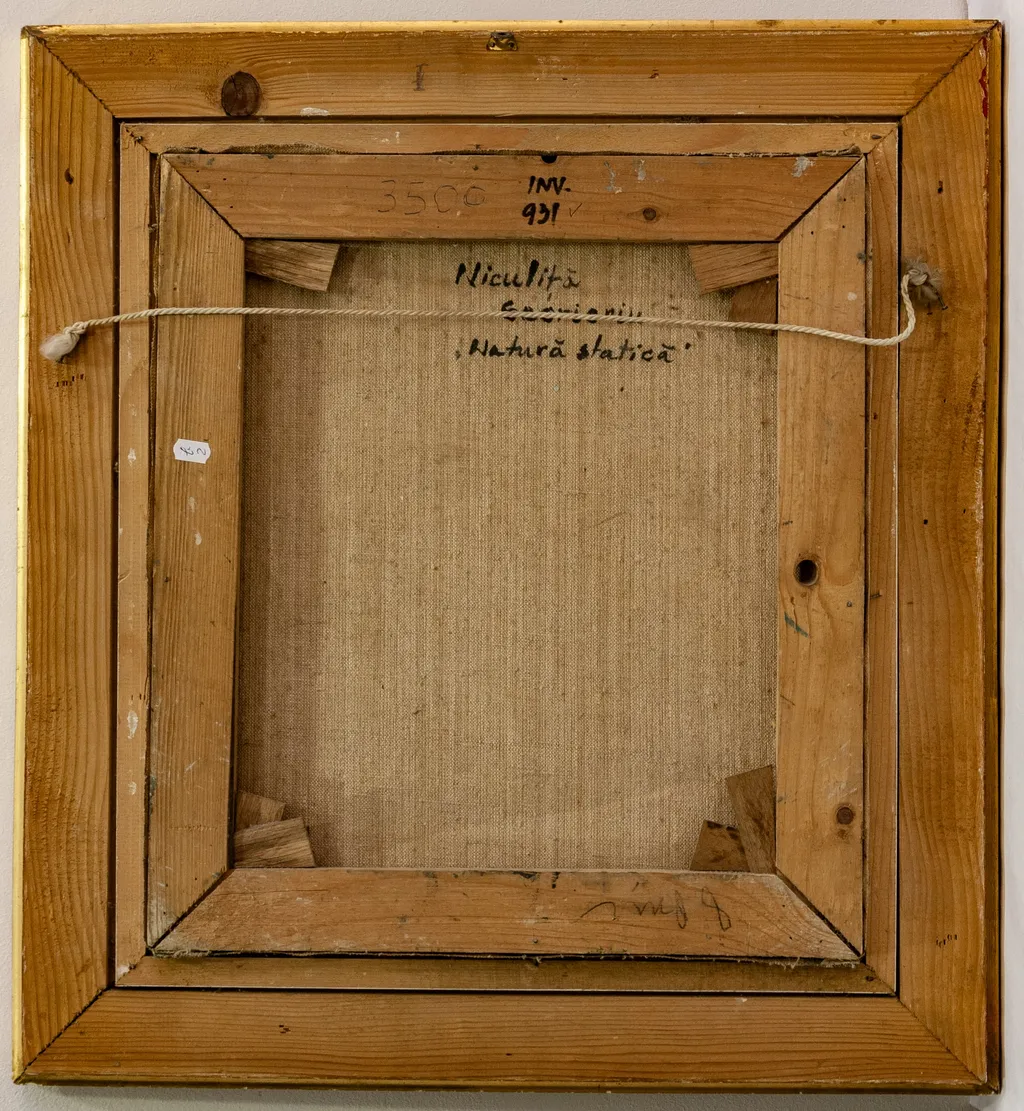
Natură statică is a wooden picture frame, crafted in 1979 by Scrieru Niculiță, now part of the Museum of Ethnography’s collection. Unlike traditional artworks, it contains no image—only the frame itself, worn by time and use. Its surface bears the marks of handling and exposure, while its reverse holds handwritten annotations and a taut, frayed canvas, suggesting it was once prepared for a painting that never materialized.
Subject & Meaning
The title, meaning 'static nature,' implies an intention to capture stillness, perhaps in opposition to movement or change. The absence of a painted scene shifts focus to the frame as an object of contemplation—its decay, preparation, and inscriptions becoming the subject. The handwritten notes may reference measurements, dates, or personal reminders, framing the work as a record of unfulfilled artistic intent.
Technique & Style
The frame is constructed from rough-hewn wood, its edges worn smooth by use, with nails and a frayed rope securing the canvas backing. The canvas, stretched tightly but visibly aged, reveals the physical labor behind its assembly. The handwritten inscriptions, neatly penned in ink, contrast with the frame’s coarse texture, introducing a quiet, personal dimension to an otherwise utilitarian object.
History & Provenance
Created in 1979, the object entered the Museum of Ethnography’s holdings without documentation of prior ownership. Its condition suggests prolonged use, possibly in a domestic or studio setting before being preserved. The handwritten notes on the reverse, though undated, appear contemporaneous with its construction, offering a rare glimpse into the artist’s working process and unexecuted plans.
Context
In late 20th-century Romania, where material scarcity was common, artists often repurposed everyday objects. This frame reflects a broader practice of valuing process over product, where the tools and preparations of art-making became subjects in their own right. Its inclusion in an ethnographic museum underscores its significance as a cultural artifact rather than a conventional artwork.
Legacy
Natură statică challenges distinctions between art and artifact, inviting reflection on absence, labor, and intention. It remains a quiet testament to the unseen efforts behind creative work, influencing later interpretations of what constitutes an artwork. Its preservation in an ethnographic context affirms its value as a cultural record of artistic practice under constrained conditions.
Artist & collection
Artist
Scrieru Niculiță made black-and-white prints in the 1970s and 80s. They etched scenes like Acvatică (1980), a swimmer cutting through water, and Compoziție, a tangle of shapes, plus Natură statică (1979), a quiet table…
Museum
Gavrila Simion Eco-Museum Research Institute Tulcea
Continue through works from the same source collection.