Artwork
Peisaj
Peisaj is a print by Petre Dumitrescu. It dates from 1926 and is held in the collection of the Gavrila Simion Eco-Museum Research Institute Tulcea.
About this work
Overview
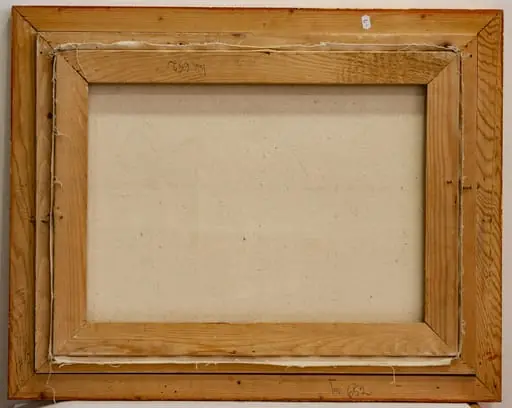
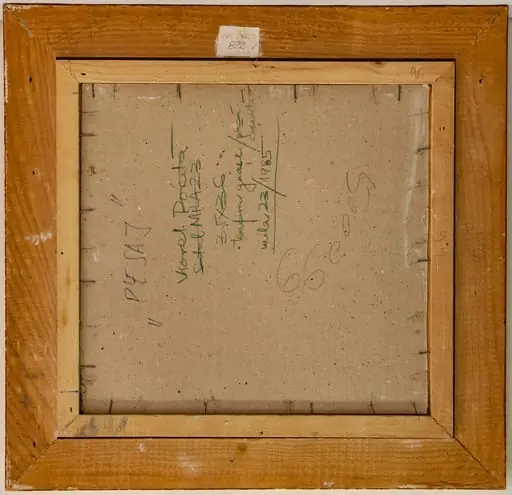
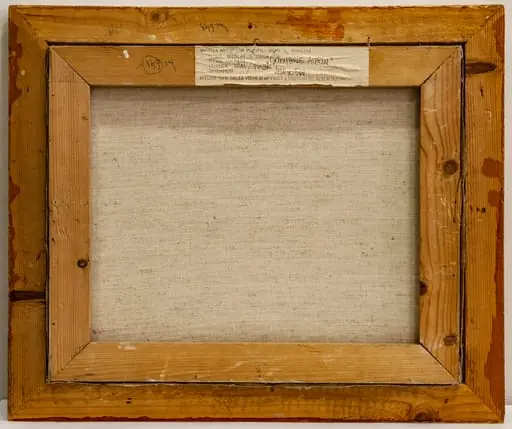
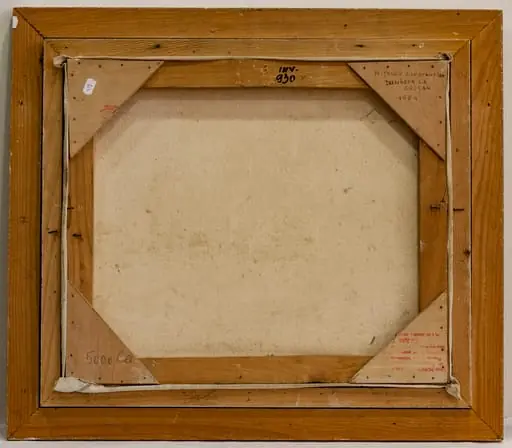
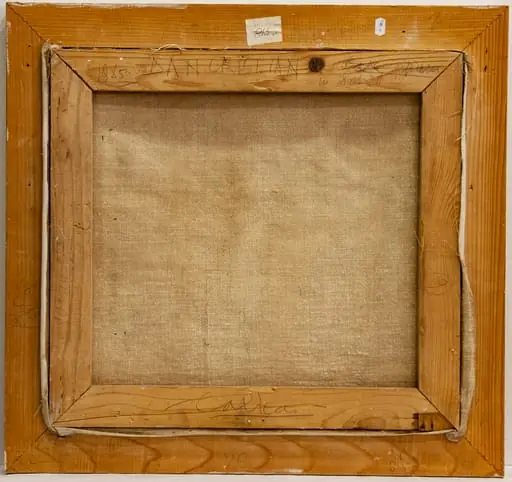
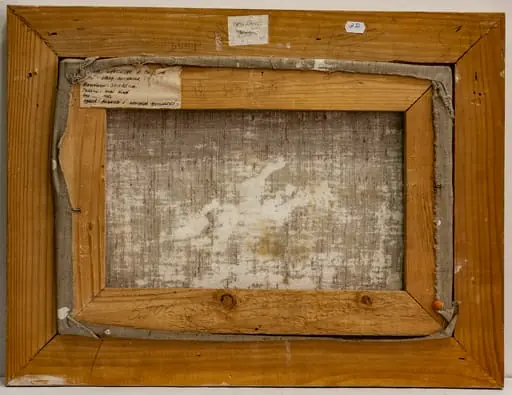
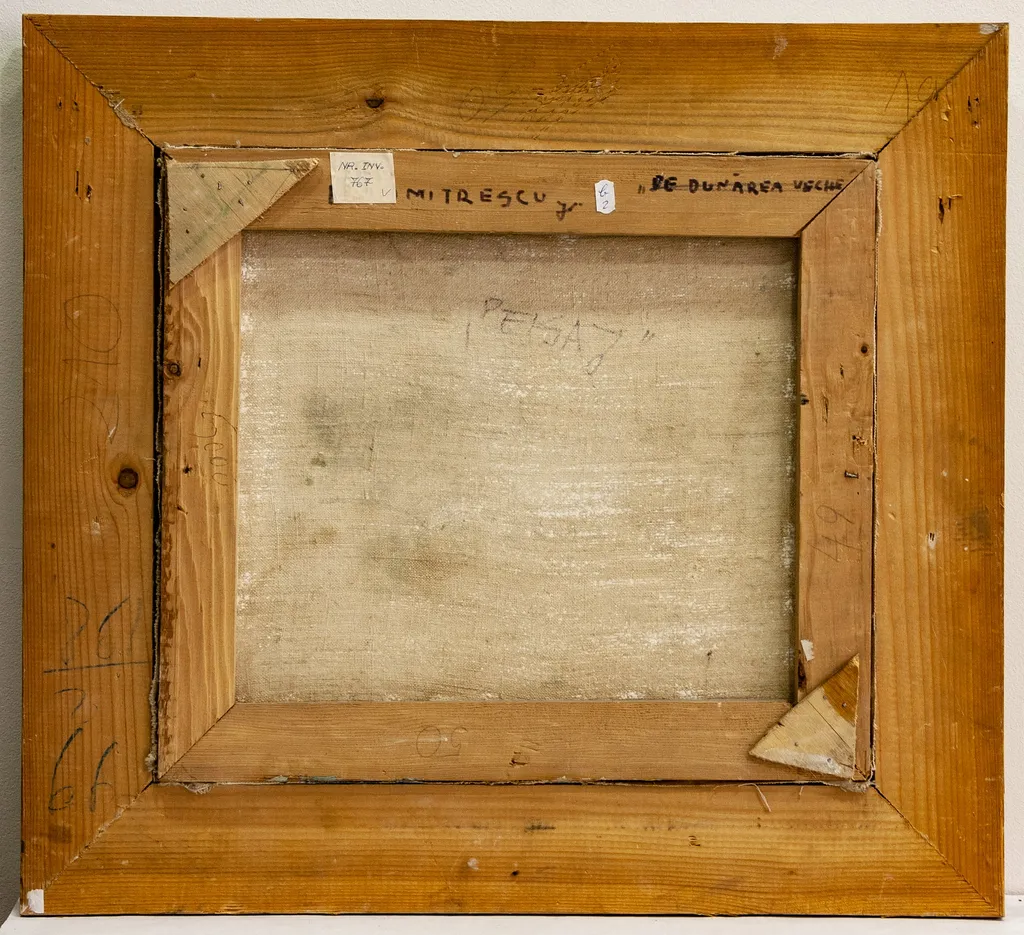
Petre Dumitrescu’s work titled *Peisaj*, dated around 1926, is part of the collection of the Museum of Ethnography. The object consists of an empty, pale canvas set within a light‑brown wooden frame that shows age‑related cracks and faded handwritten annotations along its rear edge. Though the canvas bears no visible image, its title suggests an intended depiction of a landscape.
Subject & Meaning
The Romanian word *peisaj* translates to “landscape,” indicating that the artist originally planned a representation of natural scenery. The absence of any painted surface leaves the intended subject to speculation, inviting viewers to consider the concept of a landscape as an idea rather than a completed visual record.
Technique & Style
The piece presents a smooth, unadorned canvas, implying that any pigments or brushwork have been lost or never applied. The surrounding frame, constructed of light‑brown wood, exhibits typical early‑20th‑century craftsmanship, with cracks and wear that reflect the passage of time and possible handling within a collection.
History & Provenance
Created circa 1926, *Peisaj* entered the Museum of Ethnography’s holdings at an unspecified date. Handwritten notes on the back edge of the frame hint at prior ownership or cataloguing, suggesting the work was once part of a larger assemblage that may have suffered damage or loss, resulting in the current blank state.
Artist & collection

Artist
Petre Dumitrescu was a Romanian general during World War II who led the Romanian Third Army on its campaign against the Red Army in the Eastern Front.
Museum
Gavrila Simion Eco-Museum Research Institute Tulcea
Continue through works from the same source collection.