Artwork
Lukretia und Collatinus
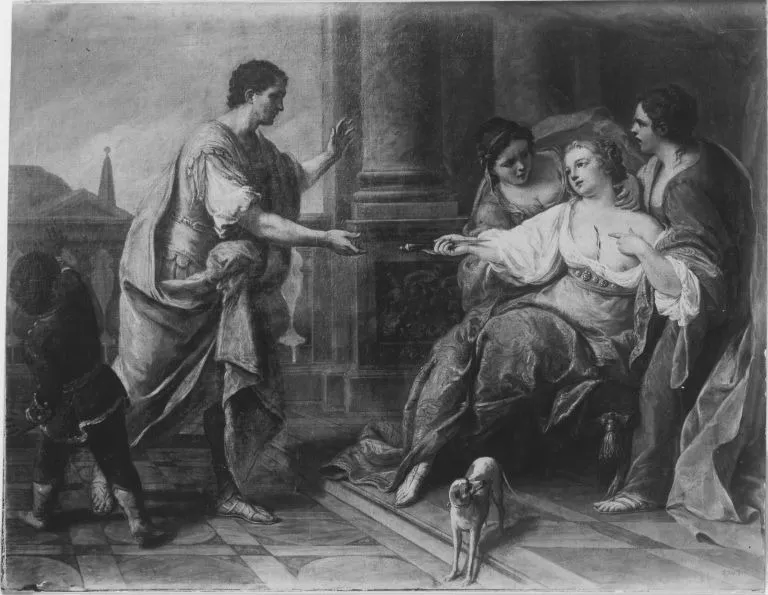
Lukretia und Collatinus is an unspecified painting by the Rococo painting artist Sebastiano Ceccarini. It dates from 1743 and is held in the collection of the Bavarian State Painting Collections.
About this work
Overview
Trained under Francesco Mancini and later instructing his nephew Carlo Magini, Ceccarini brought a refined elegance to mythological subjects.
Sebastiano Ceccarini painted *Lukretia und Collatinus* in 1743, during the height of the Rococo period in Italy. Trained under Francesco Mancini and later instructing his nephew Carlo Magini, Ceccarini brought a refined elegance to mythological subjects. The painting is part of the Alte Pinakothek’s collection in Munich, where it remains as an example of 18th-century narrative painting rooted in classical antiquity.
Subject & Meaning
The scene illustrates the moment after Lucretia’s suicide, as her husband Collatinus and other figures react to her death. Her outstretched arm and the small object in her hand—likely the dagger—signal the act just completed. The composition emphasizes moral gravity, contrasting the stillness of Lucretia with the emotional responses of those around her, reflecting Enlightenment-era ideals of virtue and honor.
Technique & Style
Ceccarini employs chiaroscuro to model the figures with soft contrasts of light and shadow, enhancing their three-dimensionality without the dramatic intensity of Caravaggisti. The Rococo influence appears in delicate brushwork, graceful poses, and a luminous palette. Classical architecture and a distant landscape frame the scene, grounding the tragedy in an idealized antiquity while maintaining a sense of spatial depth.
History & Provenance
The painting entered the Alte Pinakothek’s holdings in the 19th century, likely through royal Bavarian collections. Its presence there suggests it was valued as a scholarly example of Italian Rococo narrative art. No records indicate significant alterations or major ownership changes prior to its museum acquisition, preserving its original condition and intent.
Context
In mid-18th-century Italy, classical themes remained popular among academically trained artists, even as Rococo aesthetics favored lightness and ornament. Ceccarini’s treatment of Lucretia aligns with broader European interest in moralizing antiquity, yet his style avoids the theatricality of Northern counterparts, favoring restrained emotion and compositional clarity.
Legacy
Though not widely reproduced, the painting exemplifies the transition from Baroque gravity to Rococo refinement in Italian painting. Ceccarini’s approach influenced regional workshops and his nephew’s development, contributing to a quieter, more introspective strand of mythological representation that persisted in provincial academies well into the 19th century.
Artist & collection
Artist
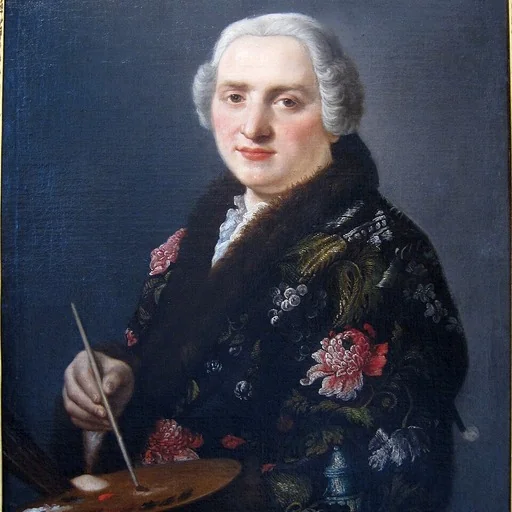
Sebastiano Ceccarini (17 May 1703 – 26 August 1783) was an Italian Baroque painter. He was a student of Francesco Mancini and the teacher of his nephew Carlo Magini.

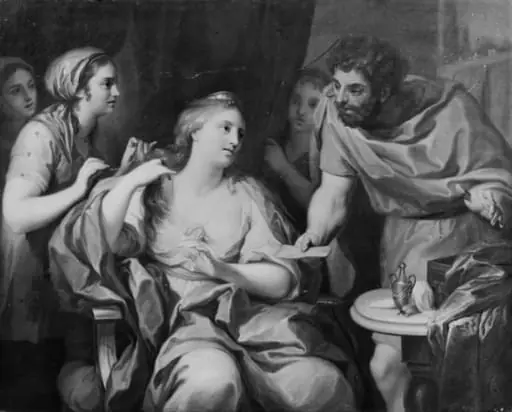 Dronning Semiramis som sværger ikke at ville rede sit hår før hun har underkuet et oprør
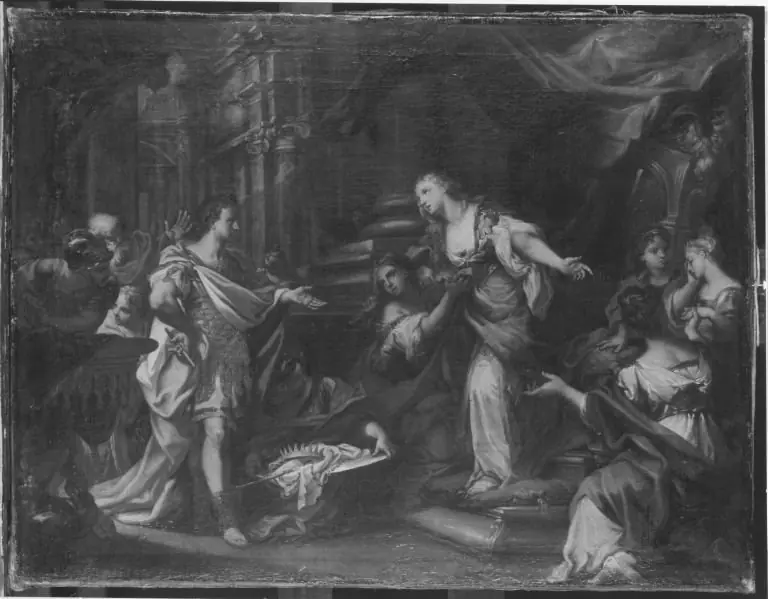 Cleopatra übergibt Augustus Krone uund Szepter
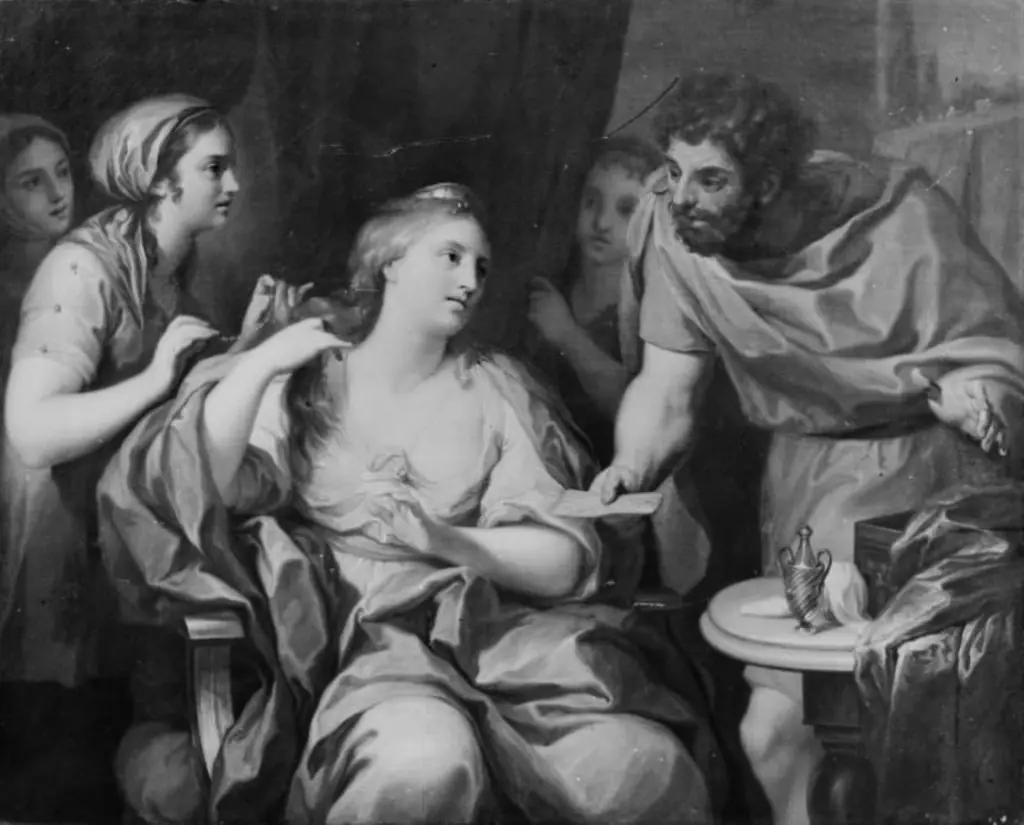 Dronning Semiramis som sværger ikke at ville rede sit hår før hun har underkuet et oprør
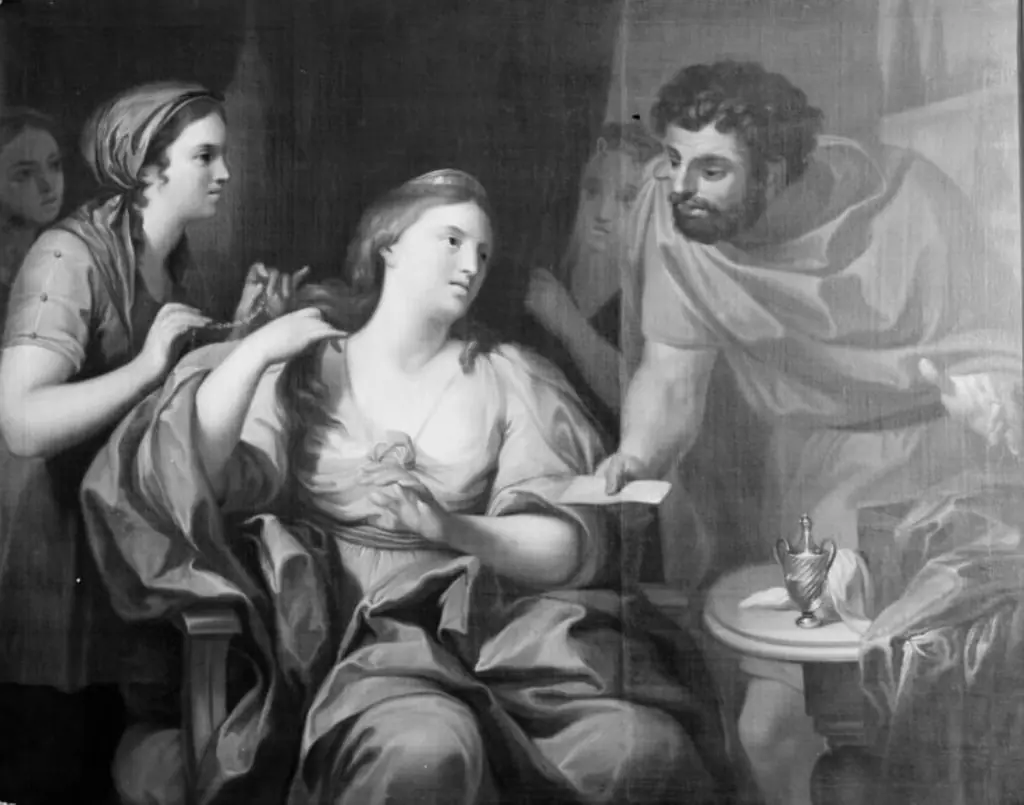 Dronning Semiramis som sværger ikke at ville rede sit hår før hun har underkuet et oprør
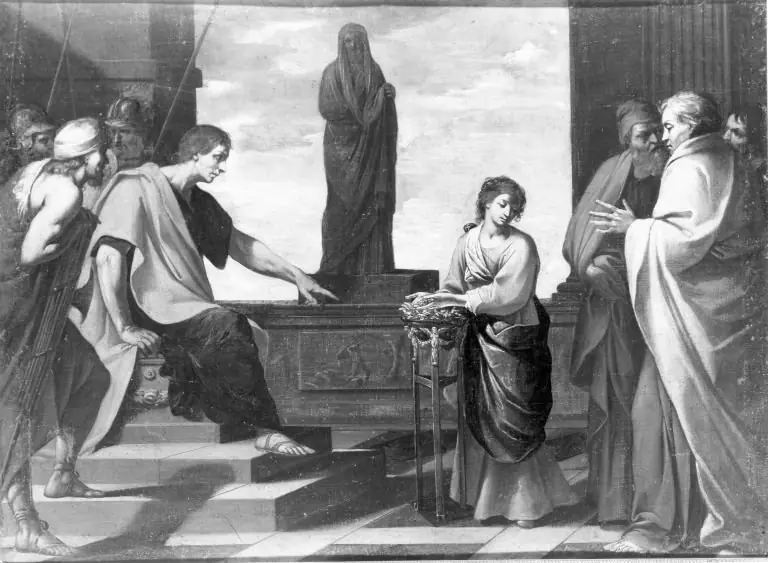 Feuerprobe (zugeschrieben)
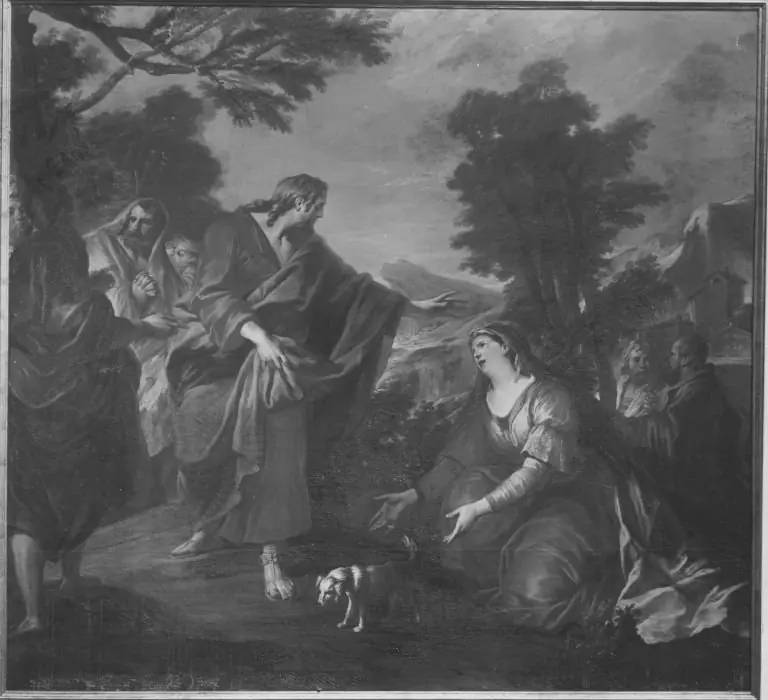 Christus und das kanaanitische Weib
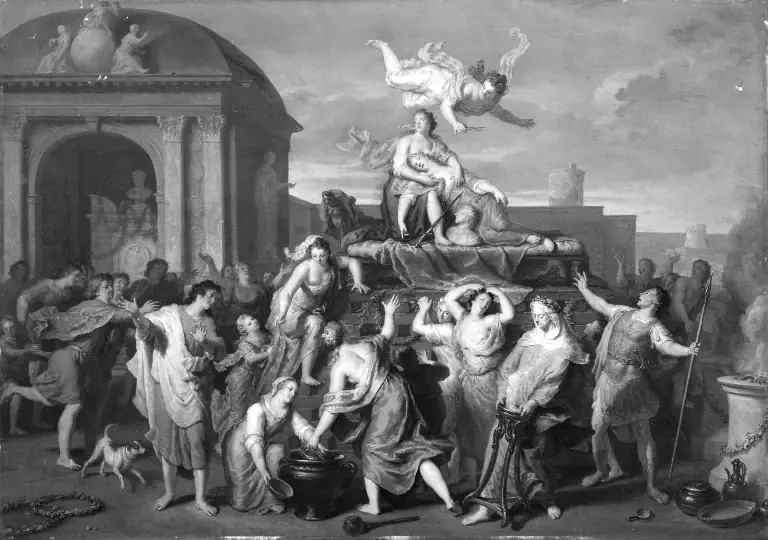 Death of Dido
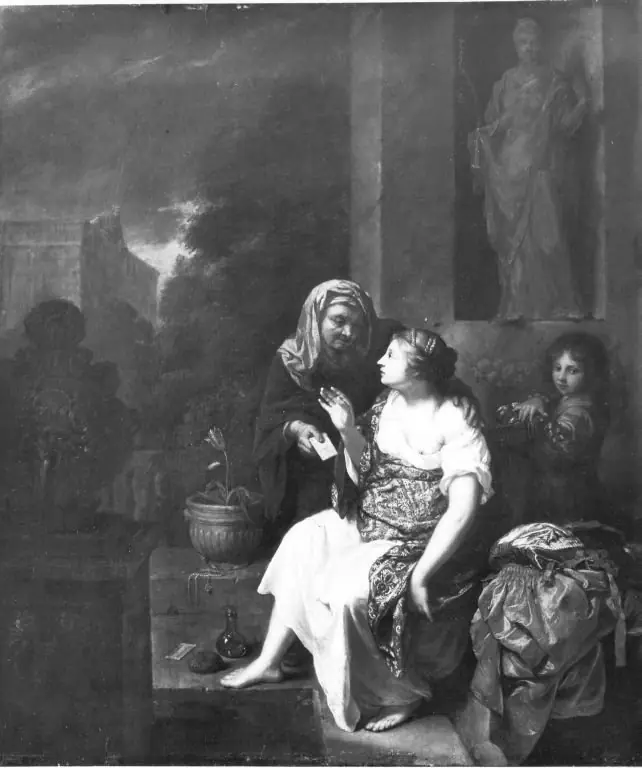 Bathseba erhält den Brief König Davids
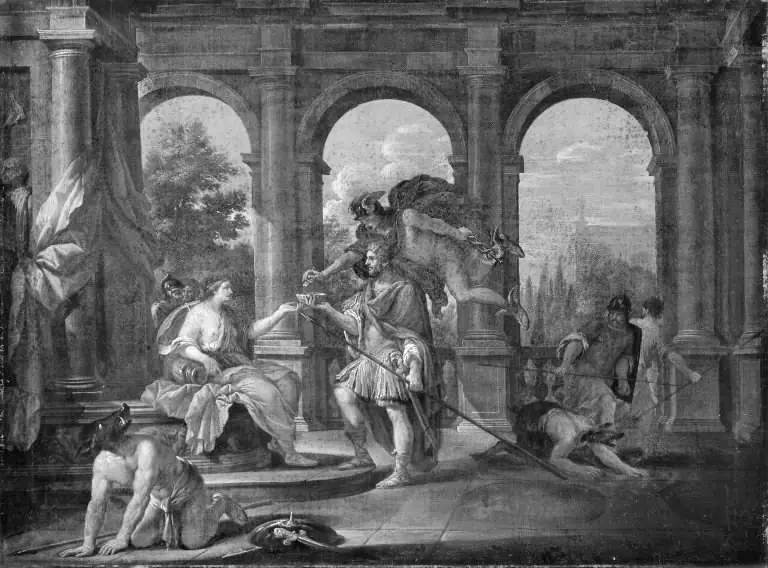 Circe and Ulysses
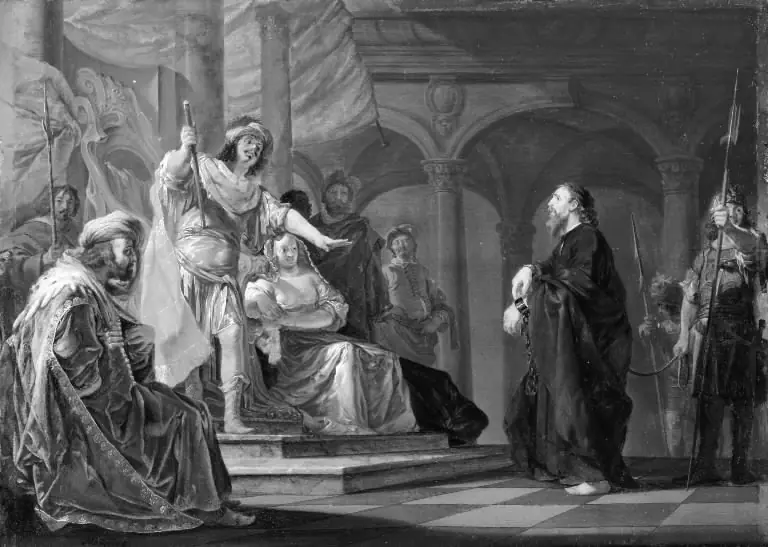 Paulus the Apostle defending himself at the Trial in Caesarea
 Study for "Antiochus and Stratonice"
 Christus und die Samariterin