Artwork
Alegoría de la Aurora
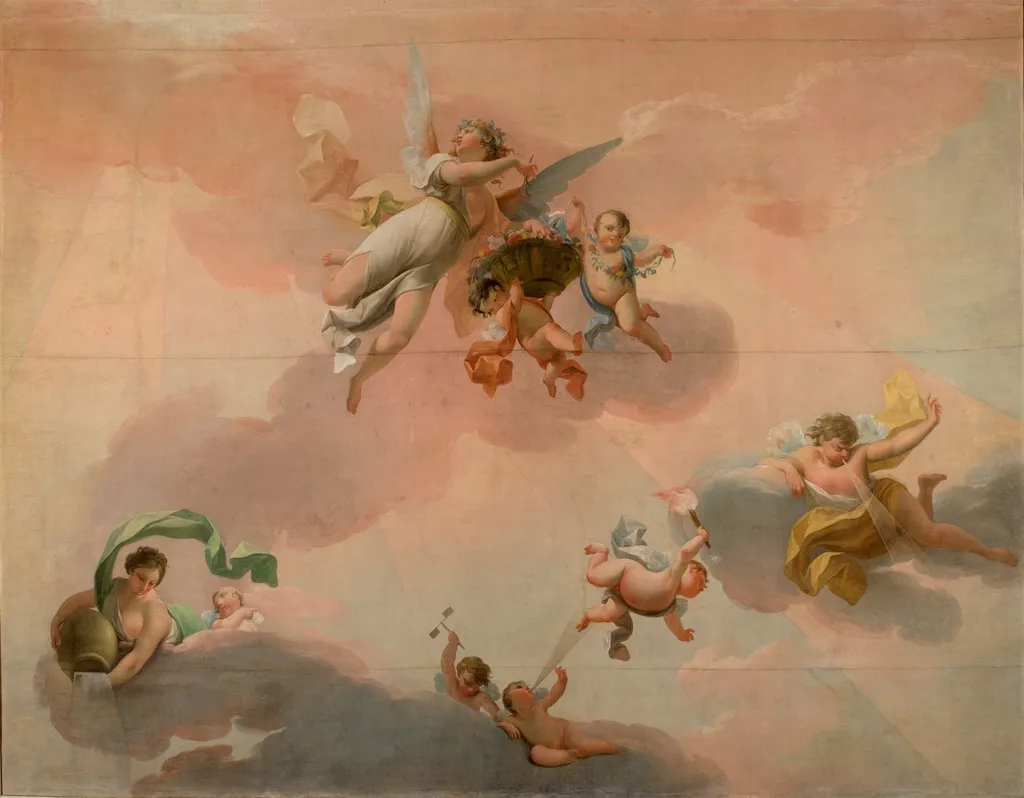
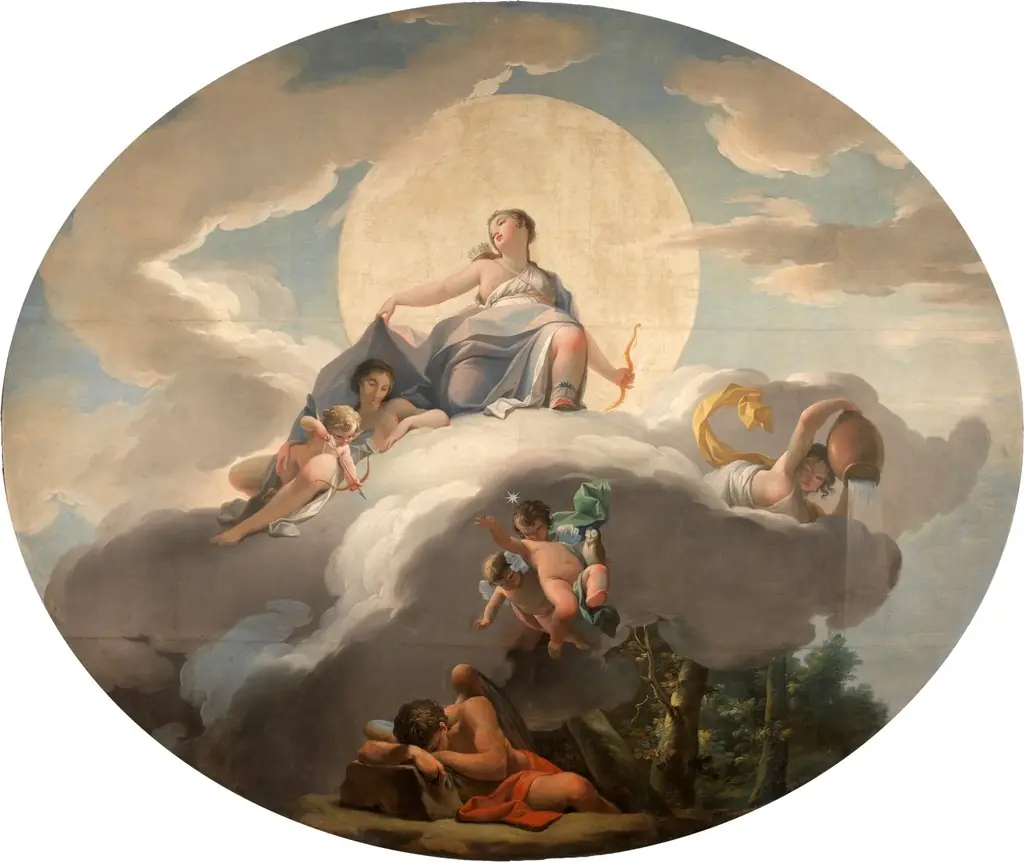
Alegoría de la Aurora is a tempera painting by Zacarías González Velázquez. It dates from 1818 and is held in the collection of the Museo del Prado.
About this work
Overview
Alegoría de la Aurora is a tempera painting created in 1818 by Spanish artist Zacarías González Velázquez, primarily known for portraits and religious works. The piece is housed in the Museo del Prado.
Subject & Meaning
The painting allegorically represents Aurora (dawn) through a scene of playful putti (cherubs) amidst clouds, conveying joy and happiness. Objects such as fans and bows symbolize the theme.
Technique & Style
Executed in tempera, the work leverages the medium's capabilities for vibrant colors and detailed rendering, achieving depth and dimension through a varied color palette.
History & Provenance
Created in 1818, the painting is part of the Museo del Prado's collection, reflecting González Velázquez's contribution to Spanish art beyond his typical genres.
Context
While González Velázquez is noted for portraits and religious themes, Alegoría de la Aurora showcases his versatility in allegorical subjects, aligning with 19th-century European artistic explorations of mythological and symbolic themes.
Legacy
As part of the Prado's collection, the painting contributes to the museum's holdings of early 19th-century Spanish art, offering insight into the artist's range and the period's artistic inclinations.
Own this work as a print
Artist & collection
Artist
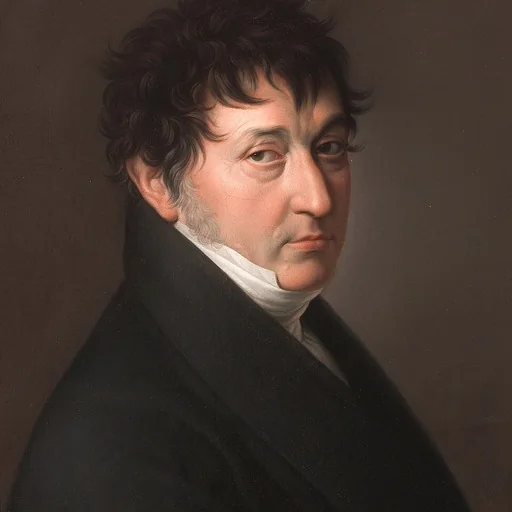
Zacarías González Velázquez (5 November 1763 – 31 January 1834) was a Spanish painter; known primarily for his portraits and religious works.


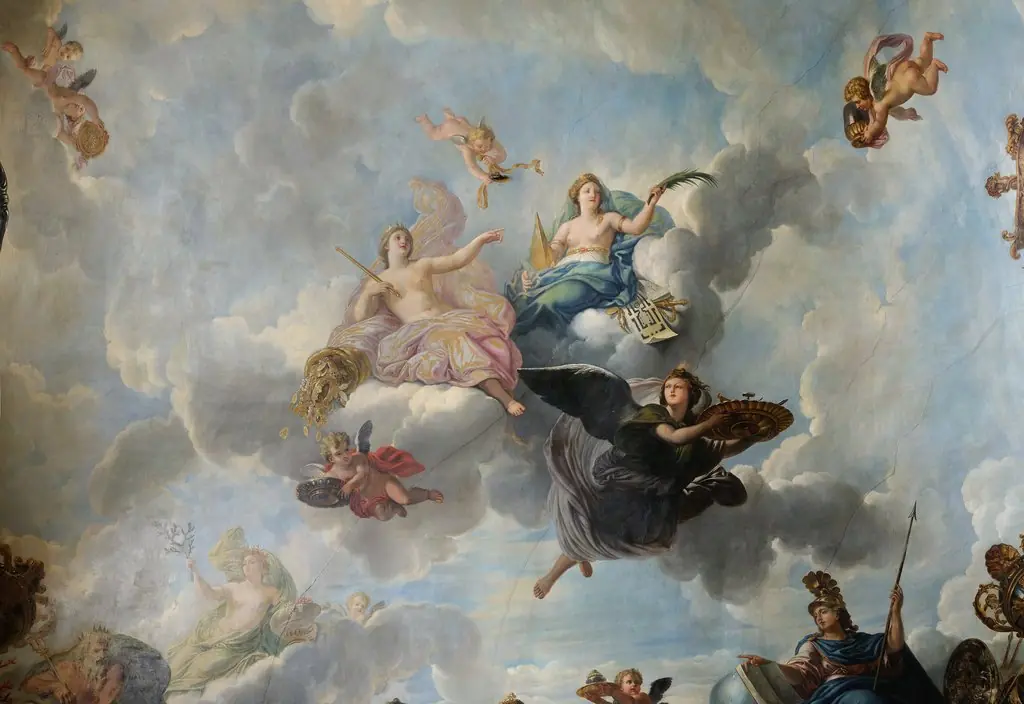 Figure of the Royal Magnificence, Immortality and Progress in the Fine Arts
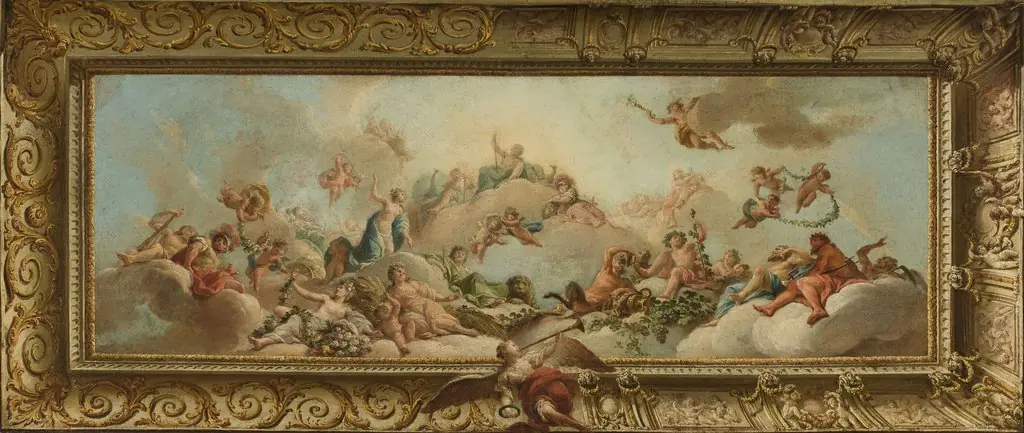 Greeting of Venus at Mount Olympus
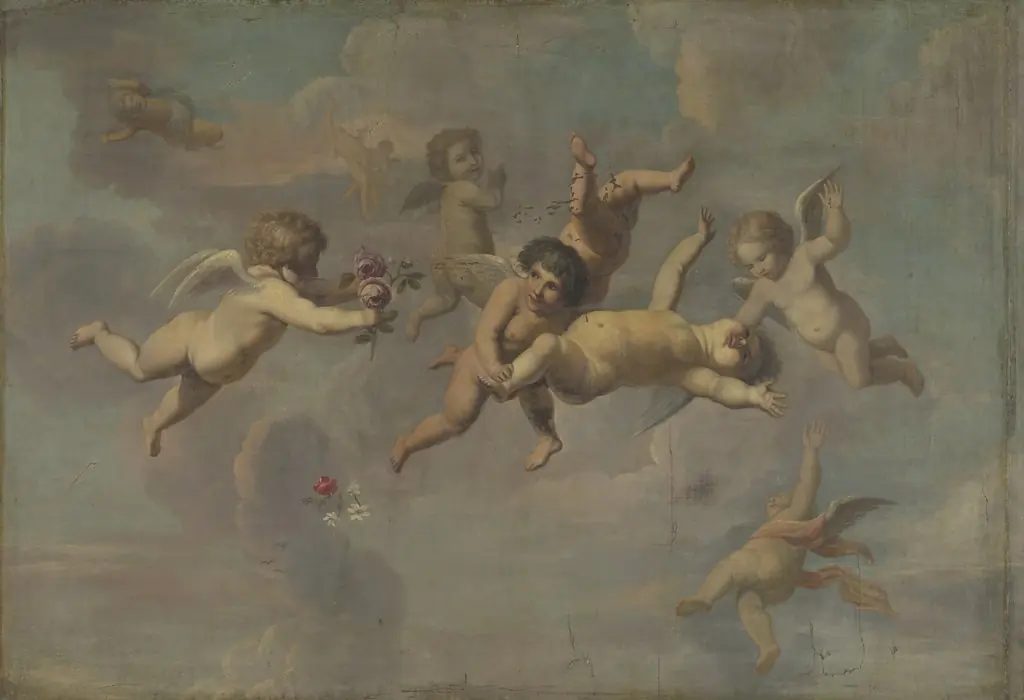 Tumbling Putti with Flowers
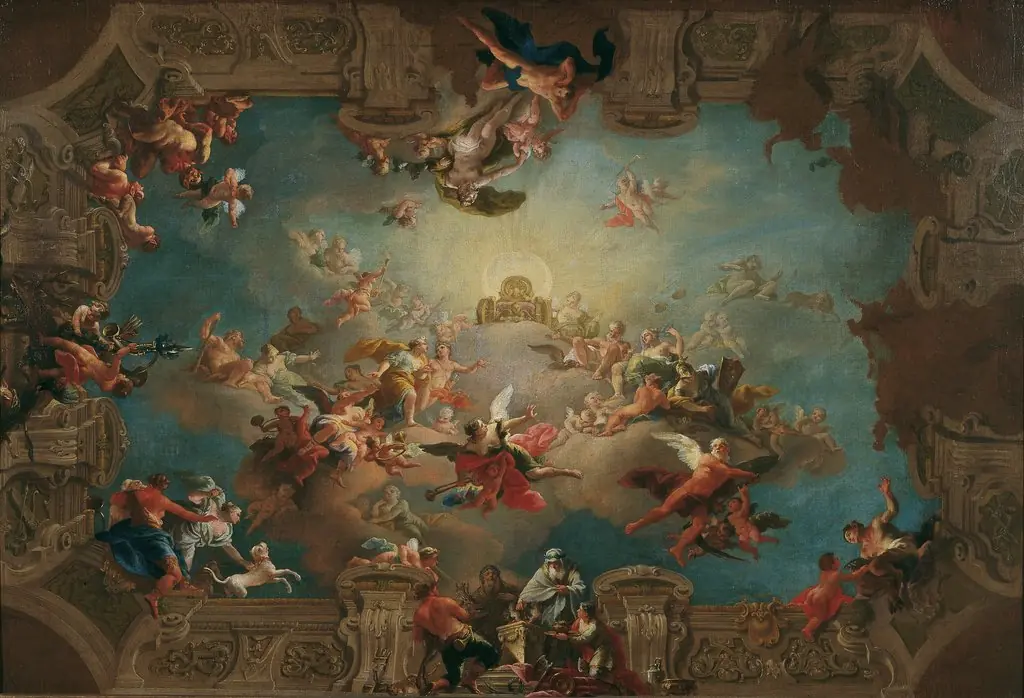 Diana's Admission to Olympus
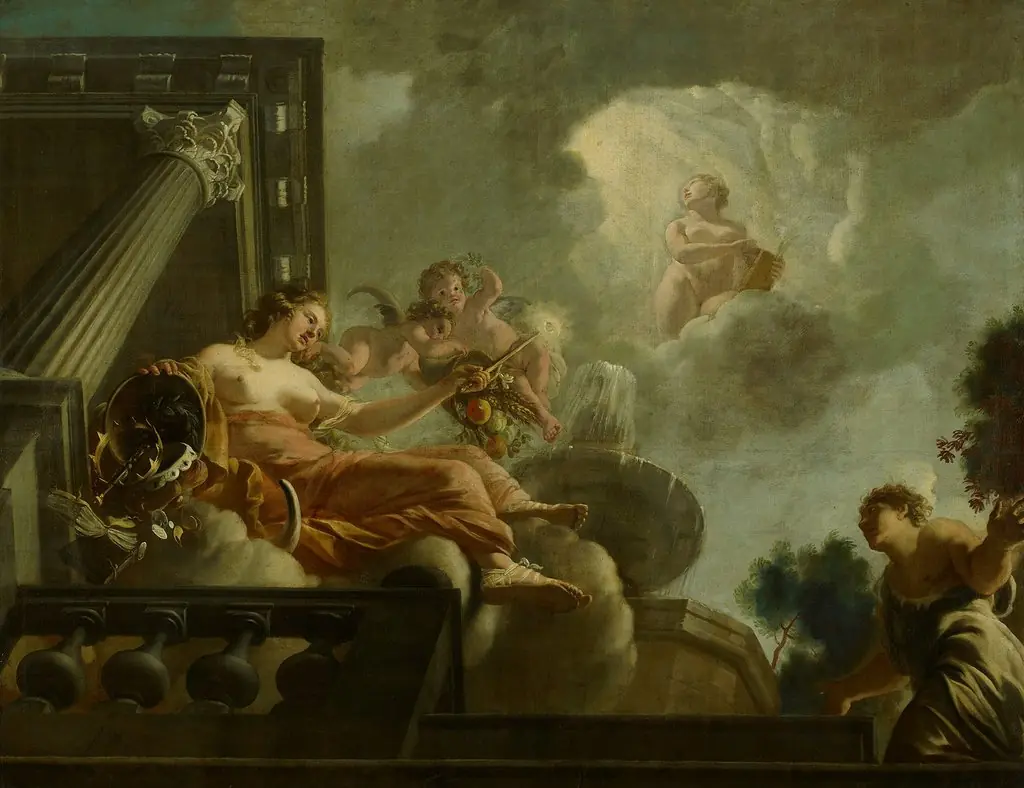 Religio begunstigt Abondantia : Allegorische voorstelling van de verzorging van leprozen en onnozelen
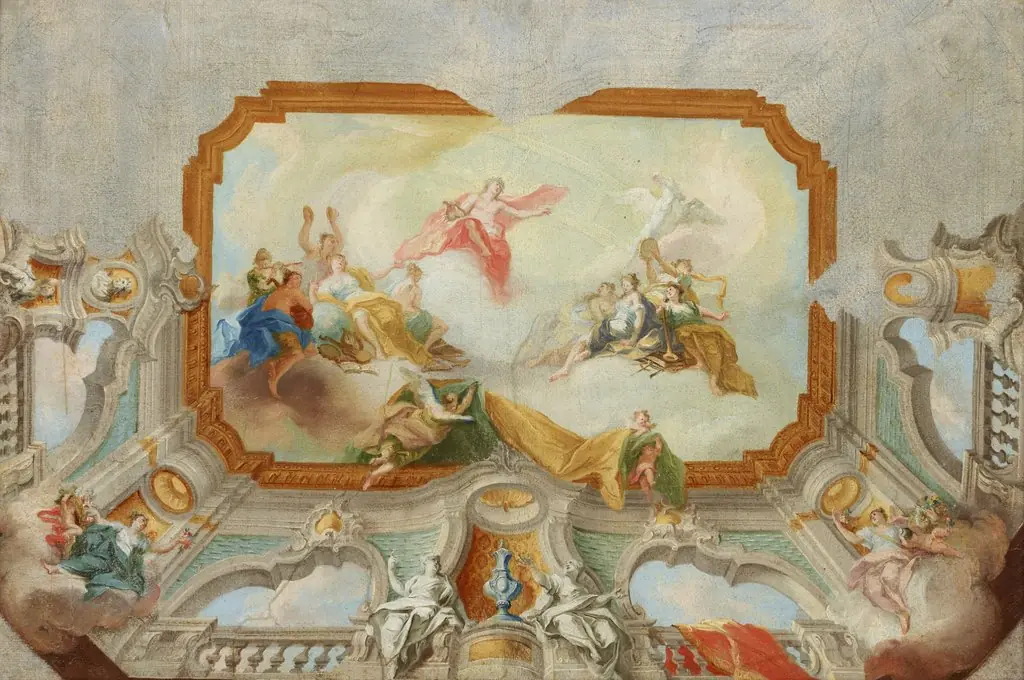 Apollo with the Muses – Project for a Plafond
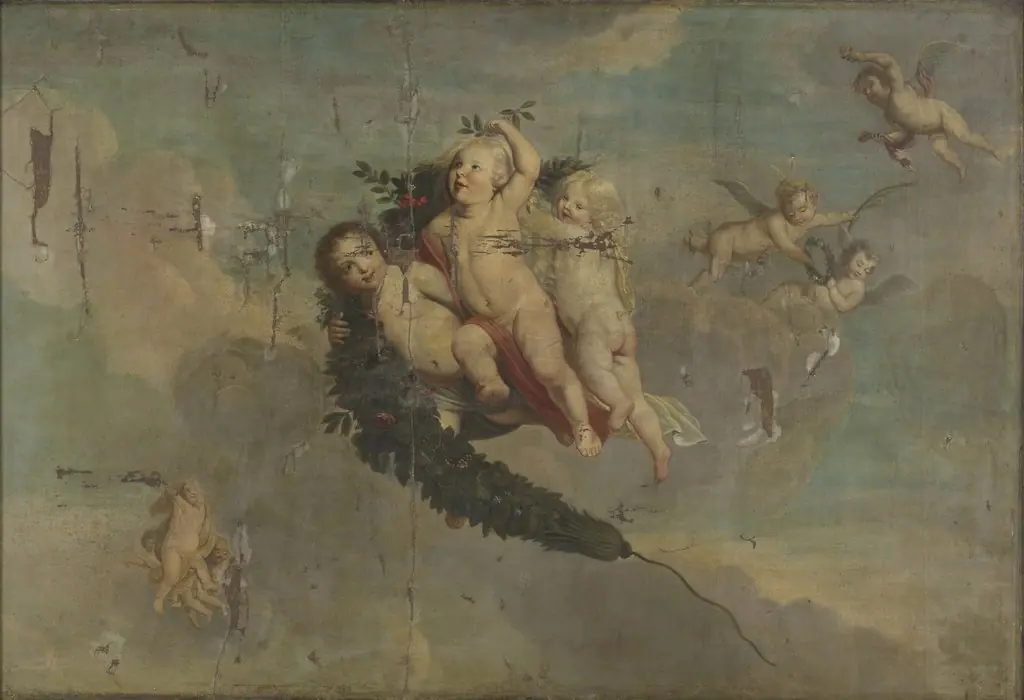 Putti with a Festoon
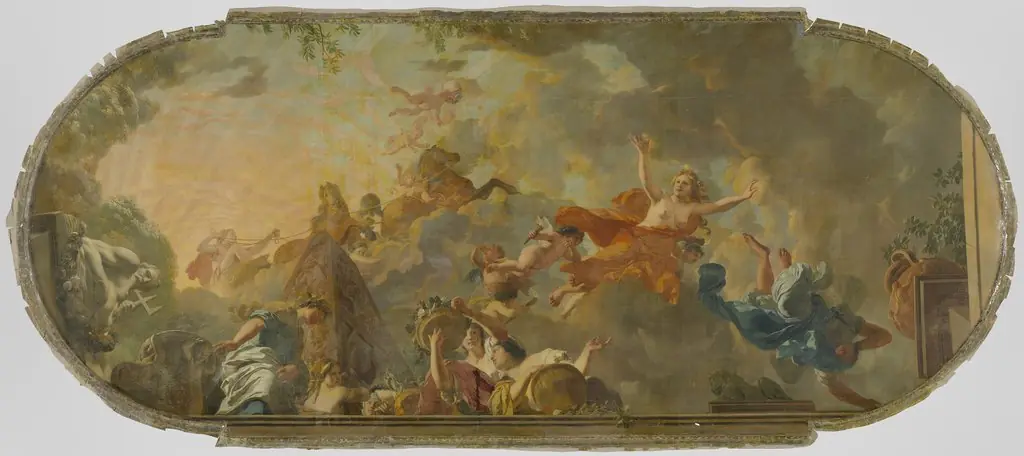 Allegory of dawn
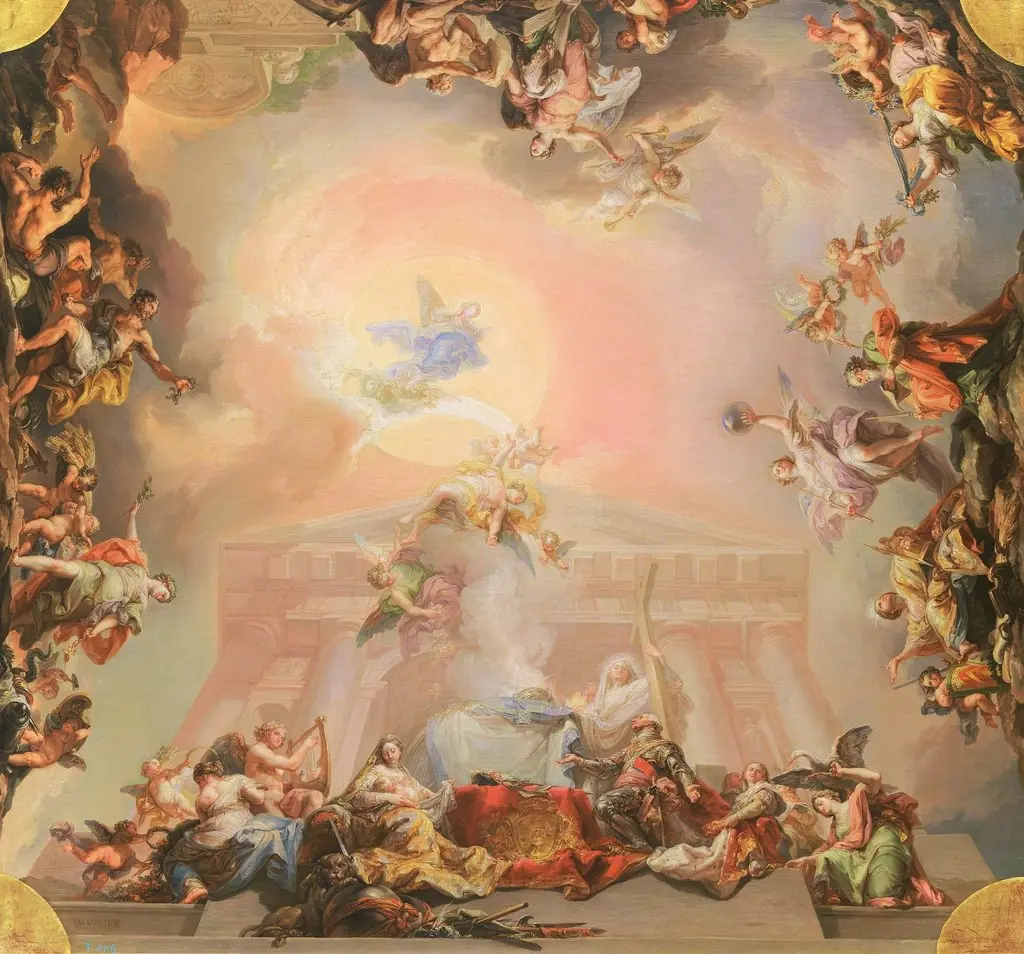 Sketch for Allegory of the Institution of the Order of Charles III
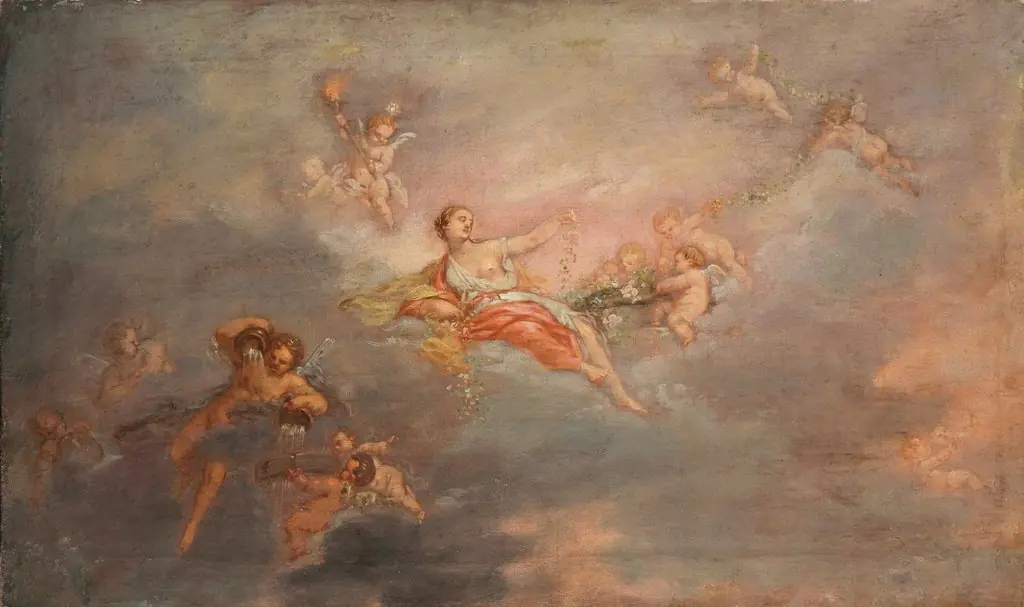 Der Morgen / Aurora blumenstreuend
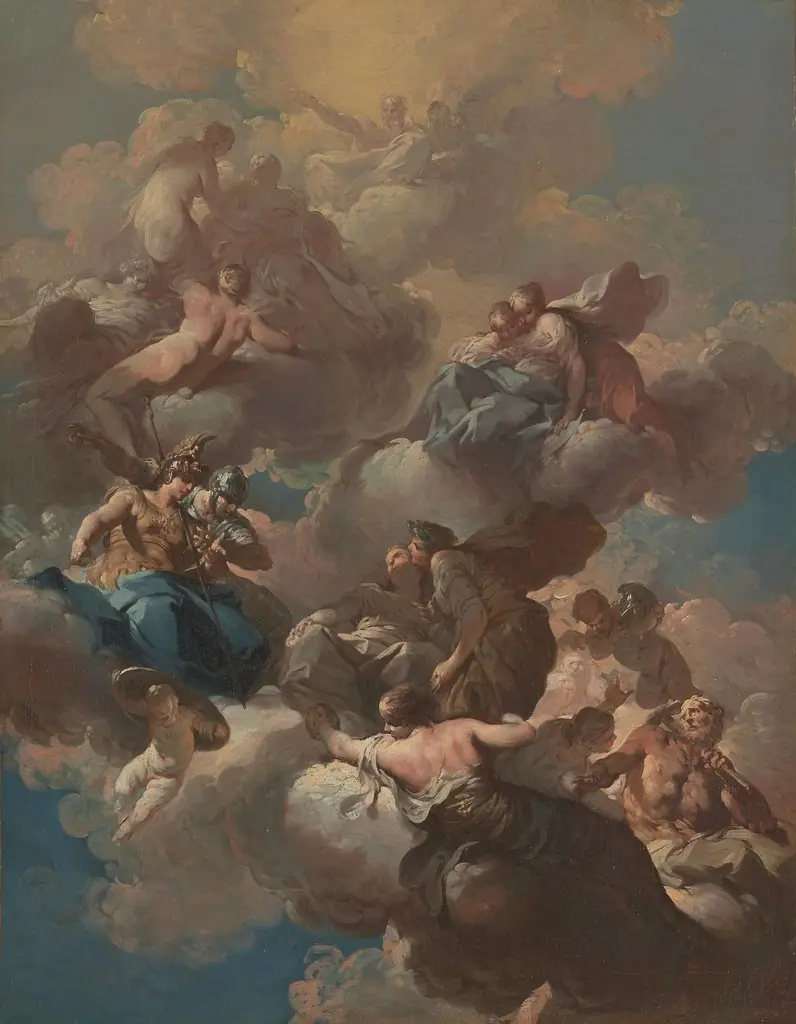 Sketch for a Ceiling Fresco
 Alegoría de la Noche