Artwork
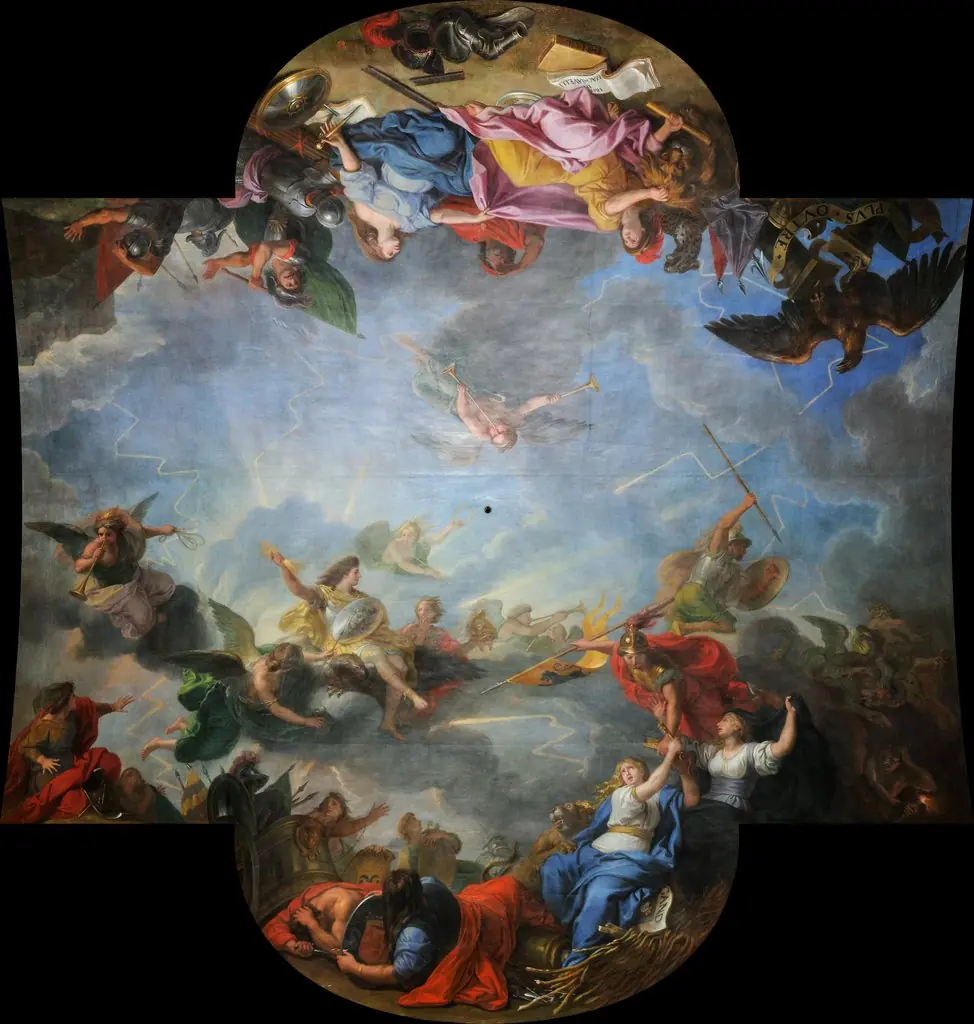
Figure of the Royal Magnificence, Immortality and Progress in the Fine Arts
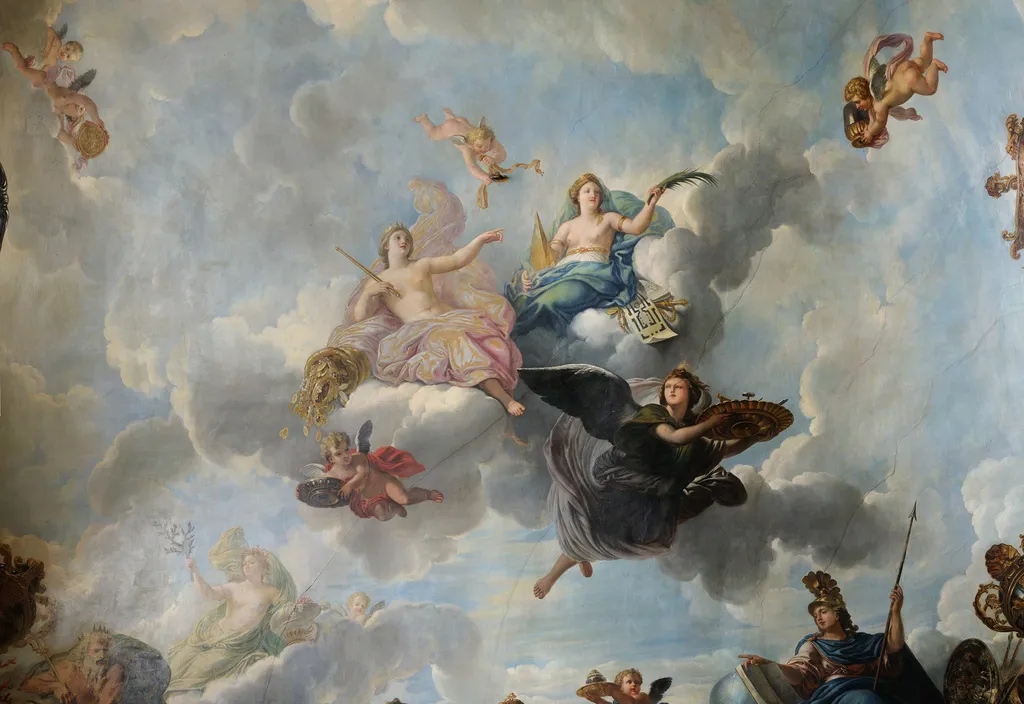
Figure of the Royal Magnificence, Immortality and Progress in the Fine Arts is an unspecified painting by the French Classical Baroque artist René-Antoine Houasse. It dates from 1692 and is held in the collection of the Palace of Versailles.
About this work
Overview
Created in 1692 by French painter René-Antoine Houasse, this plaster allegory was commissioned for the Palace of Versailles as part of its interior decoration.
Created in 1692 by French painter René-Antoine Houasse, this plaster allegory was commissioned for the Palace of Versailles as part of its interior decoration. Houasse, trained under Charles Le Brun, contributed to the grand decorative program of Louis XIV’s court. Though often described as a painting, the work is executed in plaster, reflecting its role as a preparatory or architectural element within the palace’s ornamental scheme.
Subject & Meaning
The composition personifies royal authority, artistic legacy, and intellectual advancement through allegorical figures. A central female figure, crowned and holding a scepter, embodies the monarchy’s magnificence, while a male figure with book and quill represents scholarly progress. Surrounding cherubs and floating forms suggest divine favor and eternal recognition, reinforcing the ideological link between the crown and the arts under Louis XIV’s reign.
Technique & Style
Executed in plaster, the work employs sculptural modeling to achieve a relief-like effect, suited for integration into palace walls or ceilings. The figures are arranged in a dynamic circular formation, suspended against a pale sky, enhancing the illusion of celestial elevation. Soft modeling and flowing drapery reflect the French Classical Baroque style, emphasizing harmony, idealized forms, and theatrical grandeur consistent with Le Brun’s aesthetic.
History & Provenance
Commissioned for the Palace of Versailles during its peak decorative phase, the piece was produced under the supervision of Charles Le Brun, the king’s chief artist. Houasse’s involvement in this project preceded his appointment as director of the French Academy in Rome (1699–1704), where he further engaged with classical traditions. The work’s original placement within Versailles remains documented, though its current physical location may differ from its initial context.
Context
This work emerged during a period when French art served state ideology, using mythological and allegorical imagery to glorify the monarchy. Versailles functioned not only as a royal residence but as a stage for political symbolism. Houasse’s allegory aligns with broader efforts to elevate the arts as instruments of royal power, reinforcing the notion that cultural achievement was inseparable from the crown’s authority.
Legacy
Though not widely exhibited today, the piece exemplifies the collaborative, state-sponsored art production of late 17th-century France. Houasse’s role in Versailles and later in Rome helped transmit French academic principles across Europe. His work, like this allegory, contributed to a visual language that linked monarchy, intellect, and artistic legacy—a model followed in other European courts throughout the 18th century.
Own this work as a print
Artist & collection
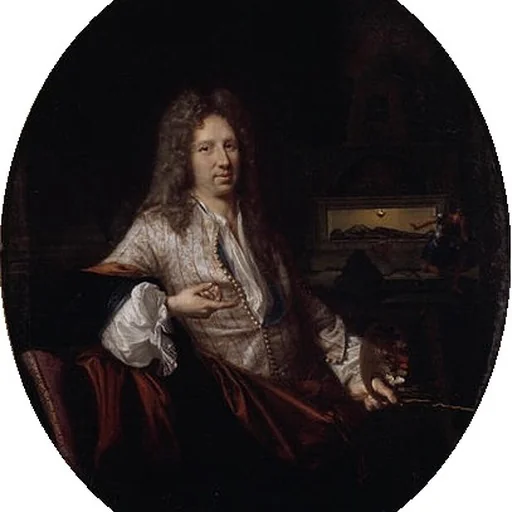
Artist
René-Antoine Houasse (c. 1645–1710) was a decorative French painter. He was a pupil of Charles Le Brun, under whose direction he worked at the Manufacture des Gobelins, and with whom he worked on the decoration of the…

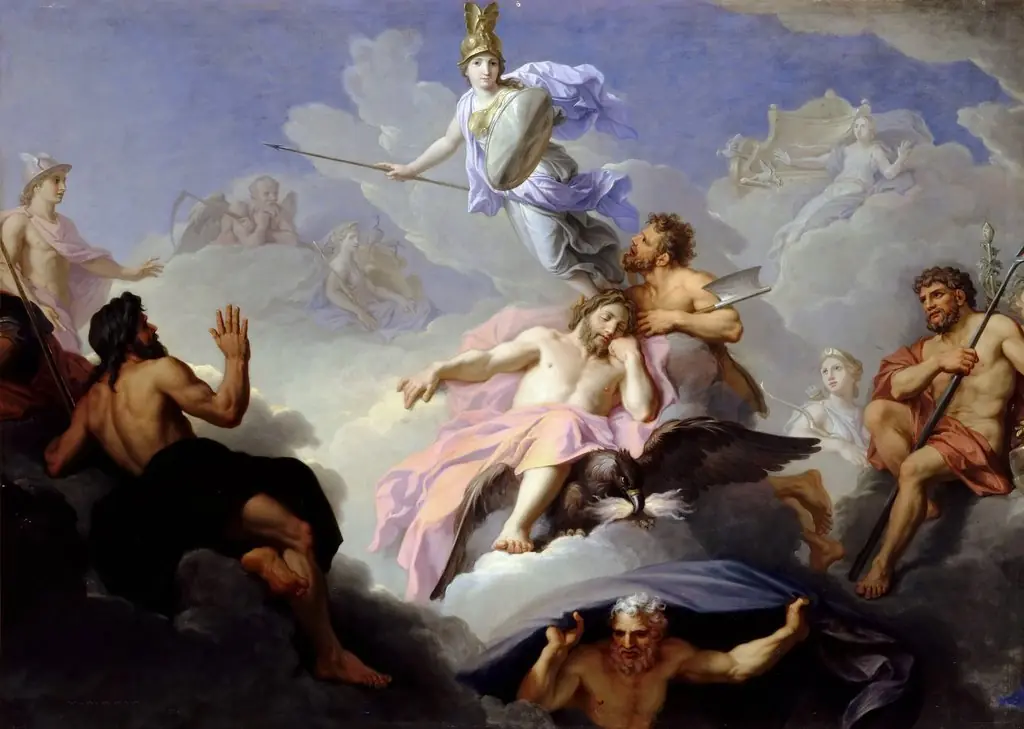 The Birth of Minerva
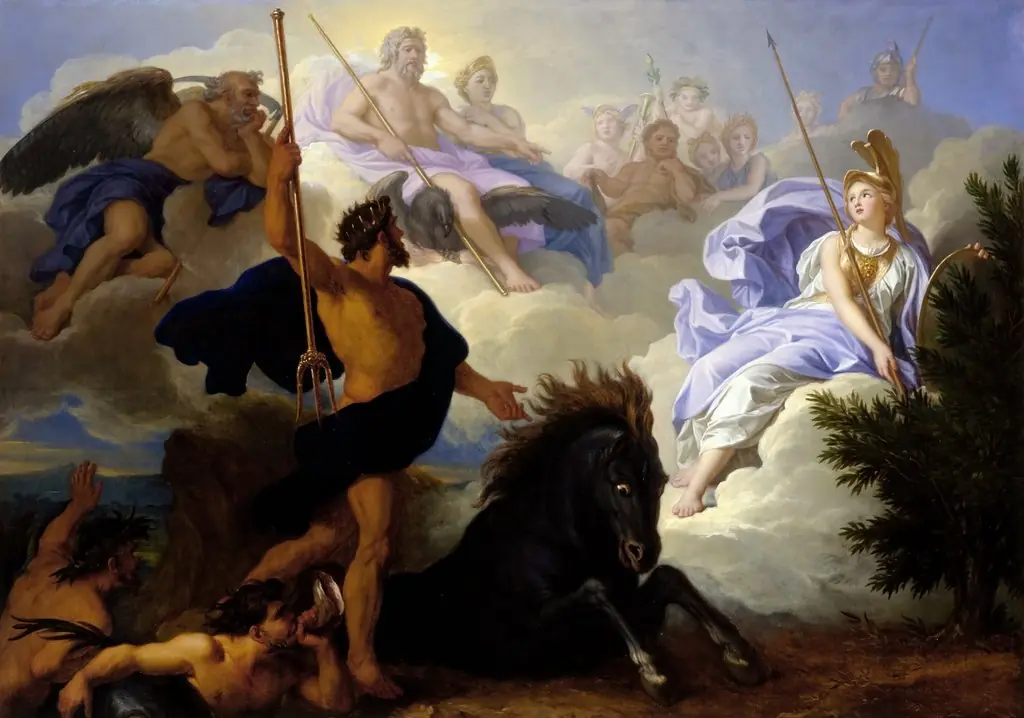 Dispute between Minerva and Neptune over the Naming of the City of Athens
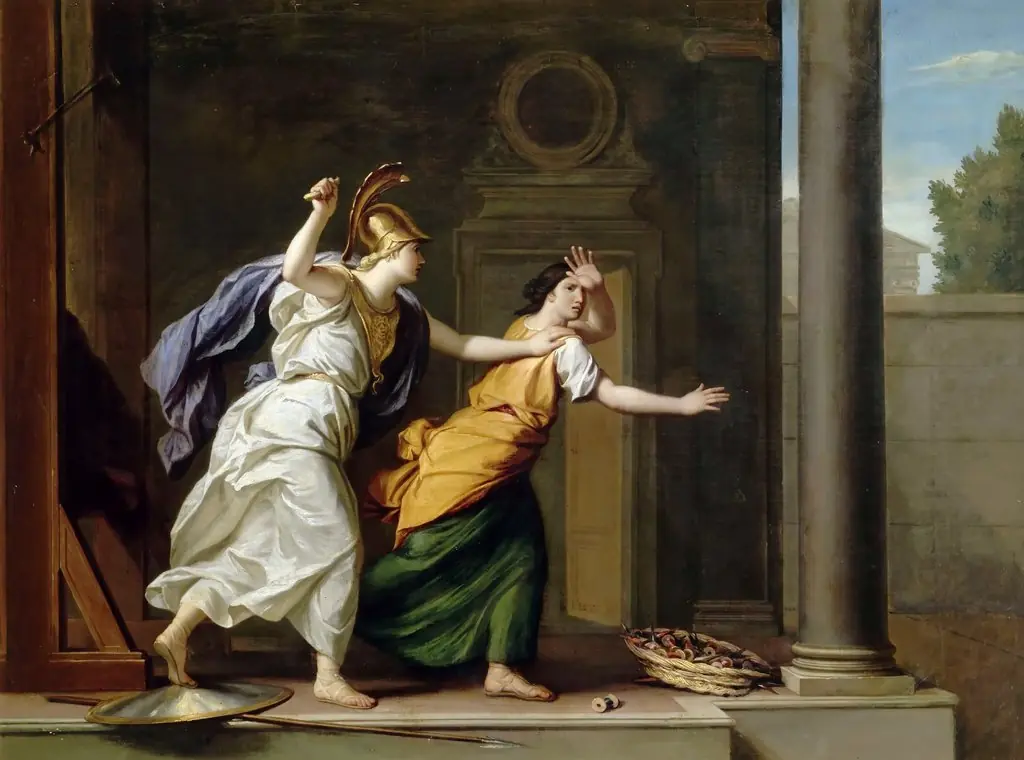 Minerva and Arachne
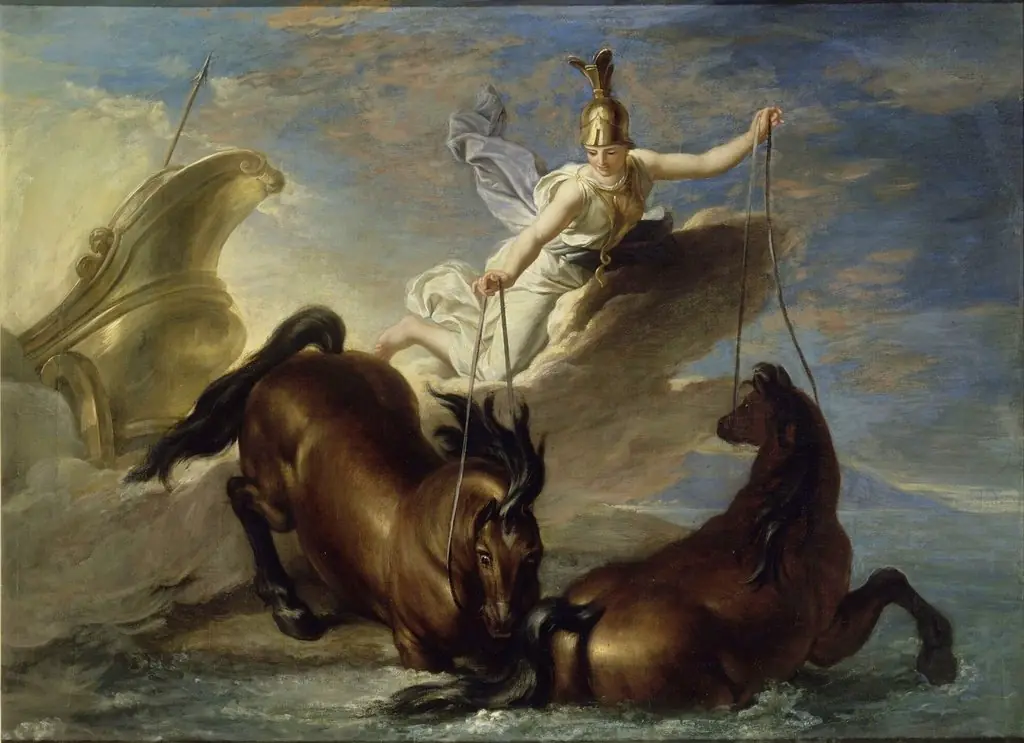 Story of Minerva - Minerva Watering her Horses into the Sea
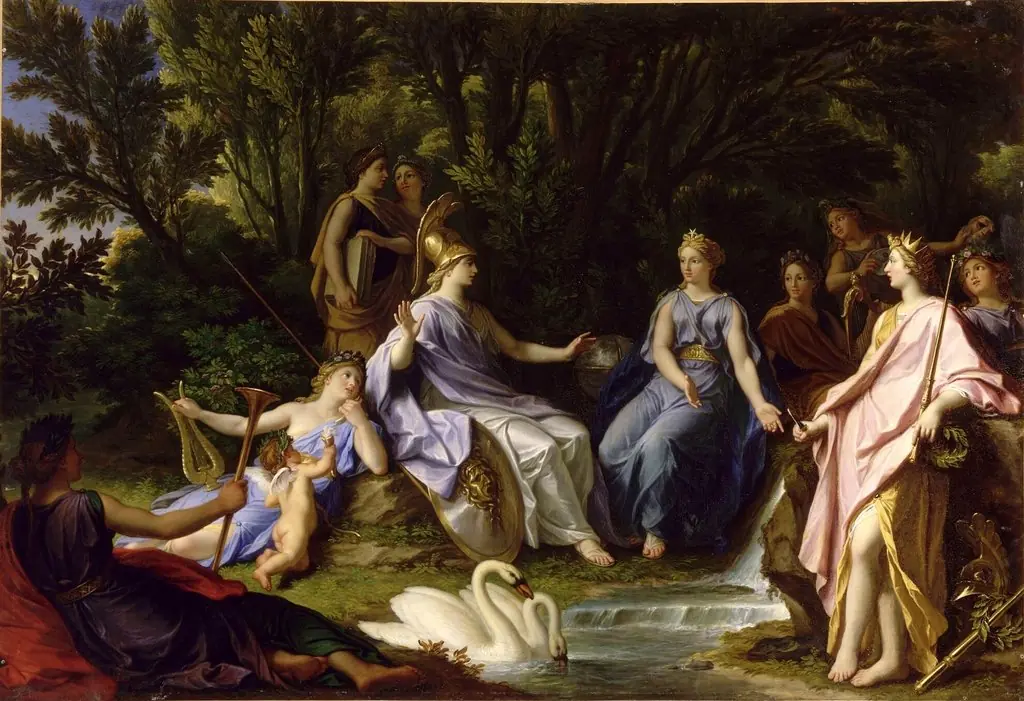 Story of Minerva - The Muses Showing Minerva Hippocrene Waters of the River that Brings Out Pegasus
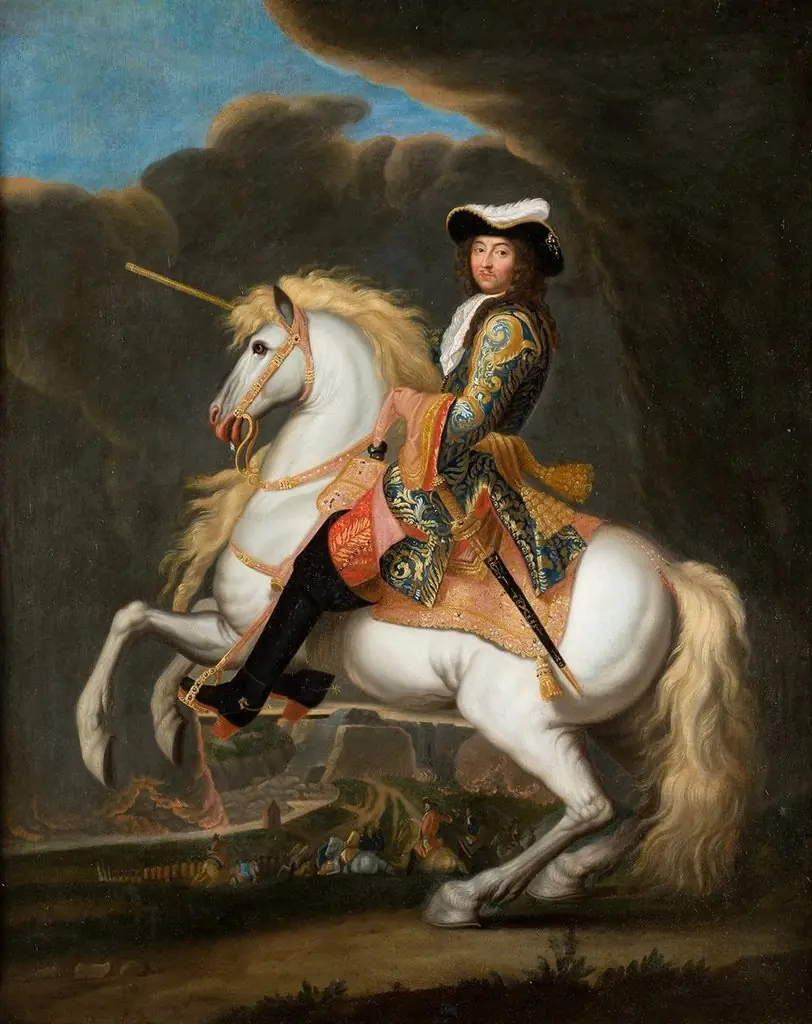 Retrato equestre de Luís XIV
 Coving, the Nef of Louis XIV
 The Opening of the Tomb of Nitocris by Darius (?)
 Amor vor Jupiter und Juno
 Alegoría de la Aurora
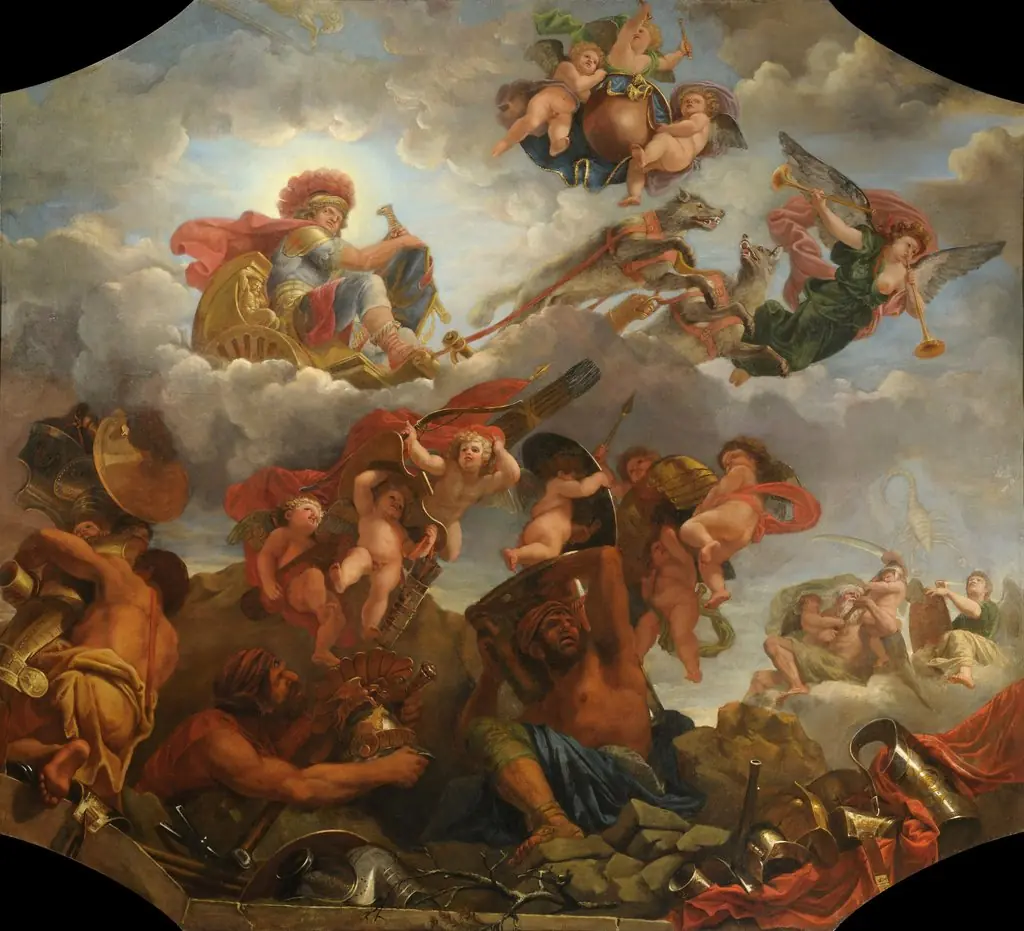 Mars on his chariot pulled by wolves
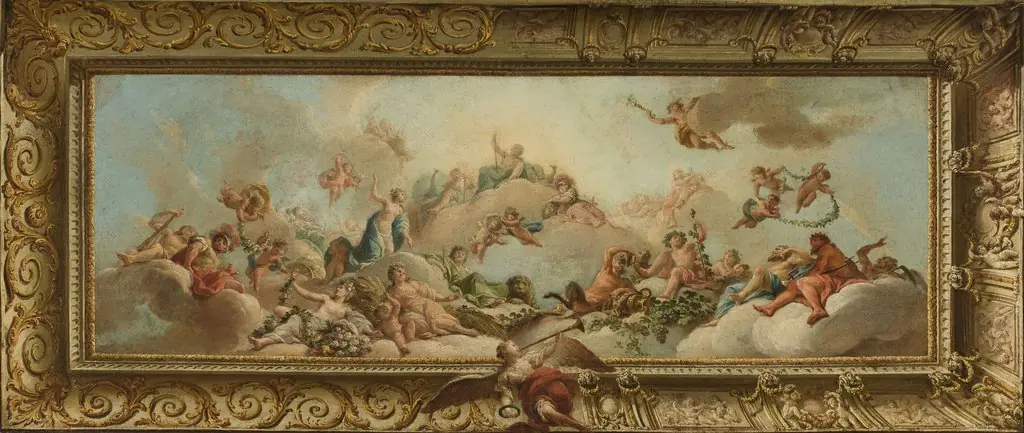 Greeting of Venus at Mount Olympus
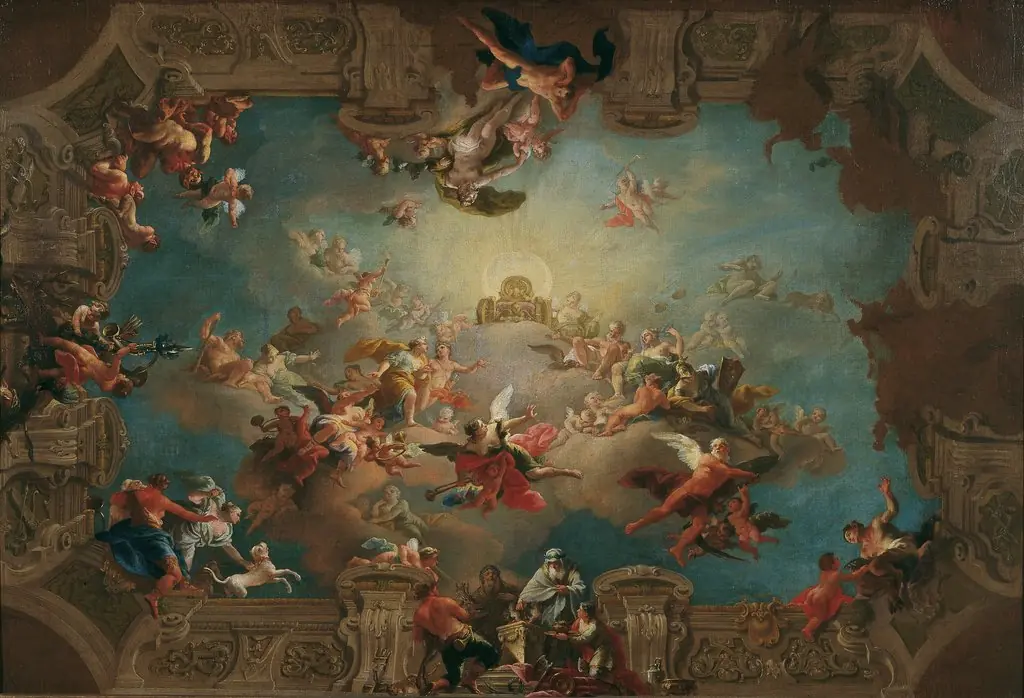 Diana's Admission to Olympus
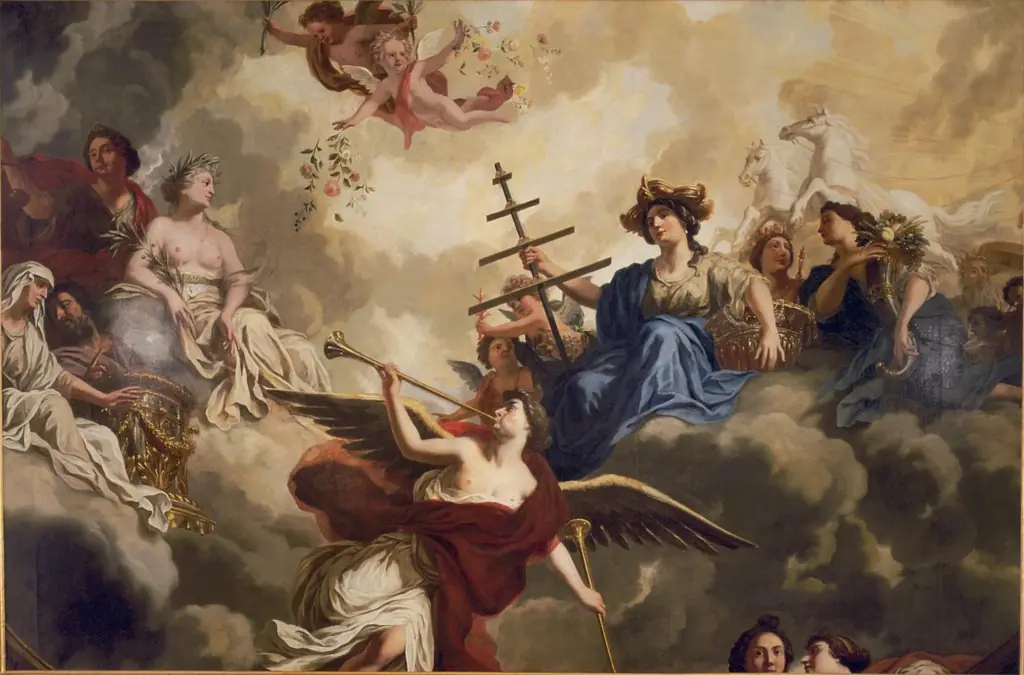 Allegory on Navigation
 Religio begunstigt Abondantia : Allegorische voorstelling van de verzorging van leprozen en onnozelen
 The Birth of Venus, and the Gods of Olympus (sketch for a wall and ceiling decoration)
 Sketch for Allegory of the Institution of the Order of Charles III
 Apollo with the Muses – Project for a Plafond
 capture the citadel
 Allegory