Artwork
Ihr Menschen Vereinigt Euch
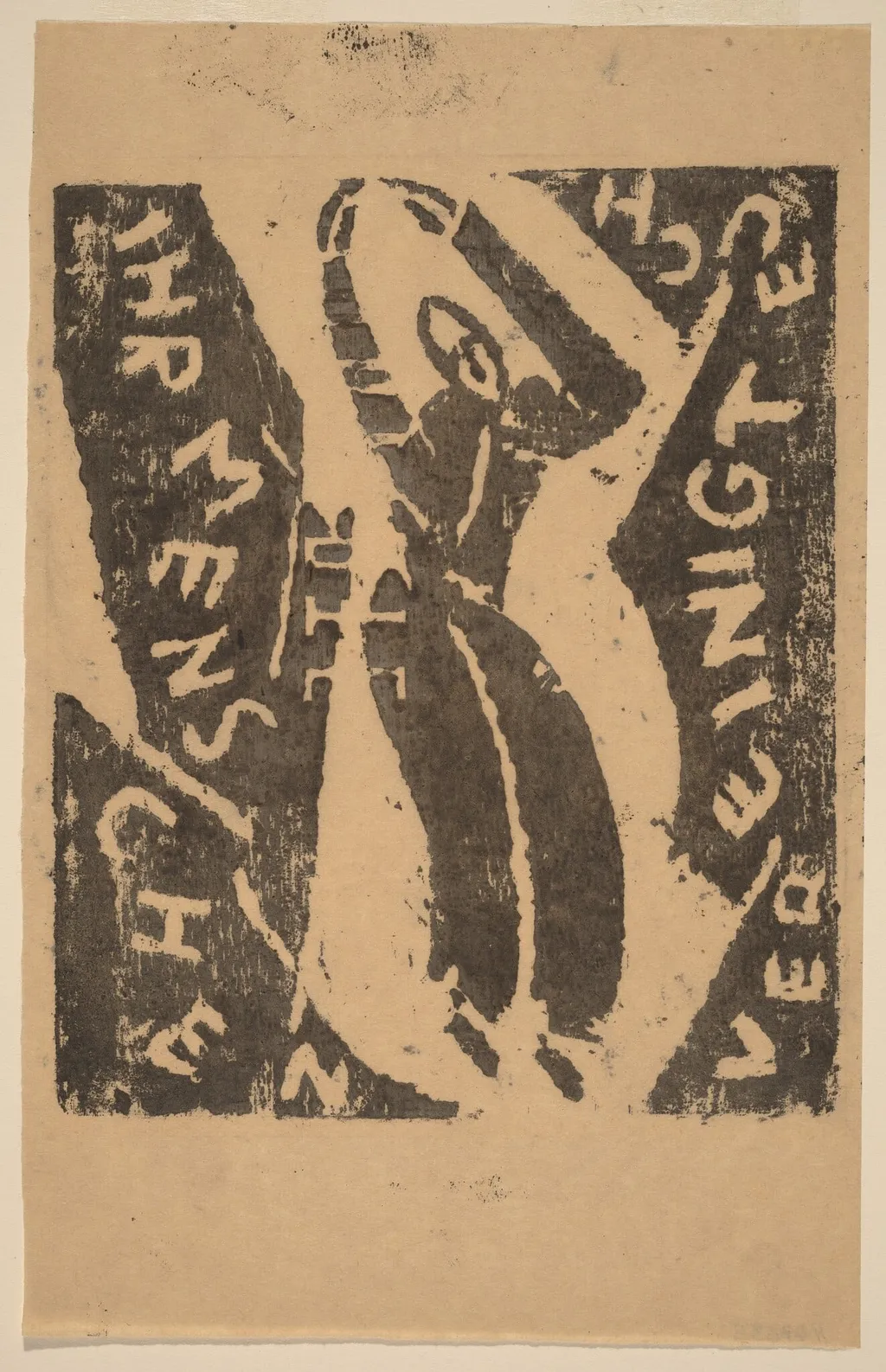
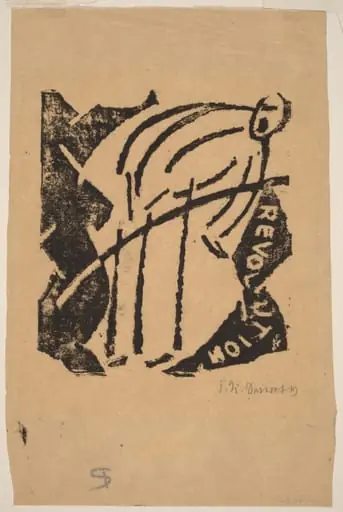
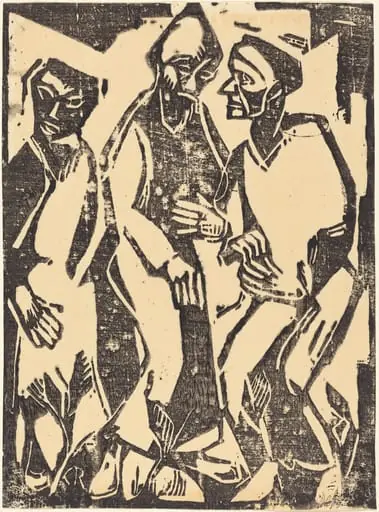
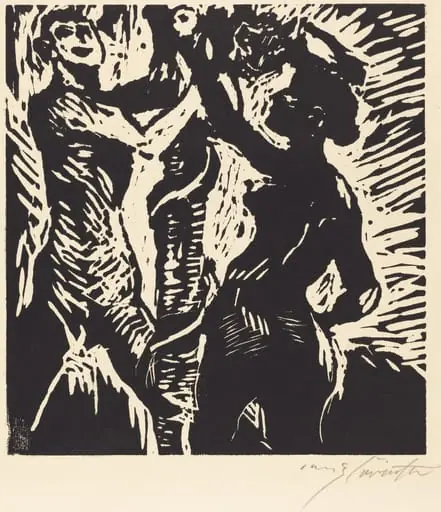
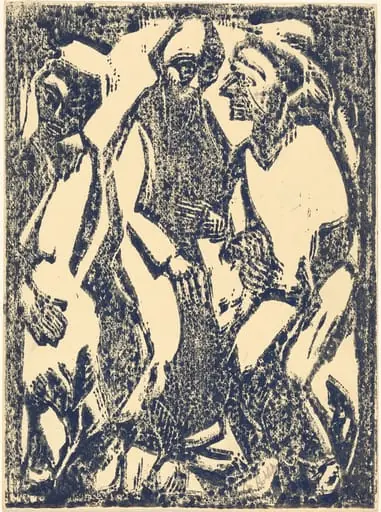
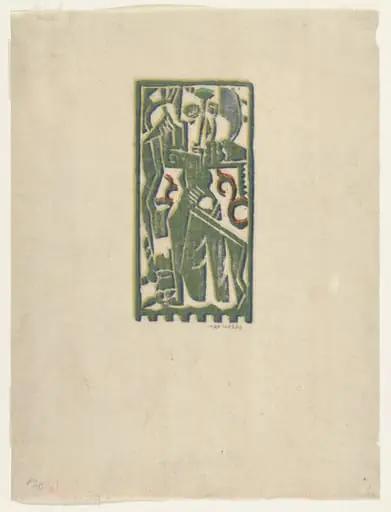
Ihr Menschen Vereinigt Euch is an ink print by Franz Wilhelm Seiwert. It dates from 1920 and is held in the collection of the National Gallery of Art.
About this work
Overview
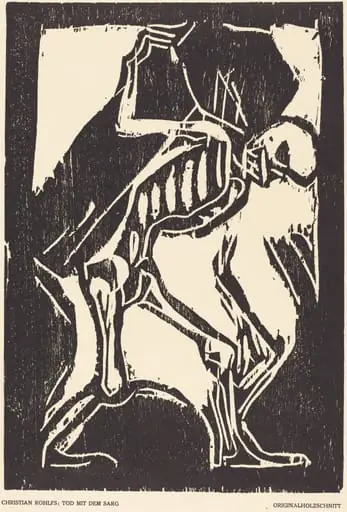
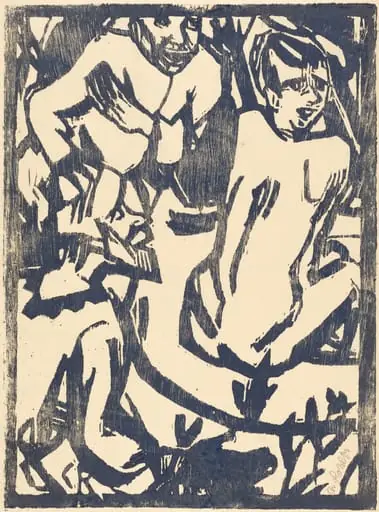
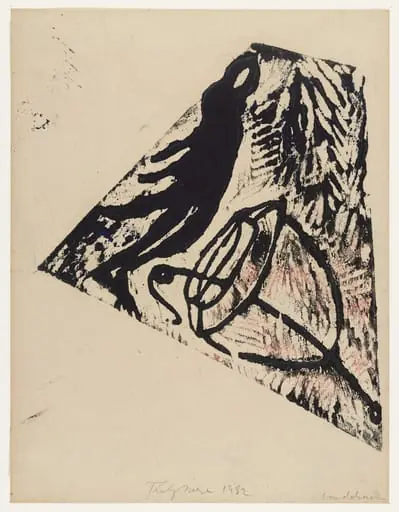
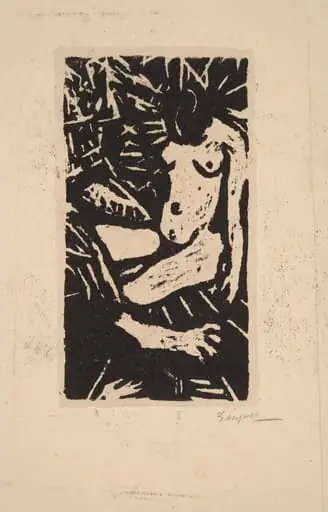
Franz Wilhelm Seiwert produced this woodcut in 1920 using black ink on buff-colored wove paper.
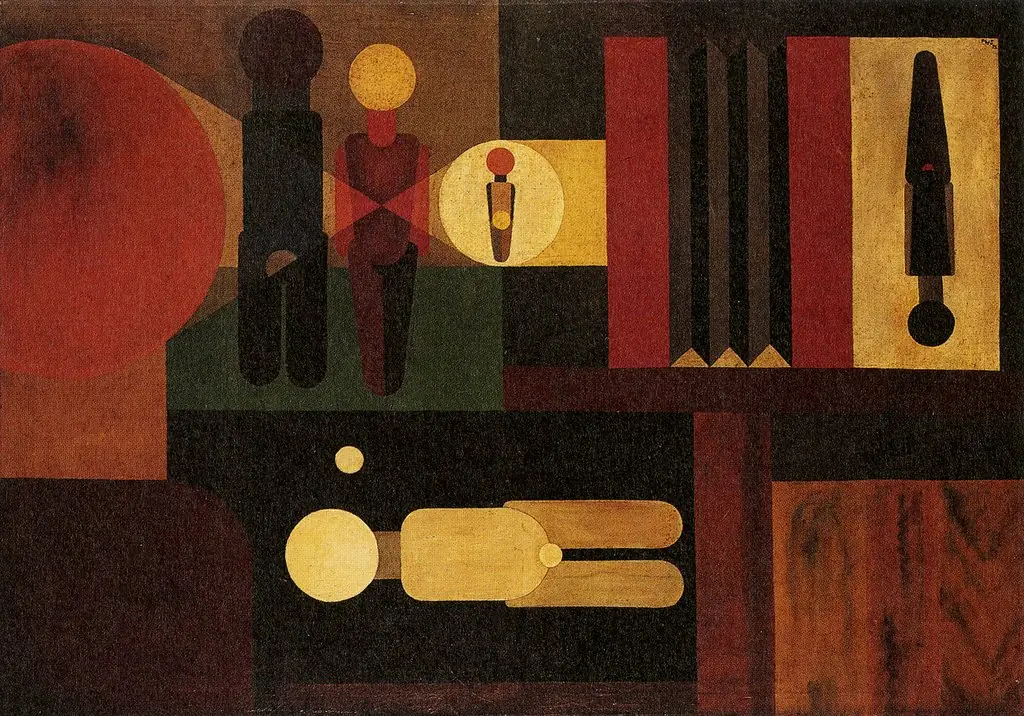
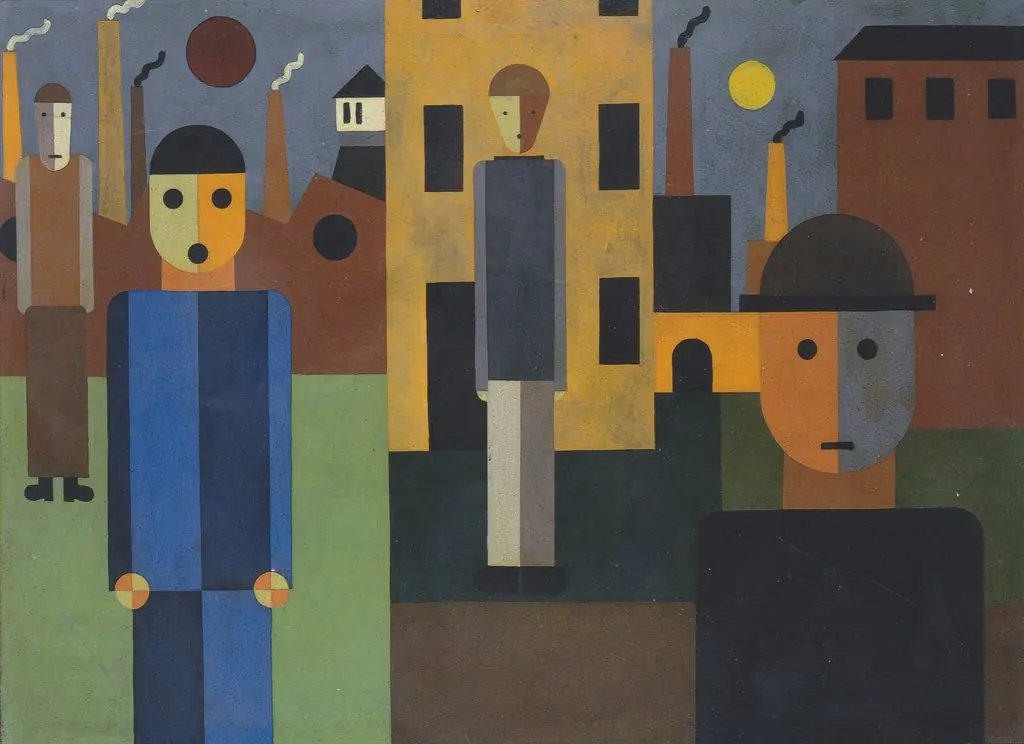
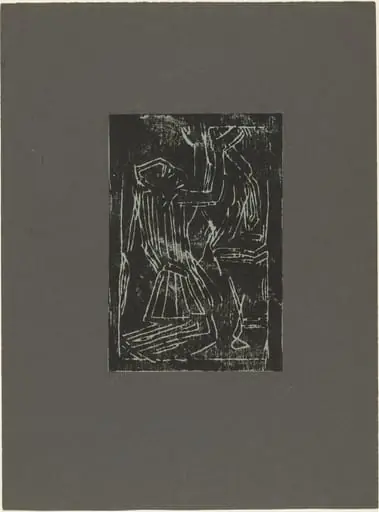
Franz Wilhelm Seiwert produced this woodcut in 1920 using black ink on buff-colored wove paper. A German artist and committed communist, Seiwert worked across painting, sculpture, and printmaking, often merging political messaging with formal experimentation. The piece emerged from his involvement with radical artistic circles in Cologne, where he engaged with Dada and leftist publications like Die Aktion, using print as a tool for collective expression.
Subject & Meaning
The title, 'Ihr Menschen Vereinigt Euch' ('You People Unite'), functions as a direct call to solidarity, reflecting Seiwert’s Marxist convictions. The circular arrangement of the text reinforces a sense of unity and cyclical action, while the abstract, swirling forms suggest collective motion—bodies in motion, crowds gathering, or forces converging. The absence of figurative elements shifts focus from individuals to the idea of mass mobilization.
Technique & Style
Seiwert employed a hand-carved woodcut technique, leaving visible irregularities in the paper’s edges and ink application that emphasize the work’s handmade character. Bold, flowing lines and simplified geometric shapes create rhythmic movement across the surface. The stark contrast between black ink and the pale paper heightens visual impact, aligning with constructivist principles that prioritize clarity, structure, and functional aesthetics over ornamentation.
History & Provenance
Created in 1920, the print was likely produced for distribution through Die Aktion, a Berlin-based journal promoting avant-garde and leftist politics. Seiwert, active in Cologne’s Dada scene after meeting Max Ernst in 1919, used such prints to reach a broad audience. While specific ownership history is undocumented, the work belongs to a broader corpus of politically engaged graphic art from Germany’s early Weimar period.
Context
In the aftermath of World War I and during the turbulent early years of the Weimar Republic, artists like Seiwert sought to align art with revolutionary social change. Woodcuts, as inexpensive and reproducible media, became vital for disseminating political messages. Seiwert’s work reflects a broader trend among German artists who abandoned traditional aesthetics to embrace abstraction and direct communication in service of collective struggle.
Legacy
Seiwert’s woodcuts, including this one, contributed to the development of politically charged graphic art in interwar Germany. Though less widely known than contemporaries like George Grosz, his integration of constructivist form with radical content influenced later generations of activist printmakers. The work stands as a quiet but forceful example of how art could function as both aesthetic experiment and social intervention.
Artist & collection
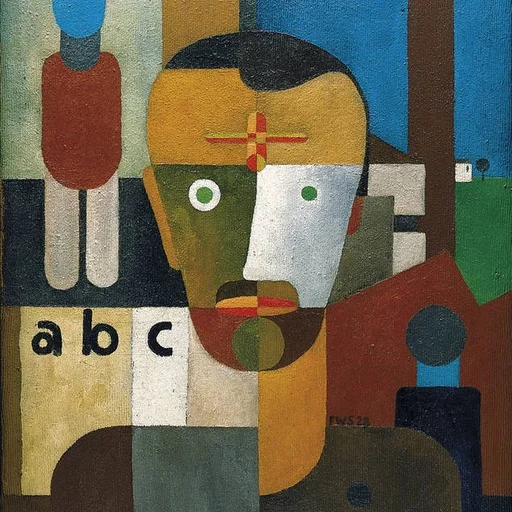
Artist
Franz Wilhelm Seiwert (March 9, 1894 – July 3, 1933) was a German painter and sculptor in a constructivist style.