Artwork
Studies of Screwpines from Madagascar
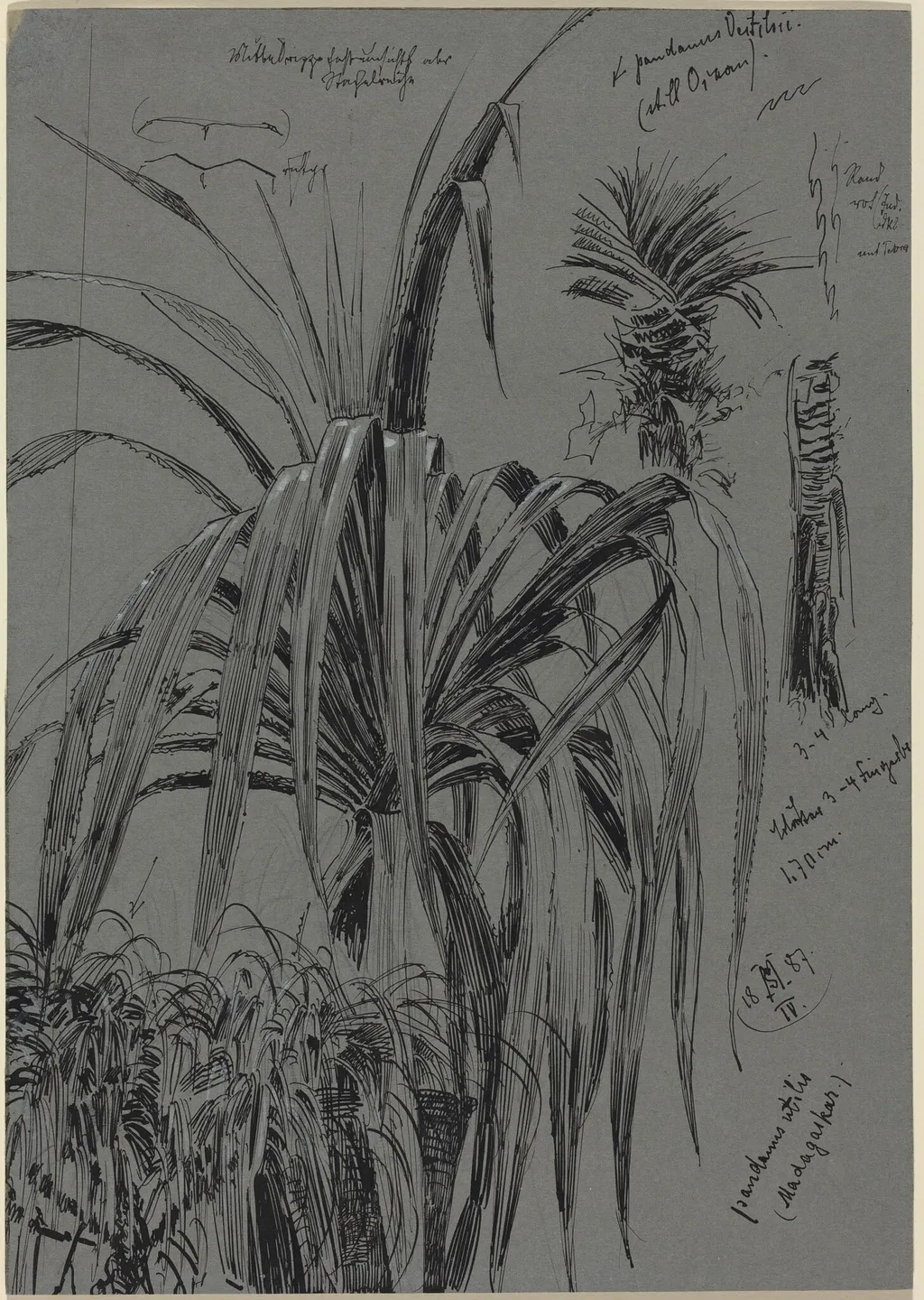
Studies of Screwpines from Madagascar is an ink drawing by the Impressionist artist Max Seliger. It dates from 1887 and is held in the collection of the National Gallery of Art.
About this work
Overview
This 1887 drawing by Max Seliger records two screwpine specimens observed in Madagascar. Executed in pen and brown ink with white heightening on gray cardboard, the sheet isolates botanical details against a neutral ground. The work belongs to a period when European naturalists documented newly encountered flora, merging scientific inquiry with draftsmanship.
Subject & Meaning
The subject consists of screwpine plants, a genus then unfamiliar to European botanists. Seliger’s studies focus on morphological traits—serrated leaves and textured fruit—essential for identification. By rendering these features, the drawing served both as observational record and visual reference, bridging fieldwork and scholarly analysis in the late nineteenth century.
Technique & Style
Seliger employed fine pen lines to delineate organic forms, with white chalk applied selectively to simulate moisture and volume. The gray cardboard substrate provides tonal contrast, enhancing the illusion of three-dimensionality. Rapid execution suggests direct observation, likely outdoors, where shifting light demanded immediate notation. Cross-hatching reinforces structural clarity.
History & Provenance
Created during Seliger’s botanical research in Madagascar, the drawing reflects colonial-era expeditions that expanded European knowledge of global biodiversity. Its original purpose was scientific, though its status as an independent work remains unclear. No subsequent ownership history has been documented, leaving its trajectory from field sketch to collected object uncharted.
Context
In the 1880s, European institutions prioritized the classification of non-native plant species. Seliger’s sketches participated in this effort, offering visual data to accompany written descriptions. Such drawings circulated among specialists, aiding taxonomy before photography became a reliable alternative. The work exemplifies the intersection of art and science in colonial exploration.
Artist & collection


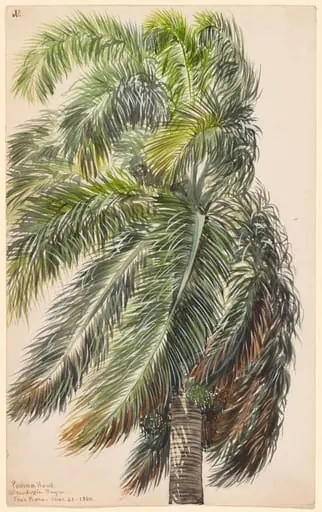
![Tropical Plant [recto], by Jane C. Stanley](https://artifactworldgallery.com/img/jane-c-stanley--tropical-plant-recto--1aa56502d3b9ab34-w320.webp)
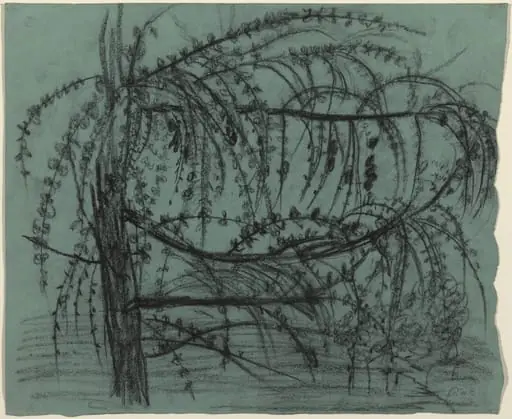
![Tree [verso], by Perry, Enoch Wood, Jr.](https://artifactworldgallery.com/img/perry-enoch-wood-jr--tree-verso--696f4264834bd30c-w320.webp)
![Study of a Flower [verso], by Charles Sprague Pearce](https://artifactworldgallery.com/img/charles-sprague-pearce--study-of-a-flower-verso--8828feade416c757-w320.webp)