Artwork
Fyodor Pryanishnikov
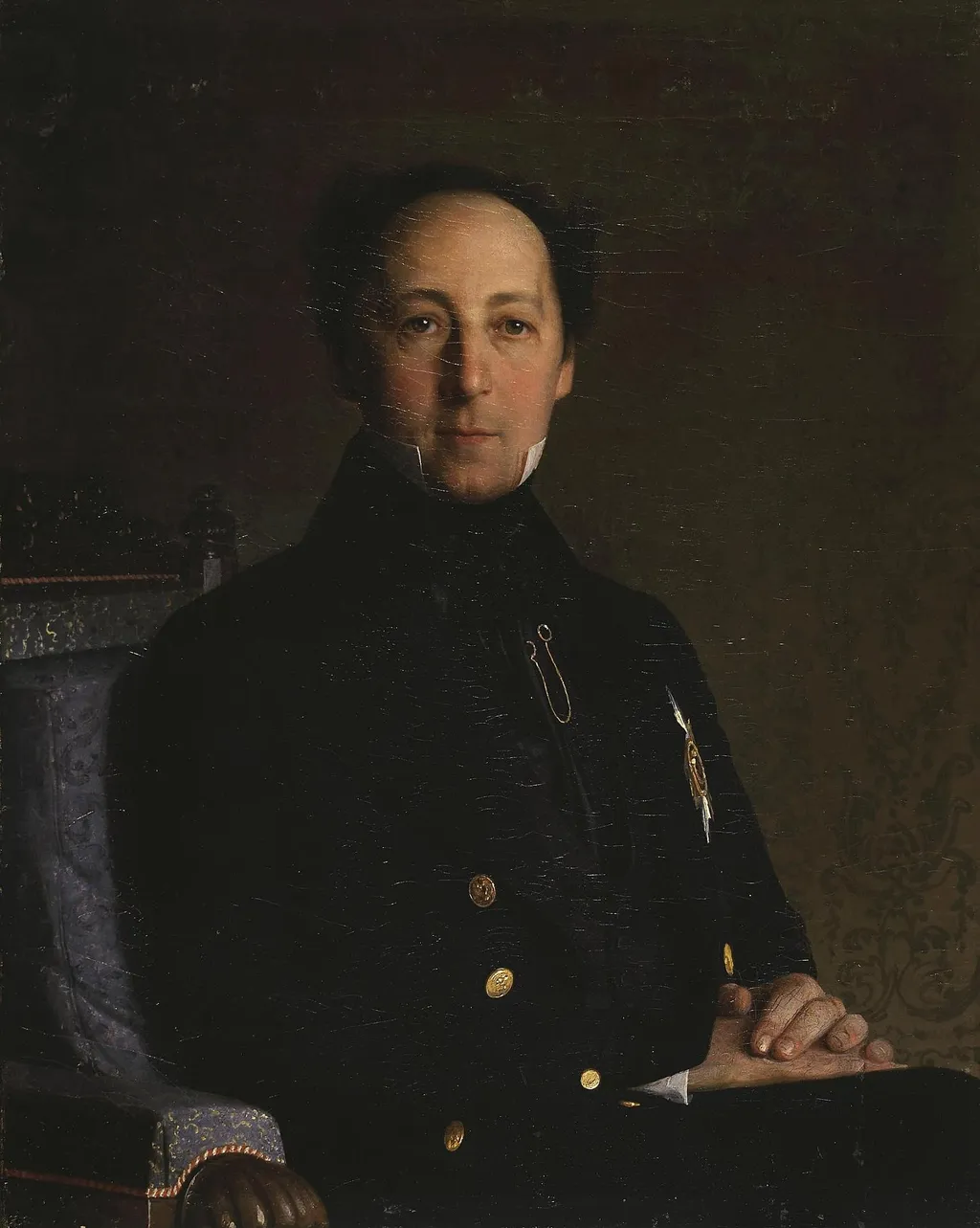
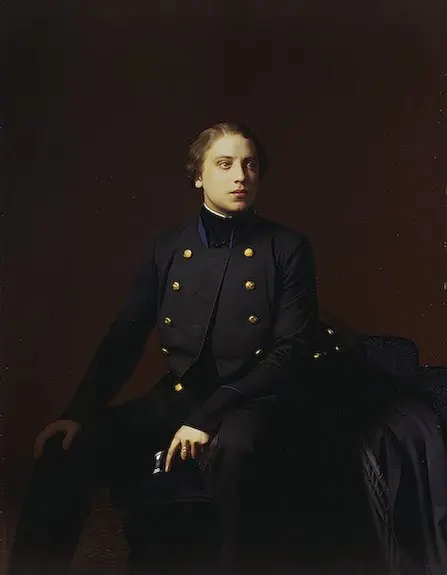
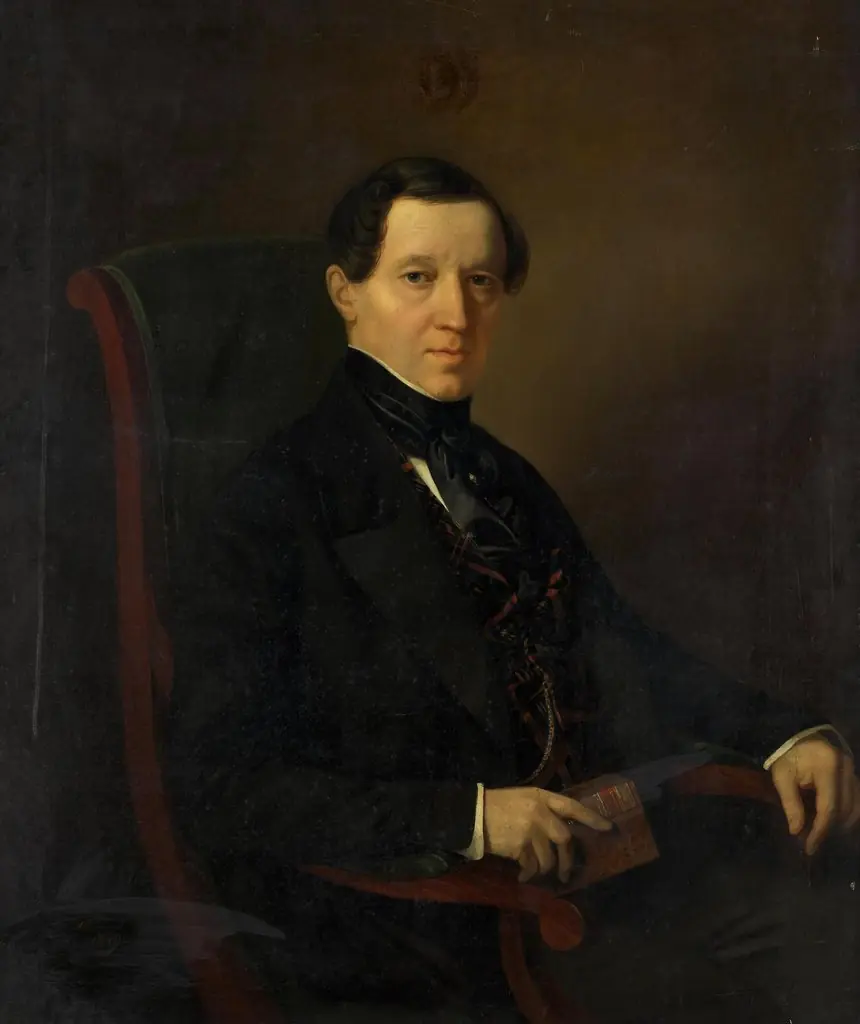
Fyodor Pryanishnikov is an oil painting by Sergey Zaryanko. It dates from 1844 and is held in the collection of the Hermitage Museum.
About this work
Overview
The work is part of the State Hermitage Museum’s collection and exemplifies Zaryanko’s focus on psychological depth in portraiture.
Painted in 1844 by Sergey Zaryanko, this oil portrait depicts Fyodor Pryanishnikov, a Russian statesman and public figure. The work is part of the State Hermitage Museum’s collection and exemplifies Zaryanko’s focus on psychological depth in portraiture. His training as an art educator informed his precise, restrained approach to capturing individual character through subtle visual cues rather than ornamental detail.
Subject & Meaning
Fyodor Pryanishnikov is portrayed with solemn composure, reflecting his public role as a government official. His bald head, short beard, and plain attire suggest modesty and gravitas, aligning with 19th-century Russian ideals of civic duty. The absence of symbols or elaborate surroundings emphasizes his identity as a man of substance rather than status, inviting contemplation of his inner presence over external display.
Technique & Style
Zaryanko employs chiaroscuro to isolate the subject’s face against a near-black background, using controlled light to model the contours of the forehead, cheeks, and beard. The dark coat and chair recede into shadow, while the white collar and skin catch the light with quiet precision. This contrast directs focus to the subject’s expression, reinforcing the portrait’s introspective tone through minimalism and tonal discipline.
History & Provenance
The painting entered the State Hermitage Museum’s collection shortly after its completion, likely through official channels given Pryanishnikov’s public position. Zaryanko, active in Saint Petersburg’s artistic circles, frequently painted state figures, and this work was likely commissioned or acquired as part of a broader effort to document Russia’s administrative elite during the Nicholas I era.
Context
In mid-19th-century Russia, portraiture served both personal and political functions. Artists like Zaryanko were expected to convey dignity and moral authority in their subjects. This portrait reflects a shift away from aristocratic grandeur toward a more restrained, introspective style that valued character over ornament, mirroring broader cultural trends in Russian intellectual life at the time.
Legacy
Zaryanko’s portrait of Pryanishnikov remains a representative example of Russian academic portraiture, noted for its psychological clarity and technical restraint. While not widely exhibited outside the Hermitage, it continues to inform studies of 19th-century Russian visual culture, particularly in how artists balanced realism with the expectations of civic representation.
Own this work as a print
Artist & collection
Artist
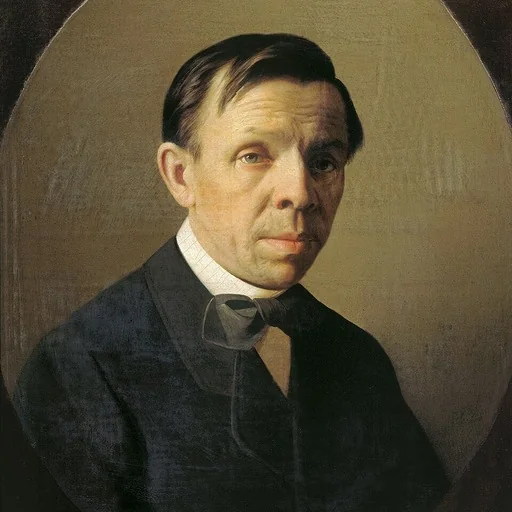
Sergey Konstantinovich Zaryanko (Russian: Сергей Константинович Зарянко; 6 October 1818, Lyady – 1 January 1870, Moscow) was a Russian portrait painter and art teacher of Belarusian ancestry.

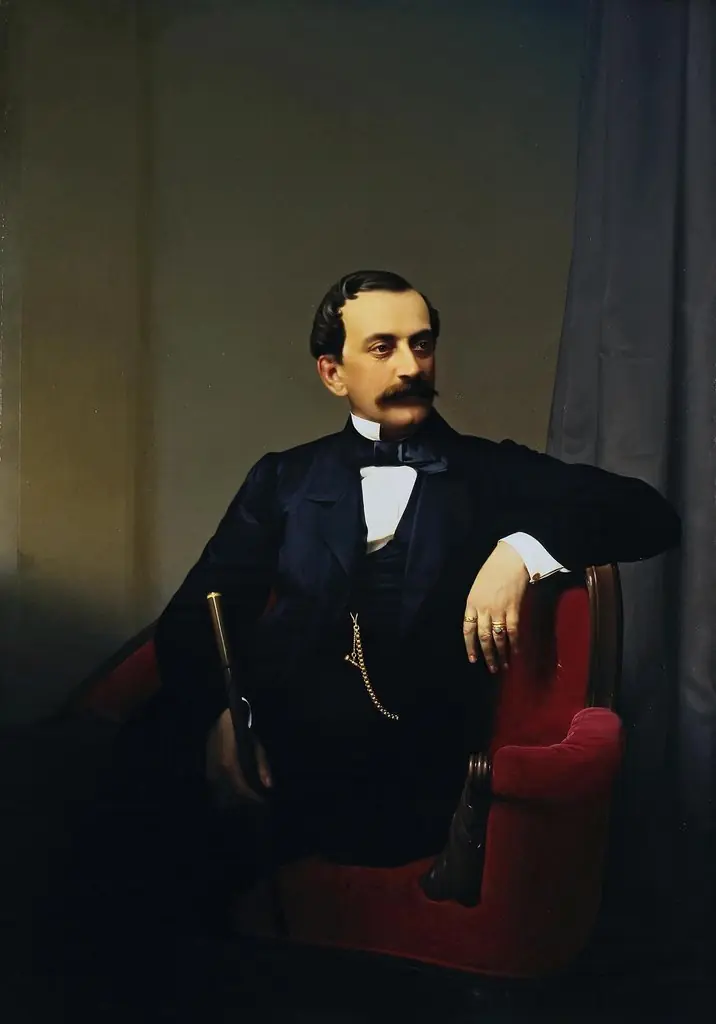
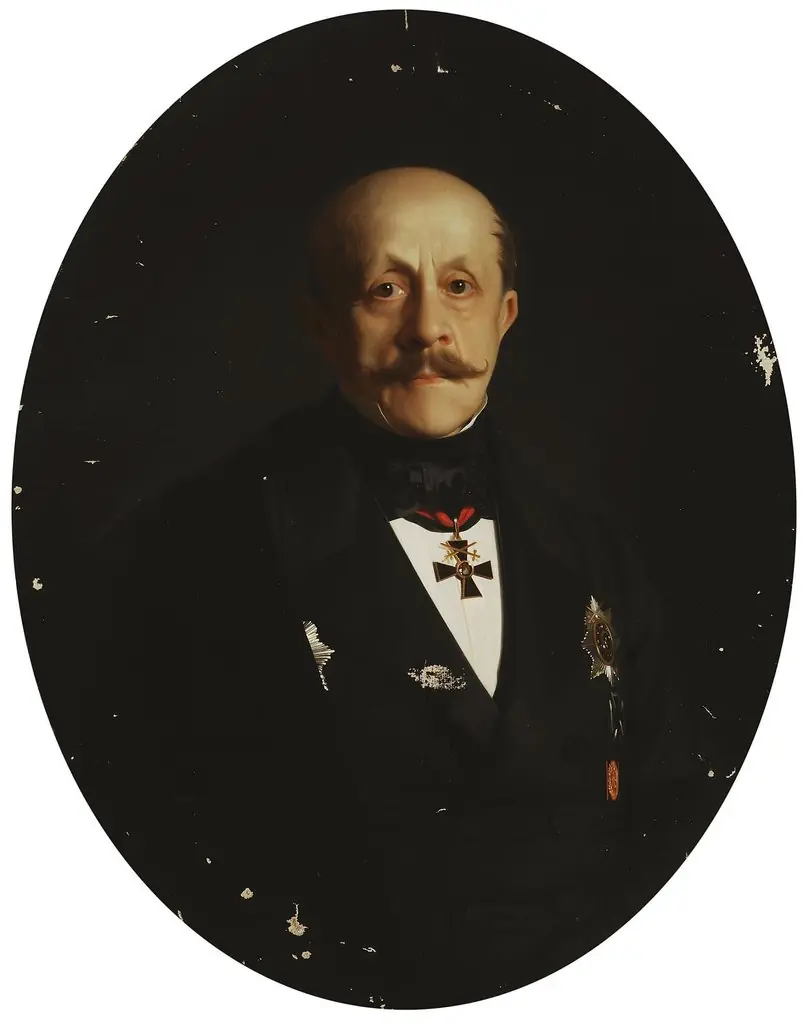
 Portrait of Piotr N. Kobylinsky (1785-1850)
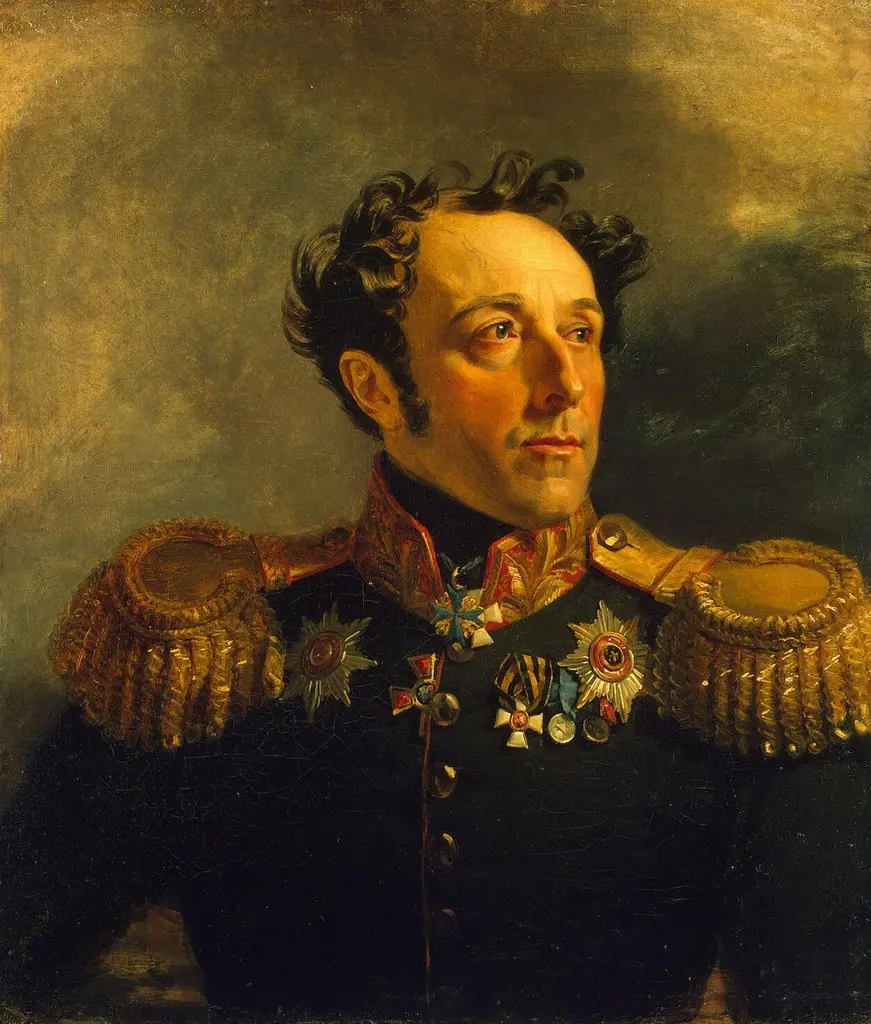 Portrait of Boris Ya. Knyazhnin (1777-1854) (2nd)
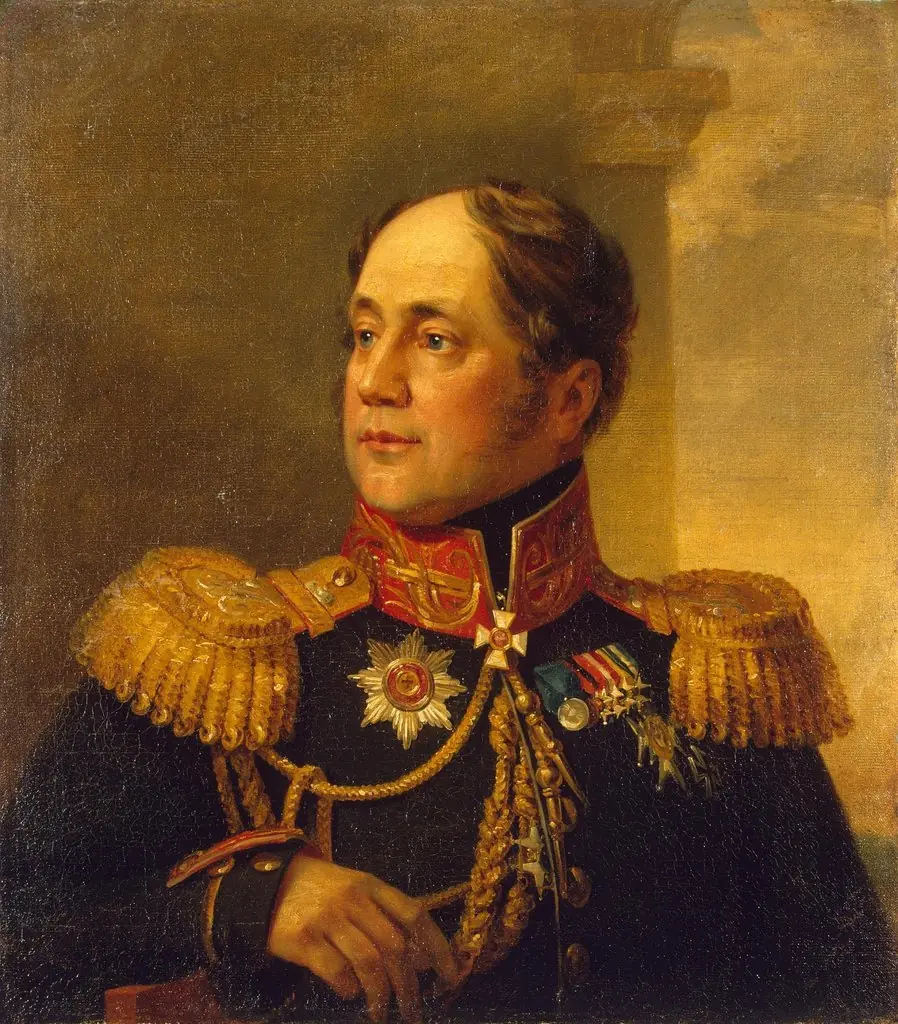 Portrait of Nikolai M. Sipyagin (1785-1828)
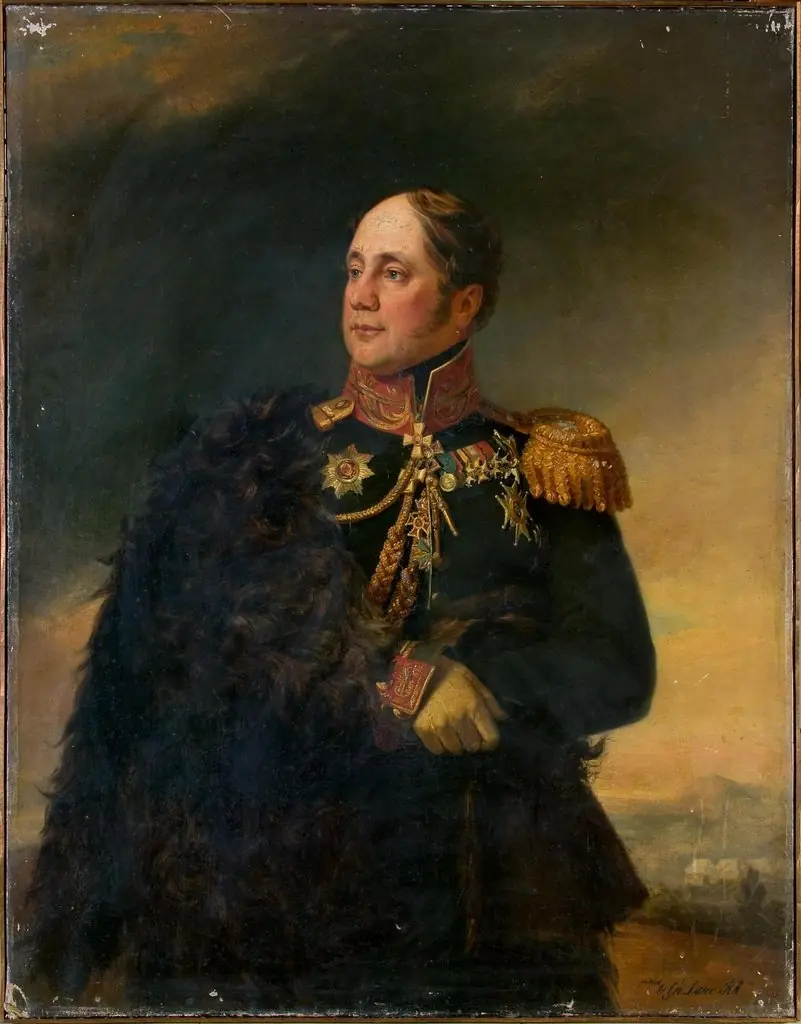 Portrait of Nikolai Sipyagin (1785-1828)
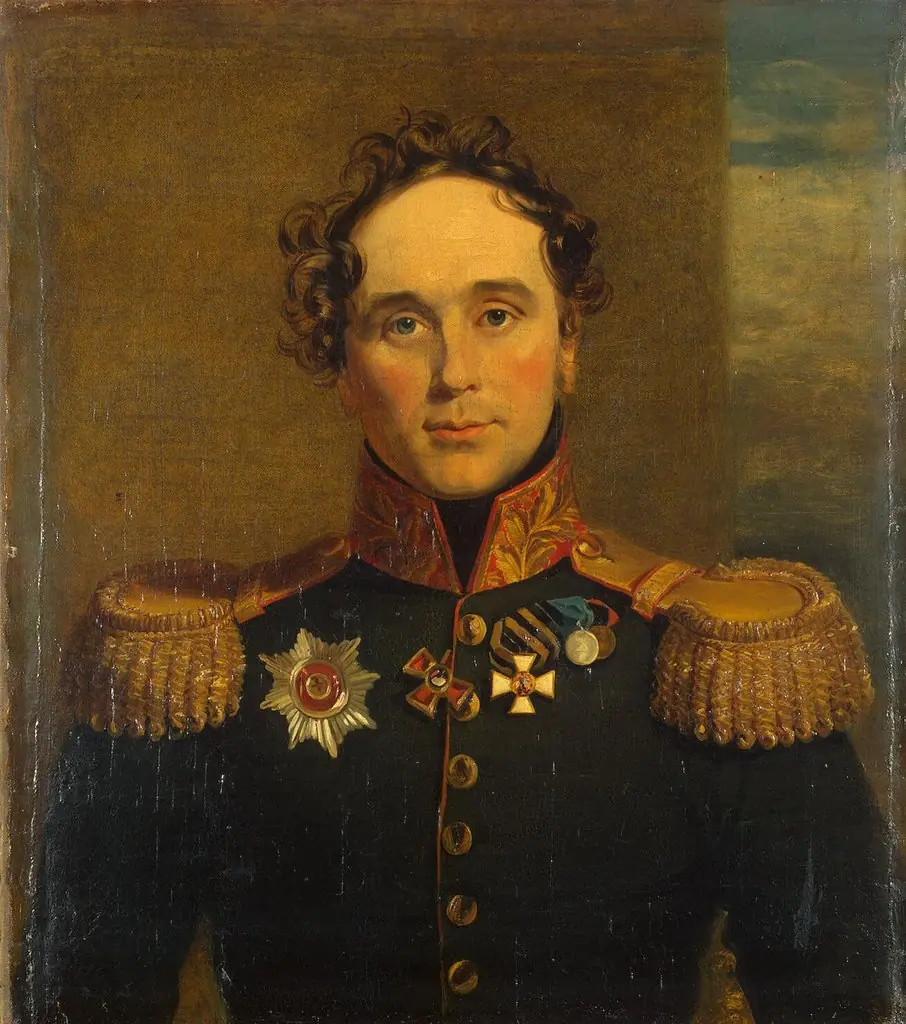 Portrait of Fyodor V. Driesen (1781-1851)
 Sir David Davies (1792-1865)
 Portrait of Vasily S. Trubetskoy (1776-1841)
 Portrait of general Tadeusz Tyszkiewicz (1774–1852)
 Portrait of Robert Ye. Renny (1767-1832)
 Portrait of Nikolai A. Chicherin (1771/73-1837) (1st)
 Portrait of Alexey S. Kologrivov (1776-1818)
 Portrait of Fyodor K. Korff (1773/74-1823)