Artwork
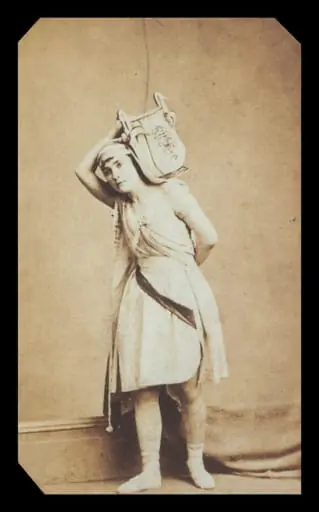
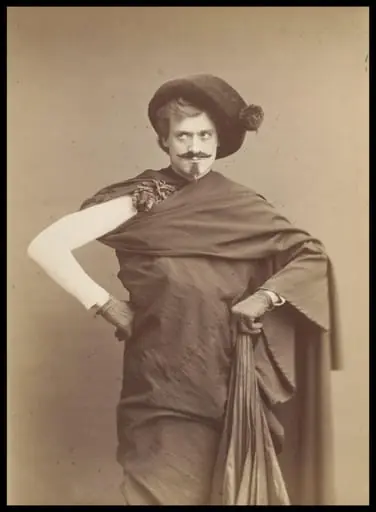
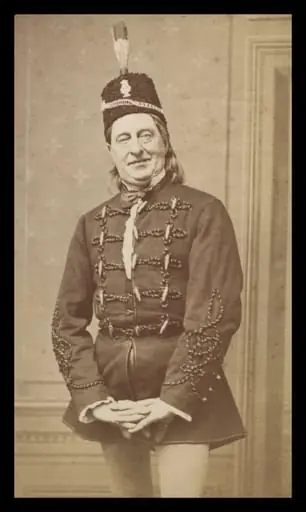
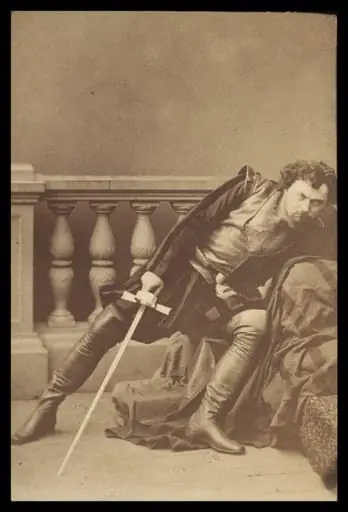
Guy Little Theatrical Photograph
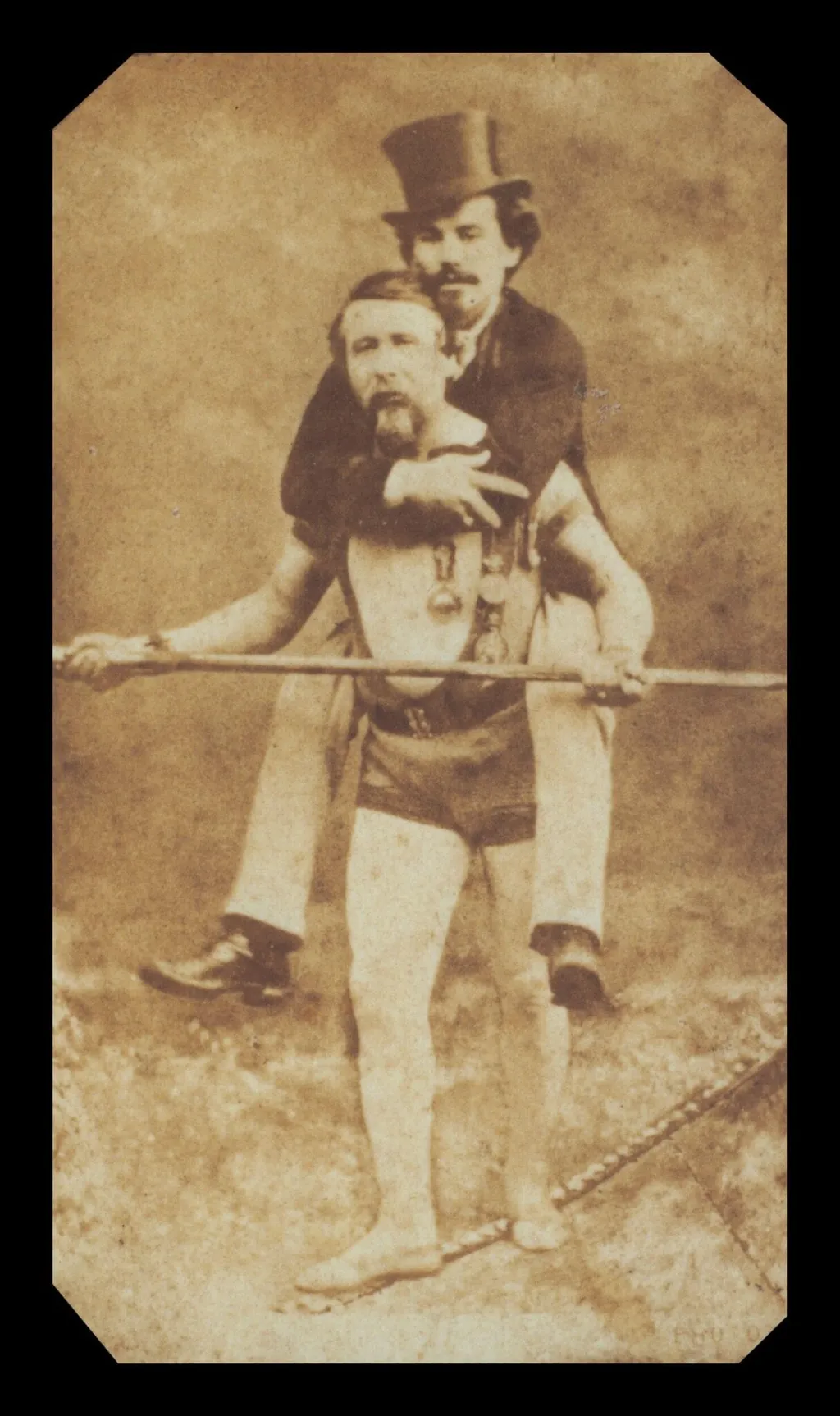
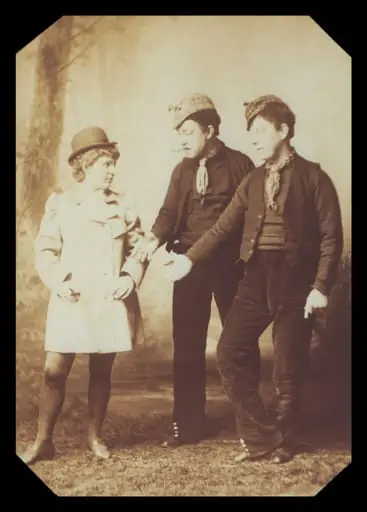
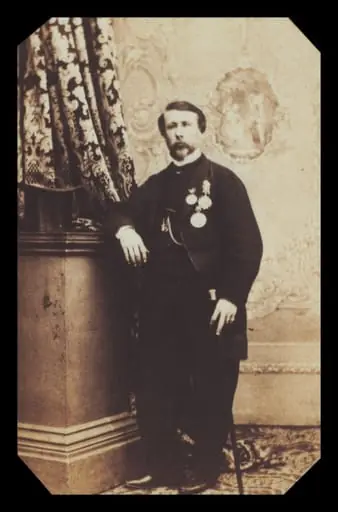
Guy Little Theatrical Photograph is a photographic photography by Sharp. It dates from 1850 and is held in the collection of the Victoria and Albert Museum.
About this work
Overview
Made in the late 19th century, it is a small albumen print on card, typical of the carte de visite format.
This photograph, part of Guy Tristram Little’s personal collection, captures Charles Blondin performing one of his signature tightrope stunts: carrying a man on his back across a high wire. Made in the late 19th century, it is a small albumen print on card, typical of the carte de visite format. The image was removed from its original mounting and preserved in an album compiled by Little, a legal professional and avid collector of theatrical memorabilia.
Subject & Meaning
Charles Blondin, a celebrated acrobat known for crossing Niagara Falls on a tightrope, was a symbol of daring and physical mastery in the Victorian era. This image documents a real public performance, not a staged studio portrait. By depicting him bearing a companion, the photograph emphasizes both his strength and the theatricality of his act, transforming a physical feat into a spectacle for public admiration and photographic record.
Technique & Style
The photograph is an albumen print, a common 19th-century process using egg-white to bind light-sensitive chemicals to paper, mounted on stiff card. Its small size—roughly 2.5 by 4 inches—aligns with the carte de visite format popular from the 1860s. The image is sharply focused, capturing fine detail in Blondin’s posture and the tautness of the rope, reflecting the technical precision possible with glass negatives despite the limitations of early photography.
History & Provenance
The photograph was collected by Guy Tristram Little, a solicitor and enthusiast of theatrical ephemera, who assembled hundreds of cartes de visite and cabinet cards into bound albums. After his death in 1953, the collection was bequeathed to the Victoria and Albert Museum. Little was also the executor of Gabrielle Enthoven’s estate, whose theatrical holdings formed the core of the V&A’s Theatre Collections, linking this image to a broader institutional legacy.
Context
During the mid-to-late 1800s, cartes de visite became a cultural phenomenon, allowing the public to collect images of celebrities, performers, and landmarks. Blondin’s image, like others of famous figures, was reproduced widely and circulated as both entertainment and evidence of modern achievement. The photograph reflects a society increasingly fascinated by spectacle, celebrity, and the new medium of photography as a tool for preserving fleeting moments.
Legacy
This image survives as part of one of the most significant private collections of theatrical photography in Britain. Its preservation within the V&A’s holdings ensures its role as a historical document of performance culture and photographic practice. It offers insight into how public figures were visually commodified and how early photography helped shape popular memory of 19th-century entertainments.
Artist & collection