Artwork
Mrs. John Bard
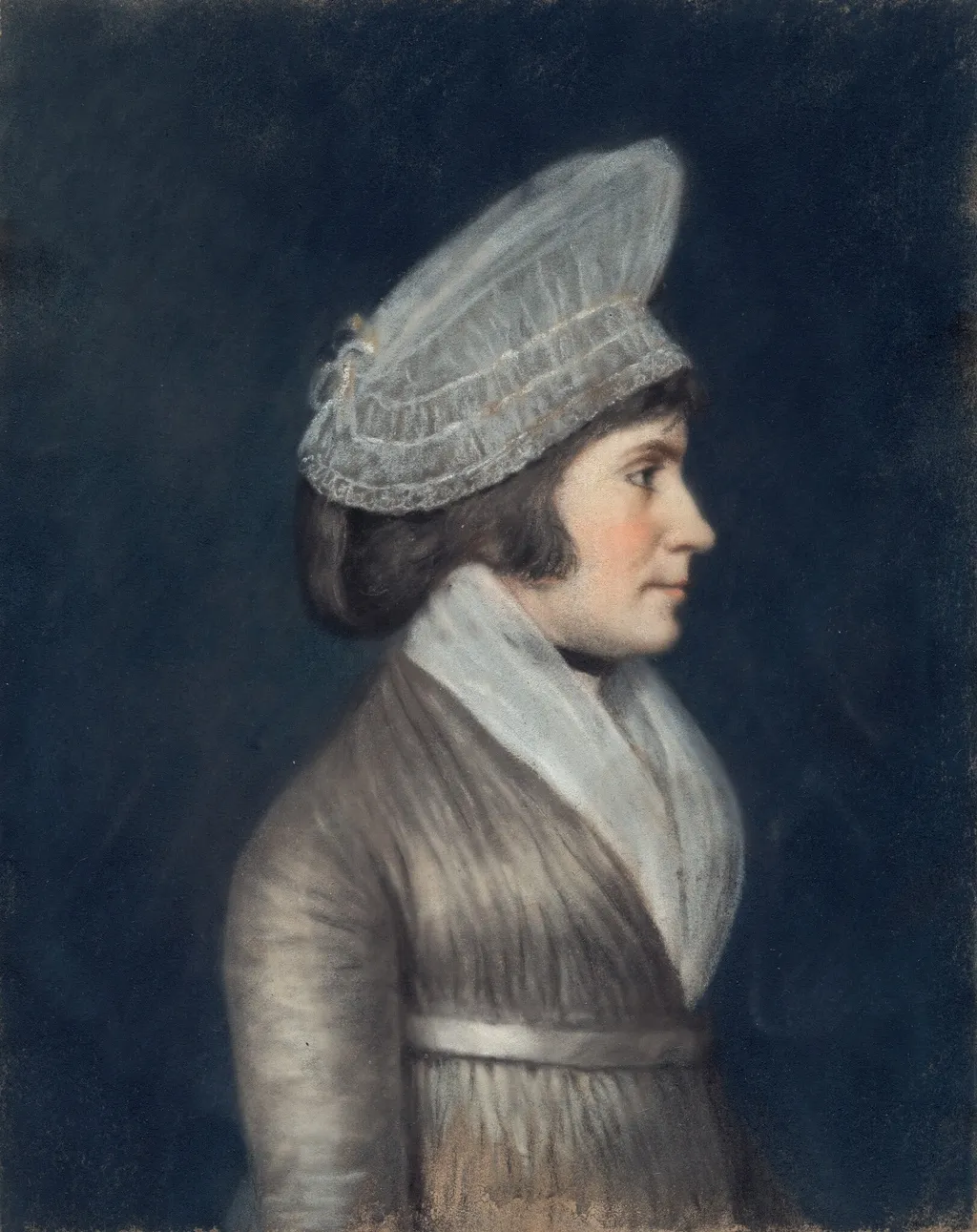
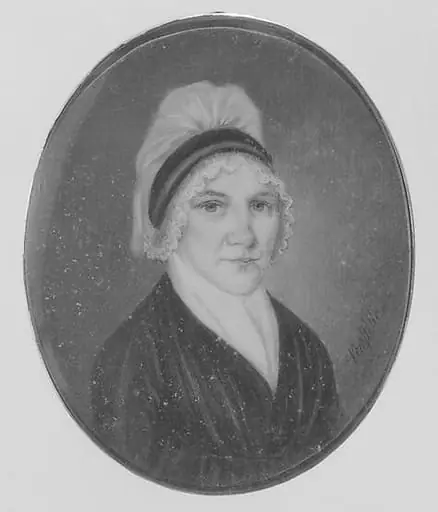
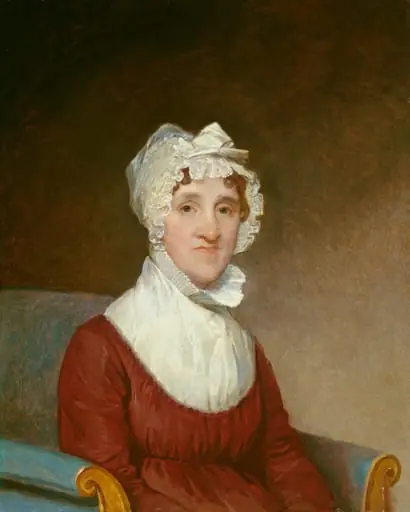
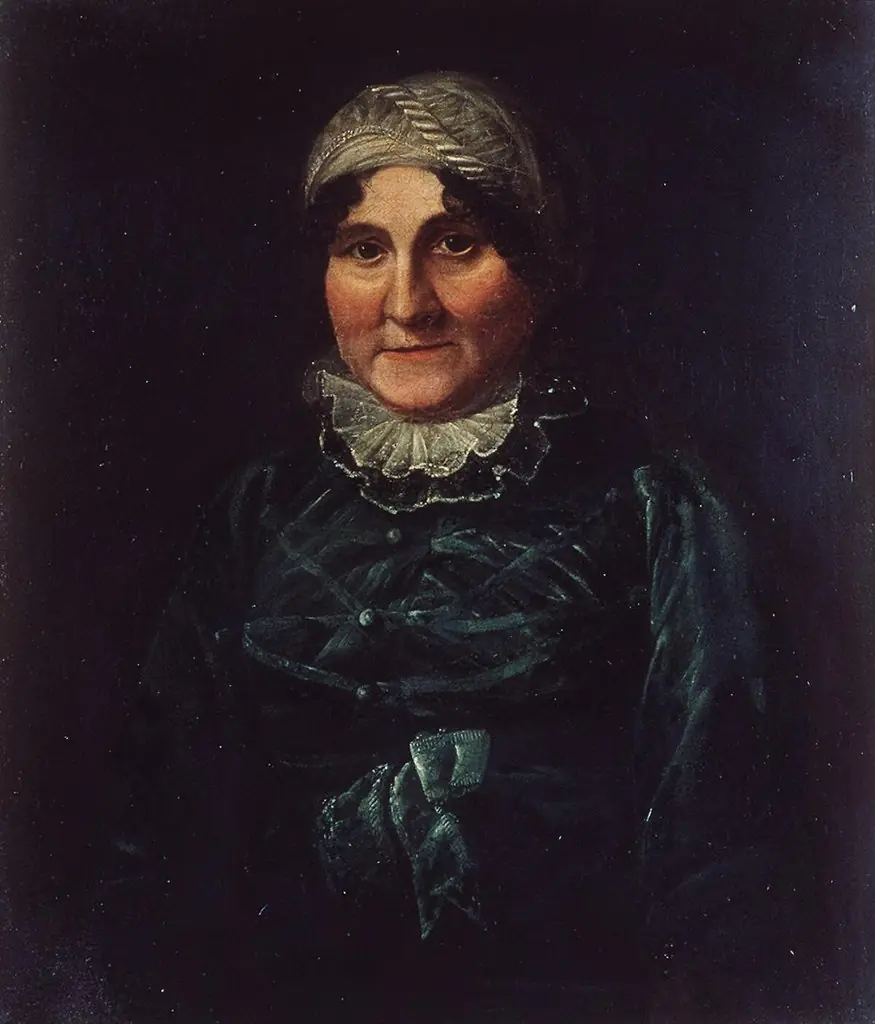
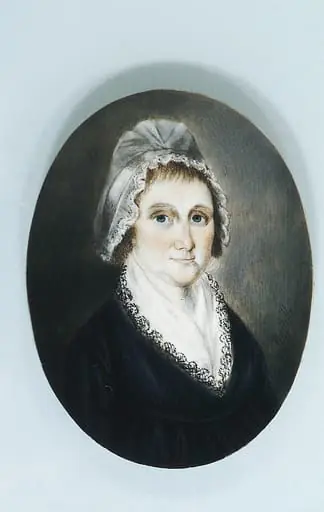
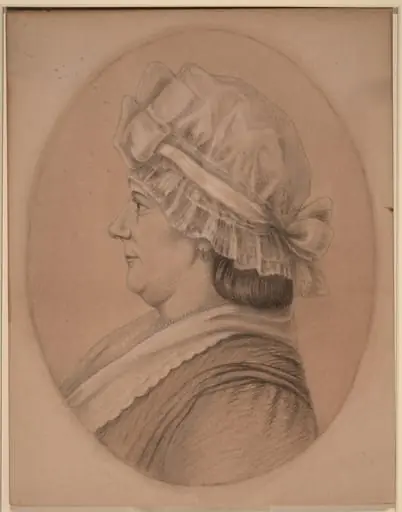
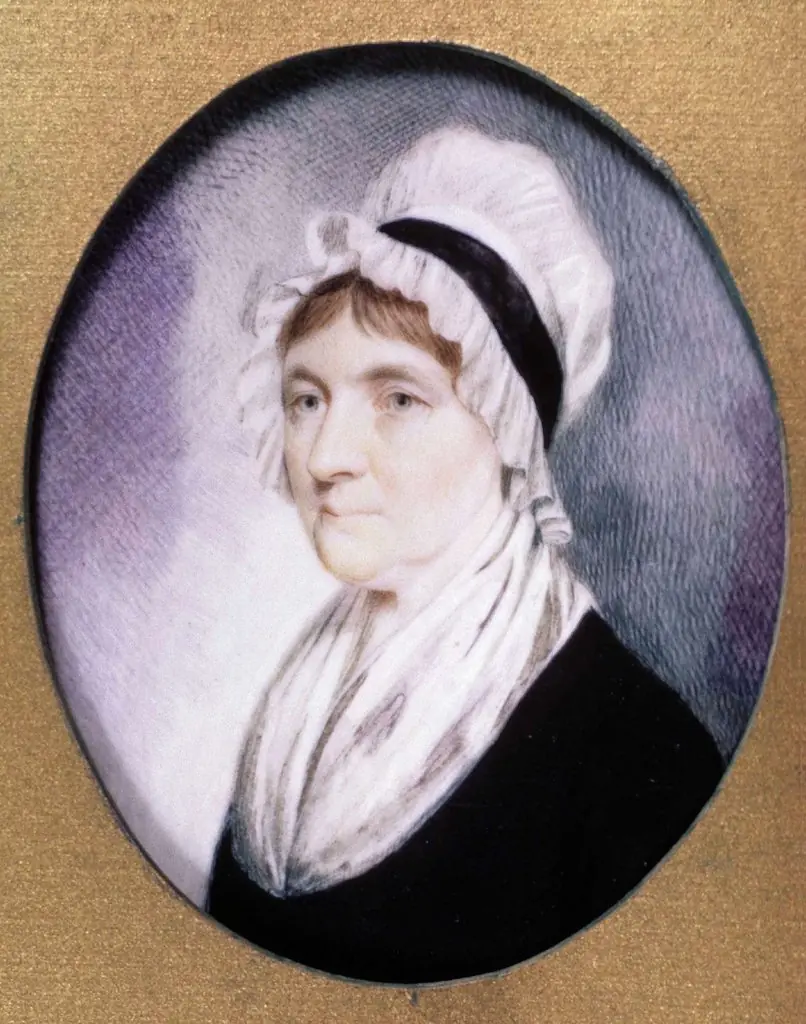
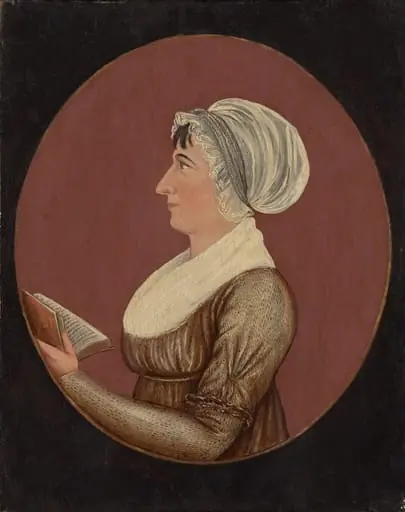
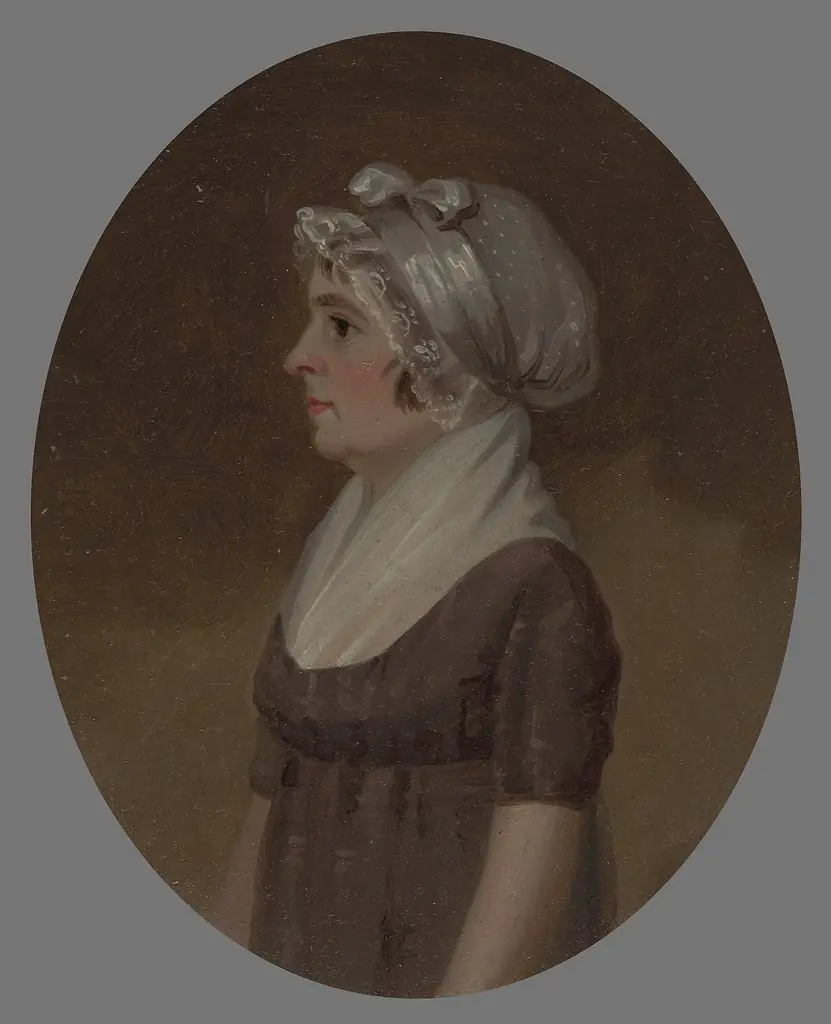
Mrs. John Bard is a pastel drawing by the Romanticist artist Sharples Family. It dates from 1798 and is held in the collection of the National Gallery of Art.
About this work
The artist used a lot of detail to show her face and clothes, which is interesting because it gives us a sense of what people wore back then.
This painting shows a woman sitting in a chair.
She's dressed in old-fashioned clothes.
The artist used a lot of detail to show her face and clothes, which is interesting because it gives us a sense of what people wore back then.
The woman in the painting is Mrs. John Bard, and the artist took time to get her likeness just right.
This kind of portrait was common in the 18th century, and it tells us about the people who lived then.
You can learn more about this kind of art by looking into the technique: pastel.
Overview
Created in 1798, this pastel drawing on gray wove paper presents a seated female sitter rendered with careful attention to facial features and attire. The work belongs to the Sharples family workshop, known for producing portraiture in the late eighteenth century. Its modest size and intimate composition reflect the domestic portrait conventions of the period.
Subject & Meaning
The sitter is identified as Mrs. John Bard, a woman of the American colonial elite. Dressed in period costume with a modest neckline, a high-waisted bodice, and a simple shawl, she embodies the ideals of modesty and refinement expected of genteel women. The portrait functions both as a personal likeness and as a visual record of contemporary dress and social status.
Technique & Style
Executed in soft pastel pigments applied to a gray-woven paper support, the drawing demonstrates the medium’s capacity for delicate tonal modeling. The artist layered pastel to achieve subtle flesh tones and the texture of fabric, while preserving fine line work for the facial expression. The muted background allows the sitter to remain the focal point, a typical approach in late‑eighteenth‑century portraiture.
History & Provenance
The piece originates from the Sharples family studio, a prominent portraitist operation active in Philadelphia and Baltimore during the 1790s. It likely entered the Bard family collection shortly after its completion and remained in private hands for generations before being acquired by the museum. Documentation ties the work to the Bard household through estate inventories and correspondence from the early nineteenth century.
Artist & collection