Artwork
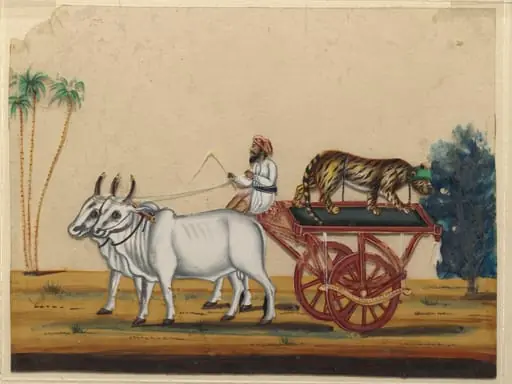
Bullock Cart, Delhi
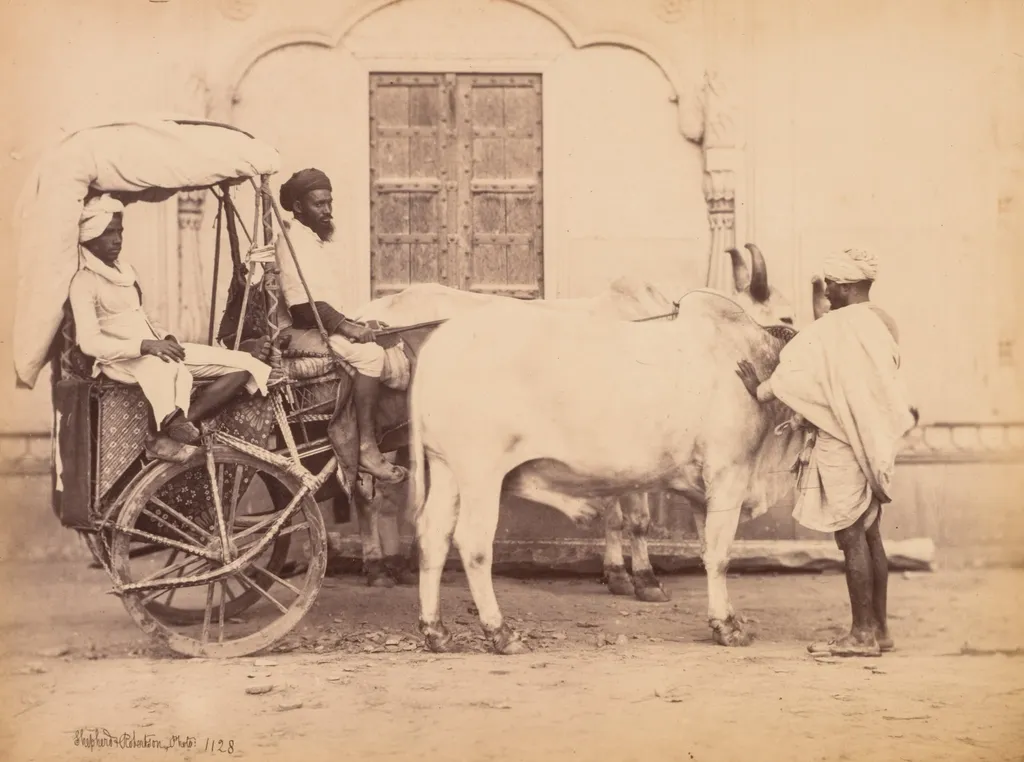
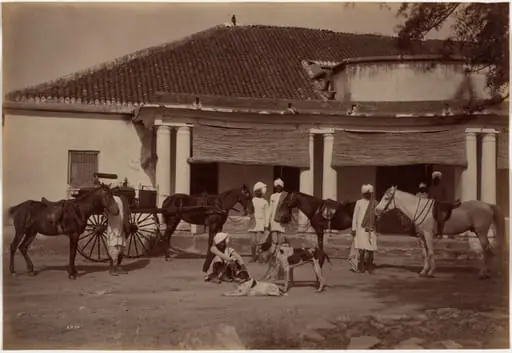
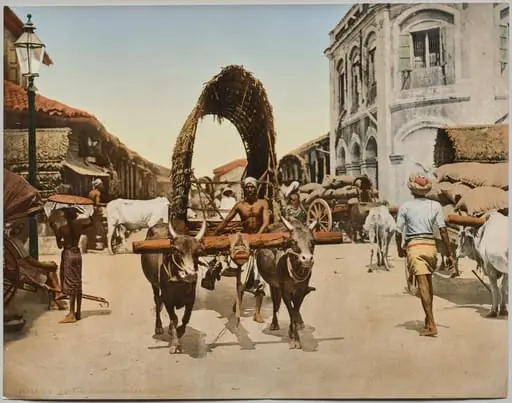
Bullock Cart, Delhi is a photography by the Impressionist artist Shepherd & Robertson. It dates from 1863 and is held in the collection of the Cleveland Museum of Art. The photograph captures a bullock‑drawn cart stationed on a dusty road, its driver and attendant poised to receive a passenger.
About this work
It's interesting that these photos were made by British colonial photographers, which might have influenced how they portrayed India.
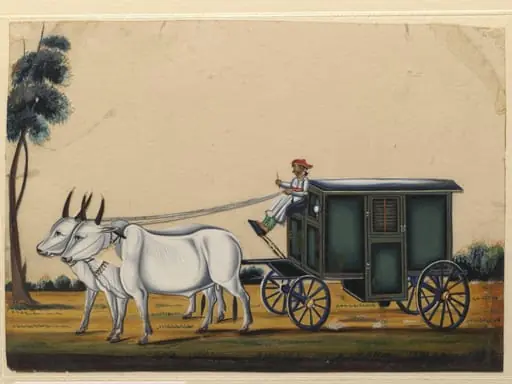
You see a bullock cart with a driver and staff waiting for a passenger.
This painting shows a common scene in 19th century India. The photographers created this image for European audiences, giving them a glimpse of local life and customs. It's interesting that these photos were made by British colonial photographers, which might have influenced how they portrayed India.
The scene is simple, yet it tells us about daily life in India. Check out the work at The Cleveland Museum of Art.
Overview
The photograph captures a bullock‑drawn cart stationed on a dusty road, its driver and attendant poised to receive a passenger. The scene reflects a mode of transport that, while historically dominant across the Indian subcontinent, continues to appear in many rural locales. The image offers a straightforward glimpse into everyday movement and labor in 19th‑century India.
Subject & Meaning
At the centre of the composition are the cart’s two human figures: a driver handling the reins and a staff member ready to assist. Their stillness suggests a moment of anticipation, emphasizing the reliance on animal power for travel and commerce. The work subtly records the social roles tied to this transport system, highlighting the interdependence of people, animals, and the landscape.
Technique & Style
Taken by a British colonial photographer, the image employs the clear, documentary aesthetic typical of late‑1800s photographic practice. The framing is direct, with minimal background distraction, allowing the cart and its occupants to dominate the visual field. The monochrome tonality accentuates texture—rough wood, coarse cloth, and the sheen of the oxen’s hide—conveying a sense of immediacy.
History & Provenance
Created for a European market, the photograph was part of a series intended to inform Western audiences about Indian customs and daily life under colonial rule. It entered the collection of the Cleveland Museum of Art, where it remains a reference point for scholars studying visual representations of colonial India and the persistence of traditional transport methods.
Artist & collection