Artwork
Secundra Near Agra. The Mausoleum of the Emperor Akbar
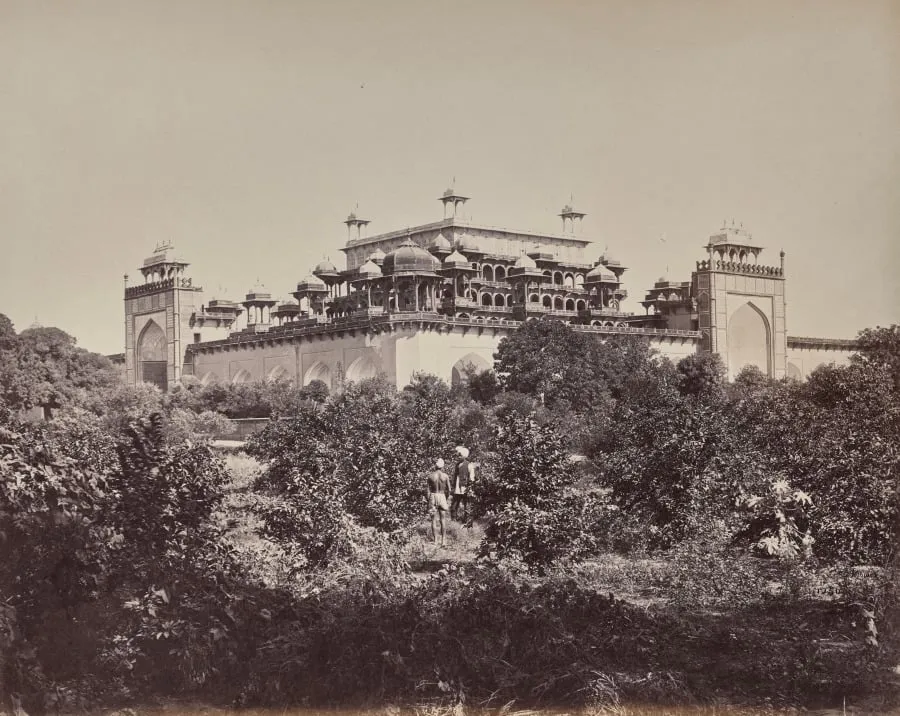
Secundra Near Agra. The Mausoleum of the Emperor Akbar is a photography by the Impressionist artist Samuel Bourne. It dates from 1866 and is held in the collection of the Cleveland Museum of Art. Secundra Near Agra.
About this work
Overview
Secundra Near Agra. The Mausoleum of the Emperor Akbar is a 19th-century photograph capturing the pre-restoration state of Akbar's tomb, situated near Agra, India. Taken in the 1860s, it forms part of an album documenting architectural landmarks across northern India.
Subject & Meaning
The subject is the mausoleum of Mughal Emperor Akbar, depicted in a serene, natural setting with trees partially obscuring the structure. The image provides a historical snapshot of the monument before 20th-century interventions.
Technique & Style
The photograph, part of a series by Bourne, showcases meticulous architectural study. The slanting sunlight highlights the architectural details of the tomb's arches, demonstrating Bourne's compositional eye.
History & Provenance
Captured in the 1860s by photographer Bourne, who undertook extensive travels in India with cumbersome photography equipment. The image is now part of a collection at The Cleveland Museum of Art, as one of fifty images in the album.
Context
This photograph is contextualized within a broader album project that chronicles key Indian monuments from the Himalayas to Calcutta, including the Taj Mahal and Delhi's imperial mosque, all predating modern restorations.
Legacy
The photograph serves as a valuable historical record, offering a rare glimpse into the original state of Akbar's mausoleum. It contributes significantly to the archival understanding of Mughal architectural heritage in its unaltered form.
Artist & collection

Artist
Samuel Bourne was a British photographer known for his prolific seven years' work in India, from 1863 to 1870.

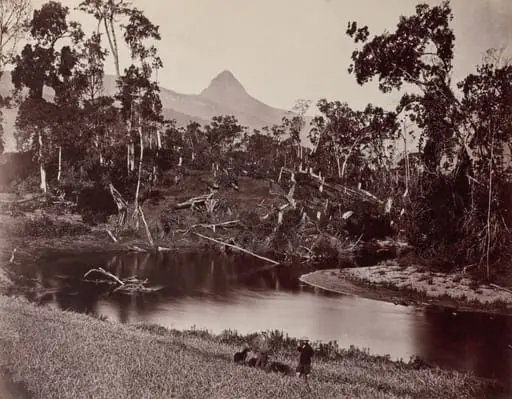 Ceylon Views to Adam's Tooth
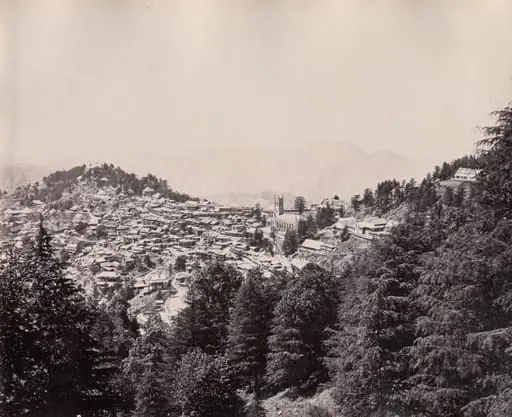 Shimla
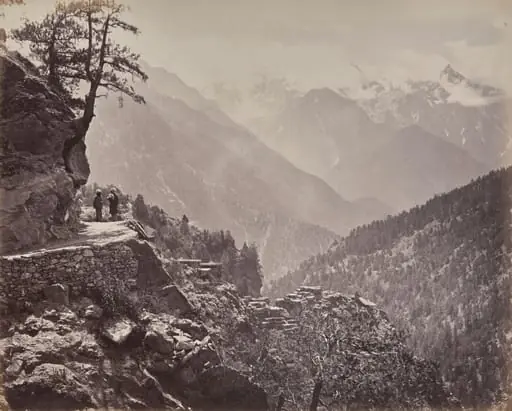 The Upper Himmalayahs. View on the New Road between India and China. Mt. Pangi with the Snowy Peaks of China in the Distance
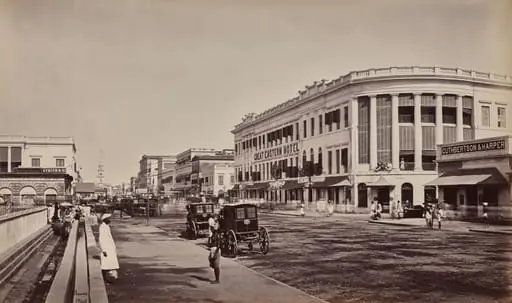 Calcutta. Old Court House Street
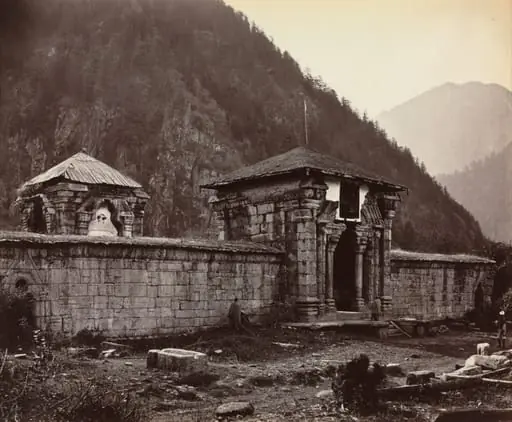 Temple at Naveshera, Kashmir, India
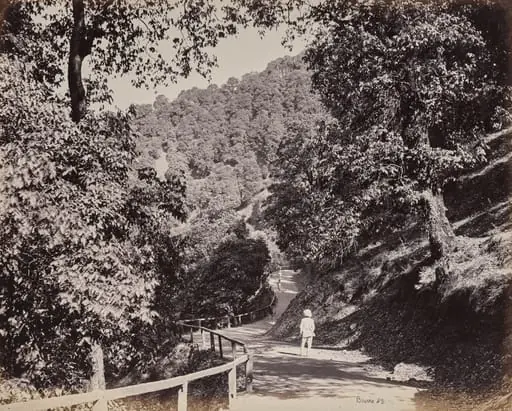 Shimla. The Mall near Rabq Lodge
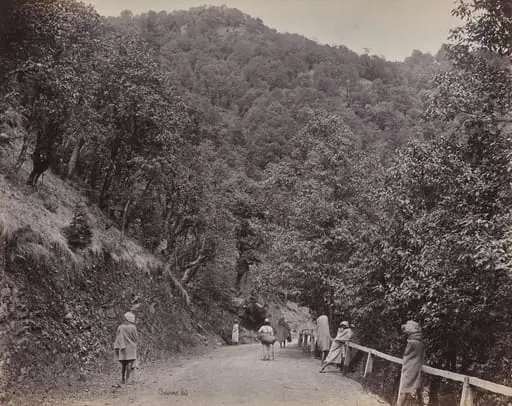 Shimla. The Mall or Principal
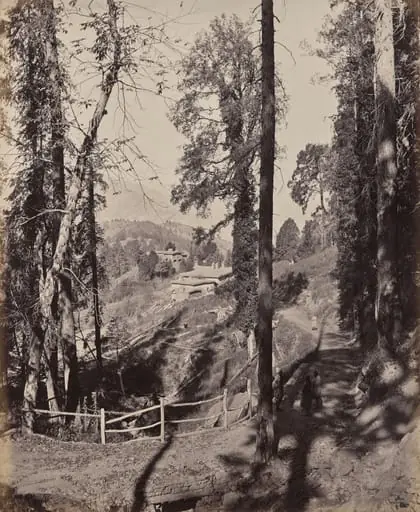 Murree. A Hill Station in the Himmalayahs, View Through the Forest
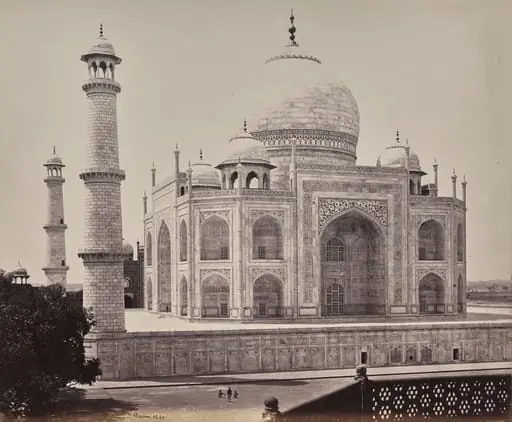 Agra. View of the Taj from a Corner in the Quadrangle
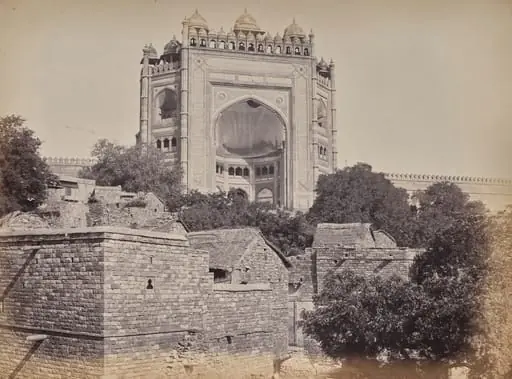 Futheypoor Sikre Guard Gate of the Fort
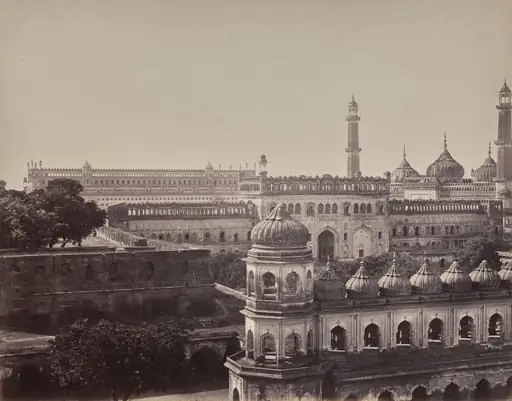 Lucknow. The Great Emambara and Mosque
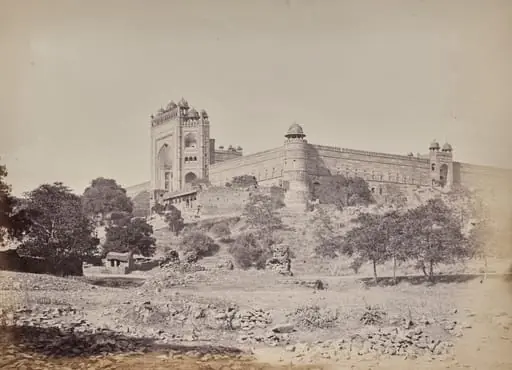 Fort of Futheypoor Sikre near Agra. The Residence of the Emperor Akbar
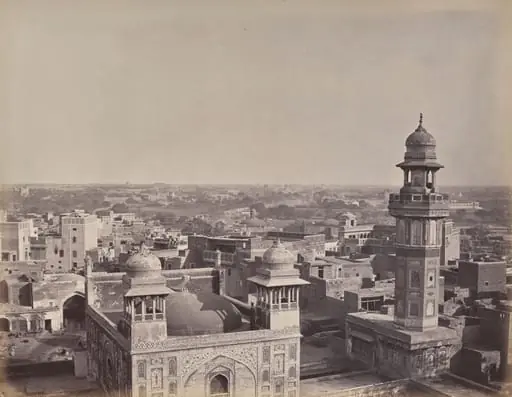 The City of Lahore. Another View Taken from Huzeer Khan's House
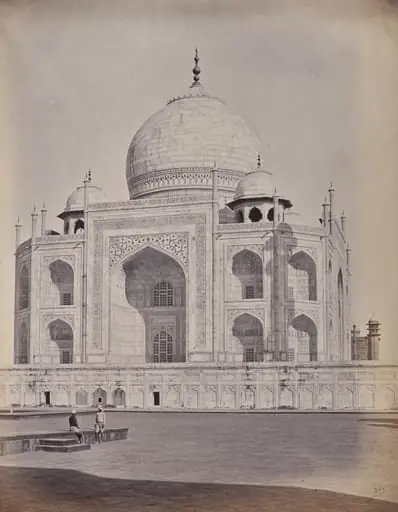 Agra. The Taj, the Central of Principal City
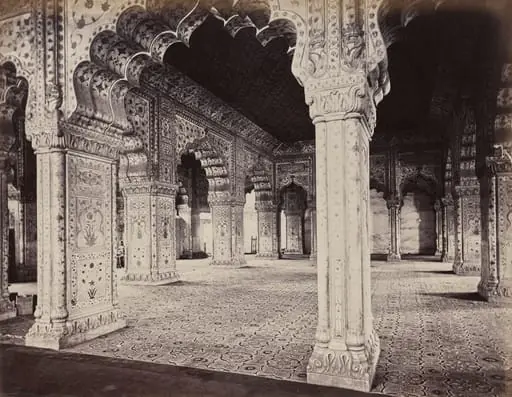 Delhi. The Emperor's Palace. Interior of Dewani in Private Hall
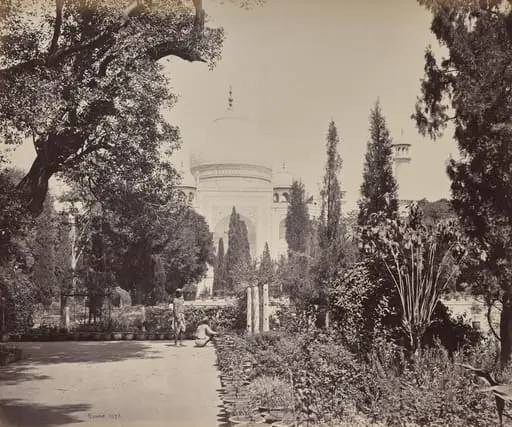 Agra. View of the Taj from the Garden
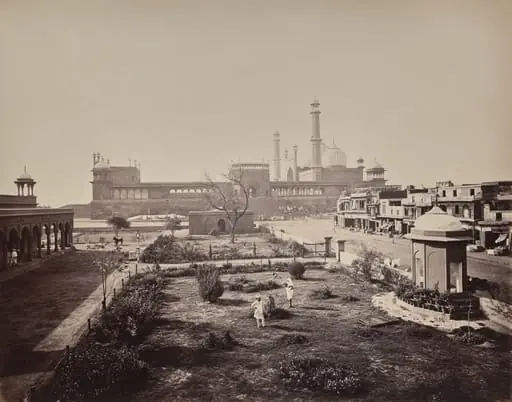 Delhi. View of North Side of the Jamma Musjid in Principal Mabonedau Place of Worship
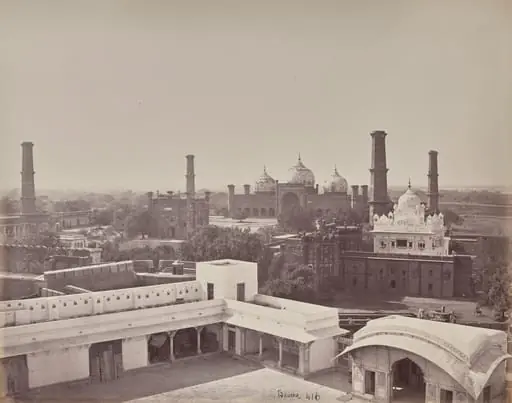 View of the City of Lahore Taken from the Roof of the Palace in the Fort