Artwork
The City of Lahore. Another View Taken from Huzeer Khan's House
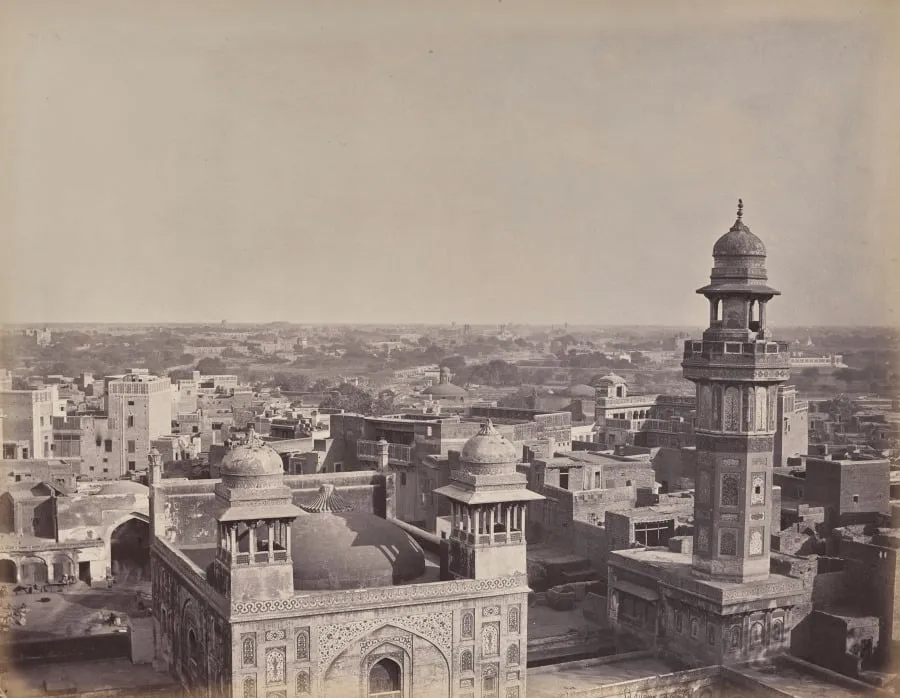
The City of Lahore. Another View Taken from Huzeer Khan's House is a photography by the Impressionist artist Samuel Bourne. It dates from 1866 and is held in the collection of the Cleveland Museum of Art. This photograph, taken in the 1860s, captures a quiet rooftop perspective of Lahore from Huzeer Khan’s residence.
About this work
You see a quiet rooftop view of Lahore: red brick walls, white domes, and a few people in loose cotton clothes going about their day.
You see a quiet rooftop view of Lahore: red brick walls, white domes, and a few people in loose cotton clothes going about their day.
This photo was taken in the 1860s by a British photographer who lugged heavy glass plates across India. The buildings look almost untouched—no modern repairs, just the way they stood when Mughal emperors ruled. It’s like a time machine to a city most Europeans had never seen.
If you like old photos that freeze a moment, look up more work by Samuel Bourne (British, 1834–1912).
Overview
This photograph, taken in the 1860s, captures a quiet rooftop perspective of Lahore from Huzeer Khan’s residence. It is one of fifty images in a series documenting northern Indian cities during British colonial rule. The photographer, Samuel Bourne, transported bulky glass plate negatives across difficult terrain to record urban landscapes before widespread modernization altered their appearance.
Subject & Meaning
The image presents Lahore’s Mughal-era architecture—red brick walls, white domes, and slender minarets—without later interventions. Figures in loose cotton garments move subtly through the scene, suggesting daily life unchanged by colonial presence. The composition avoids grandeur, instead emphasizing quiet continuity, offering a glimpse of the city as it existed in the decades after the decline of Mughal imperial authority.
Technique & Style
Bourne used large-format glass plate negatives, requiring meticulous setup and long exposures. The resulting image displays sharp detail in both architecture and texture, with careful attention to light and shadow. The framing is deliberate but unobtrusive, avoiding dramatic angles in favor of a grounded, observational stance that reflects the photographer’s documentary intent.
History & Provenance
The photograph was made during Bourne’s extended travels across India between 1863 and 1870. It was part of a commercial and ethnographic project to document architectural heritage for British audiences. The album containing this image was later acquired by institutions and private collectors, preserving it as a record of pre-industrial urban India.
Context
In the 1860s, Lahore was under British administration following the annexation of the Punjab in 1849. While colonial officials commissioned surveys and restorations, many Mughal structures remained in their original state. Bourne’s work coincided with growing European interest in India’s architectural past, yet his images often reflect a restrained, almost anthropological gaze rather than imperial spectacle.
Legacy
Bourne’s photographs, including this one, remain among the earliest systematic visual records of South Asian cities. They are now referenced by historians and conservators to understand the condition of monuments before 20th-century interventions. His methodical approach influenced later documentary photography in the region, establishing a precedent for visual archiving over romanticized representation.
Artist & collection

Artist
Samuel Bourne was a British photographer known for his prolific seven years' work in India, from 1863 to 1870.

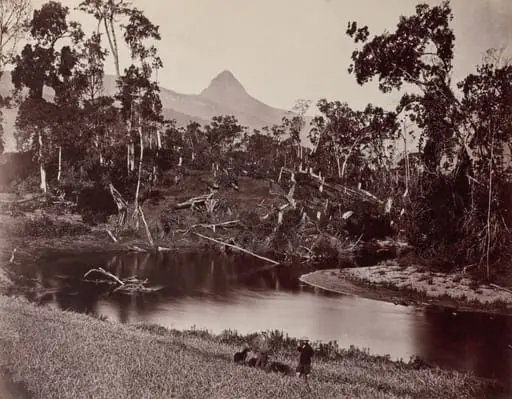 Ceylon Views to Adam's Tooth
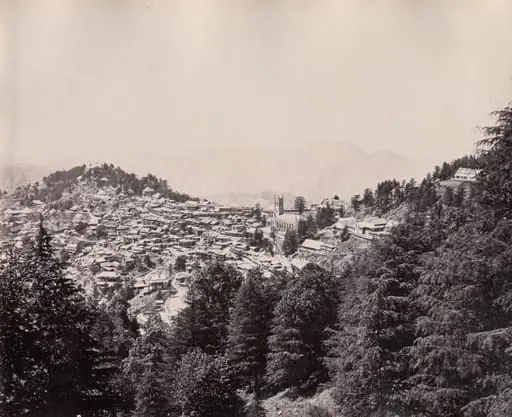 Shimla
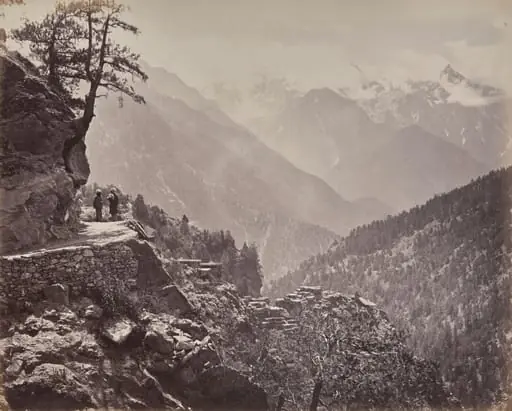 The Upper Himmalayahs. View on the New Road between India and China. Mt. Pangi with the Snowy Peaks of China in the Distance
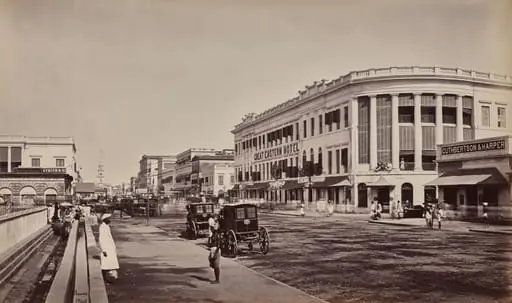 Calcutta. Old Court House Street
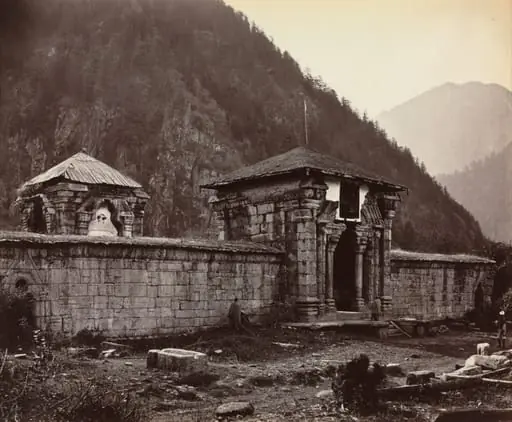 Temple at Naveshera, Kashmir, India
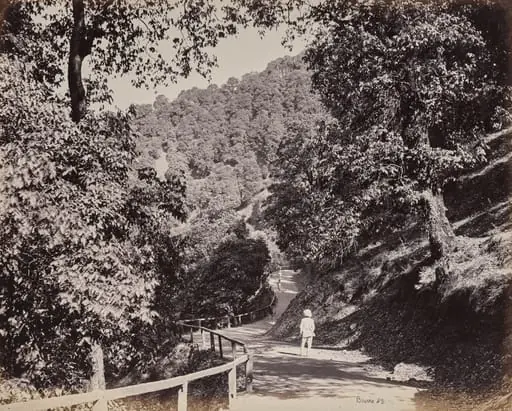 Shimla. The Mall near Rabq Lodge
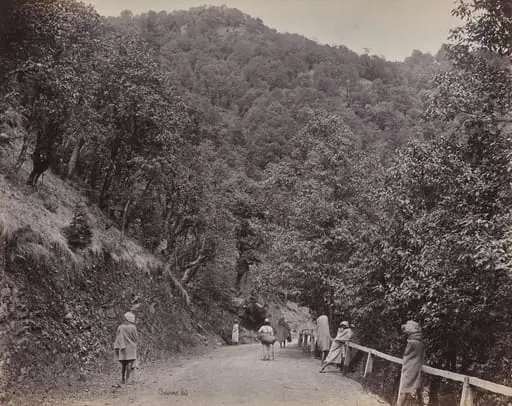 Shimla. The Mall or Principal
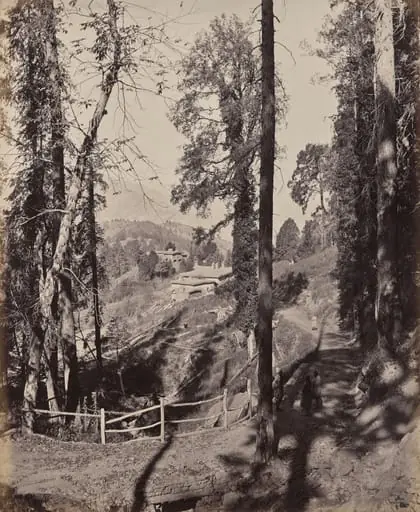 Murree. A Hill Station in the Himmalayahs, View Through the Forest
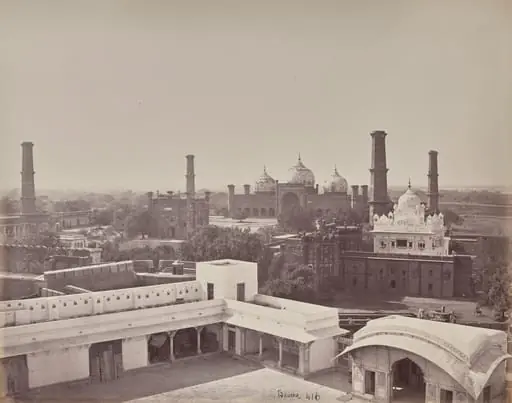 View of the City of Lahore Taken from the Roof of the Palace in the Fort
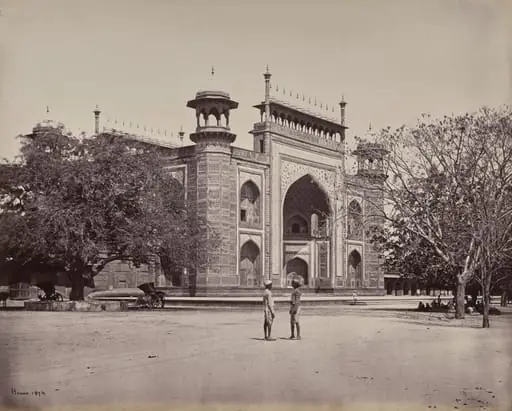 Agra. The Gateway of the Gardens Surrounding the Taj
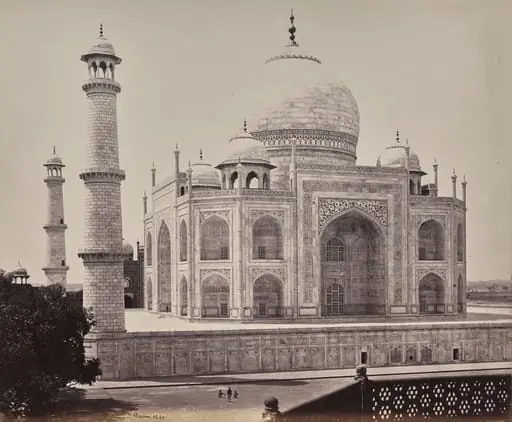 Agra. View of the Taj from a Corner in the Quadrangle
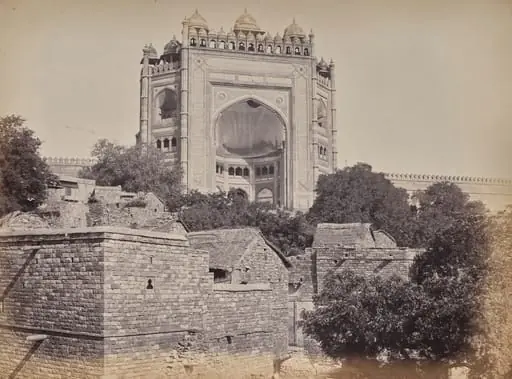 Futheypoor Sikre Guard Gate of the Fort
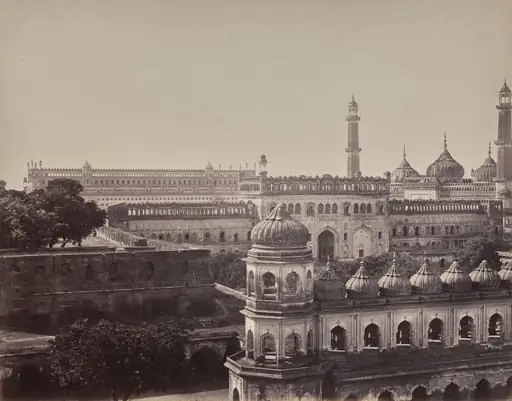 Lucknow. The Great Emambara and Mosque
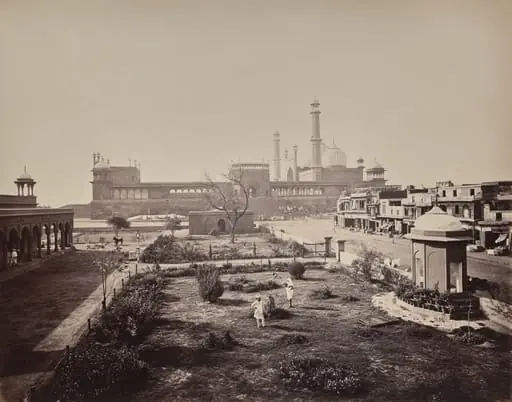 Delhi. View of North Side of the Jamma Musjid in Principal Mabonedau Place of Worship
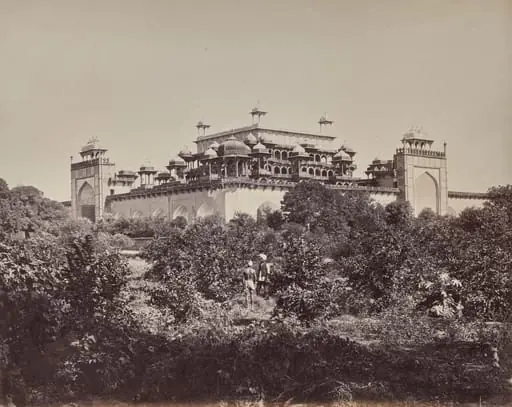 Secundra Near Agra. The Mausoleum of the Emperor Akbar
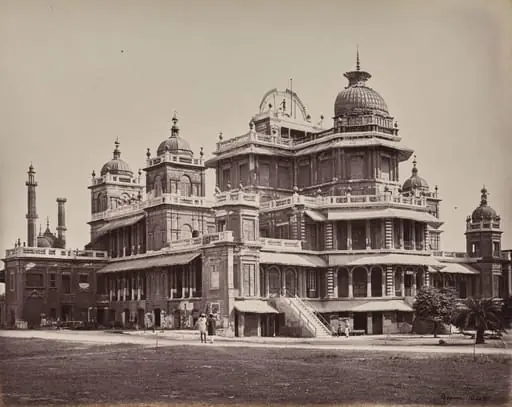 Lucknow. The Kaiser Pass and Southeast View
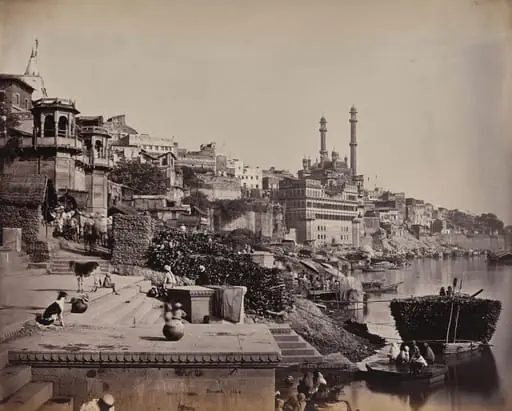 The City of Benares, on the Ganges, View of the Great Mosque of A (?) and Adjoining Landing Places
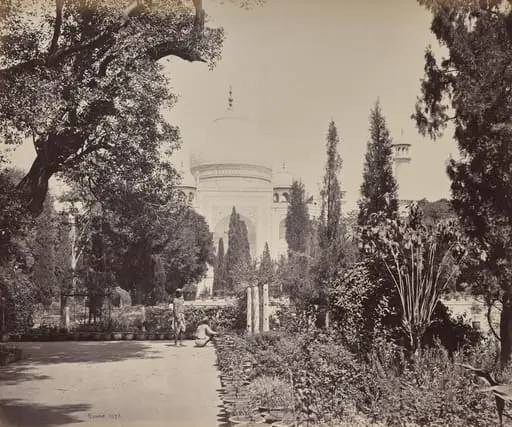 Agra. View of the Taj from the Garden
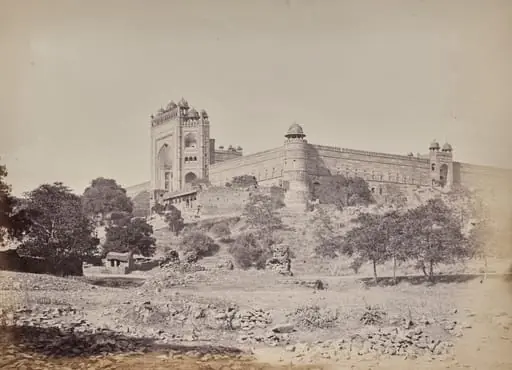 Fort of Futheypoor Sikre near Agra. The Residence of the Emperor Akbar
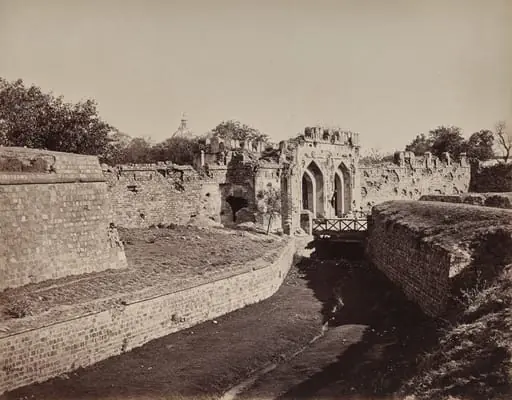 Delhi. The Kashmire Gate. The Scene of Some Very Hard Fighting in 1857