Artwork
Folding Screen for Tea Ceremony with Six Bird-and-Flower Paintings
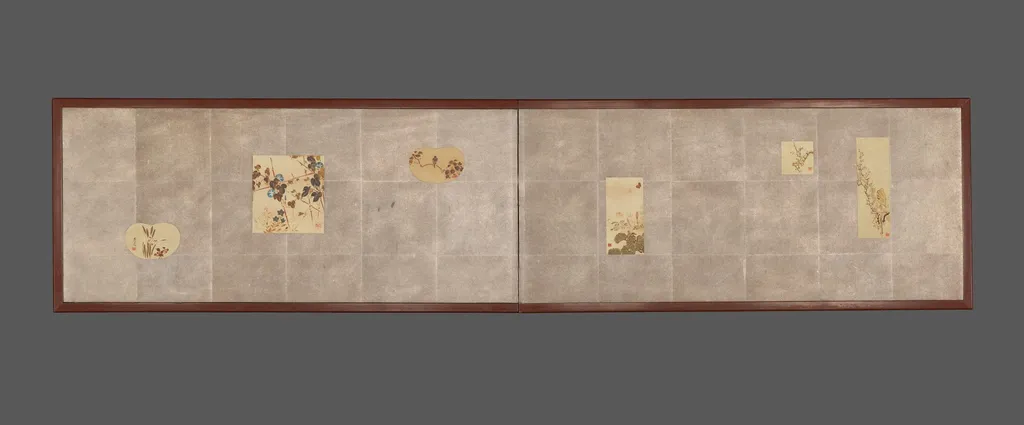
Folding Screen for Tea Ceremony with Six Bird-and-Flower Paintings is an unspecified painting by the Ukiyo-e artist Shibata Zeshin. It is held in the collection of the Metropolitan Museum of Art.
About this work
Overview
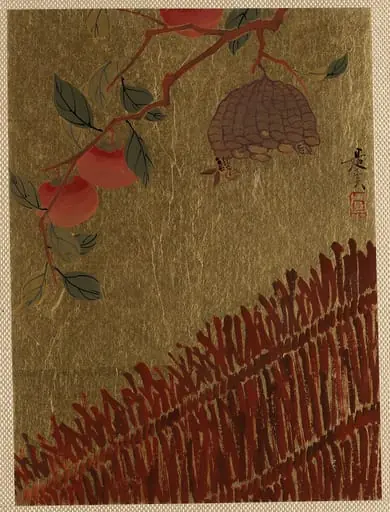
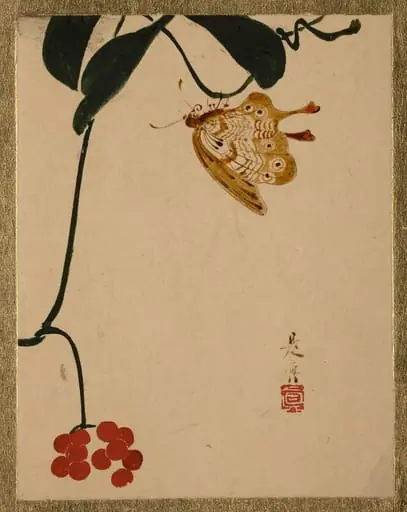
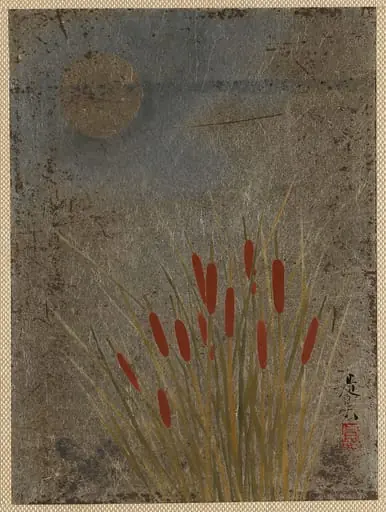
Within the grid are six individual framed compositions that depict birds and foliage in a restrained palette of greens, browns and pale yellows.
Created in 1892 by Shibata Zeshin, this folding screen was designed for use in a tea ceremony. It consists of two hinged panels, each covered in a light gray ground that is subdivided into a grid of small squares. Within the grid are six individual framed compositions that depict birds and foliage in a restrained palette of greens, browns and pale yellows. The work is part of the collection of the Metropolitan Museum of Art.
Subject & Meaning
Each of the six miniature scenes presents a quiet encounter between birds and plant life, a motif traditionally associated with seasonal change and the fleeting nature of beauty. The restrained coloration and modest scale suggest a contemplative atmosphere, aligning with the meditative sensibilities of the Japanese tea ceremony, where subtle observation of nature is valued.
Technique & Style
Zeshin employed a delicate brushwork on a painted paper surface, using muted mineral pigments that blend softly into the gray background. The compositions are organized within small, almost picture‑frame borders, emphasizing clarity and balance. The overall aesthetic reflects the late‑Edo to early‑Meiji preference for understated elegance and the artist’s mastery of subtle tonal modulation.
History & Provenance
The screen was completed toward the end of Zeshin’s career, a period when he was experimenting with traditional formats for contemporary interiors. It entered the Metropolitan Museum of Art’s collection through a 20th‑century acquisition, though the exact path from its original tea‑room setting to the museum remains undocumented in public records.
Context
In the late 19th century, Japanese decorative arts were increasingly presented to Western audiences, and folding screens became popular as both functional partitions and objects of aesthetic interest. Zeshin’s screen reflects this cross‑cultural moment, marrying a classic Japanese subject—bird‑and‑flower motifs—with a format that could be appreciated in both domestic and exhibition contexts.
Artist & collection


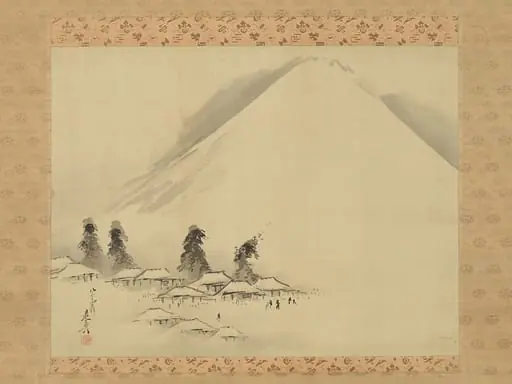
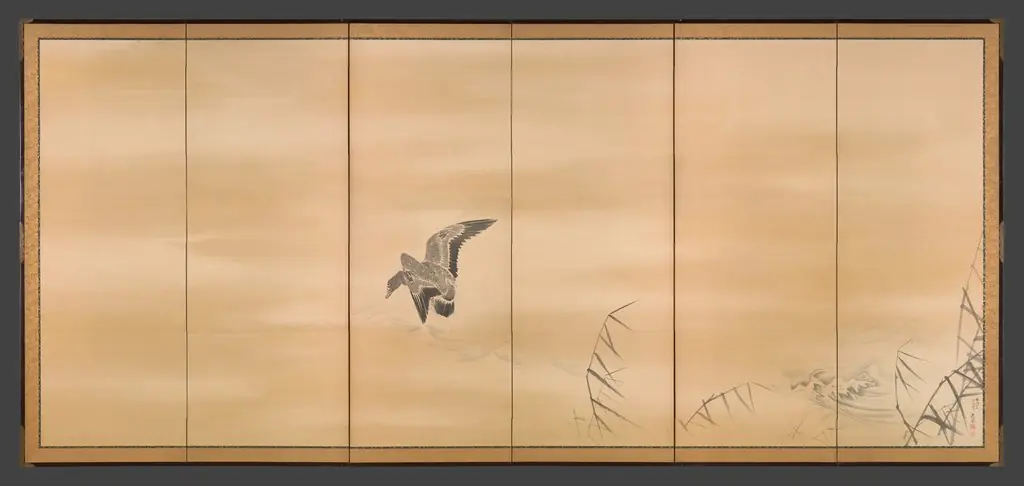 Goose and Reeds; Willows in the Moonlight
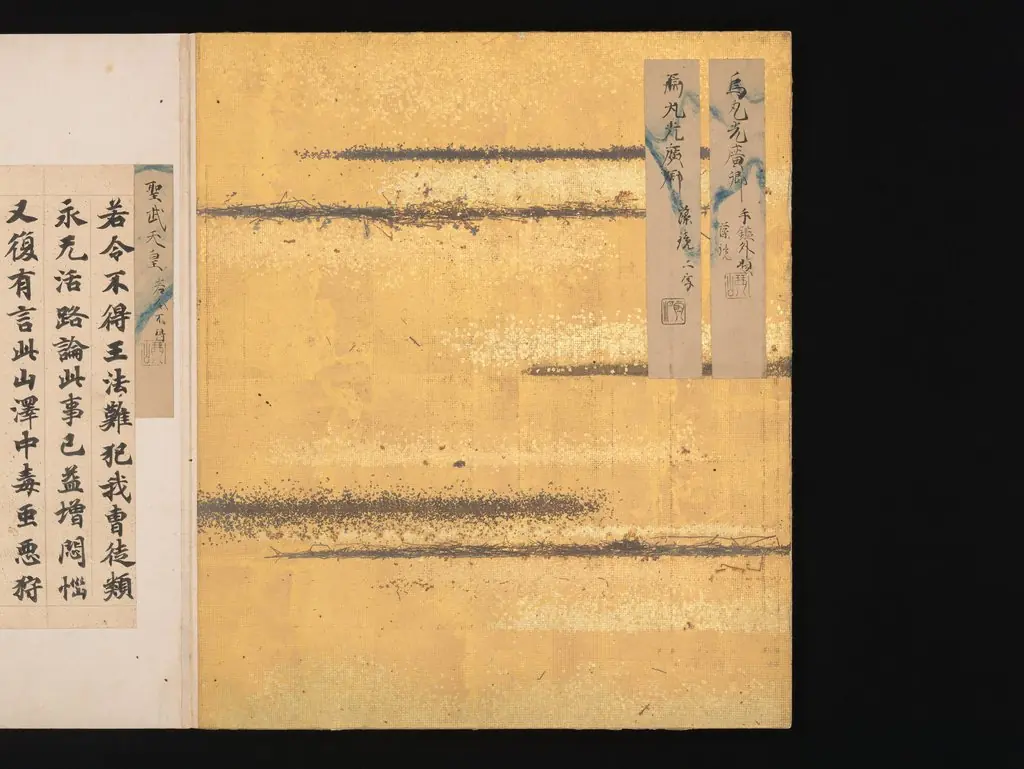 A Mirror of Gathered Seaweed (Mokagami) Calligraphy Album
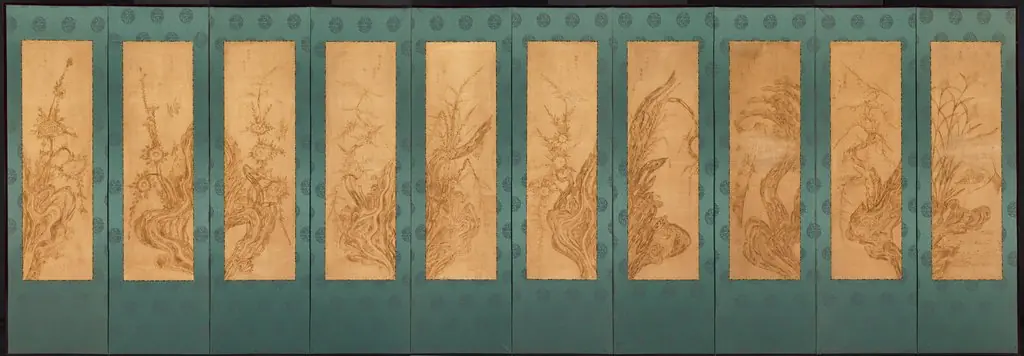 Birds and Flowers
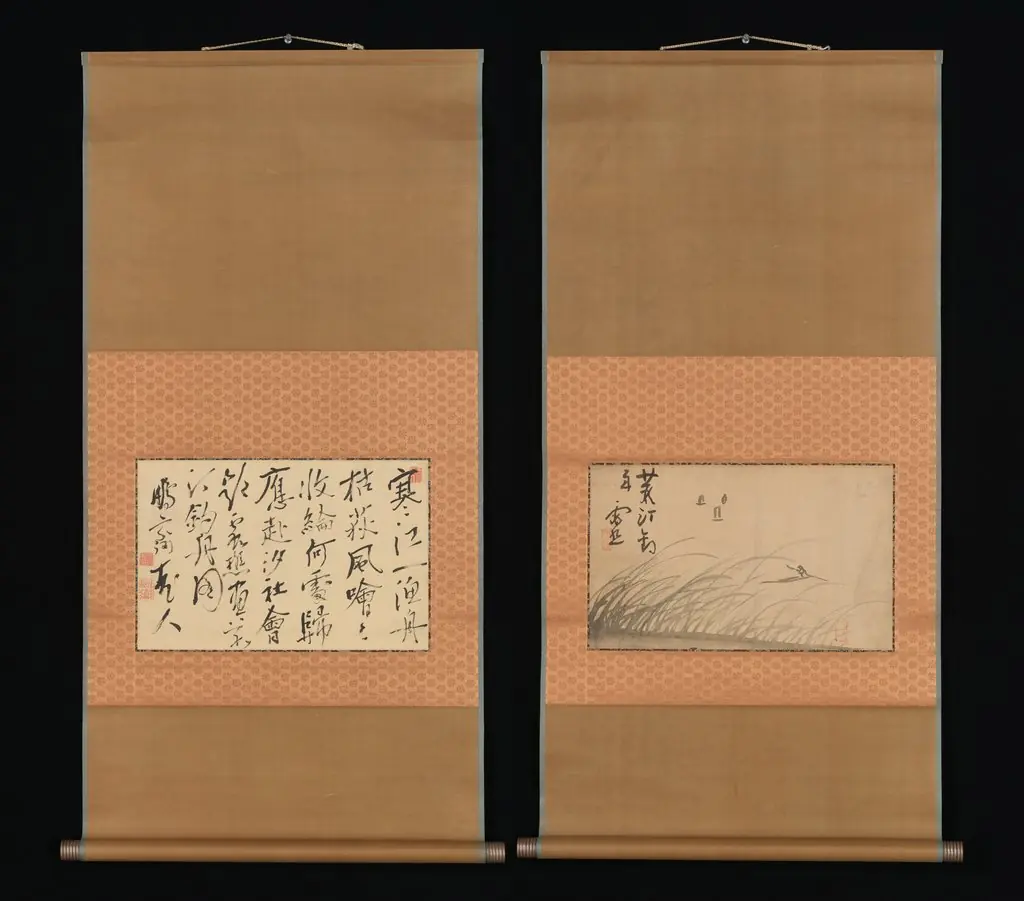 Fishing Boat on Reed Covered Bank and Calligraphy
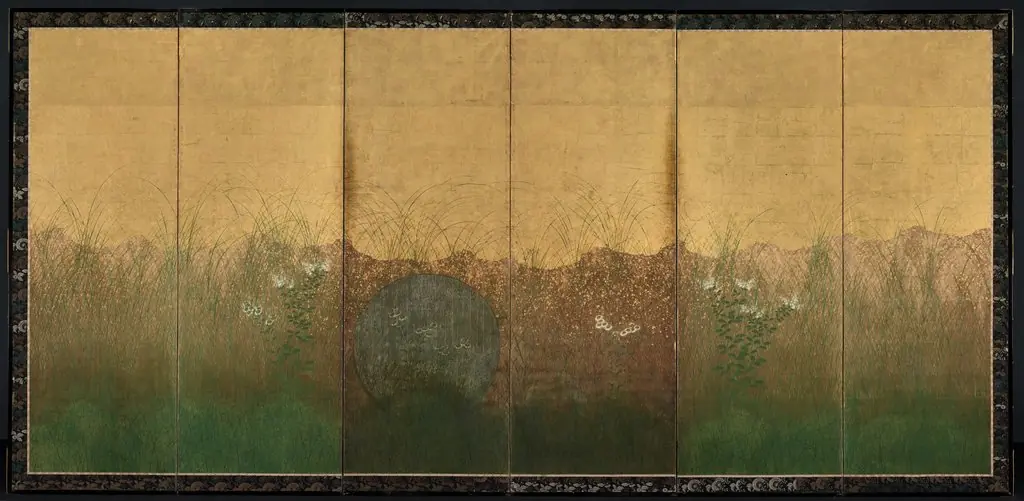 Autumn Evening with Full Moon on Musashino Plain
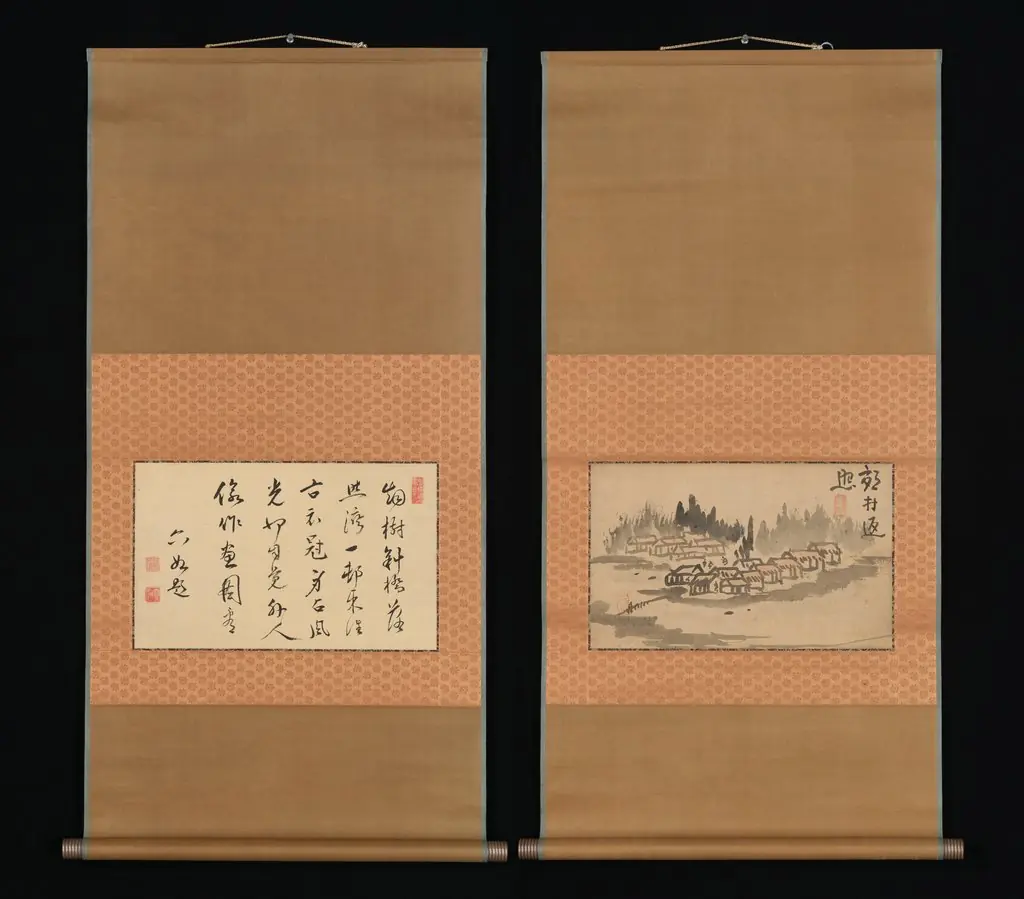 Evening Glow in a Mountain Village and Calligraphy
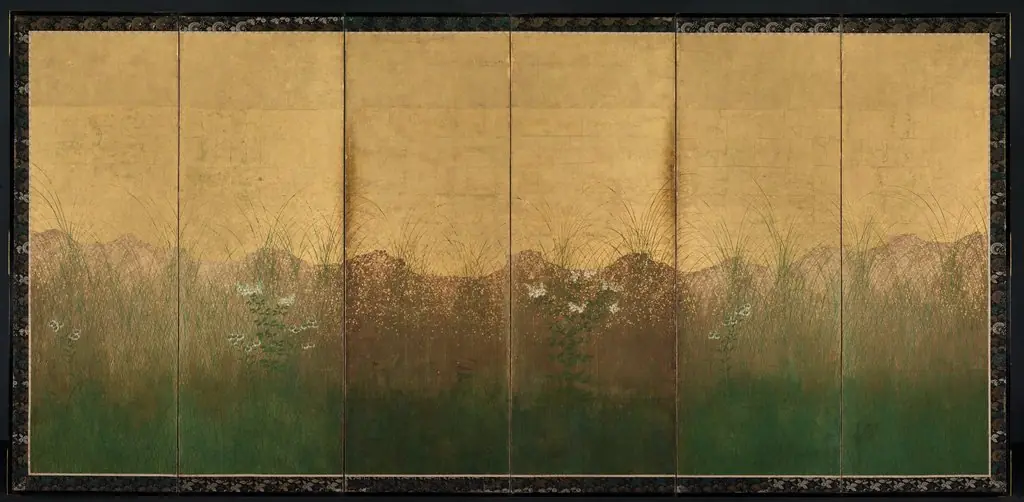 Autumn Evening with Full Moon on Musashino Plain