Artwork
Untitled
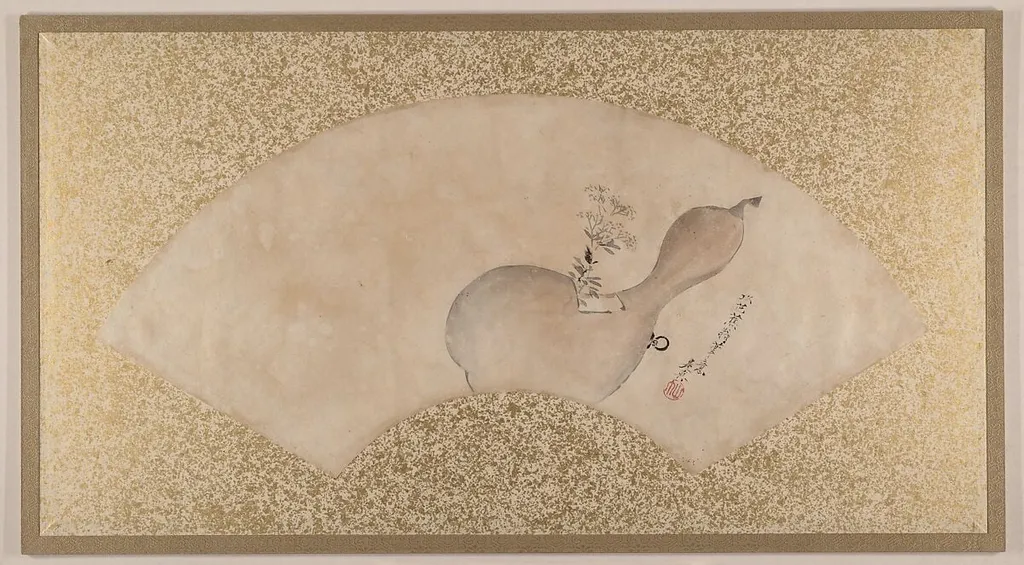
Untitled is a tempera painting by the Impressionist artist Shibata Zeshin. It dates from 1879 and is held in the collection of the Metropolitan Museum of Art.
About this work
Overview
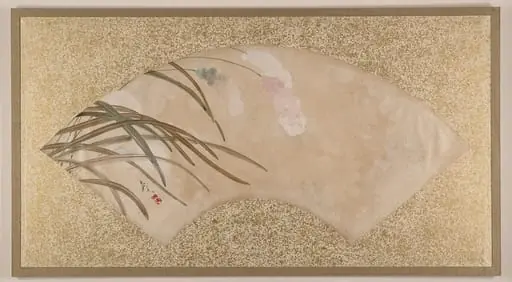
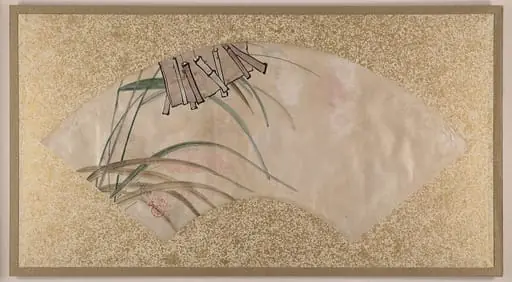
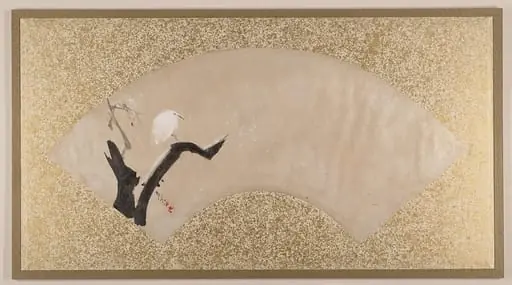
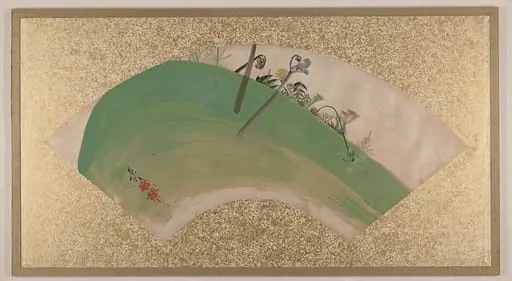
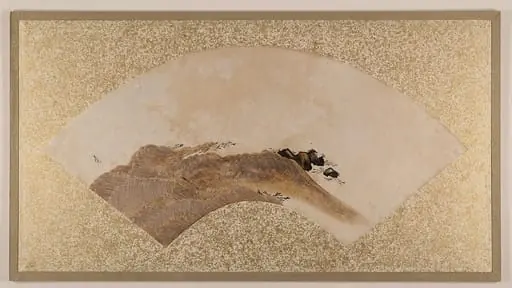
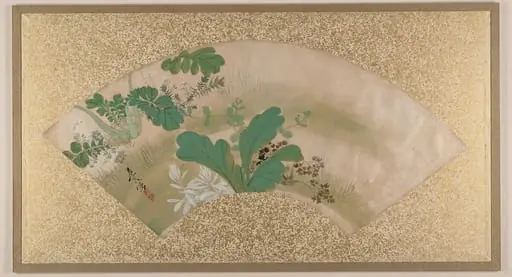
Originally executed as a painting on a paper fan, the artist later mounted the piece as an album leaf, preserving the distinctive curved edges of the fan shape.
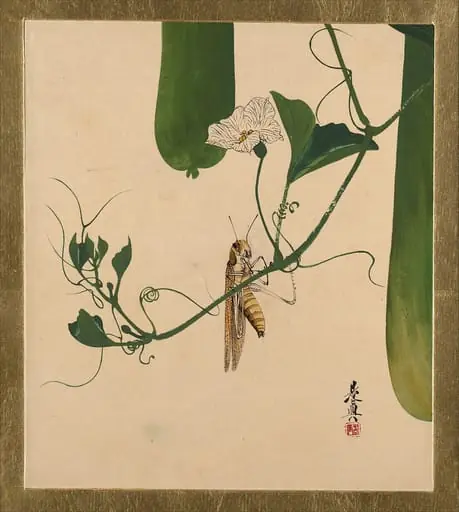
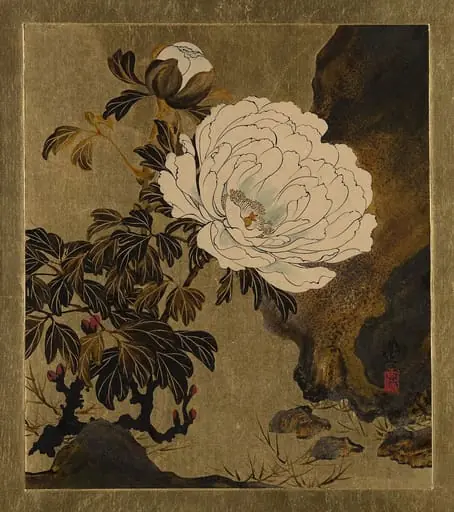
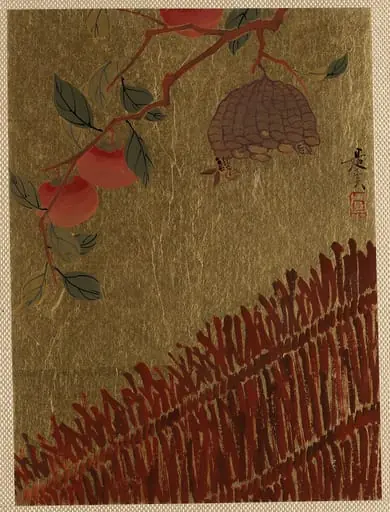
Created in 1879 by Shibata Zeshin, this work is a still life depicting two pale gourds resting on a plain brown surface. One gourd remains whole, while the other is sliced open to reveal its interior. Originally executed as a painting on a paper fan, the artist later mounted the piece as an album leaf, preserving the distinctive curved edges of the fan shape. Zeshin employed tempera, a medium consisting of pigments bound with egg yolk, to achieve bright, matte colors that contrast with the dark background. This technique highlights the subtle textures of the gourds' skins and the soft flesh within. Executed late in the artist's career, the work exemplifies Zeshin's mastery of lacquerware aesthetics applied to painting, blending the decorative precision of his lacquer tradition with the naturalism of the Rinpa school. The composition focuses entirely on the humble subject matter, elevating everyday objects through meticulous observation and refined execution.
Subject & Meaning
The composition focuses on the simple, everyday form of the gourd, a motif often associated with abundance and seasonal change in Japanese visual culture. By juxtaposing an intact fruit with its interior exposed, the piece invites contemplation of interiority versus exterior appearance, a subtle meditation on materiality.
Technique & Style
Zeshin employed egg‑tempera, mixing pigments with yolk to achieve a matte, luminous finish. The gourds are rendered with precise, almost tactile detail, while the background consists of a loose, brown wash that recedes, emphasizing the objects’ three‑dimensional quality. The fan’s paper support contributes a delicate texture to the surface.
History & Provenance
The work was originally painted on a folding fan, a common portable medium in the late Edo and early Meiji periods, before being fixed into a small album. Its provenance traces back to Zeshin’s own studio, though specific ownership records after its creation are not documented in the available sources.
Artist & collection