Artwork
Untitled
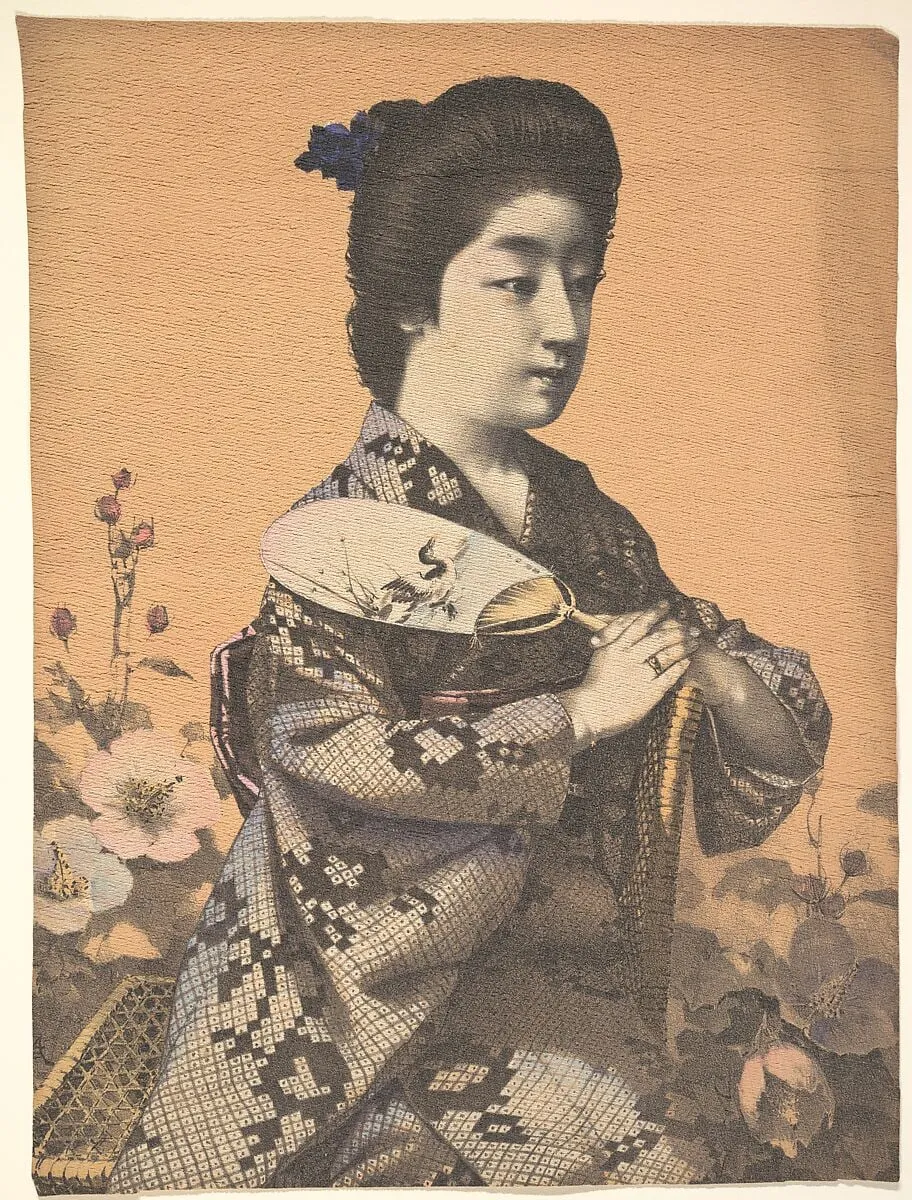
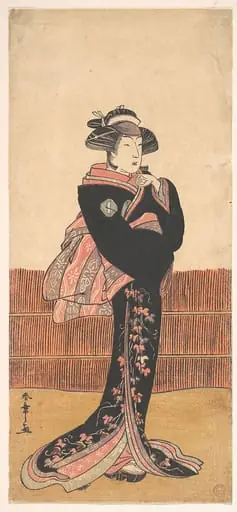
Untitled is an ink print by the Impressionist artist Unknown. It dates from 1900 and is held in the collection of the Metropolitan Museum of Art. This woodblock print on paper features a solitary female figure rendered in ink and color.
About this work
Overview
The background fades into soft, blurred tones of foliage, contrasting with the intricate detailing of her garment.
This woodblock print on paper features a solitary female figure rendered in ink and color. The composition centers on her poised stance, with a delicately painted fan in hand. The background fades into soft, blurred tones of foliage, contrasting with the intricate detailing of her garment. The work exemplifies the quiet intimacy characteristic of certain early 20th-century Japanese print traditions.
Subject & Meaning
The woman, dressed in a patterned kimono and adorned with a simple black bow, exudes stillness and restraint. Her fan, bearing minimal brushwork of a bird and blossoms, suggests a private moment of contemplation. The absence of narrative context invites interpretation rooted in personal reflection rather than storytelling, aligning with aesthetic values of subtlety and understated emotion.
Technique & Style
The robe is defined by dense, crisscrossing lines that create texture and depth through cross-hatching, a technique emphasizing structure over volume. In contrast, the background employs loose, diluted washes to suggest distance and atmosphere. The fan’s imagery is rendered with economical brushstrokes, highlighting the artist’s precision in balancing detail and suggestion.
History & Provenance
The print originates from a period when Japanese artists were refining traditional ukiyo-e methods for modern audiences. Though unattributed, its materials and execution align with prints produced in the Taishō or early Shōwa eras. It likely circulated as a commercial or decorative item, reflecting the era’s interest in blending classical motifs with contemporary sensibilities.
Context
During the early 1900s, Japanese printmakers increasingly turned to intimate, domestic scenes as urbanization reshaped social life. This work reflects a broader trend toward personal, rather than theatrical, subjects. The use of crepon paper and muted tones signals an embrace of refined, non-theatrical aesthetics, distinct from earlier ukiyo-e’s bold narratives.
Legacy
The print contributes to a quiet lineage of Japanese prints that prioritize mood over spectacle. Its emphasis on texture, restraint, and spatial ambiguity influenced later generations of printmakers exploring minimalism and psychological depth. Though not widely exhibited, it remains a representative example of transitional early 20th-century Japanese graphic art.
Artist & collection

 Domestic Scene
 Giacomo and Cardinal Marco, investing Andrea, Abbot of San Zeno, with his Benefice
 The Nymph of Fontainebleau
 Portrait of a Woman
 Madonna and Child with Saints in the Enclosed Garden
 Venus and Minerva
 Family Group of Four on Sofa
 Wall painting from Room H of the Villa of P. Fannius Synistor at Boscoreale
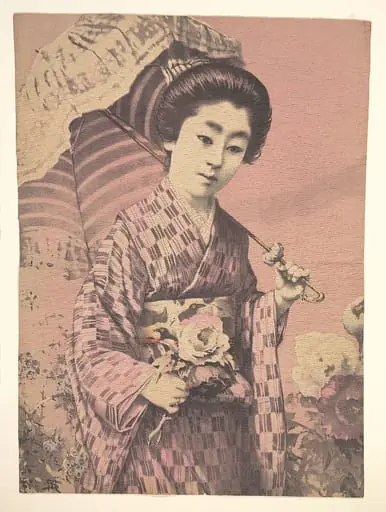 日傘を差す女|Girl Carrying a Parasol
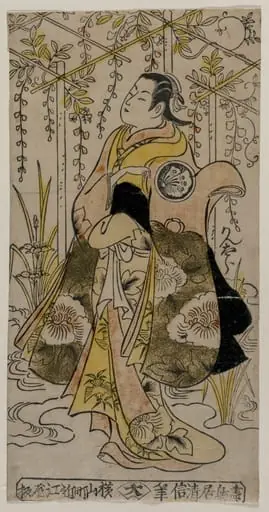 Sanjo Kantaro as a Young Woman Standing in a Wisteria Arbor
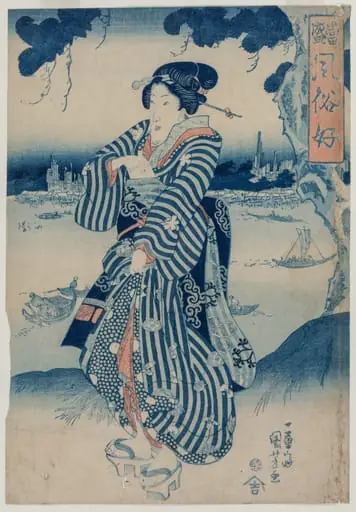 Geisha Standing on the Bank of the Sumida River (from the series People Who Like the Latest Fashions and Manners)
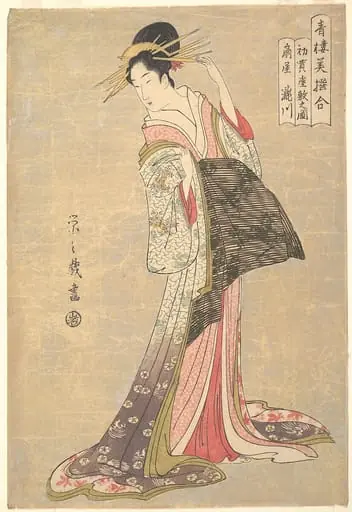 鳥文斎栄之画 「青楼美撰合 初売座敷之図 扇屋滝川」|Takigawa of the Ōgiya Brothel: The First Reception Room Appointment of the New Year (Hatsu-uri zashiki no zu: Ōgiya Takigawa), from the series A Comparison of Selected Beauties of the Pleasure Quarters (Seirō bisen awase)
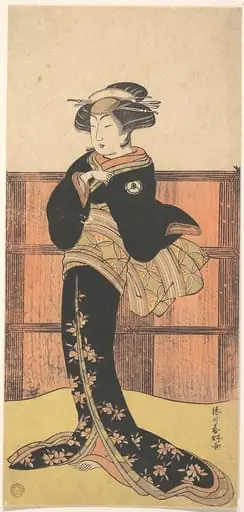 勝川春好画 四代目岩井半四郎|Kabuki Actor Iwai Hanshirō IV
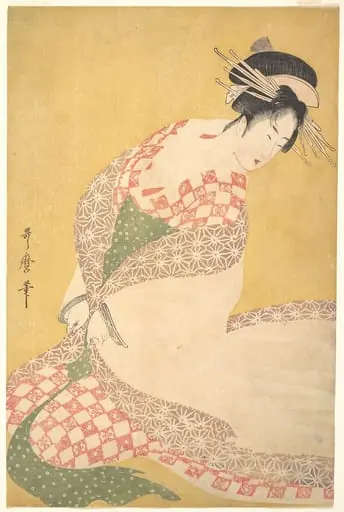 Untitled
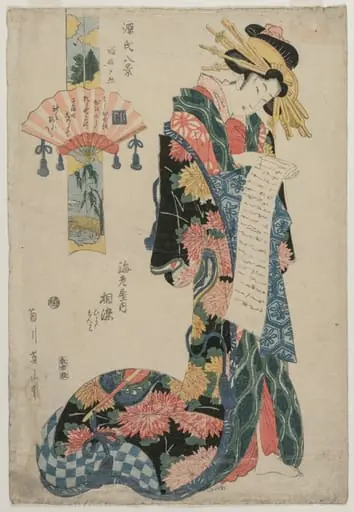 The Courtesan Aizome of the Ebiya (From the series Eight Views of the Tale of Genji)
 Untitled
 Untitled
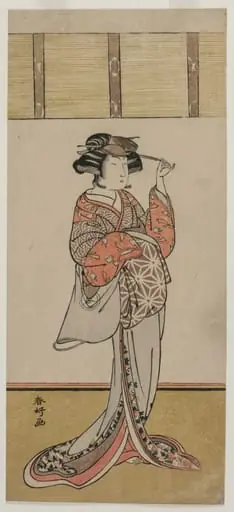 Iwai Hanshiro IV as Oiso no Tora
 Untitled
 勝川春章画 三代目吾妻藤蔵|Kabuki Actor Azuma Tōzō III