Artwork
日傘を差す女|Girl Carrying a Parasol
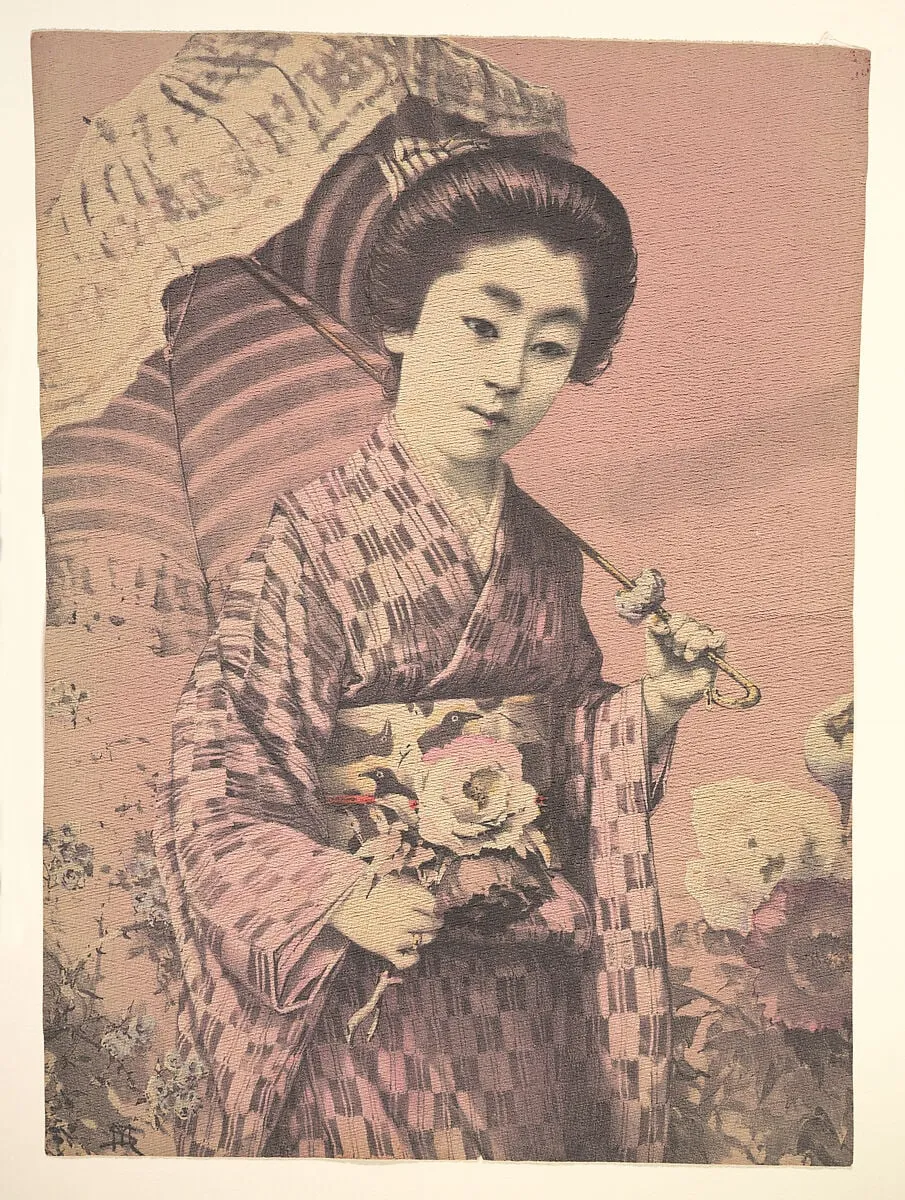
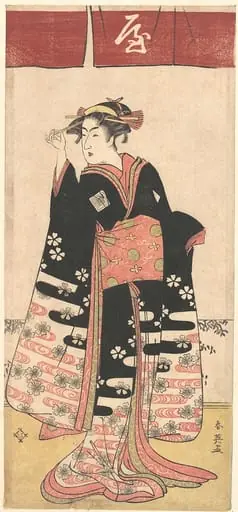
日傘を差す女|Girl Carrying a Parasol is an ink print by Unknown. It dates from 1905 and is held in the collection of the Metropolitan Museum of Art. This woodblock print, created in early 20th-century Mexico, imitates the aesthetic of traditional Japanese ukiyo-e.
About this work
Overview
Rendered in ink and color on crepe paper, it depicts a young woman walking beneath a parasol, her geta sandals visible beneath her kimono.
This woodblock print, created in early 20th-century Mexico, imitates the aesthetic of traditional Japanese ukiyo-e. Rendered in ink and color on crepe paper, it depicts a young woman walking beneath a parasol, her geta sandals visible beneath her kimono. The palette favors muted pinks, blues, and cream, with delicate cross-hatching defining the parasol’s shadow. Though stylistically Japanese, its origin reflects transpacific artistic exchange during a period of global interest in East Asian forms.
Subject & Meaning
The figure is a solitary young woman, her posture calm and unhurried, suggesting a quiet moment of daily life. The parasol, a symbol of protection and refinement in Japanese culture, frames her movement without drawing overt attention. Her attire and the parasol’s design evoke seasonal elegance, possibly hinting at summer. The absence of context or narrative emphasizes introspection over storytelling, aligning with the subdued tone of the composition.
Technique & Style
The print employs fine cross-hatching to model the parasol’s folds, a technique borrowed from Japanese woodblock traditions to suggest depth without heavy shading. Colors are applied in soft washes over cream crepe paper, enhancing the delicate texture. The use of chirimen-gami, a crinkled paper traditionally used in Japan for kimono linings, adds subtle tactile variation. These choices mimic Japanese methods while revealing the artist’s adaptation through Mexican materials and sensibility.
History & Provenance
Produced in Mexico during the early 1900s, the print emerged amid a wave of interest in Japanese art following the Meiji Restoration’s opening of Japan to the West. Mexican artists, influenced by imported prints and exhibitions, began experimenting with similar techniques. This work entered The Metropolitan Museum of Art’s collection as part of a broader effort to document global printmaking beyond European and American traditions.
Context
In early 20th-century Mexico, artists engaged with Japanese aesthetics as part of a wider modernist search for alternatives to Western academic norms. The popularity of ukiyo-e in Europe and North America reached Latin America through publications and exhibitions. This print reflects not imitation, but reinterpretation—using Japanese visual language to explore local artistic identity within a globalizing art world.
Legacy
This work stands as a quiet testament to the global circulation of artistic forms in the early modern era. It illustrates how Japanese printmaking inspired non-Japanese artists to adapt its techniques and sensibilities, not as replication but as dialogue. Its presence in a major Western museum underscores the expanding scope of art historical narratives beyond national boundaries.
Artist & collection

 Domestic Scene
 Giacomo and Cardinal Marco, investing Andrea, Abbot of San Zeno, with his Benefice
 The Nymph of Fontainebleau
 Portrait of a Woman
 Madonna and Child with Saints in the Enclosed Garden
 Venus and Minerva
 Family Group of Four on Sofa
 Wall painting from Room H of the Villa of P. Fannius Synistor at Boscoreale
 Untitled
 Sanjo Kantaro as a Young Woman Standing in a Wisteria Arbor
 Untitled
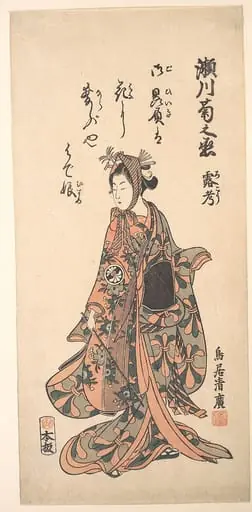 Untitled
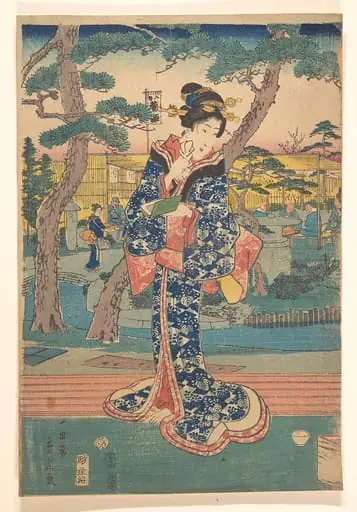 Untitled
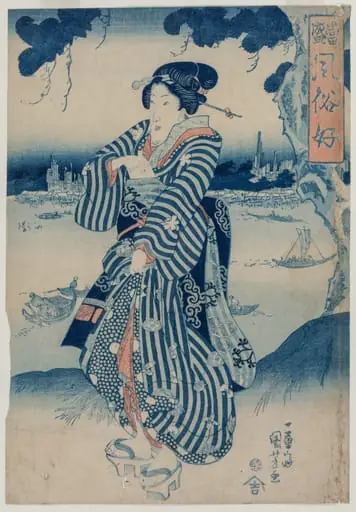 Geisha Standing on the Bank of the Sumida River (from the series People Who Like the Latest Fashions and Manners)
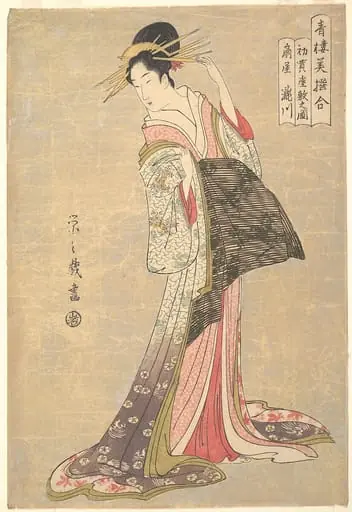 鳥文斎栄之画 「青楼美撰合 初売座敷之図 扇屋滝川」|Takigawa of the Ōgiya Brothel: The First Reception Room Appointment of the New Year (Hatsu-uri zashiki no zu: Ōgiya Takigawa), from the series A Comparison of Selected Beauties of the Pleasure Quarters (Seirō bisen awase)
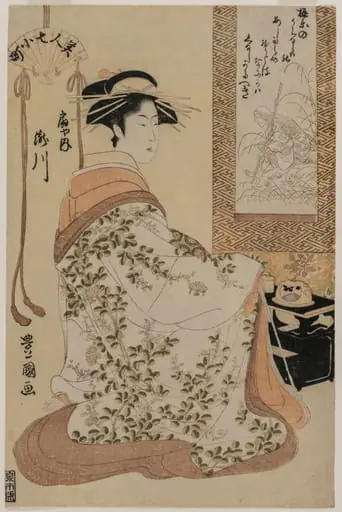 Takigawa of Ōgiya, from the series Beauties as the Seven Komachi
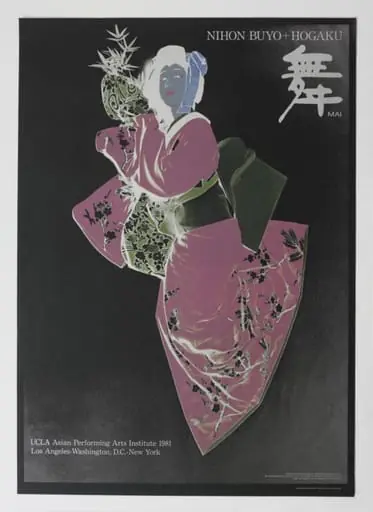 Nihon Buyo + Hogaku
 Untitled
 Untitled
 Untitled