Artwork
Rei Shōjo (Ling Zhaonu)
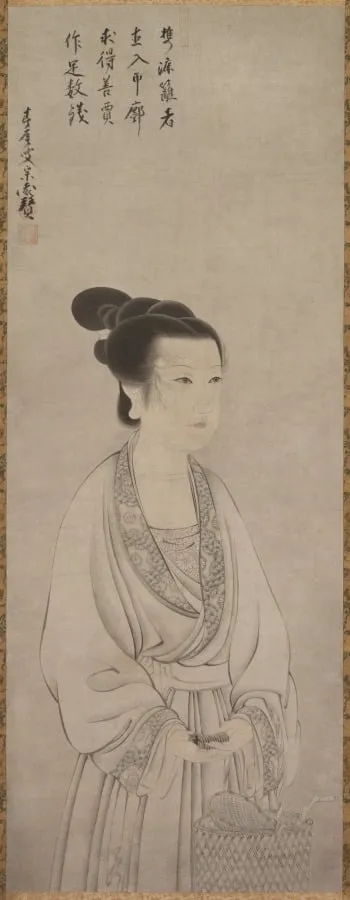
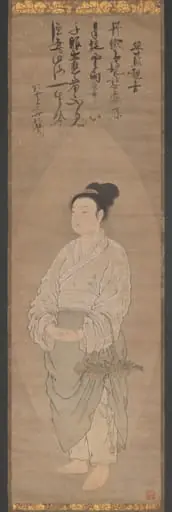
Rei Shōjo (Ling Zhaonu) is an unspecified painting by the Renaissance artist Shunoku Sōen. It dates from 1504 and is held in the collection of the Cleveland Museum of Art.
About this work
Overview
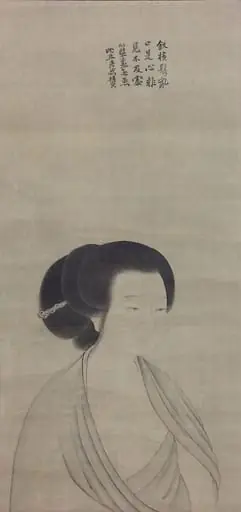
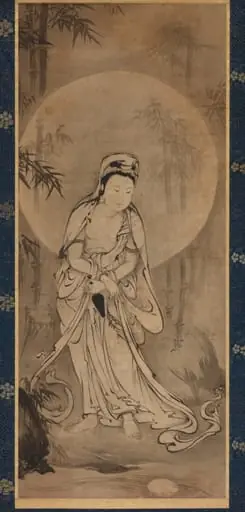
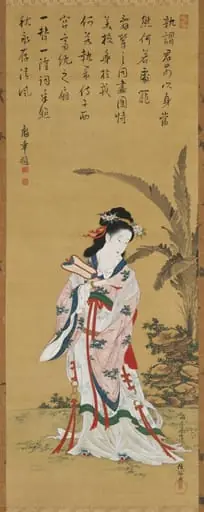
This ink-on-paper painting depicts Rei Shōjo, the Japanese reading of the Chinese figure Ling Zhaonu, portrayed as a quiet, industrious woman. The composition centers on her solitary figure, framed by minimal background elements, emphasizing her role as a filial daughter. A Zen monk’s inscription accompanies the image, linking visual and textual narratives of moral virtue.
Subject & Meaning
Rei Shōjo is portrayed not as a mythic heroine but as an ordinary woman whose devotion manifests through labor. She supports her aging father, a Buddhist basket-weaver, by selling his wares—transforming humble craft into an act of piety. The story elevates daily responsibility into a spiritual practice, aligning with Confucian ideals of familial duty and Zen values of humility.
Technique & Style
Rendered in monochrome ink, the painting employs restrained brushwork to define form and texture. Delicate lines suggest fabric folds and basket weave, while the absence of color focuses attention on gesture and posture. The calligraphic inscription, integrated into the composition, balances the image and reinforces its moral message through literary tradition.
History & Provenance
The painting entered the collection of the Cleveland Museum of Art through documented acquisition, though its earlier provenance remains partially obscure. It likely originated in late medieval or early modern Japan, where stories of filial piety were popular subjects in ink painting. The Zen monk’s inscription suggests monastic patronage or endorsement of the narrative.
Context
During the Edo period, tales of filial devotion were widely circulated in art and literature, often used to reinforce social harmony. Rei Shōjo’s story, rooted in Chinese hagiography, was adapted into Japanese cultural frameworks, where Buddhist and Confucian ethics converged. Such images served both moral instruction and aesthetic contemplation in domestic and religious settings.
Legacy
The painting endures as an example of how moral narratives were visually encoded in East Asian ink traditions. It reflects a broader cultural preference for understated heroism—where virtue is found not in grand deeds but in quiet, sustained care. Its preservation in a Western museum underscores its cross-cultural resonance as a symbol of ethical quietude.
Artist & collection