Artwork
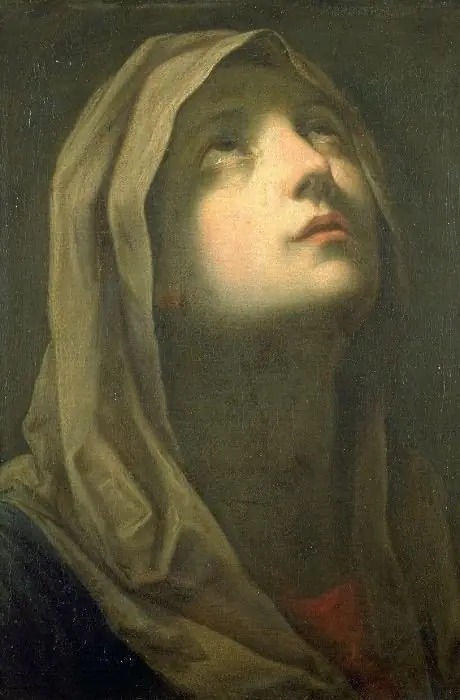
Mater dolorosa
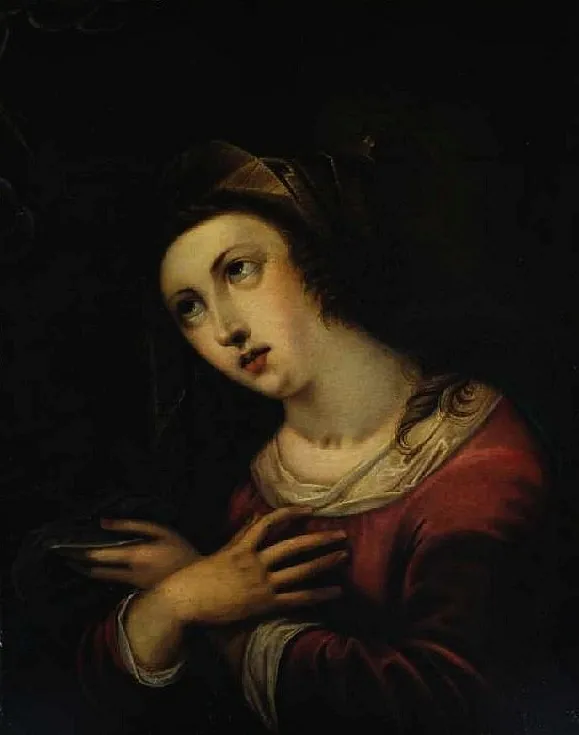
Mater dolorosa is an unspecified painting by the Early Baroque Italian artist Sigismund III Vasa. It dates from 1620 and is held in the collection of the Bavarian State Painting Collections. Painted in 1620, this devotional work depicts the Virgin Mary in her role as the Sorrowful Mother.
About this work
Overview
It resides today in the Alte Pinakothek in Munich, where its intimate scale and emotional restraint distinguish it from larger altarpieces of the period.
Painted in 1620, this devotional work depicts the Virgin Mary in her role as the Sorrowful Mother. Attributed to Sigismund III Vasa, the Polish monarch and amateur artist, the piece reflects his engagement with religious imagery during his reign. It resides today in the Alte Pinakothek in Munich, where its intimate scale and emotional restraint distinguish it from larger altarpieces of the period.
Subject & Meaning
The figure represents Mary, Mater Dolorosa, contemplating the impending suffering of Christ. Her calm demeanor conveys resigned sorrow rather than overt grief. The object in her left hand, likely a symbol of Christ’s passion, and her hand resting over her heart emphasize inner anguish. The absence of narrative context focuses attention on her emotional state, aligning with Counter-Reformation ideals of personal devotion.
Technique & Style
The painting employs chiaroscuro to model the figure with subtle gradations of light and shadow, lending volume to the face and hands. The dark, unbroken background isolates the figure, heightening its emotional presence. Skin is rendered with smooth transitions, avoiding harsh lines, while the red dress and white collar provide restrained color contrast. The brushwork is precise yet unobtrusive, prioritizing emotional clarity over decorative detail.
History & Provenance
Commissioned during Sigismund III Vasa’s reign, the painting likely originated in the royal court in Warsaw before entering a private collection. It was acquired by the Alte Pinakothek in the 19th century, possibly through the broader European redistribution of religious art following secularization. Its attribution to the king remains debated, though stylistic traits align with courtly artistic circles of early 17th-century Poland.
Context
Created during the Counter-Reformation, the image responds to Catholic efforts to deepen personal piety through contemplative imagery. While Italian and Flemish artists commonly depicted the Mater Dolorosa, this version reflects a Northern European sensibility—less theatrical, more introspective. Sigismund’s involvement as a royal patron underscores the intersection of political authority and religious expression in early modern Europe.
Legacy
Though not widely reproduced, the painting contributes to the understanding of devotional art produced beyond major artistic centers. Its quiet intensity offers insight into how religious themes were adapted in royal courts with limited access to professional workshops. It remains a rare example of a monarch’s direct artistic contribution to sacred imagery in the early Baroque era.
Artist & collection
Artist
Sigismund III Vasa made large, formal paintings in the early 1600s. In “Allegory of the foundation of the Society of Jesus,” he shows crowned figures and clouds above a city skyline in oil paint. His style feels stiff…

 Sfânta Magdalena
 The Penitent St Mary Magdalene
 Head of the Virgin mourning
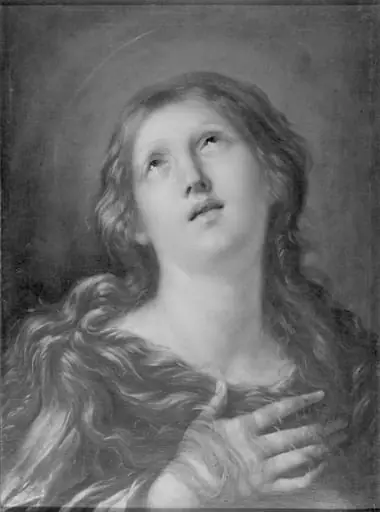 The Penitent St Mary Magdalene
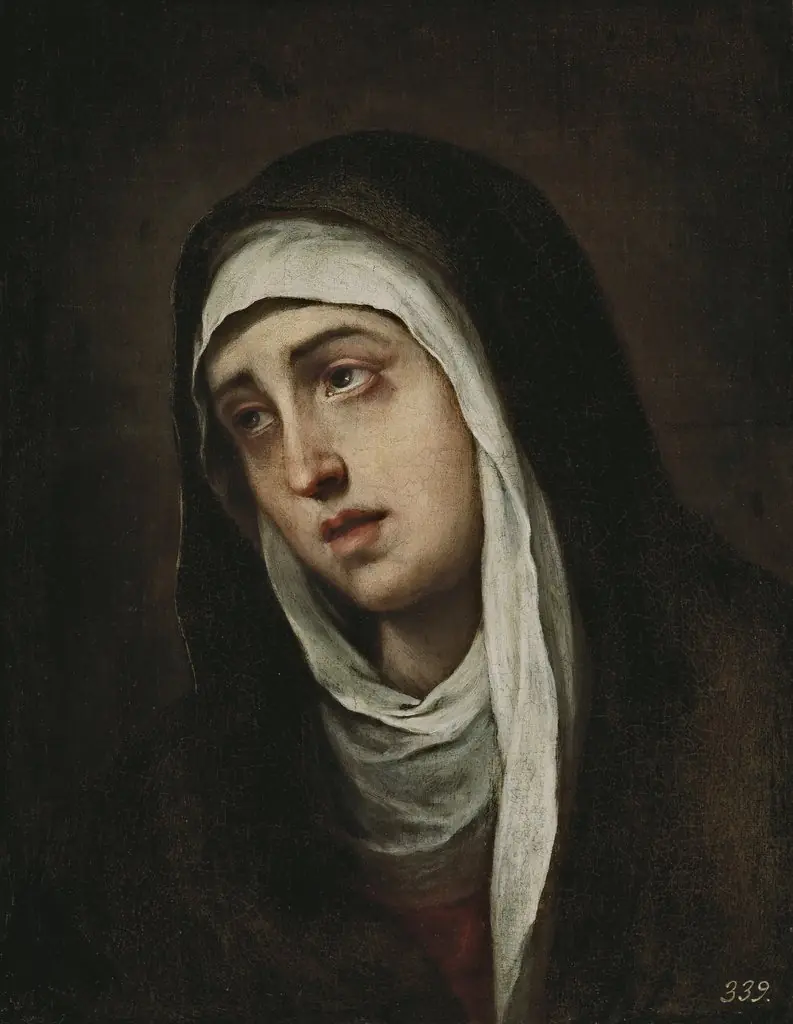 Mater Dolorosa
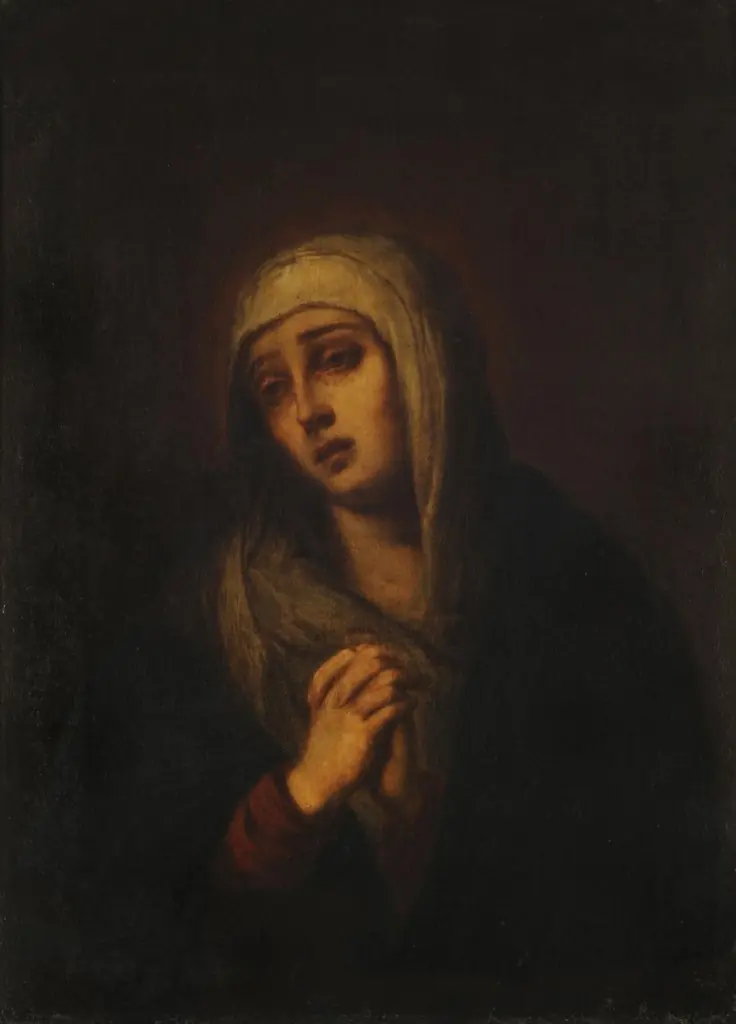 The grieving mother
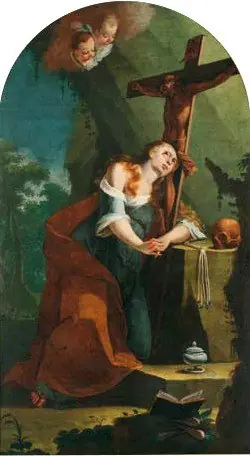 Mary Magdalene
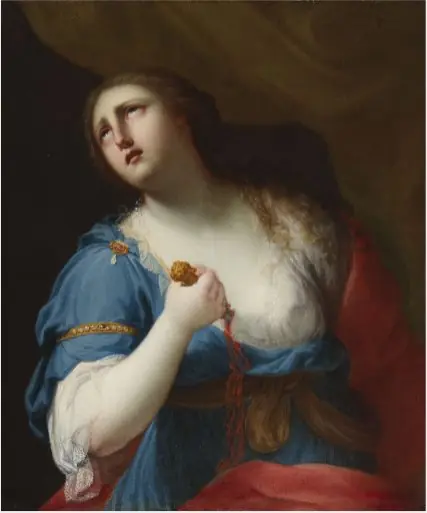 Lucretia Stabbing herself
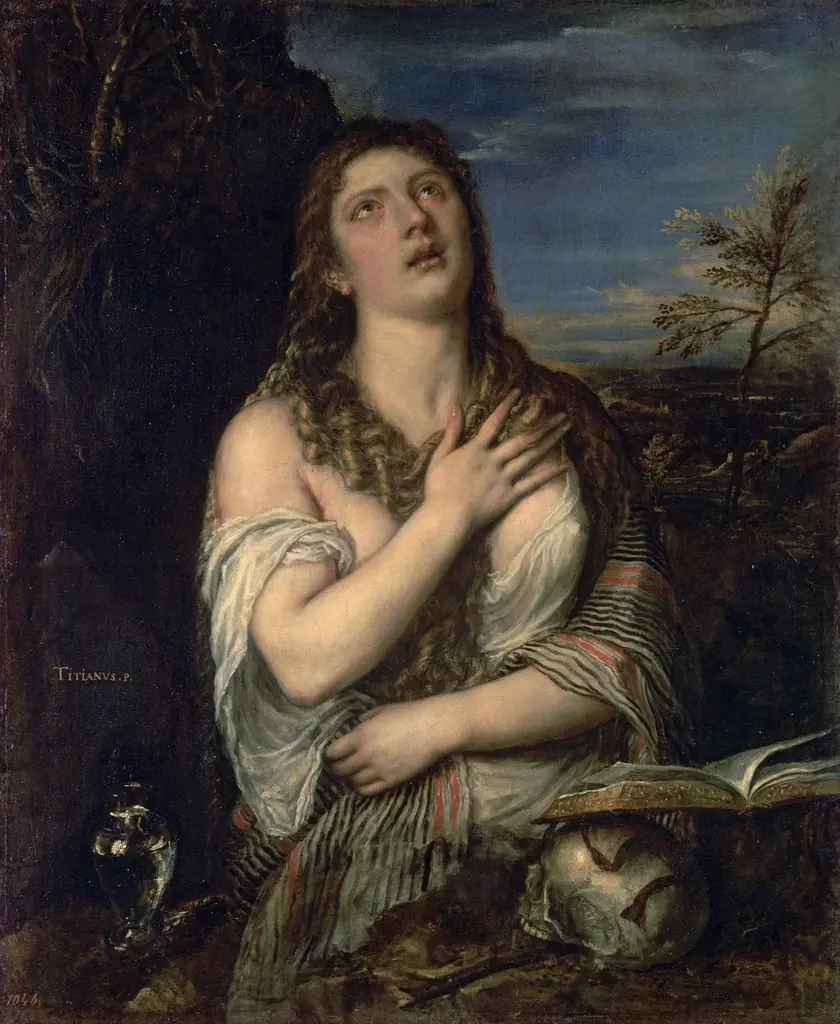 Penitent Magdalene
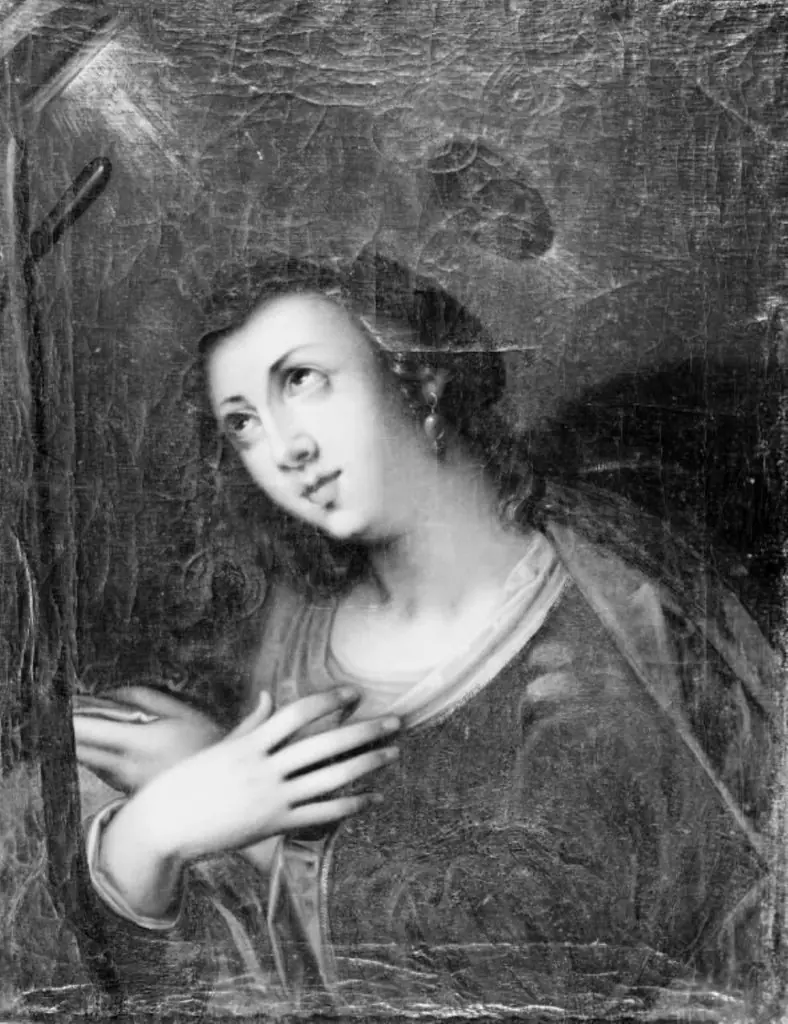 Den hellige Magdalene tilbeder et foran hende stående kors
 Den hellige Magdalene tilbeder et foran hende stående kors
 Mater Dolorosa